High Blood Pressure in Children: Causes, Diagnosis, and Follow-Up

High blood pressure in children often has no symptoms and is usually found during routine medical visits. A diagnosis usually requires repeated, accurate blood pressure measurements over time.
Key Takeaways
- High blood pressure in children often has no symptoms and is usually found during routine medical visits.
- A diagnosis usually requires repeated, accurate blood pressure measurements over time.
- Causes may include excess weight, family history, kidney disease, heart conditions, sleep problems, or certain medicines.
- Treatment may involve lifestyle changes, regular monitoring, and sometimes medication.
- Ongoing follow-up is important because blood pressure can affect long-term heart and kidney health.
High blood pressure in children is more common than many families expect, and it may not cause obvious symptoms. Early diagnosis, careful follow-up, and healthy lifestyle habits can help protect a child’s heart, kidneys, brain, and overall long-term health.
Overview
High blood pressure in children, also called pediatric hypertension, means a child’s blood pressure readings are higher than expected for their age, sex, and height, or higher than standard adolescent thresholds in older teens. Blood pressure is the force of blood pushing against artery walls. When it stays too high over time, it can place extra strain on the heart, blood vessels, kidneys, and other organs.
Many parents think high blood pressure is only an adult problem, but children and teenagers can develop it as well. In some children it is linked to weight gain, low physical activity, or family history. In others, it may be related to an underlying health condition such as kidney disease, hormone problems, sleep-disordered breathing, or certain heart abnormalities.
One important challenge is that high blood pressure in children often causes no warning signs. Because of this, it is commonly discovered during a routine pediatric visit, school health screening, or evaluation for another issue. A single high reading does not always mean hypertension, but it does mean the child needs proper repeat measurements and follow-up.
When recognized early, high blood pressure can often be managed effectively. The goal is not only to lower the numbers on a blood pressure monitor, but also to support healthy growth and protect long-term cardiovascular health.
Symptoms and Possible Effects
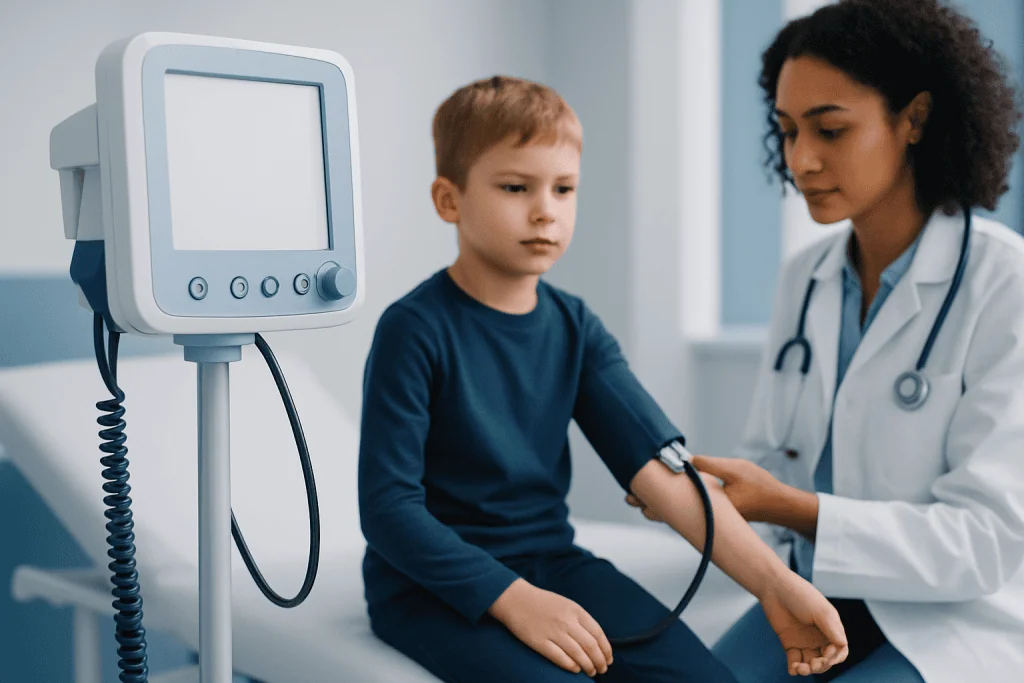
Most children with high blood pressure do not feel unwell. In fact, many have no symptoms at all, especially when the blood pressure is only mildly or moderately elevated. This is why routine measurement is so important in pediatric care.
When symptoms do happen, they can be nonspecific and may include headaches, dizziness, tiredness, blurred vision, nosebleeds, difficulty concentrating, or palpitations. These symptoms do not always mean a child has hypertension, but they should be discussed with a doctor, especially if they occur repeatedly.
Severely elevated blood pressure can sometimes cause more urgent symptoms such as severe headache, chest pain, shortness of breath, vomiting, confusion, or seizures. These situations need prompt medical evaluation because very high blood pressure can affect the brain, heart, or kidneys.
Over time, untreated hypertension may increase the risk of damage to important organs. In children, doctors pay special attention to the heart, kidneys, eyes, and blood vessels. Although these complications usually develop gradually, early detection and treatment can reduce the chance of long-term harm.
Causes and Risk Factors
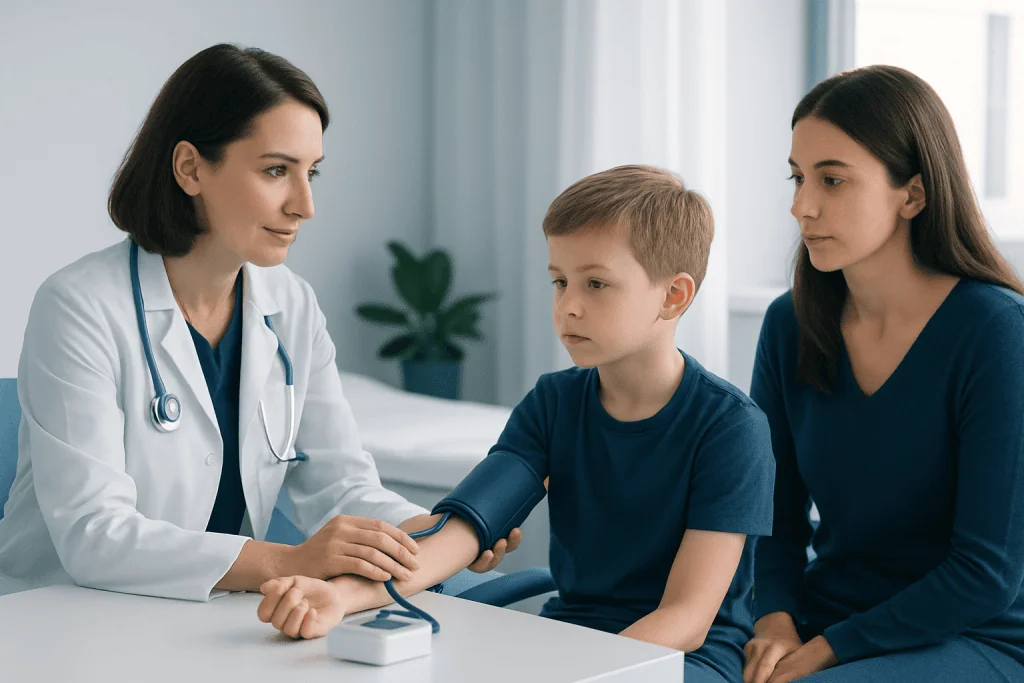
Doctors often divide high blood pressure in children into two broad types: primary hypertension and secondary hypertension. Primary hypertension has no single identifiable cause and is more often seen in older children and teenagers. It is commonly associated with excess body weight, a family history of high blood pressure, diets high in salt or ultra-processed foods, low physical activity, and poor sleep.
Secondary hypertension happens when another medical condition raises blood pressure. This type is more common in younger children. Possible causes include kidney disease, urinary tract abnormalities, narrowing of the aorta, endocrine disorders, obstructive sleep apnea, and certain medications such as some steroids, stimulants, or decongestants.
Risk factors can help identify which children may need closer monitoring. These include obesity, diabetes, kidney problems, premature birth history, congenital heart disease, chronic inflammatory conditions, and a strong family history of hypertension or cardiovascular disease. Children who have sleep problems, especially loud snoring or pauses in breathing during sleep, may also be at higher risk.
Because some underlying causes involve the kidneys or heart, a child may need further evaluation when blood pressure stays high. In some cases, specialists may assess related conditions such as hypertension in a broader cardiovascular context or investigate structural concerns that affect circulation and heart function.
How High Blood Pressure Is Diagnosed in Children
Diagnosing high blood pressure in children is more detailed than in adults. A healthcare professional uses an appropriately sized cuff and measures blood pressure carefully, ideally when the child is calm and seated. If a reading is high, it is usually repeated during the same visit and then rechecked at future visits, because anxiety, recent activity, pain, or illness can temporarily raise blood pressure.
In children younger than 13, blood pressure is interpreted using percentile charts based on age, sex, and height. In adolescents 13 and older, fixed blood pressure thresholds similar to adult categories are often used. A diagnosis is generally not made from one single reading alone unless the blood pressure is very high or there are signs of urgent complications.
Doctors may recommend ambulatory blood pressure monitoring, which records blood pressure over 24 hours during normal daily activities and sleep. This can help confirm the diagnosis and identify white coat hypertension, where blood pressure is high in the clinic but not in everyday life. It can also help show whether blood pressure stays elevated overnight.
Evaluation may include a medical history, family history, physical examination, urine and blood tests, and sometimes imaging or heart tests. Depending on the child’s age and risk factors, the care team may assess kidney function, blood sugar, cholesterol, or possible heart changes. If needed, more specialized evaluation such as echocardiography or cardiac assessment may be used to understand whether high blood pressure is affecting the heart.
Treatment Options and Follow-Up
Treatment depends on the child’s age, blood pressure level, overall health, and whether an underlying cause is found. For many children, the first step is improving lifestyle habits. This may include reaching or maintaining a healthy weight, increasing physical activity, reducing excess salt intake, choosing more fruits and vegetables, limiting sugary drinks, and improving sleep routines.
If a specific medical condition is causing the hypertension, treatment focuses on that problem as well. For example, managing kidney disease, addressing sleep apnea, or adjusting a medicine that may be raising blood pressure can help bring readings down. When blood pressure is significantly elevated, persistent despite lifestyle efforts, or already affecting organs, doctors may prescribe medication.
Several types of blood pressure medicines can be used safely in children when prescribed and monitored by qualified professionals. The choice depends on the child’s age, test results, and other health conditions. Families should not start, stop, or change medication without medical guidance, and regular follow-up is essential to check blood pressure response and possible side effects.
Follow-up is a key part of care. Children may need repeat office visits, home or ambulatory monitoring, and periodic lab tests. In some cases, a pediatrician may work with pediatric cardiology, nephrology, or endocrinology specialists. If further heart evaluation is needed, tests such as electrocardiography may be part of the plan. Near the end of a child’s evaluation or treatment journey, families seeking international care may also learn that Acibadem International’s multidisciplinary specialists and JCI-accredited hospitals diagnose and treat this condition for children and adolescents.
Prevention and Self-Care at Home
Not every case of pediatric hypertension can be prevented, especially when it is related to an underlying medical condition. Still, healthy routines can lower risk and support treatment. Families can help by encouraging regular movement, balanced meals, age-appropriate sleep, stress management, and routine checkups.
A heart-healthy eating pattern for children usually includes vegetables, fruits, whole grains, beans, nuts when age-appropriate, lean proteins, and low-fat dairy if suitable. Processed foods, packaged snacks, fast food, and salty sauces can add a large amount of sodium. Reading food labels and preparing more meals at home may help reduce salt intake without making eating feel restrictive.
Physical activity should be enjoyable and realistic for the child’s age. Walking, swimming, cycling, dancing, and active play can all help. Screen time limits, regular bedtimes, and support for emotional well-being are also important because poor sleep and chronic stress may contribute to higher blood pressure.
Home blood pressure monitoring may be useful for some families, but it should be done only with a device and technique recommended by the doctor. Parents should keep a record of readings and bring it to follow-up appointments. Measurements taken at home should support, not replace, professional evaluation.
When to See a Doctor
Parents should arrange a medical review if a child has repeated high blood pressure readings at school, home, or a clinic. A visit is also important if the child has risk factors such as obesity, kidney disease, diabetes, congenital heart disease, sleep apnea symptoms, or a strong family history of hypertension.
A doctor should also evaluate symptoms that could be related to blood pressure, including recurrent headaches, dizziness, unusual fatigue, blurred vision, chest discomfort, or palpitations. These symptoms can have many causes, but they deserve attention when they are frequent or unexplained.
Urgent medical care is needed if a child has severely high readings along with severe headache, shortness of breath, chest pain, confusion, fainting, seizures, or sudden visual changes. These symptoms may signal a hypertensive emergency or another serious medical problem.
Regular follow-up matters even after treatment begins and even when the child feels well. Blood pressure can change as children grow, gain or lose weight, start new medicines, or develop new health conditions. Ongoing care helps the medical team adjust the plan and support healthy development over time.
Frequently asked questions
Is high blood pressure in children common?
It is not as common as in adults, but it is seen often enough that routine screening matters. Rates are higher in children with obesity, kidney disease, diabetes, sleep problems, or a family history of hypertension.
Can a child have high blood pressure without symptoms?
Yes. Many children with high blood pressure feel completely well and have no obvious warning signs. That is why pediatric blood pressure checks during routine visits are important.
Does one high reading mean a child has hypertension?
Usually no. Blood pressure in children can rise temporarily because of stress, pain, exercise, or anxiety during a clinic visit. Doctors usually confirm the diagnosis with repeat measurements over time and sometimes ambulatory monitoring.
What causes high blood pressure in children?
Causes can include excess weight, family history, poor sleep, unhealthy diet, low physical activity, and certain medicines. In younger children especially, doctors also look for underlying conditions such as kidney disease, heart problems, or hormone disorders.
How is high blood pressure treated in children?
Treatment often starts with lifestyle changes such as healthier eating, regular exercise, weight management, and better sleep habits. If blood pressure remains high or an underlying condition is present, doctors may recommend medication and specialist follow-up.
Can children outgrow high blood pressure?
Some children improve when an underlying cause is treated or when lifestyle habits change. However, persistent high blood pressure should not be ignored, because it may continue into adulthood and increase long-term health risks.
Why is follow-up so important after diagnosis?
Follow-up helps confirm whether treatment is working and whether the child’s blood pressure is staying in a safer range. It also allows doctors to monitor growth, review medications, and check for any effect on the heart, kidneys, or other organs.
References
- American Academy of Pediatrics
- National Heart, Lung, and Blood Institute
- Centers for Disease Control and Prevention
- American Heart Association
- National Institute of Diabetes and Digestive and Kidney Diseases
This article is for general information only and is not a substitute for professional medical advice. Please consult a qualified doctor about your individual situation.
Heart care in Turkey — expert evaluation and treatment
JCI-accredited · board-certified surgeons · reply within 24h
Add us as a Preferred Source to see more of our trusted health content across Google Search, AI Overviews and Discover.
Check your numbers in seconds
BMI, calories, due date, blood pressure and 30+ more clinical calculators — free, instant, doctor-reviewed ranges.