Anal Fissure: Sharp Pain, Bleeding, and Treatment Choices

An anal fissure is a tear in the anal lining, often linked to constipation or passing hard stools. Common symptoms include sharp pain with bowel movements, bright red blood, and a burning or stinging feeling afterward.
Key Takeaways
- An anal fissure is a tear in the anal lining, often linked to constipation or passing hard stools.
- Common symptoms include sharp pain with bowel movements, bright red blood, and a burning or stinging feeling afterward.
- Most acute fissures improve with stool-softening habits, hydration, warm baths, and prescribed topical treatments.
- Persistent or recurrent fissures may need specialist evaluation to rule out other conditions and discuss further treatment options.
- Medical care is important if bleeding continues, pain is severe, or symptoms do not improve within a few weeks.
An anal fissure is a small tear in the lining of the anus that can cause sharp pain during bowel movements and bright red bleeding. Many fissures heal with simple measures, but ongoing symptoms should be assessed to confirm the diagnosis and guide treatment.
Overview
An anal fissure is a small split or tear in the thin lining of the anus, the opening at the end of the digestive tract. Although the tear is usually small, it can be very uncomfortable because the area contains many sensitive nerve endings. People often notice sudden pain during a bowel movement, sometimes followed by a small amount of bright red bleeding.
Anal fissures are common and can affect adults, children, and infants. In many cases, they are related to trauma from passing a hard or large stool. They may also happen when repeated diarrhea irritates the area. A fissure can be short-term, called acute, or longer-lasting, called chronic, if it does not heal after several weeks.
Most fissures are not dangerous and often improve with conservative treatment. The main goals are to reduce pain, make stools easier to pass, and allow the tear to heal. Because symptoms can overlap with hemorrhoids and other anorectal conditions, a medical evaluation may be helpful when symptoms continue or return.
Symptoms

The most typical symptom of an anal fissure is sharp, cutting pain during a bowel movement. Some people describe it as a tearing or burning sensation. The pain may ease soon afterward, or it may continue as throbbing or spasm-like discomfort for minutes to hours.
Another common sign is bright red blood on toilet paper, on the outside of the stool, or in the toilet bowl. The amount is usually small. Itching, irritation, or a visible crack near the anus may also be noticed. In some people, a small skin tag can develop near a chronic fissure.
Symptoms can vary depending on how long the fissure has been present. Acute fissures often cause severe pain but may heal relatively quickly. Chronic fissures may be associated with repeated pain, ongoing bleeding, and a cycle in which pain causes the anal muscle to tighten, reducing blood flow and slowing healing.
- Sharp pain during bowel movements
- Burning or stinging afterward
- Bright red rectal bleeding in small amounts
- Anal itching or irritation
- A visible tear or tender area near the anus
Causes and Risk Factors
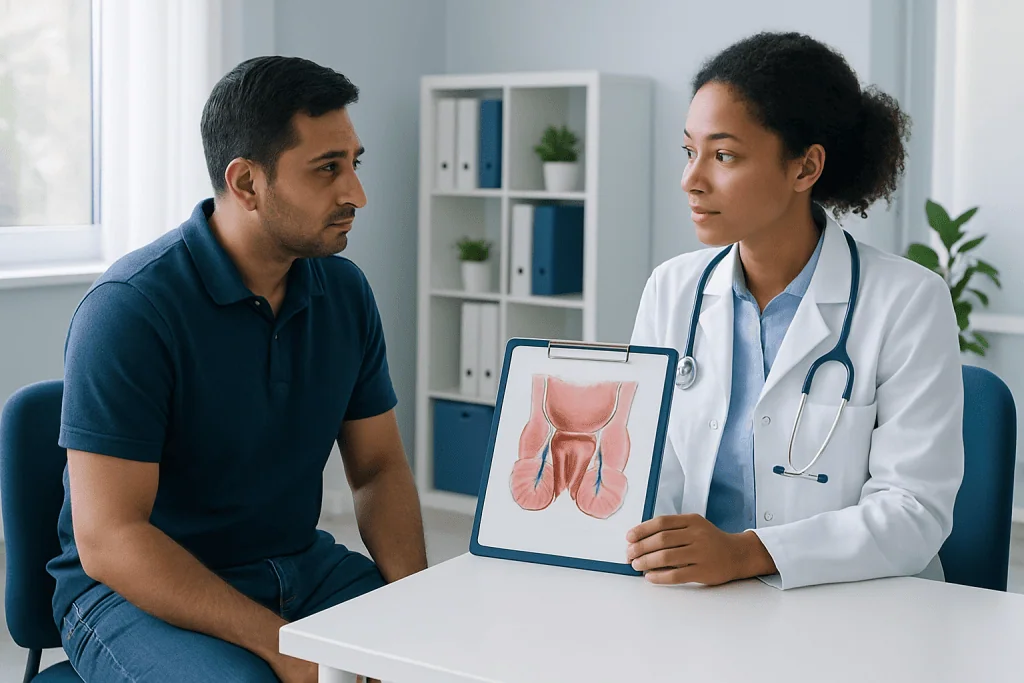
The most common cause of an anal fissure is stretching of the anal lining. This often happens when a person is constipated and passes a hard, dry, or large stool. Straining during bowel movements can increase the pressure on the area and make a tear more likely. Repeated episodes of constipation may also keep the tissue from healing.
Frequent diarrhea can also irritate the anal lining and lead to a fissure. Childbirth, anal trauma, and less commonly medical conditions that affect the bowel or immune system may play a role. A fissure that appears away from the usual midline position or keeps coming back may prompt a doctor to look for underlying causes.
Risk factors include low-fiber eating patterns, poor fluid intake, sedentary habits, and anything that leads to difficult bowel movements. Conditions such as inflammatory bowel disease may sometimes be associated with fissures, especially if there are additional digestive symptoms. When doctors consider related bowel inflammation, they may also evaluate for disorders such as Crohn’s disease if the history suggests it.
Some anorectal problems can cause similar symptoms. For example, people may confuse a fissure with hemorrhoids because both can involve pain or bleeding, but the pattern of symptoms and physical findings can differ. A proper examination helps clarify the cause and identify the best treatment.
How It Is Diagnosed
Doctors usually diagnose an anal fissure based on symptoms and a careful medical history. They often ask when the pain happens, how long it lasts, whether there is bleeding, and whether constipation or diarrhea is present. This information helps distinguish a fissure from hemorrhoids, infection, abscess, or other conditions affecting the anal area.
A gentle visual examination may show the tear. Because the area is painful, the examination is usually done carefully and may be limited at first. In straightforward cases, no complex testing is needed. If symptoms are severe, unusual, or long-lasting, further evaluation may be recommended after pain is better controlled.
Additional testing may be considered if the fissure is chronic, located in an unusual position, or associated with other warning signs such as weight loss, fever, persistent diarrhea, or significant bleeding. Depending on age and symptoms, a specialist may consider procedures that examine the lower bowel, including colonoscopy or other targeted tests, to rule out alternative causes.
Treatment Options
The first step in treatment is usually conservative care aimed at making bowel movements softer and less painful. Doctors often recommend increasing dietary fiber, drinking enough fluids, and avoiding straining on the toilet. Warm sitz baths can help relax the anal muscle and reduce discomfort, especially after bowel movements.
Medications may also be used. A doctor may suggest stool softeners or fiber supplements, as well as topical medicines to reduce pain or help the anal sphincter relax so blood flow improves and healing can occur. These treatments are commonly used for several weeks, especially for acute fissures or chronic fissures without complications.
If symptoms do not improve, other options may be discussed. In selected cases, injection treatment to relax the sphincter muscle can help a chronic fissure heal. For fissures that remain painful or repeatedly return despite medical treatment, a specialist may recommend surgery. Procedures such as surgical treatment are usually considered only after careful assessment of risks, benefits, and the person’s bowel habits and overall health.
At centers with colorectal and digestive expertise, evaluation may involve specialists in gastroenterology and surgery working together. Near the end of the care pathway, Acibadem International’s multidisciplinary specialists and JCI-accredited hospitals also diagnose and treat anal fissures for international patients when advanced assessment or treatment is needed.
Prevention and Self-Care
Preventing an anal fissure often focuses on preventing constipation and reducing irritation in the anal area. Regular bowel habits, enough fiber, and staying hydrated are central. Many people benefit from fruits, vegetables, legumes, and whole grains, while introducing fiber gradually to avoid bloating.
It can also help to respond to the urge to have a bowel movement rather than delaying it. Spending long periods straining on the toilet should be avoided. Gentle cleaning after bowel movements is important, and harsh wiping or strongly perfumed products may irritate sensitive skin.
Simple self-care can support healing and comfort:
- Drink enough water unless a doctor has advised fluid restriction
- Eat fiber-rich foods or use fiber supplements if recommended
- Take warm sitz baths for 10 to 15 minutes
- Stay physically active to support bowel regularity
- Avoid self-treating ongoing bleeding without medical advice
If symptoms are not improving, it is best not to rely only on home remedies. A clinician can confirm the diagnosis and suggest treatments that are appropriate for the cause and duration of symptoms.
When to See a Doctor
Medical advice is important if anal pain is severe, if bleeding keeps happening, or if symptoms last more than a few weeks. Although an anal fissure is a common explanation for these symptoms, other conditions can also cause rectal pain or bleeding. A doctor can confirm the diagnosis and make sure more serious causes are not being missed.
Prompt assessment is also sensible if there is fever, drainage, swelling, weight loss, changes in bowel habits, or a history of inflammatory bowel disease. These features may suggest another problem that needs different treatment. Recurrent fissures, fissures in unusual locations, or symptoms that interfere with eating, sleep, or daily activities also deserve specialist review.
People should seek urgent care if bleeding is heavy, if there is severe worsening pain with swelling, or if they feel faint or unwell. Even when symptoms seem typical of a fissure, a qualified clinician can provide reassurance, pain relief, and a plan to help the area heal properly.
Frequently asked questions
Can an anal fissure heal on its own?
Yes, many acute anal fissures heal with simple care such as improving stool softness, drinking enough fluids, and taking warm baths. If symptoms continue beyond a few weeks or keep coming back, a doctor should assess the area and discuss other treatment options.
How is an anal fissure different from hemorrhoids?
Both can cause bright red bleeding, but an anal fissure usually causes sharp pain during bowel movements and burning afterward. Hemorrhoids may cause bleeding, itching, swelling, or discomfort, but the pattern of pain is often different. A medical examination can distinguish between them.
What foods help with anal fissure recovery?
Foods that support soft, regular bowel movements are usually most helpful. These include fruits, vegetables, legumes, and whole grains, along with enough water. It is often best to increase fiber gradually to reduce bloating or gas.
Is surgery always needed for an anal fissure?
No, surgery is not always needed. Many fissures improve with self-care and medical treatments that reduce constipation and relax the anal muscle. Surgery is generally considered for chronic fissures that do not heal with other treatments.
Why does an anal fissure cause so much pain?
The anal area contains many sensitive nerves, so even a small tear can be very painful. Pain may also trigger spasm of the surrounding muscle, which can worsen discomfort and slow healing. This is one reason treatment focuses on both pain relief and relaxation of the area.
When should rectal bleeding be checked by a doctor?
Any ongoing or unexplained rectal bleeding should be discussed with a doctor, even if the amount is small. Immediate medical attention is important if bleeding is heavy, if there is dizziness or weakness, or if bleeding happens together with severe pain, fever, or changes in bowel habits.
References
- National Institute of Diabetes and Digestive and Kidney Diseases
- American Society of Colon and Rectal Surgeons
- Mayo Clinic
- National Health Service
- Merck Manual Consumer Version
This article is for general information only and is not a substitute for professional medical advice. Please consult a qualified doctor about your individual situation.
Persistent digestive symptoms? Get evaluated in Turkey
JCI-accredited · board-certified surgeons · reply within 24h
Add us as a Preferred Source to see more of our trusted health content across Google Search, AI Overviews and Discover.