Endoscopy Preparation: Fasting, Medicines, and Day-of-Test Tips

Fasting is important because food or liquid in the stomach can affect safety and test accuracy. Medicine instructions vary, especially for blood thinners, diabetes medicines, and supplements.
Key Takeaways
- Fasting is important because food or liquid in the stomach can affect safety and test accuracy.
- Medicine instructions vary, especially for blood thinners, diabetes medicines, and supplements.
- If sedation is planned, patients usually need someone to take them home.
- Following the endoscopy unit’s written instructions is the best guide because timing can differ by test type.
- Patients should contact their doctor ahead of time if they are pregnant, have major medical conditions, or develop a new illness before the test.
Endoscopy preparation helps make the test safer, clearer, and more comfortable. Most people need to fast, review their medicines with their doctor, and follow a few simple day-of-test instructions.
Overview
Endoscopy preparation refers to the steps a person takes before an endoscopy so the procedure can be performed safely and effectively. An endoscopy allows a doctor to look inside the digestive tract using a thin flexible tube with a camera. Depending on the reason for the test, this may include an upper endoscopy to examine the esophagus, stomach, and first part of the small intestine.
Preparation often includes fasting for a certain number of hours, adjusting some medicines, and planning for the day of the procedure. The exact instructions can vary based on the type of endoscopy, whether sedation will be used, and a person’s overall health. Because practices differ between hospitals and doctors, the written instructions from the treating team should always be followed closely.
Good preparation matters for two main reasons. First, it helps reduce risks such as vomiting or breathing in stomach contents during sedation. Second, it helps the doctor get a clear view of the digestive tract, which improves the chance of identifying inflammation, ulcers, bleeding, or other concerns.
Why Fasting Matters Before Endoscopy
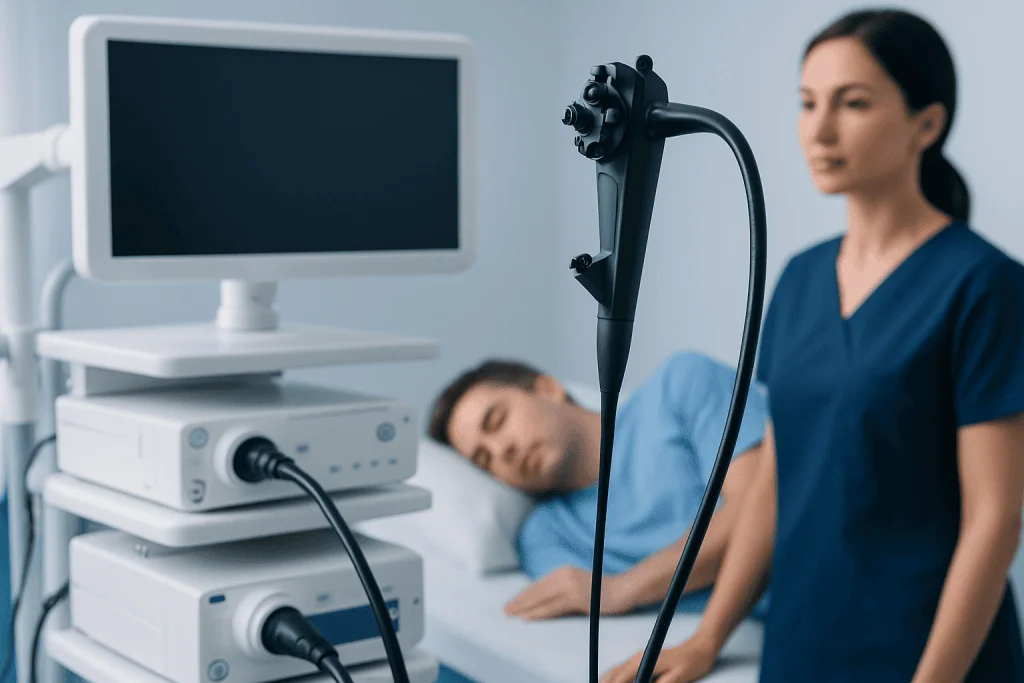
Fasting before endoscopy is one of the most important parts of preparation. During an upper endoscopy, the stomach should be as empty as possible. Food and liquid left in the stomach can block the view and may increase the risk of aspiration, which means stomach contents entering the lungs during sedation.
Many patients are asked to stop eating solid food several hours before the procedure and to stop drinking liquids after a certain cutoff time. Some centers may allow clear liquids up to a limited time before the test, while others may use different schedules depending on the appointment time and the person’s medical history. This is why individual instructions may differ.
Clear liquids, when allowed, usually mean transparent fluids without pulp or dairy. Examples can include water, certain clear broths, or plain tea without milk, but patients should only drink what their care team specifically permits. Alcohol is not appropriate before the test, and chewing gum or sucking sweets may also be restricted because they can stimulate stomach secretions.
If a person accidentally eats or drinks too close to the procedure time, it is important to tell the endoscopy team. In some cases, the test may need to be delayed or rescheduled for safety. Although this can feel inconvenient, protecting the airway and ensuring an accurate examination come first.
Medicines to Review Before the Test
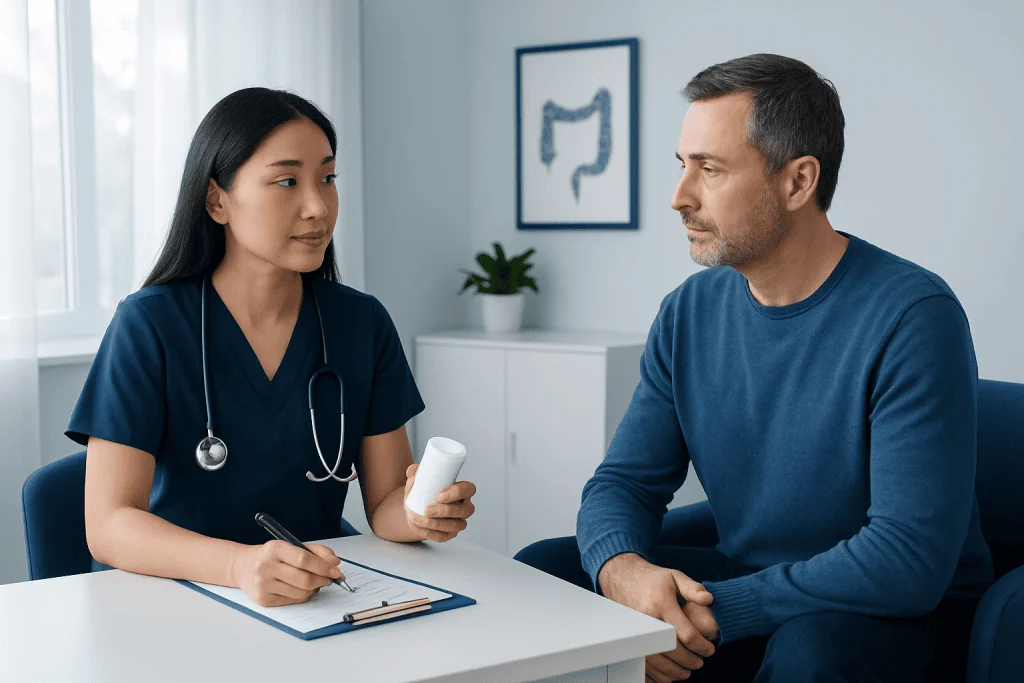
Patients should review all prescription medicines, over-the-counter products, vitamins, and herbal supplements before an endoscopy. This is especially important because some medicines can affect bleeding risk, blood sugar, blood pressure, or the safety of sedation. The doctor may advise continuing many regular medicines, but some may need to be adjusted temporarily.
Blood thinners and antiplatelet medicines deserve special attention. These medicines are often important for heart, stroke, or clotting conditions, so they should never be stopped without medical advice. If the endoscopy may include a biopsy or removal of a growth, the doctor may coordinate the safest plan with the physician who prescribed the blood thinner.
Diabetes medicines may also need changes because fasting can affect blood sugar levels. Insulin and some oral diabetes medicines may require different timing on the day before or the day of the procedure. Patients with diabetes should ask for specific instructions well in advance and should tell the team if they are prone to low blood sugar.
Iron tablets, some supplements, and nonsteroidal anti-inflammatory drugs may also need discussion. To avoid confusion, it helps to bring an up-to-date medicine list, including allergies and details of any implanted devices or major health conditions. If the procedure is part of evaluation by a gastroenterology team, medicine planning is usually reviewed during scheduling or pre-assessment.
What to Tell the Doctor in Advance
Before endoscopy, patients should let the medical team know about any current or past health conditions that might affect preparation or sedation. This includes heart or lung disease, sleep apnea, kidney disease, liver disease, swallowing problems, prior reactions to anesthesia or sedation, and any history of bleeding disorders. Even if a condition seems unrelated, it may influence planning.
Pregnancy should always be mentioned, as should the possibility of being pregnant. Patients should also report if they have dentures, loose teeth, severe reflux, recent vomiting, or difficulty lying flat. These details can help the team take extra precautions during the procedure.
Any recent illness is important to mention, especially fever, cough, chest infection, vomiting, or diarrhea. If a person develops new symptoms shortly before the appointment, the team can decide whether it is still safe to proceed. This may be particularly relevant if the endoscopy is being arranged to investigate symptoms such as persistent upper abdominal pain or gastritis-like discomfort.
Patients should also discuss whether they will receive sedation or whether the procedure might be done with throat numbing spray alone. Knowing this in advance helps with planning for work, travel, and recovery time.
Day-of-Test Tips
On the day of the procedure, patients should arrive on time and follow the fasting and medicine instructions exactly. Comfortable, loose-fitting clothing is usually the easiest choice. It is often helpful to leave jewelry and valuables at home and to bring identification, insurance or hospital documents, and a list of current medicines.
If sedation is planned, patients should not drive themselves home afterward. Most centers require a responsible adult to accompany the patient or to collect them after discharge. Sedation can affect judgment, coordination, and reaction time for the rest of the day, even if the person feels fairly normal soon afterward.
Some endoscopy units may ask patients not to wear nail polish, contact lenses, or heavy makeup, particularly if monitoring equipment will be used. Dentures, glasses, and hearing aids may need to be removed just before the test, depending on the situation. The team will explain what to expect and answer last-minute questions before the procedure begins.
Patients who are having an upper endoscopy may be offered local throat spray and sedation, depending on the plan. The examination itself is usually brief. If the test is being done as part of a broader assessment of symptoms such as reflux, ulcers, or trouble swallowing, the doctor may take small tissue samples for biopsy if needed. In some cases, this may be part of care coordinated through endoscopy services.
What Happens After the Procedure
After endoscopy, patients usually spend some time in a recovery area while the effects of sedation wear off. Mild throat soreness, bloating, or burping can happen for a short time, especially after an upper endoscopy. These symptoms often improve within hours.
The medical team will explain when it is safe to eat and drink again. Some people can return to a normal diet fairly soon, while others may need to start with fluids or soft foods depending on what was done during the test. If biopsies were taken or treatment was performed, additional instructions may be given.
Because sedatives can remain in the system for several hours, patients are usually advised to rest and avoid driving, signing important documents, drinking alcohol, or operating machinery until the next day or until their doctor says it is safe. Returning to work the same day may not be appropriate for many people who receive sedation.
Results may be discussed right away if the doctor sees visible findings during the procedure. However, biopsy results usually take longer. If the test was performed to evaluate symptoms related to conditions such as reflux or unexplained discomfort, the follow-up plan may include medicines, dietary changes, or further testing depending on the findings.
Possible Risks and Warning Signs After Endoscopy
Endoscopy is generally considered a safe procedure when performed by trained professionals, but like any medical test, it carries some risks. Common short-term effects include mild throat irritation, temporary bloating, or drowsiness from sedation. More serious complications are uncommon but can include bleeding, infection, medication reactions, or injury to the digestive tract.
Patients should seek medical advice promptly if they develop severe or worsening abdominal or chest pain, vomiting that does not stop, vomiting blood, black stools, trouble breathing, high fever, or difficulty swallowing that becomes worse after the procedure. These symptoms do not always mean a serious problem, but they should not be ignored.
It is also important to ask whom to contact after discharge if a concern arises outside regular office hours. Keeping the discharge paperwork nearby can be helpful. A clear plan for follow-up supports a safer recovery and reduces unnecessary worry.
For international patients or those needing coordinated digestive care, Acibadem International’s multidisciplinary specialists and JCI-accredited hospitals diagnose and treat digestive conditions, including those that may require endoscopic evaluation.
How to Prepare Smoothly and Reduce Stress
Many people feel nervous before an endoscopy, especially if it is their first one. Practical planning can make the experience easier. Reading the instructions a few days ahead, setting reminders for fasting times, and arranging transportation in advance can reduce last-minute stress.
It may help to write down questions before the appointment. Common questions include whether regular morning medicines should be taken, when normal eating can resume, and how long the recovery will take. Patients with ongoing symptoms such as indigestion or suspected ulcers may also ask whether evaluation for stomach ulcer or related conditions is planned.
A simple checklist can be useful:
- Confirm the fasting start time and any clear-liquid rules.
- Review all medicines with the doctor or endoscopy unit.
- Arrange for an adult companion if sedation is expected.
- Bring medical documents, medicine list, and allergy information.
- Call ahead if new illness or unexpected problems arise.
When patients understand what to expect, the procedure often feels more manageable. If there is uncertainty about any instruction, it is always best to ask the healthcare team rather than guess.
Frequently asked questions
How long should someone fast before an endoscopy?
The fasting period depends on the type of endoscopy, the timing of the appointment, and whether sedation will be used. Many patients need to stop solid food several hours before the test and stop liquids after a certain time. The safest approach is to follow the exact written instructions from the endoscopy unit.
Can regular medicines be taken before an endoscopy?
Many regular medicines can still be taken, but some need special instructions. Blood thinners, diabetes medicines, iron supplements, and certain pain relievers often need review before the procedure. Patients should ask their doctor or endoscopy team for personalized guidance rather than stopping medicines on their own.
Is it okay to drink water before an endoscopy?
Sometimes small amounts of clear liquids are allowed until a set time before the test, but this varies by hospital and procedure type. Water may be permitted in some cases and restricted in others. Patients should follow the timing given by their own medical team.
Will someone need a ride home after the procedure?
If sedation is used, most patients will need another adult to take them home. Sedation can affect alertness, coordination, and decision-making for several hours. Even if the person feels awake, driving is usually not considered safe the same day.
What should someone wear on the day of the test?
Comfortable, loose clothing is usually best. It is also helpful to avoid bringing valuables and to follow any instructions about jewelry, dentures, contact lenses, or nail polish. The endoscopy team will guide the patient on what needs to be removed just before the procedure.
What symptoms after endoscopy should prompt urgent medical advice?
Urgent medical advice is important for severe chest or abdominal pain, trouble breathing, persistent vomiting, fever, vomiting blood, or black stools. These symptoms are uncommon, but they can signal a complication. Patients should use the contact information provided by the endoscopy unit or seek emergency care if symptoms are severe.
References
- American Society for Gastrointestinal Endoscopy
- National Institute of Diabetes and Digestive and Kidney Diseases
- National Health Service
- Mayo Clinic
- Cleveland Clinic
This article is for general information only and is not a substitute for professional medical advice. Please consult a qualified doctor about your individual situation.
Persistent digestive symptoms? Get evaluated in Turkey
JCI-accredited · board-certified surgeons · reply within 24h
Add us as a Preferred Source to see more of our trusted health content across Google Search, AI Overviews and Discover.
Check your numbers in seconds
BMI, calories, due date, blood pressure and 30+ more clinical calculators — free, instant, doctor-reviewed ranges.