

Endoscopy Risks: Sedation, Sore Throat, and Rare Complications
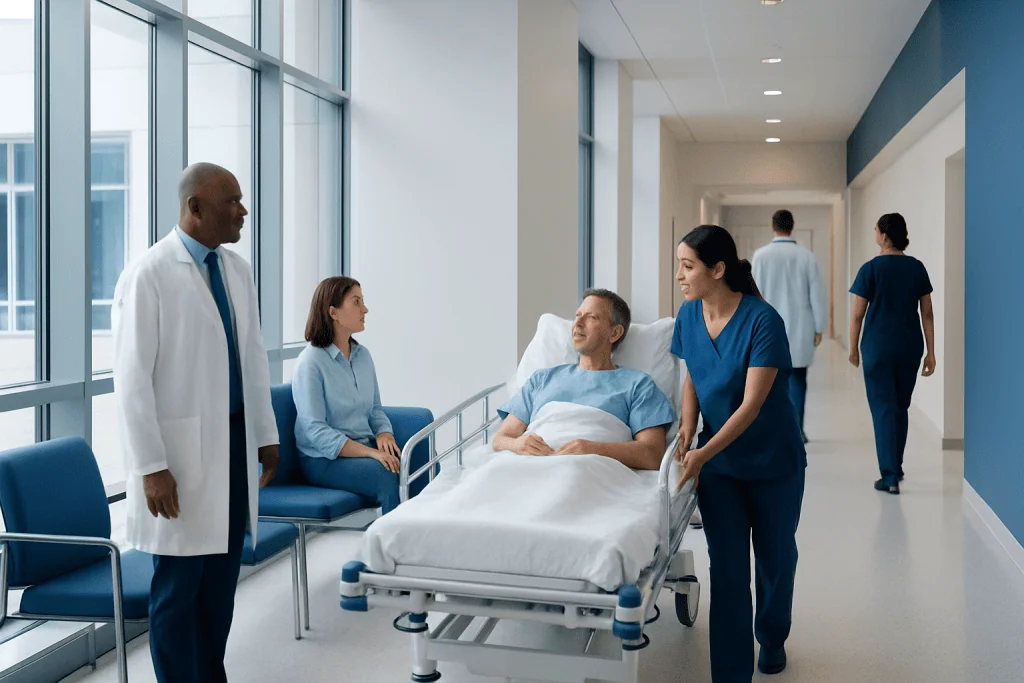
Most endoscopy side effects are mild, including bloating, temporary sore throat, and sleepiness after sedation. Serious complications such as bleeding, infection, or perforation are uncommon but can occur.
Key Takeaways
- Most endoscopy side effects are mild, including bloating, temporary sore throat, and sleepiness after sedation.
- Serious complications such as bleeding, infection, or perforation are uncommon but can occur.
- A patient’s medical history, medications, and the type of procedure can affect endoscopy risks.
- Following preparation and aftercare instructions can help reduce complications.
- Urgent symptoms after endoscopy include chest pain, severe abdominal pain, fever, vomiting blood, or black stools.
Endoscopy is generally a safe and commonly performed procedure, and most side effects are mild, short-lived, and manageable. Understanding possible risks, from temporary throat discomfort to rare complications, can help patients prepare and know when to seek medical advice.
Overview: How Safe Is Endoscopy?
Endoscopy is a medical procedure that allows a doctor to look inside the body using a thin, flexible tube with a light and camera. In digestive care, upper endoscopy is often used to examine the esophagus, stomach, and first part of the small intestine. It can help investigate symptoms such as swallowing difficulty, upper abdominal pain, reflux, bleeding, or unexplained nausea.
For most people, endoscopy is considered very safe. It is performed routinely in hospitals and endoscopy units by trained specialists. Many patients have only mild after-effects, such as a temporary sore throat, bloating, or drowsiness related to sedation. These symptoms often improve within hours or by the next day.
Even though endoscopy is low risk overall, no medical procedure is entirely without risk. Rare complications can include bleeding, reactions to sedative medicines, infection, or a tear in the digestive tract. Understanding these possibilities can make the experience less stressful and help patients recognize what is normal recovery and what needs medical attention.
Common Side Effects After Endoscopy
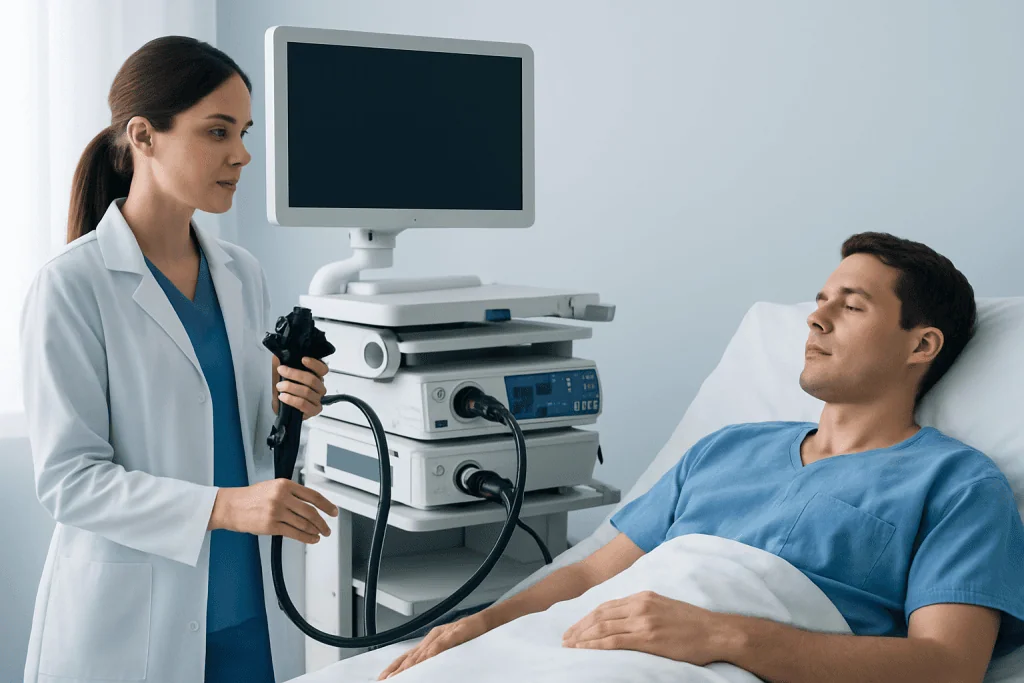
The most common side effects after an upper endoscopy are mild and temporary. A sore throat is especially common because the scope passes through the mouth and throat. Patients may also notice mild hoarseness, a feeling of dryness, or slight discomfort when swallowing. These symptoms usually settle with time, fluids, and rest.
Bloating, burping, or a sense of fullness can happen because air or carbon dioxide may be used during the procedure to improve visibility. Some people also feel sleepy, foggy, or less coordinated for several hours if they received sedation. Because of this, patients are typically advised not to drive, sign important documents, or return to demanding tasks on the same day.
Other minor effects may include:
- Mild nausea
- Temporary cramping
- A brief cough or throat irritation
- Tenderness at the IV site
- Fatigue for the rest of the day
These effects are usually expected and not a sign of a serious problem. However, if symptoms worsen instead of improving, it is important to contact a healthcare professional.
Sedation Risks and Medication Reactions
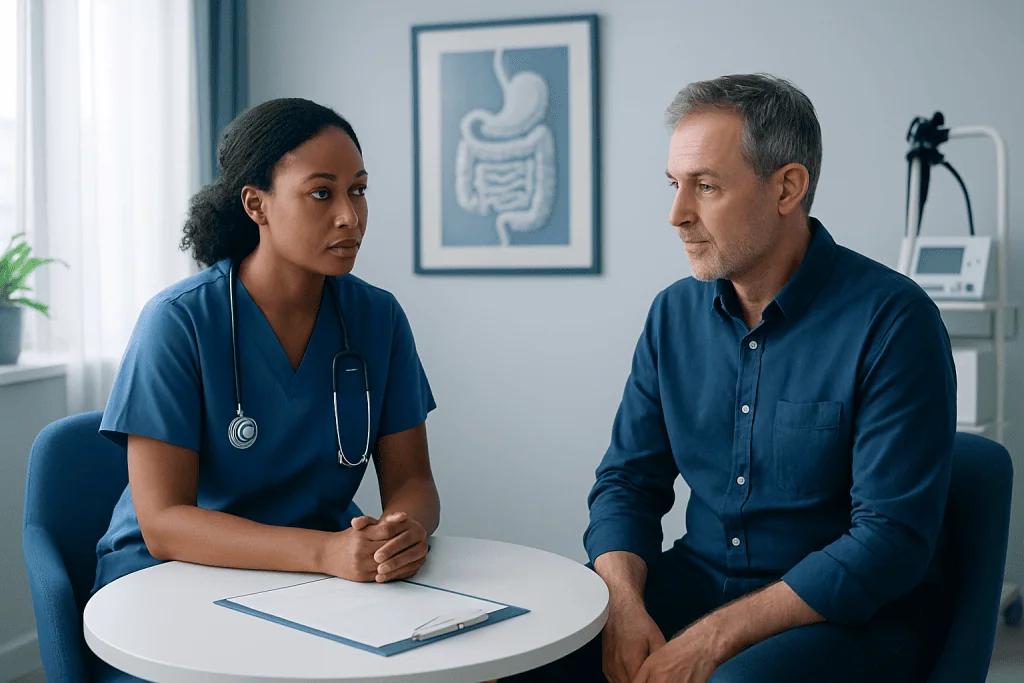
Many endoscopies are done with sedation to help the patient feel relaxed and comfortable. Sedation can range from light drowsiness to deeper medication-assisted sleep, depending on the procedure, the patient’s health, and the medical team’s approach. In some cases, the throat may also be numbed with a local anesthetic spray.
Most sedation-related effects are mild. Common examples include sleepiness, slower reaction time, dizziness, nausea, and temporary memory gaps about the procedure. These usually wear off gradually. For safety, patients need someone to accompany them home if sedatives were used.
Less commonly, sedative medications can affect breathing, blood pressure, or heart rhythm. This risk may be higher in older adults and in people with lung disease, heart disease, sleep apnea, obesity, or certain neurological conditions. That is why the team reviews medical history carefully and monitors oxygen levels, pulse, and blood pressure during the procedure.
Patients should always tell the care team about allergies, past anesthesia reactions, alcohol use, pregnancy, and all medicines or supplements they take. This includes blood thinners, diabetes medications, and sedatives. Sharing accurate information helps the team lower the chance of medication-related complications.
Rare but Serious Complications
Although uncommon, some endoscopy complications require prompt recognition and treatment. One possible complication is bleeding. This is more likely if a biopsy is taken or if a therapeutic procedure is performed, such as removing a polyp, widening a narrowed area, or treating a bleeding source. Mild spotting may be expected in some situations, but heavier bleeding is not normal.
Another rare complication is perforation, which means a tear in the wall of the esophagus, stomach, or intestine. This can happen during diagnostic or therapeutic endoscopy, though it is uncommon. A perforation may cause severe pain, fever, difficulty swallowing, shortness of breath, or a rigid, tender abdomen, and it needs urgent medical evaluation.
Infection is less common in routine upper endoscopy because the instruments are carefully disinfected and sterilized according to strict protocols. However, infection risk can be higher in certain specialized procedures or in patients with specific underlying conditions. Aspiration, where stomach contents enter the lungs, is another uncommon risk, especially if fasting instructions are not followed or if swallowing and airway reflexes are impaired.
Some patients undergoing endoscopy are being evaluated or treated for conditions such as gastroesophageal reflux disease, ulcers, or swallowing disorders. In more advanced digestive procedures, therapies may involve techniques related to endoscopic submucosal dissection or peroral endoscopic myotomy, where the risk profile can differ from standard diagnostic endoscopy. The treating specialist explains the specific benefits and risks before the procedure.
Who May Have a Higher Risk?
Endoscopy risks are not the same for everyone. A person’s overall health, age, and the reason for the procedure all play a role. Someone having a simple diagnostic exam may face fewer risks than a person having an endoscopic treatment, tissue removal, or a procedure for active bleeding.
Certain health factors can increase the chance of complications. These include significant heart or lung disease, obstructive sleep apnea, bleeding disorders, liver disease, advanced age, poor general health, and a history of difficult reactions to anesthesia or sedation. Patients who take anticoagulants, antiplatelet drugs, anti-inflammatory medicines, or insulin may need special guidance before the procedure.
Previous surgery in the digestive tract, known narrowing of the esophagus, active infection, or severe inflammation may also make an endoscopy more complex. In some cases, patients with problems such as achalasia or other motility disorders need specialized planning. The doctor balances the need for diagnosis or treatment with the most appropriate safety measures.
A pre-procedure assessment is an important step in lowering risk. This may include reviewing symptoms, medical history, medications, allergies, and prior test results. Clear communication helps the healthcare team tailor sedation, timing, and aftercare to the patient’s needs.
How Doctors Reduce Endoscopy Risks
Several safety steps are built into modern endoscopy care. Before the procedure, patients receive instructions about fasting, medication changes, and transportation after sedation. Following these directions carefully helps lower the risk of aspiration, medication problems, and delayed recovery.
During endoscopy, the patient is monitored closely. The medical team tracks breathing, oxygen levels, heart rate, and blood pressure. The procedure is done with sterilized equipment and established infection-control practices. If biopsies or treatments are needed, the doctor uses techniques designed to minimize injury and bleeding while still obtaining the needed information.
Afterward, recovery staff observe the patient until they are alert and stable. Written discharge instructions explain what to eat, when to restart usual medicines, and which symptoms are expected. Patients are also told which warning signs should prompt a call or urgent medical review.
For people who need advanced diagnostics or treatment, endoscopy may be combined with other specialized procedures such as endoscopic retrograde cholangiopancreatography when clinically appropriate. In experienced centers, multidisciplinary teams work together to choose the safest and most effective approach for each case.
Recovery, Self-Care, and Warning Signs
Most patients recover quickly after an uncomplicated endoscopy. It is common to rest at home, drink fluids once swallowing is comfortable, and begin with light foods if advised by the doctor. A soft diet may feel more comfortable if the throat is irritated. Lozenges, warm drinks, and avoiding smoking can also help ease a sore throat.
Because sedatives can affect alertness for several hours, patients should avoid driving, alcohol, strenuous exercise, and important decisions until the medical team says it is safe. Any medicine changes should follow the discharge plan. If a biopsy was taken or a treatment was performed, extra aftercare instructions may be given.
Patients should seek urgent medical help if they develop:
- Severe or worsening chest, throat, or abdominal pain
- Difficulty breathing
- Fever or chills
- Persistent vomiting
- Vomiting blood or material that looks like coffee grounds
- Black, tarry, or bloody stools
- Fainting, marked weakness, or confusion
These symptoms do not always mean a serious complication is present, but they should never be ignored. If there is uncertainty about what is normal, contacting the healthcare provider is the safest step. Near the end of the care journey, some patients may choose experienced centers such as Acibadem International, where multidisciplinary specialists in JCI-accredited hospitals evaluate and treat digestive conditions for international patients.
Frequently asked questions
Is endoscopy a high-risk procedure?
For most people, endoscopy is considered a low-risk procedure. The majority of patients have only mild temporary effects, such as throat irritation or drowsiness from sedation. Serious complications can happen, but they are uncommon.
How long does a sore throat last after endoscopy?
A sore throat after upper endoscopy often improves within a few hours to a day. Some people may notice mild irritation for a little longer, especially if the throat was already sensitive. Worsening pain, trouble swallowing, or fever should be discussed with a doctor.
What are the most common sedation side effects after endoscopy?
The most common sedation side effects are sleepiness, grogginess, dizziness, and mild nausea. Temporary forgetfulness about the procedure is also common. These effects usually wear off the same day, but patients still need to follow discharge advice carefully.
Can endoscopy cause bleeding?
Yes, bleeding is a possible complication, but it is usually uncommon in a routine diagnostic endoscopy. The risk may be higher if a biopsy is taken or a treatment is performed during the procedure. Heavy bleeding, vomiting blood, or black stools needs urgent medical attention.
What symptoms after endoscopy should never be ignored?
Severe chest or abdominal pain, shortness of breath, fever, persistent vomiting, fainting, or signs of bleeding should not be ignored. These may point to a rare but important complication. Prompt medical assessment is the safest response.
How can patients reduce endoscopy risks before the procedure?
Patients can help reduce risk by following fasting instructions, reporting all medicines and supplements, and sharing their full medical history. It is especially important to mention blood thinners, diabetes medicines, allergies, and prior reactions to sedation. Arranging a safe ride home after sedation is also essential.
References
- American Society for Gastrointestinal Endoscopy
- National Institute of Diabetes and Digestive and Kidney Diseases
- National Health Service
- Mayo Clinic
- MedlinePlus
This article is for general information only and is not a substitute for professional medical advice. Please consult a qualified doctor about your individual situation.
Persistent digestive symptoms? Get evaluated in Turkey
JCI-accredited · board-certified surgeons · reply within 24h
Add us as a Preferred Source to see more of our trusted health content across Google Search, AI Overviews and Discover.
Check your numbers in seconds
BMI, calories, due date, blood pressure and 30+ more clinical calculators — free, instant, doctor-reviewed ranges.

More from the Health Library


Related Specialists

Prof. Dr. Murat Gönenç
General Surgery
Prof. Dr. Selami Çakmak
Orthopedic Surgery & Traumatology
Dr. Elidor Agolli
Interventional Radiology
Dr. Neslihan Hot Aydın
Dermatology