Recovery After Endoscopy: Eating, Driving, and When Results Are Ready
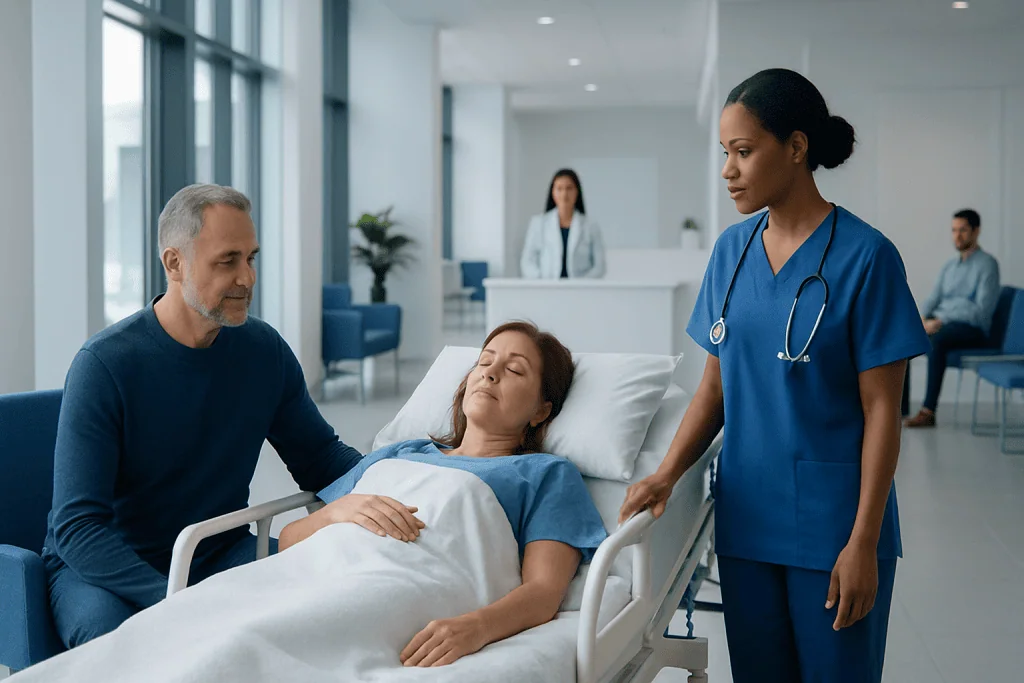
Most people recover quickly after endoscopy, especially after routine procedures. Eating after endoscopy depends on throat numbness, sedation, and whether any treatment was performed.
Key Takeaways
- Most people recover quickly after endoscopy, especially after routine procedures.
- Eating after endoscopy depends on throat numbness, sedation, and whether any treatment was performed.
- Driving is usually not safe until the next day if sedation or anesthesia was given.
- Many endoscopy findings can be discussed right away, but biopsy results usually take several days.
- Patients should seek medical advice promptly for severe pain, heavy bleeding, fever, or persistent vomiting.
Recovery after endoscopy is often straightforward, but timing for eating, driving, and returning to usual activities depends on the type of procedure and whether sedation was used. Knowing what to expect can help patients feel more comfortable and better prepared for the hours and days after the test.
Overview: What recovery after endoscopy usually looks like
Recovery after endoscopy varies from person to person, but most patients feel back to normal within a day. Endoscopy is a broad term that includes procedures used to examine the digestive tract, such as upper endoscopy and colonoscopy. Some are done with only local throat spray or minimal sedation, while others use deeper sedation, which can affect how quickly a person feels alert afterward.
Immediately after the procedure, patients are usually observed in a recovery area until they are awake, breathing comfortably, and able to drink small amounts of fluid if appropriate. Mild bloating, throat irritation, sleepiness, or cramping can happen for a short time. These effects are commonly related to the procedure itself, the air used to expand the digestive tract, or the sedative medicines.
Most routine activities can be resumed gradually, but the exact timing depends on what was done during the endoscopy. A simple diagnostic procedure often allows a quick return to normal habits, while removal of polyps, dilation, or other interventions may require extra precautions. The care team usually provides personalized written instructions before discharge.
Eating and drinking after endoscopy
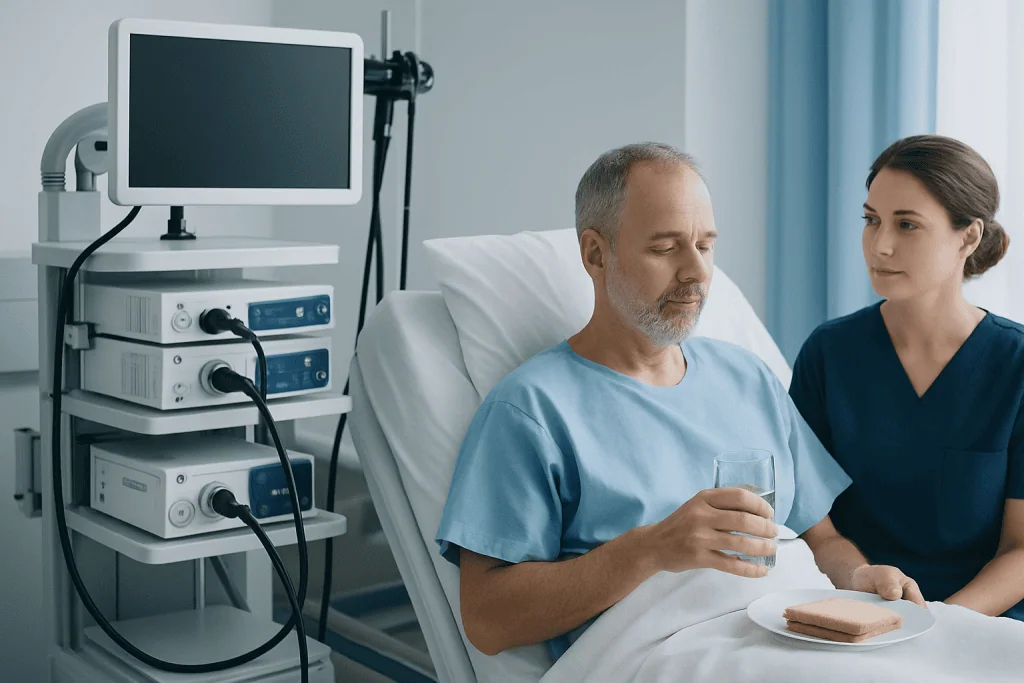
One of the most common questions is when it is safe to eat. In many cases, patients can start with small sips of water once they are fully awake and any throat numbness has worn off. After that, light foods such as soup, yogurt, toast, rice, or soft fruit are often easier to tolerate than a heavy meal.
After an upper endoscopy, a sore throat or mild nausea can make eating less appealing for a few hours. Warm liquids, cool drinks, and soft foods may feel more comfortable. Very hot foods, alcohol, and spicy or greasy meals are often best avoided on the same day, especially if the stomach feels unsettled.
After colonoscopy, many people can eat normally fairly soon, but some prefer to begin with a light meal because of temporary bloating or gas. If a biopsy was taken or a polyp was removed, the doctor may suggest avoiding certain foods for a short period. If there was treatment of a narrowed area or more complex intervention, eating instructions may be more specific and should be followed carefully.
- Start slowly with water or clear fluids if advised.
- Choose light, easy-to-digest foods at first.
- Avoid alcohol on the day of sedation.
- Follow any special instructions if tissue samples were taken or treatment was performed.
Driving, work, and returning to normal activities
Driving after endoscopy depends mainly on whether sedation or anesthesia was used. If a patient received sedative medication, judgment, coordination, and reaction time can remain reduced for the rest of the day, even if the person feels awake. For that reason, patients are generally advised not to drive, ride a bicycle, operate machinery, sign important documents, or make major decisions until the next day.
It is usually necessary to arrange for a responsible adult to accompany the patient home after a sedated endoscopy. Public transport alone or driving oneself is generally not considered safe. If no sedation was used, some people may be able to return to usual activity sooner, but they should still confirm this with their doctor because recommendations differ by procedure.
Returning to work depends on the type of job and how the patient feels. Desk work may be possible the following day for many people, while physically demanding jobs may require more time if there was discomfort or an intervention during the procedure. Rest, hydration, and a calm schedule for the remainder of the day can make recovery smoother.
Common symptoms during recovery and what is normal
Mild symptoms after endoscopy are common and often improve within hours. After an upper endoscopy, a scratchy throat, hoarseness, belching, or a feeling of fullness can happen. After colonoscopy, gas, mild cramping, and bloating are frequent because air or carbon dioxide is used during the procedure to improve visibility.
Sleepiness is also common after sedation. Some patients notice temporary poor concentration, dry mouth, or feeling chilled. These effects usually fade with time, rest, and fluids. If a biopsy was taken, there are often no noticeable symptoms, although mild discomfort may still occur depending on the site examined.
Light spotting of blood can occur after certain procedures, particularly if a polyp was removed or hemorrhoids were present, but this should be explained by the medical team. In contrast, symptoms that are severe, worsening, or unexpected should not be ignored. Understanding what was done during the procedure helps patients know which symptoms are routine and which require medical advice.
When endoscopy results are ready
Many endoscopy results are available right away. The doctor performing the procedure can often explain what was seen as soon as the patient is awake enough to understand the discussion. This may include visible inflammation, ulcers, polyps, bleeding sources, or a normal-appearing digestive tract. Because sedation can affect memory, it helps to have a family member or friend listen as well, if permitted.
Not all results are immediate. If tissue samples were taken for biopsy, they must be examined in a laboratory by a pathologist. This usually takes several days and sometimes longer, depending on the type of testing needed. Final answers about conditions such as infection, microscopic inflammation, or cell changes often depend on these pathology results.
Sometimes endoscopy is part of evaluating symptoms such as abdominal pain, reflux, trouble swallowing, anemia, or bleeding. In that setting, the findings may guide next steps, which could include medication, follow-up testing, or treatment. Patients who are being evaluated for conditions such as gastritis or colon cancer may need both the visual findings and the biopsy report before a complete plan is made.
Treatment after endoscopy and follow-up care
Endoscopy can be diagnostic, therapeutic, or both. Some patients only need reassurance and routine follow-up, while others may need medication changes or additional procedures based on the findings. For example, visible irritation in the upper digestive tract may lead to treatment for acid-related conditions, while colon polyps may need surveillance planning after removal.
If a growth was removed or a biopsy was taken, the doctor may recommend avoiding certain medicines for a period of time, depending on the patient’s health and the reason those medicines were prescribed. These instructions can differ widely, so patients should not stop regular medication unless their doctor specifically advises it. Any questions about blood thinners, diabetes medicines, or pain relievers should be clarified before leaving the clinic or hospital.
Some people undergo endoscopy as part of a broader digestive care plan. In selected cases, an endoscopic procedure may overlap with or lead to treatments such as advanced endoscopic care or, when another disease is found, referral for colon cancer treatment. Near the end of recovery and follow-up, patients may also be referred for management of related issues such as reflux treatment if symptoms and findings support it.
For international patients who need coordinated digestive evaluation, Acibadem International offers diagnosis and treatment through multidisciplinary specialists at JCI-accredited hospitals. Follow-up planning remains an important part of care, especially when biopsy results or repeat procedures are needed.
Self-care tips for a smoother recovery
Simple self-care measures can make the first 24 hours easier. Resting at home, drinking enough fluid, and avoiding large or heavy meals can help settle the stomach. If the throat is sore after upper endoscopy, soft foods and warm liquids may be soothing once swallowing feels normal again.
Patients should take medicines exactly as instructed after the procedure. It is sensible to avoid alcohol, strenuous exercise, and demanding tasks on the day of sedation. If bloating or gas is present after colonoscopy, gentle walking may help the body pass trapped air more comfortably.
Written discharge instructions are especially important because memory may be limited after sedation. Keeping a note of what was eaten, any symptoms, and when bowel movements return to normal can be useful, particularly if the patient has questions later. If there are special restrictions after polyp removal or another intervention, those directions should take priority over general advice.
When to call a doctor after endoscopy
Most recovery symptoms are mild, but certain warning signs should be reviewed promptly by a healthcare professional. Severe or increasing abdominal pain, persistent vomiting, fever, trouble breathing, chest pain, or difficulty swallowing that gets worse are not expected recovery symptoms. Heavy rectal bleeding, black stools, dizziness, or fainting also need urgent medical attention.
Patients should also contact their doctor if they cannot keep fluids down, if the abdomen becomes very swollen and painful, or if a sore throat is severe rather than improving. The risk of complications is low after routine endoscopy, but early assessment is important when symptoms are concerning. It is always better to ask than to wait in uncertainty.
If the care team gave procedure-specific instructions, those should guide the decision about when to call. Some people are told to expect minor spotting after a biopsy or mild cramping after colonoscopy, while others may need closer monitoring because of age, other illnesses, or a more complex procedure. Personalized advice from the treating doctor remains the safest guide.
Frequently asked questions
How long does it take to recover after endoscopy?
Many people feel mostly normal by the next day, and some recover within a few hours. Recovery can take longer if sedation was used or if treatment such as biopsy, polyp removal, or dilation was performed.
Can a patient eat right after an endoscopy?
Often yes, but the timing depends on the type of endoscopy and whether the throat was numbed or sedation was given. It is usually best to start with small amounts of fluid and light food, then return to a normal diet as tolerated unless the doctor advises otherwise.
Why is driving not allowed after a sedated endoscopy?
Sedative medicines can affect alertness, judgment, coordination, and reaction time for the rest of the day. Even if the patient feels awake, it may not be safe to drive or operate machinery until the next day.
Are endoscopy results available immediately?
Visible findings are often discussed soon after the procedure once the patient is awake. However, biopsy or tissue sample results usually take several days because they must be examined in a laboratory.
Is it normal to have pain or bloating after endoscopy?
Mild bloating, gas, cramping, throat irritation, or sleepiness can be normal for a short time after endoscopy. Severe pain, worsening symptoms, fever, heavy bleeding, or ongoing vomiting are not typical and should be assessed promptly.
When can a patient return to work after endoscopy?
Many people return to work the next day after a routine procedure, especially if their job is not physically demanding. If sedation was used, the day of the procedure should usually be reserved for rest, and some patients may need longer depending on the intervention and how they feel.
References
- American Society for Gastrointestinal Endoscopy
- National Institute of Diabetes and Digestive and Kidney Diseases
- National Health Service
- Mayo Clinic
- MedlinePlus
This article is for general information only and is not a substitute for professional medical advice. Please consult a qualified doctor about your individual situation.
Persistent digestive symptoms? Get evaluated in Turkey
JCI-accredited · board-certified surgeons · reply within 24h
Add us as a Preferred Source to see more of our trusted health content across Google Search, AI Overviews and Discover.

More from the Health Library
Related Specialists

Prof. Dr. Funda Vesile Çorapcıoğlu
Pediatric Hematology & Oncology
Dr. Sezgi Güllü Erciyestepe
Gynecology & Obstetrics
Prof. Dr. İnan Anaforoğlu
Endocrinology
Gizem Karaoğlan
Physical Medicine & Rehabilitation