Ureteroscopy for Kidney Stones: What Happens and How Recovery Usually Goes

Ureteroscopy treats stones without any external incision by passing a thin scope through the urinary tract. Doctors may remove the stone directly or break it into smaller pieces with a laser.
Key Takeaways
- Ureteroscopy treats stones without any external incision by passing a thin scope through the urinary tract.
- Doctors may remove the stone directly or break it into smaller pieces with a laser.
- A temporary ureteral stent is often placed to help urine drain and reduce swelling after treatment.
- Mild burning with urination, blood in the urine, and discomfort for a few days can be normal during recovery.
- Patients should seek medical advice promptly for fever, severe pain, heavy bleeding, or trouble passing urine.
Ureteroscopy for kidney stones is a common minimally invasive treatment used when a stone is unlikely to pass on its own or is causing pain, blockage, or infection risk. Understanding how the procedure is done and what recovery usually involves can help patients feel more prepared and reassured.
Overview: What ureteroscopy for kidney stones means
Ureteroscopy for kidney stones is a procedure used to find, break, and remove stones located in the ureter or kidney. The ureter is the tube that carries urine from the kidney to the bladder. During ureteroscopy, a doctor passes a very thin telescope-like instrument through the urethra and bladder, then into the ureter, so there is usually no cut on the skin.
This approach is often recommended when a stone is too large to pass comfortably, causes ongoing pain, blocks urine flow, or may increase the risk of infection or kidney damage. It may also be used when other approaches are less suitable because of the stone’s location, the patient’s anatomy, pregnancy considerations, or a need for quicker relief.
Modern ureteroscopy is commonly paired with laser lithotripsy, which means a laser is used to break the stone into smaller fragments. Some pieces may be removed with a tiny basket, while smaller fragments may be left to pass naturally in the urine. In many cases, ureteroscopy is part of a broader plan for managing kidney stones and reducing the chance of future stone formation.
When doctors recommend it
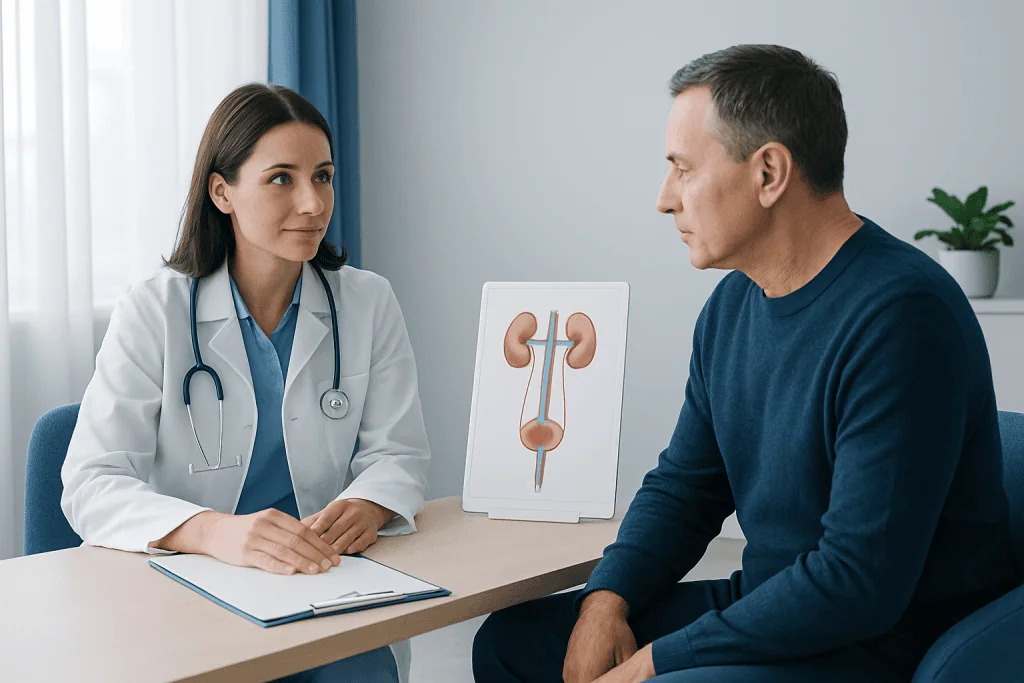
Not every kidney stone needs a procedure. Small stones sometimes pass on their own with fluids, pain control, and time. However, ureteroscopy may be advised when a stone is unlikely to pass, symptoms are difficult to control, or there are signs that the stone is affecting kidney function.
Doctors commonly consider ureteroscopy when a person has repeated severe pain, nausea, blood in the urine, blockage seen on imaging, or recurrent emergency visits. It may also be a good option if a stone has stayed in place for too long or if faster stone clearance is preferred for work, travel, or medical reasons.
Ureteroscopy is often used for stones in the lower or middle ureter, but flexible instruments can also reach many stones inside the kidney. Depending on the individual case, the urology team may compare it with other kidney stone treatment options, such as shock wave therapy or percutaneous procedures, before recommending the best approach.
What happens before and during the procedure
Before ureteroscopy, the medical team usually reviews symptoms, medical history, allergies, current medicines, and any past urinary tract problems. Blood tests, urine tests, and imaging such as ultrasound or CT may be used to confirm the stone’s size and location. If there is a urinary infection, that is usually treated before the procedure whenever possible.
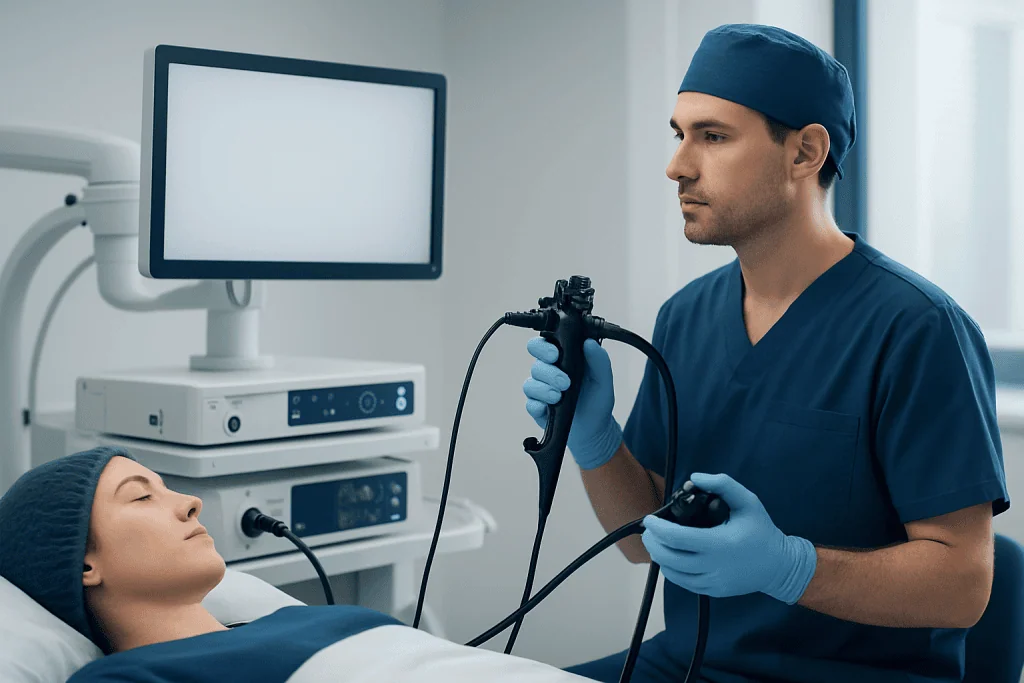
Ureteroscopy is generally performed under anesthesia, so the patient does not feel the scope moving through the urinary tract. Once the scope reaches the stone, the doctor may either remove it with a tiny basket or break it into smaller pieces using laser energy. A temporary ureteral stent, a soft thin tube placed inside the ureter, is often inserted at the end to help urine drain and to reduce swelling while the area heals.
The procedure length varies depending on the stone’s size, hardness, and position. Many people go home the same day, although some stay longer for observation if they have significant pain, infection concerns, other health conditions, or a more complex stone burden. The urologist may also discuss whether the stent will need office removal later or whether it can be removed in another simple way, depending on the stent type.
How recovery usually goes
Recovery after ureteroscopy is often fairly quick, but it is normal to have some temporary symptoms. Many people notice mild burning when urinating, a more frequent urge to pass urine, light blood in the urine, or discomfort in the bladder, lower abdomen, side, or back for a few days. These symptoms can be more noticeable if a stent is in place.
A ureteral stent can cause pressure, urinary urgency, or a pulling sensation, especially during urination or physical activity. Although uncomfortable, these sensations are usually temporary and improve once the stent is removed. The doctor may suggest rest, good hydration, and medicines to ease pain or bladder spasms during this period.
People can often return to light daily activities within a short time, but strenuous exercise, heavy lifting, and long travel may need to wait until symptoms settle and the doctor agrees. Passing tiny stone fragments for several days can be part of normal recovery. If the treatment was more extensive or if there were multiple stones, full recovery may take a little longer.
Follow-up is important because the team may want to confirm that the urinary tract is draining well and that the stone has been fully treated. Some patients are asked to strain the urine to collect fragments for analysis, which can help identify the stone type and guide prevention. In centers experienced in ureteroscopy, aftercare is usually tailored to the stone burden, stent use, and the patient’s comfort.
Benefits, limits, and possible risks
One of the main benefits of ureteroscopy is that it is minimally invasive and can directly treat stones without an external incision. It allows the doctor to see the stone, treat it precisely, and often clear it in one session. It can also be helpful for stones that are difficult to target with shock wave treatment or that are located lower in the urinary tract.
Like any procedure, ureteroscopy has limits and risks. In some cases, not all fragments can be removed in one sitting, and a second procedure may be needed. This is more likely with larger, harder, or multiple stones, or when access to the stone is challenging.
Possible complications include infection, bleeding, pain, nausea from anesthesia, temporary difficulty urinating, or irritation from the stent. Less commonly, the ureter can be scratched, swollen, or injured, which may require additional treatment. These risks are carefully weighed against the benefits of relieving obstruction and preventing further problems from the stone.
Prevention and self-care after stone treatment
Treating the current stone is only one part of care. Many people who form one kidney stone are at risk of forming another, so prevention matters. Drinking enough fluid is one of the most important steps, because it helps keep urine diluted and lowers the chance that crystals will gather and grow into stones.
Doctors may also recommend changes based on the type of stone. These may include moderating salt intake, maintaining balanced calcium intake from food, limiting excess animal protein, and avoiding dehydration in hot weather or during exercise. In some situations, urine and blood tests are used to look for metabolic reasons that stones keep returning.
If stones recur, a specialist may suggest a more detailed prevention plan and sometimes further evaluation of the urinary tract. Depending on stone size, location, and recurrence pattern, treatment planning can involve imaging, laboratory assessment, and a discussion of related urology care to help reduce future episodes.
When to contact a doctor
Most people recover without major problems, but certain symptoms should not be ignored. A doctor should be contacted promptly if there is fever, chills, worsening side pain, vomiting that prevents fluids, heavy blood clots in the urine, or difficulty passing urine. These symptoms can suggest infection, blockage, dehydration, or another issue that needs medical attention.
It is also important to seek advice if pain medicines are not helping, if stent discomfort becomes hard to manage, or if symptoms suddenly worsen after initially improving. Patients should follow the instructions they receive about bathing, activity, fluid intake, medicines, and the timing of stent removal or follow-up imaging.
For people traveling for care, having a clear aftercare plan is especially useful. Acibadem International’s multidisciplinary specialists and JCI-accredited hospitals diagnose and treat kidney stone conditions for international patients, with follow-up planning based on the individual’s procedure and recovery needs.
Frequently asked questions
Is ureteroscopy painful?
The procedure itself is usually done under anesthesia, so the patient does not feel pain during treatment. Afterward, mild burning with urination, flank discomfort, bladder pressure, or stent-related irritation can occur for a few days. These symptoms are often temporary and manageable with the care plan provided by the doctor.
How long does recovery after ureteroscopy usually take?
Many people feel well enough for light activity within a few days, although complete recovery can vary. If a stent is placed, discomfort may last until it is removed. Recovery may take longer when stones are large, multiple, or difficult to treat.
Will a stent always be needed after ureteroscopy?
Not always, but stents are commonly used. A doctor may place one to help urine drain, reduce swelling, and support healing after the stone is treated. Whether a stent is needed depends on factors such as stone size, irritation in the ureter, and how complex the procedure was.
Can all kidney stones be treated with ureteroscopy?
Ureteroscopy can treat many stones in the ureter and kidney, but it is not the best option for every situation. Very large stones or certain complex stone patterns may be better managed with another procedure. The best treatment depends on the stone's size, location, composition, and the patient's overall health.
What should a patient expect in the urine after the procedure?
It is common to see a small amount of blood in the urine for a short time after ureteroscopy. Some people also pass tiny stone fragments, especially if the stone was broken with a laser. Heavy bleeding, large clots, or inability to urinate should be reported to a doctor promptly.
Can kidney stones come back after ureteroscopy?
Yes, ureteroscopy removes or breaks the current stone, but it does not by itself prevent new stones from forming later. Prevention usually focuses on fluids, diet, and sometimes metabolic testing or medicines, depending on the stone type and recurrence risk. Follow-up care helps lower the chance of future stone episodes.
References
- National Institute of Diabetes and Digestive and Kidney Diseases
- European Association of Urology
- American Urological Association
- National Health Service
- Mayo Clinic
This article is for general information only and is not a substitute for professional medical advice. Please consult a qualified doctor about your individual situation.
Ureteroscopy in Turkey — costs, top hospitals & a free quote
JCI-accredited · board-certified surgeons · reply within 24h
Add us as a Preferred Source to see more of our trusted health content across Google Search, AI Overviews and Discover.