Less age: Symptoms, Causes, and Treatment — Complete Patient Guide

Less age is a non-medical phrase and can mean different things depending on context. A younger appearance is often influenced by genetics, skin health, hormones, nutrition, sleep, and lifestyle.
Key Takeaways
- Less age is a non-medical phrase and can mean different things depending on context.
- A younger appearance is often influenced by genetics, skin health, hormones, nutrition, sleep, and lifestyle.
- Sometimes concerns about age appearance can relate to an underlying health issue that deserves evaluation.
- Doctors assess overall health, not just appearance, when discussing biological or healthy aging.
- Medical advice is important if changes in weight, puberty, energy, skin, or development appear suddenly or seem unusual.
Less age is not a formal medical diagnosis. People usually use the term to mean looking younger than their actual age, having a lower biological age, or noticing age-related changes that seem less than expected.
What does “less age” mean?
Less age usually does not refer to a specific disease. In everyday language, it most often means a person looks younger than their chronological age, seems to have fewer visible signs of aging, or is thought to have a “younger” biological age based on overall health and function.
This distinction matters because chronological age is simply the number of years a person has lived, while biological age is a broader idea. Biological age reflects how the body is functioning, including energy level, heart health, metabolism, muscle strength, skin changes, and recovery capacity. Two people of the same age can have very different health profiles.
Sometimes people search for less age because they are concerned that they look unusually young or old for their age, or because a child or teenager appears less developed than expected. In these situations, the concern may be cosmetic, developmental, hormonal, nutritional, or related to general wellness. A careful medical evaluation can help clarify whether the issue is simply normal variation or something that needs attention.
Common signs people may notice
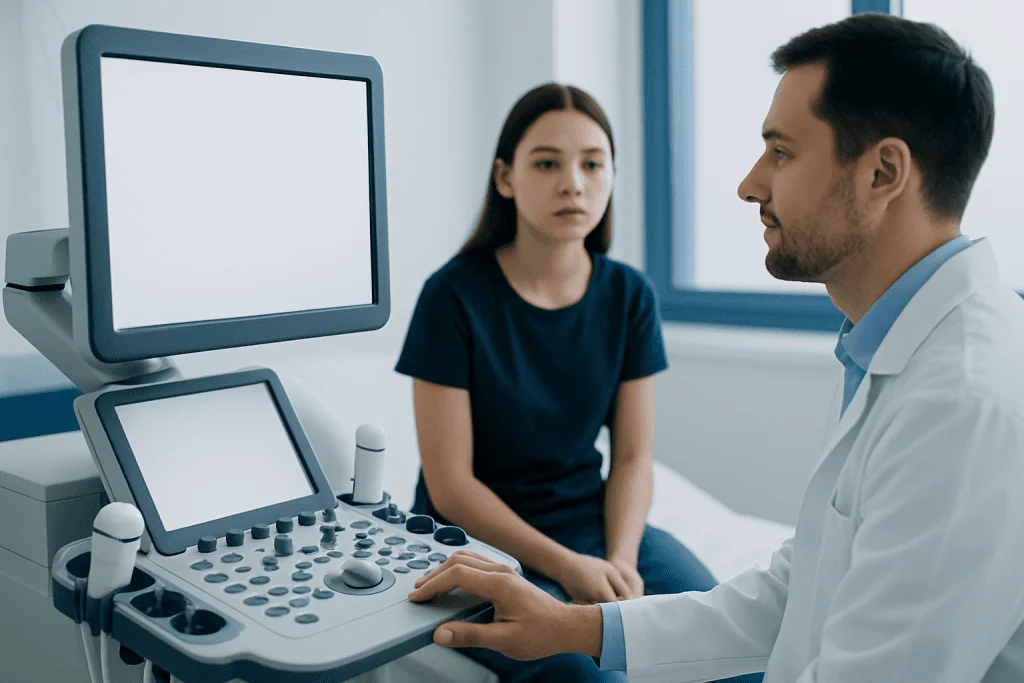
When people describe less age, they are usually talking about visible features or body function. A younger-looking face may have smoother skin, fewer wrinkles, less sun damage, and better skin elasticity. In some cases, people may also mean they feel physically younger, with better stamina, mobility, and mental sharpness than expected for their years.
In other situations, the phrase may reflect a concern rather than a compliment. A person may feel they look too young, have delayed physical development, lower muscle mass, poor weight gain, thinning hair, fatigue, or skin changes that do not match their age group. In children and adolescents, parents may notice delayed growth, late puberty, or a smaller body size compared with peers.
Features that may prompt closer attention include:
- Markedly delayed growth or puberty
- Sudden weight loss or poor appetite
- Persistent fatigue or low exercise tolerance
- Changes in skin, hair, or nails
- Menstrual irregularities or fertility concerns
- Loss of muscle mass or bone strength
These signs do not automatically mean there is a serious problem. However, if they are new, progressive, or affecting daily life, it is sensible to speak with a doctor.
Why someone may look or feel younger than their age
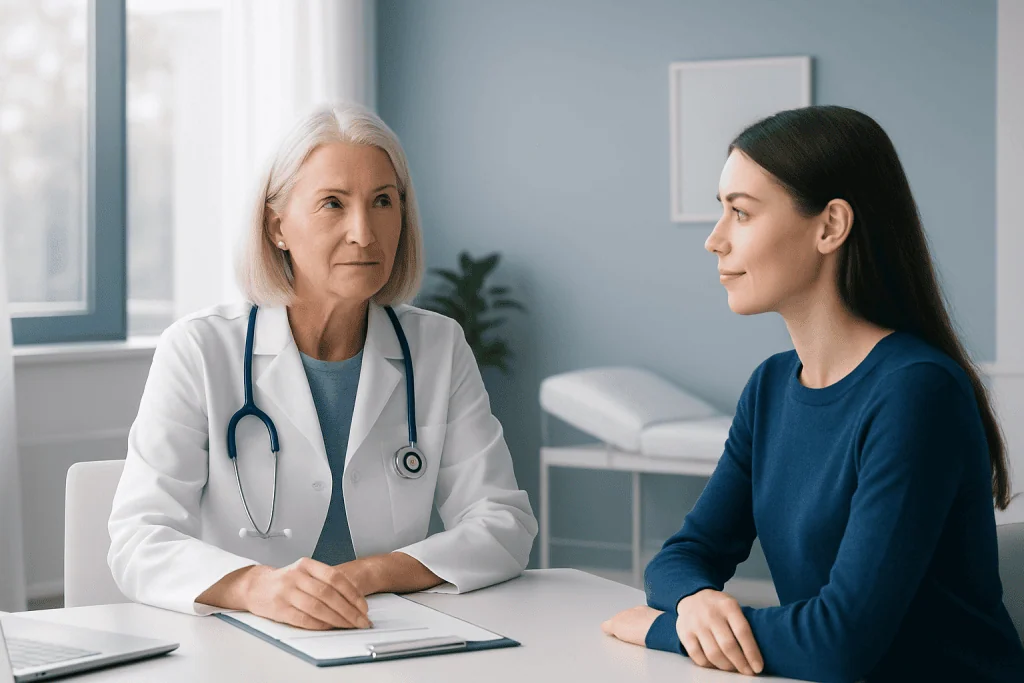
Genetics play a major role in how a person ages. Some people naturally develop fewer wrinkles, maintain better skin quality, or hold on to muscle tone and energy longer than others. Family traits can strongly influence facial structure, skin thickness, body composition, and the timing of visible aging.
Lifestyle also has a powerful effect. People who protect their skin from sun exposure, avoid smoking, exercise regularly, sleep well, and eat a balanced diet often show fewer signs of aging. Good control of stress, alcohol intake, and chronic conditions can support a younger biological profile over time.
Hormonal and metabolic factors can matter too. Thyroid function, sex hormones, blood sugar balance, and nutrition all affect skin, hair, body composition, and energy. In some cases, a person who appears much younger or older than expected may have an endocrine or nutritional issue that deserves attention, such as thyroid-related conditions or vitamin deficiencies.
It is also important to remember that appearance alone is not a reliable measure of health. Someone may look youthful but still have hidden risk factors such as high blood pressure, elevated cholesterol, or early insulin resistance. That is why preventive health checks can be valuable even when a person feels well.
Possible medical causes when age appearance seems unusual
If age appearance seems noticeably different from what is expected, doctors consider a wide range of possibilities. In children and teenagers, delayed growth or delayed puberty may be linked to family growth patterns, nutrition, chronic illness, hormonal differences, or less commonly genetic conditions. In adults, changes in body shape, skin, energy, and sexual health may reflect hormonal or metabolic changes.
Conditions that can affect how old or young a person looks include thyroid disorders, diabetes, chronic inflammatory diseases, malabsorption, eating disorders, anemia, and some long-term infections. Hormone imbalances involving estrogen, testosterone, cortisol, or growth-related pathways can also influence body composition and physical development. Depending on symptoms, doctors may also consider diabetes or other endocrine conditions.
Skin health can be another factor. Dryness, pigment changes, acne scarring, volume loss, or reduced elasticity can change perceived age. If the main concern is the skin itself, a medical review may help identify treatable contributors such as sun damage, dermatitis, rosacea, or nutritional issues. Some people may benefit from specialist assessment in dermatology care if skin changes are prominent.
Mental wellbeing should not be overlooked. Sometimes the concern about looking too young or too old is strongly influenced by stress, self-image, social pressure, or body dysmorphic symptoms. In those cases, supportive medical advice and psychological care may be just as important as physical assessment.
How doctors evaluate concerns related to “less age”
Evaluation starts with a detailed history. A doctor will usually ask when the concern began, whether it has changed over time, and whether there are related symptoms such as tiredness, weight change, appetite loss, menstrual changes, delayed puberty, hair thinning, sleep problems, or changes in mood. Family history is also important because many appearance and growth patterns are inherited.
A physical examination may include height, weight, body mass index, blood pressure, skin and hair assessment, and signs of puberty or hormone imbalance when appropriate. In adults, doctors may also look for signs of chronic disease, nutrient deficiency, muscle loss, or cardiovascular risk factors. If the question is more about healthy aging, a broader preventive health review can be useful.
Tests are chosen based on the individual situation. These may include blood tests for thyroid function, blood sugar, iron, vitamin levels, inflammation, liver and kidney function, or sex hormones. In children and adolescents, growth charts and bone age imaging may sometimes be considered. If there are specific symptoms, a doctor may recommend check-up and screening or referral to endocrinology, dermatology, pediatrics, or gynecology.
The aim is not to assign a cosmetic label but to understand whether the person is healthy, developing normally, and feeling well. In many cases, the findings are reassuring and no serious disorder is identified.
Treatment and management options
Treatment depends entirely on the reason behind the concern. If a person simply has naturally youthful features and no health problems, no treatment is needed. Reassurance, routine health maintenance, and healthy lifestyle habits are often enough. If the concern is cosmetic, medical advice can help set realistic expectations and guide safe options.
When an underlying condition is found, treatment focuses on that cause. Hormonal disorders, nutritional deficiencies, chronic diseases, or skin conditions are managed according to standard medical care. For example, blood sugar control, thyroid treatment, correcting iron deficiency, or addressing malnutrition may improve energy, physical development, and overall wellbeing over time.
If visible skin aging or skin quality is the main issue, management may include sun protection, gentle skin care, treatment for pigmentation or acne scarring, and specialist approaches when suitable. In selected cases, patients may discuss medical aesthetics or other dermatologist-led interventions, but these are not a substitute for evaluating possible medical causes first.
Where delayed development, fertility concerns, or hormone-related symptoms are present, coordinated care may involve endocrinology or reproductive specialists. For international patients, Acibadem International’s multidisciplinary specialists and JCI-accredited hospitals evaluate and treat related conditions in a coordinated setting when needed.
Healthy habits that support graceful aging and wellbeing
Whether someone is hoping to preserve a youthful appearance or improve overall biological aging, simple long-term habits make the biggest difference. Daily sun protection, not smoking, regular movement, and a balanced diet support skin, heart, and metabolic health. Consistent sleep and stress management also affect energy, inflammation, and recovery.
Protein intake, hydration, and resistance exercise can help maintain muscle mass and function over time. Fruits, vegetables, whole grains, healthy fats, and adequate micronutrients support tissue repair and healthy skin. It is usually best to be cautious about “anti-aging” supplements or online trends that promise dramatic results without strong evidence.
Preventive care is equally important. Routine blood pressure checks, blood sugar evaluation, cholesterol screening, age-appropriate cancer screening, dental care, and vaccination all contribute to healthy aging. People who want a broader view of their health status may benefit from a personalized preventive review rather than focusing only on appearance.
When to seek medical care
A medical review is advisable if looking unusually young or old is accompanied by other symptoms. This includes delayed puberty, poor growth, menstrual changes, unexplained weight loss, chronic fatigue, hair loss, skin darkening or paleness, digestive problems, low mood, or reduced strength. Sudden or progressive changes deserve particular attention.
Children and adolescents should be assessed if parents are worried about growth, development, or puberty timing. Adults should seek care if the concern is affecting self-confidence, relationships, fertility, or quality of life, or if there are signs of an endocrine, nutritional, or chronic health problem. It is also sensible to ask for medical advice before starting hormone treatments, supplements, or cosmetic procedures based on information from social media.
Urgent medical care is needed if there are red-flag symptoms such as severe weakness, fainting, chest pain, shortness of breath, marked dehydration, or signs of a serious eating disorder or uncontrolled diabetes. Most concerns related to age appearance are not emergencies, but timely assessment helps identify what is normal, what is treatable, and what may need follow-up.
Frequently asked questions
Is less age a medical condition?
No. Less age is not a formal medical diagnosis. It is an informal phrase people use to describe looking younger, feeling younger, or seeming to have fewer age-related changes than expected.
Can a person look younger than their age and still have health problems?
Yes. Appearance does not always reflect internal health. A person may look youthful but still have high blood pressure, blood sugar problems, hormone imbalance, or other conditions that need medical care.
What causes someone to look younger than their age?
Common reasons include genetics, sun protection, not smoking, regular exercise, healthy sleep, balanced nutrition, and good skin care. In some cases, body structure and facial features naturally make a person appear younger.
When is looking young for your age a reason to see a doctor?
It is worth seeking medical advice if it is linked with delayed growth, delayed puberty, fatigue, weight loss, menstrual changes, fertility concerns, or other symptoms. A doctor can decide whether this is normal variation or a sign of an underlying condition.
Can hormone problems affect age appearance?
Yes. Thyroid disorders, sex hormone changes, and other endocrine conditions can affect skin, hair, weight, muscle mass, energy, and development. That is why medical assessment may include hormone-related blood tests when symptoms suggest it.
How can someone support a younger biological age?
Healthy habits are the main foundation. Regular exercise, a nutritious diet, enough sleep, stress control, sun protection, avoiding tobacco, and routine preventive check-ups can all support healthier aging over time.
References
- World Health Organization
- Centers for Disease Control and Prevention
- National Institute on Aging
- American Academy of Dermatology
- National Institutes of Health
This article is for general information only and is not a substitute for professional medical advice. Please consult a qualified doctor about your individual situation.
Medical weight-loss options in Turkey — costs & eligibility
JCI-accredited · board-certified surgeons · reply within 24h
Add us as a Preferred Source to see more of our trusted health content across Google Search, AI Overviews and Discover.
Check your numbers in seconds
BMI, calories, due date, blood pressure and 30+ more clinical calculators — free, instant, doctor-reviewed ranges.

More from the Health Library



Related Specialists
Assoc. Prof. Dr. Ebru Sevinç Ok
Nephrology
Prof. Dr. Ufuk Demirkılıç
Cardiovascular Surgery
Prof. Dr. Şükrü Yazar
Aesthetic Plastic & Reconstructive Surgery
Assoc. Prof. Dr. Didem Öncel Yakar
General Surgery