Signs of fever: Symptoms, Causes, and Treatment — Complete Patient Guide

Signs of fever often include chills, sweating, flushed skin, body aches, headache, and fatigue in addition to a high temperature. Fever is a symptom, not a diagnosis, and it is most often linked to infections but can also happen with inflammation, medicines, or heat-related illness.
Key Takeaways
- Signs of fever often include chills, sweating, flushed skin, body aches, headache, and fatigue in addition to a high temperature.
- Fever is a symptom, not a diagnosis, and it is most often linked to infections but can also happen with inflammation, medicines, or heat-related illness.
- Most mild fevers improve with fluids, rest, and treating the underlying cause, but some cases need medical evaluation.
- Infants, older adults, and people with weakened immune systems may need earlier medical attention for fever.
- Emergency care is important if fever occurs with breathing trouble, confusion, seizure, severe dehydration, or a stiff neck.
Signs of fever usually include a higher-than-normal body temperature along with chills, sweating, body aches, headache, and tiredness. Fever itself is not a disease; it is a common body response to infection, inflammation, or another medical condition, and treatment depends on the cause and the person's age, symptoms, and overall health.
Overview: what the signs of fever usually mean
The signs of fever usually include a rise in body temperature together with symptoms such as chills, sweating, warm or flushed skin, body aches, headache, and tiredness. In many cases, fever is the body’s natural response to an infection. It can also happen with inflammation, certain medicines, heat-related illness, or other medical problems.
Rather than being an illness by itself, fever is a signal that the immune system is active. A normal body temperature varies from person to person and can change during the day, so fever is usually understood in context: how high the temperature is, how long it lasts, what other symptoms are present, and who is affected.
For most otherwise healthy adults, a short-lived mild fever is not dangerous and can often be managed at home. However, fever in babies, older adults, pregnant people, and those with chronic illness or weakened immunity may need earlier assessment. The goal is not only to lower temperature when needed, but also to understand the cause and recognize warning signs.
Common signs and symptoms that can come with fever
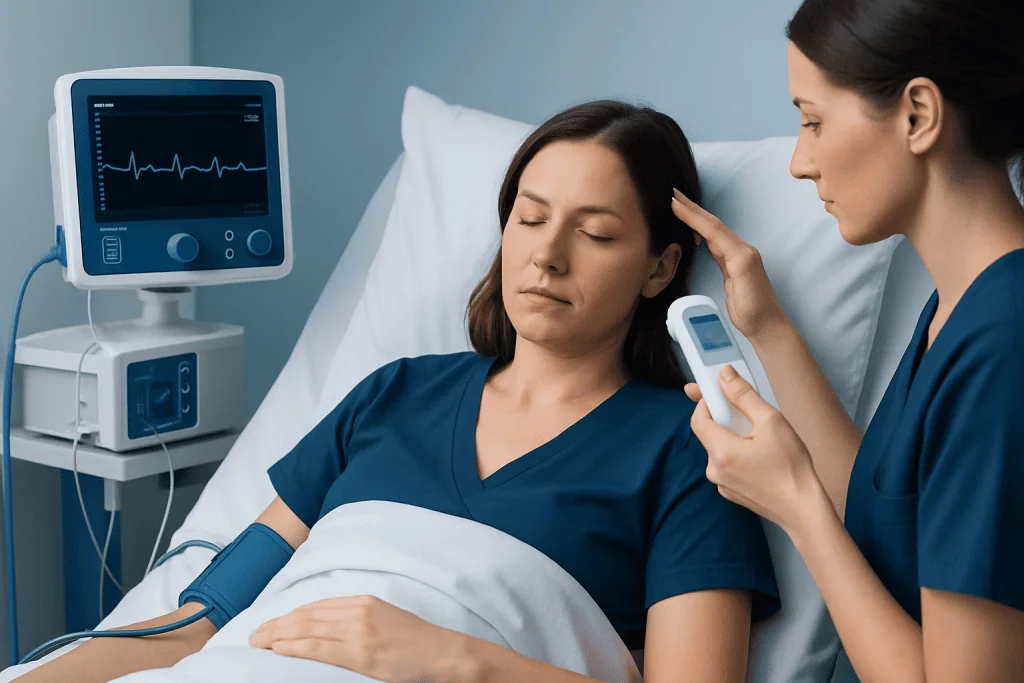
The most recognized sign of fever is an elevated body temperature, but many people notice other symptoms first. Chills, shivering, sweating, feeling unusually hot, or alternating between feeling cold and warm are common. The skin may look flushed, and the heart may beat faster than usual.
Fever can also affect the whole body. Many people feel weak, sleepy, achy, or less interested in food. Headache, muscle pain, joint discomfort, and mild dehydration can develop, especially if fluid intake is low. In children, fever may cause irritability, poor feeding, or reduced activity.
Symptoms often reflect the underlying cause as much as the fever itself. For example, a sore throat, cough, runny nose, or sinus pressure may suggest a viral or bacterial respiratory illness. Nausea, vomiting, diarrhea, or abdominal pain may point toward a stomach or intestinal infection. Burning with urination may suggest a urinary problem, while rash or swollen glands may provide other clues.
- High temperature compared with a person’s usual baseline
- Chills or shivering
- Sweating
- Headache
- Body aches or muscle pain
- Fatigue or weakness
- Reduced appetite
- Fast heartbeat or feeling generally unwell
Why fever happens: causes and risk factors

The most common cause of fever is infection. Viruses such as those that cause colds, flu, and some stomach illnesses are frequent triggers. Bacterial infections can also cause fever, including throat infections, pneumonia, urinary tract infections, and skin infections. In some cases, doctors may consider related illnesses such as sepsis if fever occurs with severe weakness, confusion, fast breathing, or low blood pressure.
Not all fevers are due to infection. Inflammatory and autoimmune conditions, reactions to medications, vaccination-related immune responses, and heat exhaustion or heatstroke can all raise body temperature. Rarely, fever may be linked to blood clots, certain cancers, or hormone disorders. Because the reasons vary widely, the pattern of fever and the accompanying symptoms matter.
Some people are more likely to develop complications from fever or from the illness causing it. This includes infants, older adults, people receiving cancer treatment, transplant recipients, those with chronic heart or lung disease, and people with diabetes or other conditions that affect immunity. Recent surgery, international travel, animal exposure, tick bites, or contact with someone who is ill may also increase the chance of specific infections.
How fever is assessed and diagnosed
Evaluation starts with a careful history. A doctor usually asks when the fever began, how high it has been, whether it is constant or comes and goes, and what other symptoms are present. Travel, recent infections, medicines, vaccinations, surgery, and exposure to sick contacts can all help guide diagnosis.
A physical examination looks for signs such as dehydration, abnormal breathing, rash, swollen lymph nodes, throat inflammation, abdominal tenderness, or signs of lung or urinary infection. Temperature can be measured orally, rectally, under the arm, in the ear, or on the forehead, though some methods are more accurate than others depending on age and situation.
Testing is not always needed for a short, mild fever with a clear viral cause. When symptoms are more severe, prolonged, or unclear, doctors may order blood tests, urine tests, or cultures to look for infection or inflammation. Imaging may also be used when needed, such as MRI or CT scanning if there are symptoms suggesting a deeper source of infection or another internal problem.
Treatment options and what helps at home
Fever treatment depends mainly on the cause, the person’s age, the height of the temperature, and how uncomfortable they feel. In many cases, especially with common viral illnesses, supportive care is enough while the body recovers. This usually includes resting, drinking enough fluids, wearing light clothing, and staying in a comfortably cool room.
Temperature-lowering medicines may help reduce discomfort, headache, or body aches, but they do not treat the underlying illness. It is generally best to use medicines only as advised by a qualified clinician or according to standard label directions, especially for children, older adults, or people with liver, kidney, stomach, or bleeding problems. Antibiotics are only helpful for bacterial infections and should not be used unless prescribed.
If dehydration, severe weakness, breathing difficulty, or concern for a serious infection is present, hospital-based care may be needed. This can include intravenous fluids, oxygen support, or targeted treatment for the cause. When fever is related to a more complex condition, further evaluation by specialists and infectious diseases care may be appropriate.
Helpful self-care steps can include:
- Drinking water, soup, or oral rehydration fluids
- Resting and avoiding strenuous activity
- Monitoring temperature and symptoms over time
- Eating light foods if tolerated
- Seeking advice before giving fever medicine to infants or medically vulnerable people
Prevention and self-care to reduce fever risk
Many fevers cannot be completely prevented, but simple habits can lower the risk of infections that commonly cause them. Regular handwashing, avoiding close contact with people who are unwell, keeping recommended vaccinations up to date, and handling food safely are practical ways to reduce exposure to viruses and bacteria.
General health also matters. Good sleep, balanced nutrition, regular physical activity, and staying hydrated support the immune system and may help the body cope better with common illnesses. During hot weather, preventing overheating is also important by resting in shade or cool spaces, drinking fluids, and not overexerting in high temperatures.
Self-care should include observation as well as comfort measures. Recording temperature, timing, and associated symptoms can help if medical advice is needed later. Parents and caregivers should watch children for changes in behavior, fluid intake, breathing, and alertness rather than focusing only on the number on the thermometer.
When to seek medical care
Medical care is recommended if fever is high, lasts longer than expected, keeps returning, or is accompanied by concerning symptoms. These include shortness of breath, chest pain, confusion, fainting, severe headache, stiff neck, new rash, seizure, severe abdominal pain, persistent vomiting, or signs of dehydration such as very little urine, dizziness, or inability to keep fluids down.
Infants need special attention because even a modest fever can be important, especially in very young babies. Older adults and people with weakened immune systems may also show fewer obvious symptoms despite serious illness, so early evaluation is often wiser. If fever develops after surgery, during cancer treatment, or in someone with major chronic disease, medical guidance should not be delayed.
If the cause is unclear or symptoms are severe, clinicians may use further laboratory testing or imaging such as a medical check-up to identify the source and guide care. Acibadem International’s multidisciplinary specialists and JCI-accredited hospitals diagnose and treat fever-related conditions for international patients when more detailed evaluation is needed.
Frequently asked questions
What temperature counts as a fever?
There is some normal variation in body temperature, but fever generally means a temperature higher than a person's usual range. The exact cutoff can depend on how the temperature is measured and the person’s age. A doctor can help interpret the reading if there is uncertainty, especially in infants and older adults.
Are chills always a sign of fever?
Chills often happen with fever because the body is adjusting its internal temperature set point. However, chills can also occur without a documented fever, especially early in an illness or in a cool environment. If chills are severe or persistent, it is reasonable to monitor temperature and other symptoms.
Should every fever be treated with medicine?
Not necessarily. Mild fever can be part of the body’s normal defense against infection, and treatment is often aimed at comfort rather than the number alone. Medicine may be helpful if the person feels unwell, has pain, or is at higher risk, but the underlying cause still matters most.
How long can a fever last before it should be checked?
A short fever with a clear cold or viral illness may improve within a few days. Medical review is more important if fever lasts longer than expected, keeps coming back, or is linked with worsening symptoms. Duration should always be considered together with age, overall health, and warning signs.
Can stress or exhaustion cause fever?
Stress alone does not usually cause a true fever, but exhaustion, overheating, or heat-related illness can raise body temperature. Some people also feel flushed or warm during stress without having an actual fever. Measuring temperature accurately can help tell the difference.
When is fever an emergency?
Fever can be an emergency if it occurs with difficulty breathing, confusion, seizure, severe dehydration, a stiff neck, chest pain, or a rapidly spreading rash. It also needs urgent attention in very young infants and in people with weakened immune systems. If someone looks seriously unwell, emergency care is the safest choice.
References
- World Health Organization
- Centers for Disease Control and Prevention
- American Academy of Pediatrics
- Mayo Clinic
- National Health Service
This article is for general information only and is not a substitute for professional medical advice. Please consult a qualified doctor about your individual situation.
Explore treatments in Turkey — costs, top hospitals & a free quote
JCI-accredited · board-certified surgeons · reply within 24h
Add us as a Preferred Source to see more of our trusted health content across Google Search, AI Overviews and Discover.
Check your numbers in seconds
BMI, calories, due date, blood pressure and 30+ more clinical calculators — free, instant, doctor-reviewed ranges.