Creatinine in pregnancy low Explained: Normal Ranges, High and Low Results, and When to Act

Low creatinine in pregnancy is commonly a normal effect of increased kidney filtration. A single creatinine result should be interpreted alongside trimester, symptoms, blood pressure, and urine findings.
Key Takeaways
- Low creatinine in pregnancy is commonly a normal effect of increased kidney filtration.
- A single creatinine result should be interpreted alongside trimester, symptoms, blood pressure, and urine findings.
- High creatinine in pregnancy is more concerning than low creatinine and may need prompt medical review.
- Doctors may repeat blood and urine tests to confirm whether a result is expected or needs follow-up.
- Seek medical care sooner if abnormal results are accompanied by swelling, severe headache, reduced urine, or high blood pressure.
Creatinine in pregnancy low is usually a normal result rather than a sign of disease. During pregnancy, blood flow to the kidneys increases and the kidneys clear creatinine more efficiently, so values often run lower than in people who are not pregnant.
Overview: What does low creatinine mean in pregnancy?
Creatinine in pregnancy low usually means the kidneys are filtering blood more efficiently, which is a normal physiologic change in pregnancy. Because the body increases blood volume and kidney blood flow, creatinine can fall below the usual non-pregnant range without indicating a problem.
This is why pregnancy test results should not be interpreted using standard adult reference ranges alone. A value that looks low on a general lab report may be appropriate in pregnancy, especially when the person feels well and other tests such as urine protein, blood pressure, and kidney function are normal.
Low creatinine is different from high creatinine. In pregnancy, high creatinine can sometimes suggest reduced kidney function, dehydration, or conditions that affect the kidneys and blood pressure. Low creatinine, by contrast, is more often expected and only rarely points to an underlying issue on its own.
How creatinine changes during pregnancy
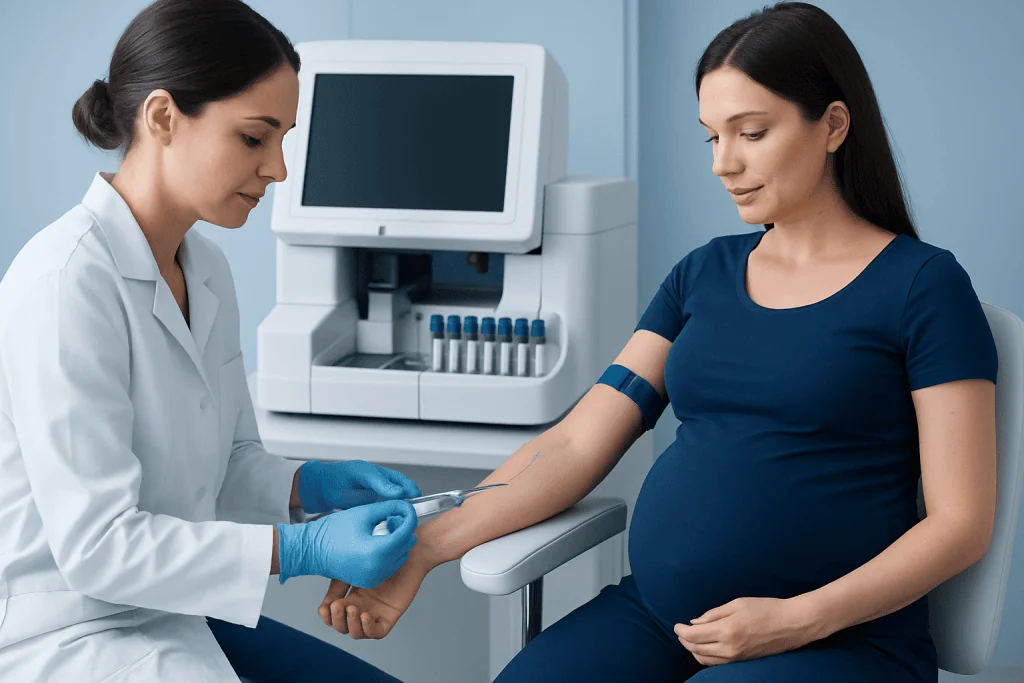
Creatinine is a waste product made when muscles use energy. The kidneys remove it from the blood, so a creatinine test helps show how well the kidneys are filtering. During pregnancy, filtration increases early and remains elevated for much of gestation, which tends to lower blood creatinine.
Because of this normal shift, creatinine values in pregnancy are often lower than before pregnancy. Exact reference ranges vary by laboratory and by trimester, but clinicians generally expect creatinine to be at the lower end of the adult range, and sometimes slightly below it, especially in healthy pregnancies.
Doctors do not usually judge kidney health from creatinine alone. They look at trends over time, whether the result matches the clinical picture, and whether there are warning signs such as protein in the urine, rising blood pressure, or symptoms that could suggest complications like preeclampsia.
Normal ranges, high and low results

There is no single universal pregnancy creatinine range because labs use different testing methods and reference intervals. In general, however, pregnancy tends to lower serum creatinine compared with non-pregnant values. That means a result flagged as “low” on a routine lab printout may still be normal for pregnancy.
A mildly low result without symptoms is often not a cause for concern. It may simply reflect increased kidney filtration, lower muscle mass, or normal body changes. If the result is much lower than expected or changes suddenly, a clinician may review nutrition, hydration, body size, and whether the sample should be repeated.
High creatinine in pregnancy deserves closer attention because it may indicate kidney stress or reduced filtration. Causes can include dehydration, pre-existing kidney disease, urinary tract blockage, severe infection, or pregnancy-related hypertension. Additional tests may be needed to tell whether the abnormality is temporary or part of a more serious condition such as kidney failure.
- Often normal: mildly low creatinine in a well person with normal blood pressure and urine results
- Needs context: low creatinine with poor nutrition, marked weight loss, or low muscle mass
- More concerning: rising or high creatinine, especially with swelling, headache, or protein in urine
What can cause low creatinine in pregnancy besides normal kidney changes?
Most low creatinine results in pregnancy are explained by normal physiology, but other factors can contribute. Lower muscle mass is one example, since creatinine comes from muscle metabolism. A smaller body frame, reduced physical activity, or prolonged bed rest can also lower the amount produced.
In some cases, reduced protein intake or poor overall nutrition may play a role. This does not mean a low creatinine result automatically signals malnutrition, but it may prompt a doctor to ask about appetite, nausea, vomiting, and weight changes, particularly if there is concern about inadequate intake.
Fluid status can influence lab interpretation too. Pregnancy naturally changes fluid balance, and recent intravenous fluids or high fluid intake may make blood levels appear lower. Rarely, severe liver disease or muscle-wasting conditions can reduce creatinine production, though these would usually be considered only if other symptoms or abnormal tests are present.
How doctors evaluate an abnormal creatinine result in pregnancy
If a creatinine result appears low or high, the first step is usually to interpret it in context rather than in isolation. A clinician may review the trimester, prior results, medications, blood pressure, weight changes, hydration, and symptoms. Pregnancy history also matters, including any past kidney problems or high blood pressure disorders.
Common follow-up tests include a repeat creatinine, urine dipstick or urine protein measurement, and other blood tests that assess kidney and liver function. Depending on the situation, the doctor may also check electrolytes, complete blood count, or markers of hemolysis if there is concern about pregnancy complications.
If symptoms suggest a urinary problem, evaluation may include urology assessment or imaging to look for obstruction. In more complex cases, coordinated care with nephrology care and obstetric specialists can help determine whether the result reflects a normal pregnancy change or a condition needing treatment.
Treatment and next steps
Low creatinine in pregnancy usually does not need treatment when it reflects normal kidney adaptation. In that situation, reassurance and routine prenatal follow-up are often all that is required. The goal is not to raise creatinine, but to confirm that kidney function and pregnancy health are otherwise stable.
If another factor is contributing, care focuses on the cause. This may include managing dehydration, improving nutrition, addressing severe nausea or vomiting, or reviewing medications that may affect kidney function. When creatinine is high rather than low, treatment depends on the underlying issue and may involve blood pressure management, infection treatment, or closer maternal-fetal monitoring.
People with known kidney disease before pregnancy may need more frequent testing and specialist review. In selected cases, doctors may recommend high-risk pregnancy follow-up or coordinated monitoring with specialists in maternal-fetal medicine and internal medicine. At centers such as Acibadem International, multidisciplinary specialists in JCI-accredited hospitals evaluate kidney-related and pregnancy-related concerns for international patients.
Self-care and when to seek medical care
Helpful self-care starts with routine prenatal visits and following the clinician’s advice on blood tests, urine checks, diet, hydration, and blood pressure monitoring. A person should not try to interpret a flagged lab result alone, because many routine lab ranges are designed for non-pregnant adults and can be misleading during pregnancy.
General measures that support kidney and pregnancy health include drinking fluids as advised, eating a balanced diet, reporting persistent vomiting, and discussing all medicines and supplements with a healthcare professional. Over-the-counter pain medicines and herbal products should not be started without medical guidance during pregnancy.
Medical review should be sought promptly if an abnormal creatinine result is accompanied by severe headache, visual changes, facial or hand swelling, reduced urine output, shortness of breath, fever, painful urination, blood in the urine, or persistently high blood pressure. Urgent care is also important for severe abdominal pain, heavy bleeding, or any sudden change that feels concerning.
Frequently asked questions
Is low creatinine in pregnancy normal?
Yes, low creatinine in pregnancy is often normal. Pregnancy increases blood flow to the kidneys and raises filtration, so the kidneys clear creatinine more efficiently than usual.
What is considered a normal creatinine range during pregnancy?
Normal ranges vary by laboratory and by stage of pregnancy. In general, creatinine tends to run lower in pregnancy than in non-pregnant adults, so a clinician should interpret the result using pregnancy context rather than the standard lab flag alone.
Should a low creatinine result be treated?
Usually not, if the low result reflects normal pregnancy-related kidney changes and there are no concerning symptoms. Treatment is only needed if another issue is found, such as dehydration, poor nutrition, or an unrelated medical condition.
Why is high creatinine in pregnancy more concerning than low creatinine?
High creatinine may suggest that the kidneys are not filtering blood as well as expected. In pregnancy, that can sometimes be linked to dehydration, kidney disease, infection, obstruction, or pregnancy-related complications such as high blood pressure disorders.
Can dehydration cause abnormal creatinine results in pregnancy?
Yes. Dehydration can affect kidney function and may contribute to abnormal creatinine results, especially if there is severe vomiting or poor fluid intake. A doctor may repeat testing after assessing symptoms, hydration, and other lab results.
When should a pregnant person call a doctor about creatinine results?
A doctor should be contacted if the result is high, if it is a new change from earlier tests, or if there are symptoms such as swelling, severe headache, vision changes, reduced urination, fever, or painful urination. Even a low result deserves discussion if there are other abnormal findings or if the person feels unwell.
References
- American College of Obstetricians and Gynecologists
- National Institute of Diabetes and Digestive and Kidney Diseases
- National Kidney Foundation
- World Health Organization
- Merck Manual Professional Edition
This article is for general information only and is not a substitute for professional medical advice. Please consult a qualified doctor about your individual situation.
Explore treatments in Turkey — costs, top hospitals & a free quote
JCI-accredited · board-certified surgeons · reply within 24h
Add us as a Preferred Source to see more of our trusted health content across Google Search, AI Overviews and Discover.
Check your numbers in seconds
BMI, calories, due date, blood pressure and 30+ more clinical calculators — free, instant, doctor-reviewed ranges.