Abscess ear: Symptoms, Causes, and Treatment — Complete Patient Guide

An abscess ear is usually caused by a bacterial infection in the outer ear, ear canal, or nearby skin. Common symptoms include a painful swollen area, redness, warmth, and sometimes discharge or fever.
Key Takeaways
- An abscess ear is usually caused by a bacterial infection in the outer ear, ear canal, or nearby skin.
- Common symptoms include a painful swollen area, redness, warmth, and sometimes discharge or fever.
- Medical assessment is important because some ear infections can worsen or spread without treatment.
- Treatment may include warm compresses, antibiotics, pain relief, and drainage when needed.
- Avoid squeezing or trying to drain an ear abscess at home.
- Good ear hygiene and prompt care for skin irritation or infection may help lower the risk.
An abscess ear is a pocket of pus caused by infection in or around the ear. It often leads to pain, swelling, warmth, and tenderness, and treatment usually involves drainage, medicines, and care for the underlying cause.
Overview: What is an abscess ear?
An abscess ear is a localized collection of pus caused by infection in the ear or the skin and tissue around it. In many cases, it forms in the outer ear, such as the earlobe, cartilage, or ear canal entrance, rather than deep inside the ear. The area usually becomes painful, swollen, red, and tender to touch.
This problem most often develops when bacteria enter tissue through a small break in the skin, an inflamed hair follicle, a piercing site, or irritated skin. Although some small skin infections improve with medical treatment, an abscess is different from simple irritation because pus has collected in a confined space, which may require drainage.
People sometimes use the term “ear abscess” for several related conditions. These can include a boil near the ear canal, an infected earlobe piercing, an infection of the outer ear skin, or, less commonly, a complication of another ear infection. Because the ear contains delicate cartilage and lies close to nearby tissues, proper evaluation helps guide safe treatment.
Signs and symptoms of an ear abscess
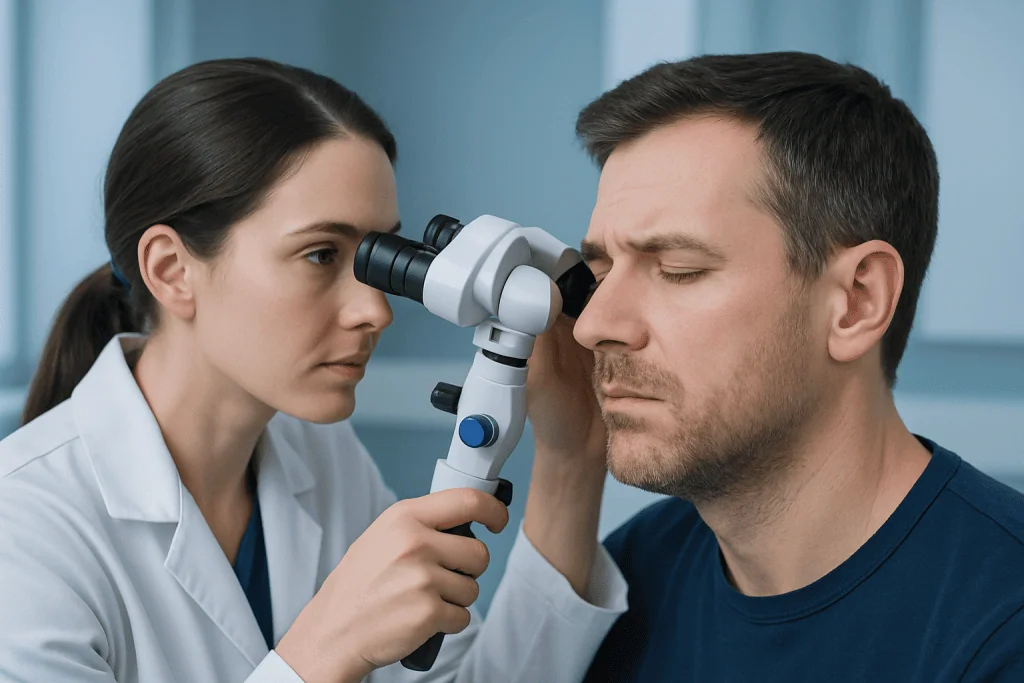
The most common symptom of abscess ear is a painful lump or swollen area on or near the ear. The skin may look red or darker than usual, feel warm, and become increasingly tender. The swelling may stay localized or spread slightly into nearby tissue, depending on the extent of the infection.
Some people notice a visible white or yellow center, which may indicate pus close to the surface. If the abscess opens on its own, there may be drainage with an unpleasant smell. Other symptoms can include throbbing pain, pressure, itching before the lump forms, or discomfort when lying on the affected side.
Symptoms vary by location. An abscess near the ear canal may also cause a feeling of blockage, reduced hearing, or pain with jaw movement. If the surrounding infection becomes more significant, a person may develop fever, fatigue, or swollen lymph nodes near the jaw or neck.
- Painful, swollen bump on the ear or at the ear canal opening
- Redness, warmth, or skin discoloration
- Pus or fluid drainage
- Pressure, throbbing, or tenderness
- Temporary reduced hearing if swelling narrows the ear canal
- Occasionally fever or general unwellness
Why an abscess ear happens: causes and risk factors

Most ear abscesses are caused by bacteria, especially when the skin barrier is broken. Common triggers include scratching the ear, using cotton swabs too deeply, shaving or hair removal around the ear, insect bites, pimples, eczema, or infected ear piercings. Moisture can also play a role by encouraging bacterial growth in the outer ear.
In some people, the abscess begins as an outer ear infection such as otitis externa, sometimes called swimmer’s ear. Blocked hair follicles can also develop into boils, especially at the entrance of the ear canal. Less often, an abscess may arise after trauma, surgery, or cartilage piercing, where infection can be more serious because cartilage has a limited blood supply.
Certain factors make infection more likely or harder to control. These include diabetes, immune suppression, chronic skin conditions, frequent water exposure, use of hearing aids or earbuds that irritate the skin, and poor healing after piercings. Recurrent ear infections, including middle ear infection, do not usually cause a visible outer ear abscess, but a doctor may consider both conditions if symptoms overlap.
How doctors diagnose an ear abscess
Diagnosis usually begins with a medical history and physical examination. A doctor will look at the size, location, and appearance of the swelling and ask about pain, discharge, fever, recent ear cleaning, swimming, skin conditions, or piercings. In many cases, the abscess can be identified by inspection alone.
An ear examination may include looking into the ear canal with an otoscope to check whether swelling narrows the canal or whether there are signs of another infection. This helps distinguish an abscess from cellulitis, cysts, inflamed cartilage, or other causes of a lump near the ear. If the infection is severe, recurrent, or not improving, a sample of drainage may be sent for testing to identify the bacteria.
Additional tests are not always needed. However, blood tests or imaging may be considered if the infection appears to be spreading, the person has significant fever, the diagnosis is uncertain, or there are concerns about deeper tissue involvement. People with diabetes or weakened immunity may need closer assessment because complications can develop more easily.
Treatment options for abscess ear
Treatment depends on the abscess size, location, and severity. Small, early infections may respond to medical treatment and careful monitoring, but a true abscess often needs drainage because antibiotics alone may not fully reach the pocket of pus. A clinician will decide whether the area can be treated with medicines, whether an incision and drainage procedure is needed, or whether both are appropriate.
Doctors may recommend pain relief, warm compresses, and antibiotics when there is surrounding skin infection or a higher risk of spread. If the abscess is linked to a wider ear problem, treatment may also address that cause, such as ear infection treatment or care for an inflamed ear canal. Drainage should be done in a medical setting to reduce the risk of worsening infection, scarring, or damage to the ear cartilage.
If a piercing is involved, the doctor may advise removing or changing jewelry only when it is safe to do so, because improper removal can trap infection. Follow-up is important to make sure swelling improves and the infection does not return. In selected cases, an ENT specialist may be involved, especially if the abscess is deep, recurrent, affects the cartilage, or occurs alongside another ear condition. For international patients, Acibadem International’s multidisciplinary specialists and JCI-accredited hospitals diagnose and treat ear infections and related complications.
- Warm compresses for comfort and to support drainage
- Antibiotics when indicated for bacterial infection
- Medical drainage of the abscess if pus has collected
- Pain-relieving medicines as advised by a doctor
- Treatment of underlying skin disease, piercing infection, or ear canal inflammation
Home care, prevention, and what not to do
Home care can support recovery, but it should not replace medical evaluation when an abscess is suspected. A warm, clean compress applied gently may help ease discomfort. The area should be kept clean and dry, and people should avoid touching it repeatedly, sleeping on it when painful, or exposing it to irritants such as hair dye or heavily fragranced products.
It is important not to squeeze, puncture, or attempt to drain an ear abscess at home. This can push infection deeper, increase swelling, spread bacteria, or damage nearby tissue. Cotton swabs, sharp tools, and over-the-counter ear drops should not be used unless a clinician has advised them, especially if the exact source of pain is unclear.
Prevention focuses on protecting the skin barrier and limiting moisture and irritation. Useful steps include drying the outer ear gently after bathing or swimming, avoiding aggressive ear cleaning, treating eczema or dermatitis, and following proper aftercare for ear piercings. When repeat infections are linked to structural or chronic ENT issues, people may benefit from specialist evaluation and, when appropriate, ENT treatment.
When to seek medical care
Medical care is recommended for any painful, swollen ear lump that may be an abscess, especially if it is getting larger or more tender. Prompt assessment is particularly important when the swelling is near the ear canal, involves cartilage, follows a piercing, or is causing hearing changes. Early treatment can help prevent spread of infection and reduce the chance of complications.
Urgent medical attention is needed if there is fever, rapidly worsening redness, severe pain, a foul-smelling discharge, spreading swelling into the face or neck, dizziness, marked hearing loss, or if the person has diabetes or a weakened immune system. Infants, young children, and older adults should also be assessed sooner because symptoms may be less specific and infections may progress more quickly.
A doctor may also need to evaluate symptoms that look like an abscess but could be caused by another condition, such as a cyst, inflamed lymph node, or skin growth. If symptoms recur, specialist care may help identify the underlying reason and lower the risk of future episodes.
Frequently asked questions
Can an ear abscess go away on its own?
A small skin infection may improve, but a true abscess often does not fully resolve without medical care because pus is trapped in the tissue. If pain, swelling, or tenderness is increasing, a doctor should assess it.
Is abscess ear the same as a regular ear infection?
Not exactly. An abscess ear usually means a localized pocket of pus in the outer ear or nearby skin, while some ear infections affect the ear canal or middle ear without forming an abscess. The treatments can overlap, but an abscess may need drainage.
Should a person pop or drain an ear abscess at home?
No. Trying to pop or drain it at home can worsen the infection, spread bacteria, and injure the ear. A trained clinician can treat it more safely and decide whether drainage is necessary.
Can an infected ear piercing cause an abscess?
Yes. Ear piercings, especially cartilage piercings, can become infected and sometimes form an abscess. Medical care is important because cartilage infections may be harder to treat and can affect ear shape if not managed properly.
Will antibiotics alone treat an ear abscess?
Sometimes antibiotics help, especially when the infection is caught early or there is surrounding skin infection. However, if a pocket of pus has formed, drainage is often needed because antibiotics may not fully penetrate the abscess.
What are the warning signs that need urgent attention?
Urgent care is needed for fever, rapidly worsening redness or swelling, severe pain, hearing loss, dizziness, or swelling spreading into the face or neck. People with diabetes, weakened immunity, or significant illness should seek care promptly.
References
- American Academy of Otolaryngology–Head and Neck Surgery
- Centers for Disease Control and Prevention
- National Health Service
- Merck Manual Consumer Version
- Mayo Clinic
This article is for general information only and is not a substitute for professional medical advice. Please consult a qualified doctor about your individual situation.
Hair transplant in Turkey — costs, graft counts & a free assessment
JCI-accredited · board-certified surgeons · reply within 24h
Add us as a Preferred Source to see more of our trusted health content across Google Search, AI Overviews and Discover.