Blood Pressure 102/72: Is It Normal? What This Reading Means for Your Health

A 102/72 blood pressure reading is generally within the normal range for adults. It is not usually a cause for concern unless it comes with symptoms such as dizziness, fainting, or unusual weakness.
Key Takeaways
- A 102/72 blood pressure reading is generally within the normal range for adults.
- It is not usually a cause for concern unless it comes with symptoms such as dizziness, fainting, or unusual weakness.
- Blood pressure interpretation depends on the whole picture, including age, health conditions, pregnancy, fitness level, and medicines.
- Correct measurement technique matters because stress, activity, caffeine, and cuff size can affect the result.
- Persistent symptoms or repeated unusually low readings should be discussed with a doctor.
A blood pressure reading of 102/72 mmHg is usually considered normal for most adults. In many people, it reflects healthy circulation, although the reading should always be interpreted alongside symptoms, age, medications, and overall health.
Overview: Is 102/72 blood pressure normal?
Yes. A blood pressure reading of 102/72 mmHg is usually considered normal in adults. The top number, called systolic pressure, reflects the pressure in the arteries when the heart beats. The bottom number, called diastolic pressure, reflects the pressure between beats when the heart relaxes.
For most people, 102/72 does not suggest high blood pressure and does not automatically mean blood pressure is too low. In fact, many healthy adults, especially younger adults and physically active people, may naturally have readings in this range. What matters most is whether the person feels well and whether the reading is consistent over time.
Blood pressure is not interpreted from a single number alone. Doctors also consider symptoms, medical history, current medications, hydration status, pregnancy, and whether the reading was taken correctly. A one-time result of 102/72 is often reassuring, but repeated readings provide a better picture of cardiovascular health.
How this reading is classified
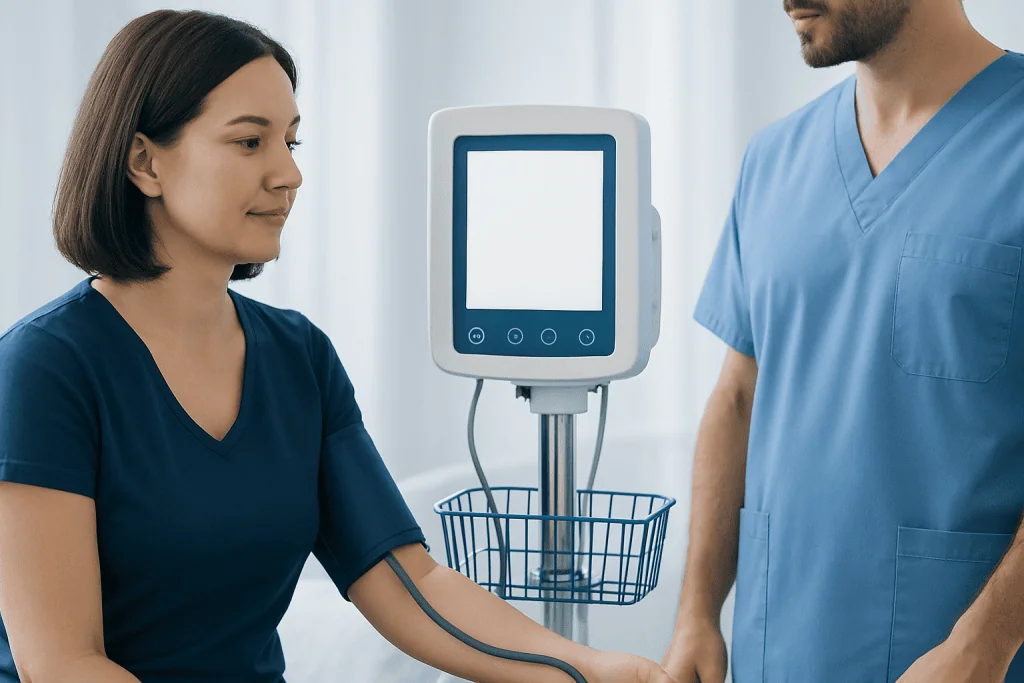
Using the American Heart Association (AHA) blood pressure categories for adults, a reading of 102/72 falls within the normal range. Normal blood pressure generally means the systolic pressure is less than 120 and the diastolic pressure is less than 80.
The table below shows the commonly used adult categories:
- Normal: less than 120 systolic and less than 80 diastolic
- Elevated: 120-129 systolic and less than 80 diastolic
- High blood pressure stage 1: 130-139 systolic or 80-89 diastolic
- High blood pressure stage 2: 140 or higher systolic or 90 or higher diastolic
- Hypertensive crisis: higher than 180 systolic and/or higher than 120 diastolic; this needs urgent medical evaluation
There is no single AHA category called “low blood pressure” based only on numbers. Clinically, low blood pressure is often discussed when readings are below about 90/60 mmHg, but some people feel well at lower levels while others may have symptoms at higher levels. That is why symptoms remain an important part of interpretation.
If a person is monitoring blood pressure because of high blood pressure, a reading of 102/72 may represent good control. However, if this reading appears after starting or changing medication and is accompanied by dizziness or faintness, a clinician may review the treatment plan.
What 102/72 may mean by age and life stage

In younger adults, a blood pressure of 102/72 is often a healthy finding. People who exercise regularly, have a lower resting heart rate, or have a smaller body size may naturally run on the lower end of the normal range without any problem. In this setting, the reading usually reflects efficient cardiovascular function rather than illness.
In middle-aged adults, 102/72 is also commonly normal, especially if there are no symptoms and no recent medication changes. For some, this reading may be a welcome sign of effective lifestyle habits such as limiting salt, maintaining a healthy weight, staying active, and sleeping well.
In older adults, interpretation may be more individualized. A reading of 102/72 can still be normal, but doctors may pay more attention to whether blood pressure drops too much when standing up, a pattern known as orthostatic hypotension. This can increase the risk of dizziness or falls. Monitoring how a person feels during position changes becomes especially important.
During pregnancy, blood pressure can change naturally. Some people notice lower readings in early or mid-pregnancy, and 102/72 may be normal if there are no concerning symptoms. However, any pregnant person with headaches, visual changes, swelling, fainting, or other new symptoms should contact a healthcare professional. In children and teenagers, blood pressure is assessed differently because normal ranges depend on age, height, and sex, so adult categories do not apply directly.
When 102/72 can be a concern
On its own, 102/72 is usually not worrisome. It may become more relevant if it is associated with symptoms that suggest the body is not getting enough blood flow or that pressure is dropping suddenly. Symptoms that deserve attention include dizziness, lightheadedness, fainting, blurred vision, unusual fatigue, confusion, nausea, or weakness.
A reading in this range may also need review if it is much lower than a person’s usual blood pressure. For example, someone whose readings are typically much higher may feel unwell at 102/72 after dehydration, illness, blood loss, or a medication adjustment. In these situations, the trend and the clinical context are more useful than the single number alone.
Possible reasons a person may feel unwell despite a numerically normal reading include dehydration, prolonged fasting, infection, heart rhythm problems, endocrine conditions, or side effects of medications used for blood pressure, heart disease, anxiety, or depression. In some cases, doctors may assess for low blood pressure patterns, especially if symptoms happen repeatedly or after standing.
If symptoms are persistent, severe, or sudden, medical evaluation is important. A doctor may recommend home monitoring, orthostatic blood pressure checks, blood tests, an electrocardiogram, or other studies to look for an underlying cause.
How to measure blood pressure accurately
Blood pressure can vary from minute to minute, so measurement technique matters. A reading of 102/72 is most meaningful when it is taken after the person has been sitting quietly for at least five minutes, with feet flat on the floor, back supported, and the arm resting at heart level. The cuff should fit correctly, since a cuff that is too small or too large can change the result.
It is best to avoid smoking, exercise, and caffeine for at least 30 minutes before checking blood pressure. Talking during the measurement or feeling stressed can also affect the reading. Home monitors can be useful, but they should be validated devices and used exactly as instructed.
When checking at home, taking two readings one minute apart and recording both can be helpful. Measurements taken at the same times each day give a clearer picture than occasional random checks. A doctor may ask patients to bring their monitor to an appointment so the device and technique can be reviewed.
If more detailed evaluation is needed, a clinician may suggest tests such as Holter monitoring when symptoms like palpitations or intermittent dizziness raise concern about heart rhythm changes. In some situations, ambulatory blood pressure monitoring can help compare blood pressure over a full day and night rather than relying on a single office reading.
Lifestyle guidance for healthy blood pressure
A reading of 102/72 usually does not require treatment if the person feels well. Instead, the goal is to maintain overall cardiovascular health. Helpful habits include regular physical activity, a balanced eating pattern rich in vegetables, fruits, whole grains, and lean proteins, good sleep, and not smoking.
Staying hydrated is especially important for people who tend to feel lightheaded or whose blood pressure runs on the lower side. Rising slowly from bed or from a chair may reduce dizziness. People taking prescribed blood pressure medicines should not stop or change them on their own, even if a reading looks lower than expected, because treatment decisions depend on the full medical picture.
It can also help to keep a simple blood pressure log that includes the time of day, the reading, any symptoms, and possible triggers such as missed meals, hot weather, or exercise. This information can make a doctor’s assessment more accurate and efficient.
For people who are being treated for heart or vascular conditions, regular follow-up remains important even when home readings appear favorable. If a specialist suspects another cardiovascular issue, tests such as echocardiography may be used to evaluate heart structure and function.
When to seek medical care
Medical advice is recommended if 102/72 is repeatedly accompanied by dizziness, fainting, chest discomfort, shortness of breath, confusion, or an unusually fast or slow heartbeat. A doctor should also be contacted if the reading seems much lower than usual after starting a new medicine, during an illness, or after vomiting, diarrhea, or poor fluid intake.
Urgent care is needed for severe symptoms such as collapse, persistent chest pain, stroke-like symptoms, severe shortness of breath, or signs of shock such as pale clammy skin and marked confusion. In these cases, the number itself matters less than the person’s overall condition and how suddenly symptoms began.
For non-urgent concerns, a clinician may review medications, hydration, diet, and any related conditions. They may also assess whether symptoms are due to posture-related blood pressure changes, anemia, infection, endocrine problems, or a heart issue rather than the reading alone.
Near the end of a patient’s evaluation journey, some may choose care in a center with coordinated cardiology services. Acibadem International’s multidisciplinary specialists and JCI-accredited hospitals diagnose and treat blood pressure-related conditions for international patients when further assessment is needed.
Frequently asked questions
Is 102/72 a good blood pressure reading?
Yes, for most adults, 102/72 is a normal and healthy blood pressure reading. It usually does not require treatment if the person feels well and has no concerning symptoms.
Is 102/72 considered low blood pressure?
Not usually. Clinicians often discuss low blood pressure when readings are below about 90/60 mmHg, but symptoms and overall health are more important than numbers alone. A person can have 102/72 and still feel unwell for other reasons, so context matters.
Can 102/72 cause dizziness?
The reading itself does not automatically cause dizziness. However, if it is lower than a person’s usual blood pressure, or if it occurs with dehydration, illness, medication effects, or standing up quickly, dizziness can happen. Recurrent symptoms should be discussed with a doctor.
Is 102/72 normal for older adults?
It can be normal for older adults, especially if there are no symptoms. Doctors may look more closely at whether blood pressure drops after standing, because that can raise the risk of falls, even when seated blood pressure looks normal.
What should someone do if they keep getting 102/72 readings?
If the person feels well, repeated 102/72 readings are generally reassuring. It is still useful to measure blood pressure correctly, keep a simple log, and review the readings during routine medical visits, especially if the person takes blood pressure medicine.
Should blood pressure medication be changed if the reading is 102/72?
Medication should never be changed without medical advice. For some people, 102/72 may be an appropriate treatment result, while for others it may be lower than intended. A doctor will interpret the reading together with symptoms, age, and medical history.
References
- American Heart Association
- Centers for Disease Control and Prevention
- National Heart, Lung, and Blood Institute
- World Health Organization
This article is for general information only and is not a substitute for professional medical advice. Please consult a qualified doctor about your individual situation.
Explore treatments in Turkey — costs, top hospitals & a free quote
JCI-accredited · board-certified surgeons · reply within 24h
Add us as a Preferred Source to see more of our trusted health content across Google Search, AI Overviews and Discover.
Check your numbers in seconds
BMI, calories, due date, blood pressure and 30+ more clinical calculators — free, instant, doctor-reviewed ranges.