Neurological disorder: Common Causes, Warning Signs, and When to Worry

Neurological disorders affect how the brain, spinal cord, and nerves send and receive signals. Common symptoms include headache, numbness, weakness, dizziness, tremor, seizures, memory changes, and vision problems.
Key Takeaways
- Neurological disorders affect how the brain, spinal cord, and nerves send and receive signals.
- Common symptoms include headache, numbness, weakness, dizziness, tremor, seizures, memory changes, and vision problems.
- Some neurological symptoms are emergencies, especially sudden weakness, facial drooping, speech difficulty, seizure, or a severe new headache.
- Diagnosis often involves a neurological exam, blood tests, and imaging or nerve tests depending on the symptoms.
- Treatment depends on the cause and may include medication, rehabilitation, lifestyle changes, or specialist procedures.
A neurological disorder is any condition that affects the brain, spinal cord, or nerves. Symptoms vary widely, but sudden weakness, trouble speaking, seizures, severe headache, or loss of balance need prompt medical attention because they can signal a serious nervous system problem.
Overview: what a neurological disorder means
A neurological disorder is a condition that affects the nervous system, which includes the brain, spinal cord, and peripheral nerves. These structures control movement, sensation, memory, speech, balance, automatic body functions, and many aspects of thinking and behavior. When the nervous system is disrupted by disease, injury, inflammation, infection, poor blood flow, or degeneration, a person may notice a wide range of symptoms.
Rather than being one single illness, the term describes a broad group of conditions. Examples include stroke, epilepsy, neuropathy, multiple sclerosis, Parkinson’s disease, migraine, dementia, and nerve compression disorders. Some are temporary and treatable, while others are chronic and require long-term management.
Many people worry that any numbness, headache, or dizziness must mean a serious brain disease. In reality, some neurological symptoms have relatively common explanations, such as migraine, inner ear problems, medication effects, vitamin deficiency, or a pinched nerve. Even so, because the nervous system controls vital functions, new or worsening symptoms should be assessed carefully, especially if they begin suddenly.
How neurological symptoms can present
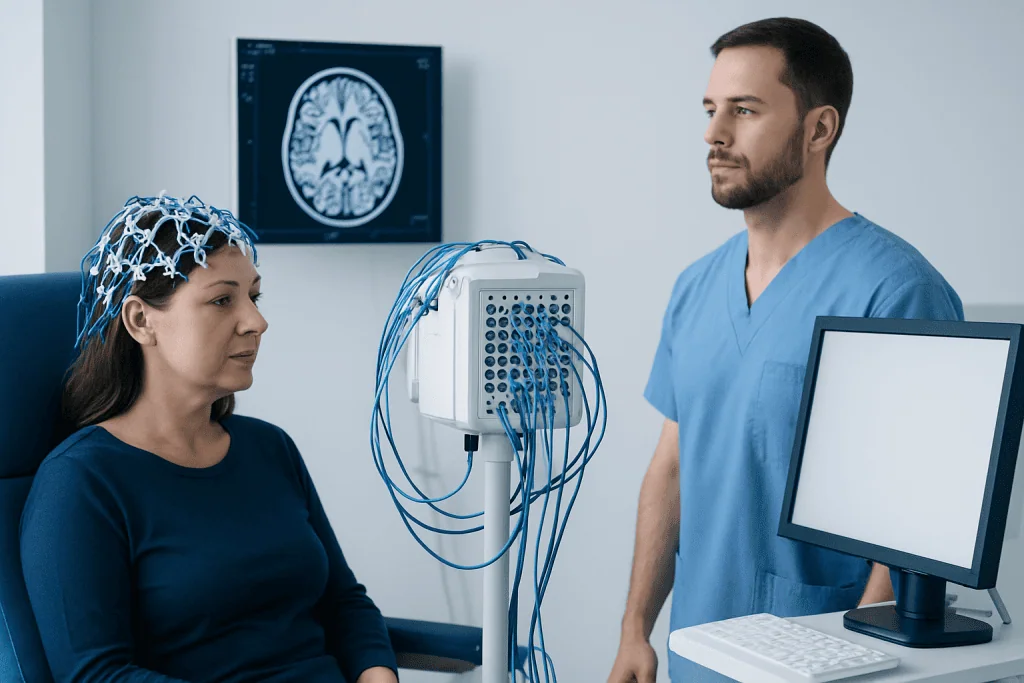
Neurological symptoms do not always look dramatic. Sometimes they develop suddenly, as in a stroke or seizure. In other cases they appear gradually over weeks, months, or years, such as increasing hand tremor, memory decline, balance problems, or slowly progressive weakness. The pattern often helps doctors understand the likely cause.
Symptoms may affect one part of the body or several body systems at once. For example, a person may have numb fingers from a compressed nerve in the wrist, or may have numbness plus balance trouble and vision changes from a condition affecting the central nervous system. Paying attention to when symptoms started, how long they last, and what makes them better or worse can be very useful.
Not every symptom comes from the brain itself. Nerve roots in the spine, peripheral nerves in the arms and legs, muscles, and even blood vessels can all contribute to neurological complaints. That is why a careful evaluation often looks beyond one symptom in isolation and considers the whole pattern.
Common warning signs and symptoms

The signs of a neurological disorder depend on which part of the nervous system is involved. Common symptoms include headaches, facial drooping, dizziness, fainting, weakness, numbness, tingling, tremor, difficulty walking, poor coordination, memory changes, confusion, sleep changes, and problems with speech or swallowing. Some people develop vision changes such as blurred vision, double vision, or partial vision loss.
Seizures, muscle stiffness, involuntary movements, and chronic pain can also occur. In nerve-related conditions, symptoms may begin in the hands or feet, causing burning, reduced sensation, or clumsiness. In disorders affecting the spine, neck or back pain may occur with weakness, numbness, or changes in bladder or bowel control.
Symptoms that deserve urgent attention include:
- Sudden weakness or numbness, especially on one side of the body
- Sudden trouble speaking, understanding, seeing, or walking
- A sudden, severe headache unlike usual headaches
- A first seizure or repeated seizures
- New confusion, collapse, or loss of consciousness
- Sudden loss of balance or severe dizziness with other neurological signs
- Loss of bladder or bowel control with back pain or leg weakness
These signs do not always mean a life-threatening problem, but they should not be ignored because early treatment can be important.
Common causes and risk factors
There is no single cause of neurological disorder. Some conditions develop because of reduced blood flow to the brain, as seen in stroke or transient ischemic attack. Others result from abnormal electrical activity in the brain, inflammation of the nervous system, autoimmune disease, infections, inherited conditions, tumors, trauma, or gradual degeneration of nerve cells. Disorders of the spine can affect the spinal cord or pinch nerves, producing pain, weakness, or altered sensation.
Metabolic and systemic conditions may also affect nerve function. Diabetes can damage peripheral nerves, vitamin deficiencies can interfere with nerve signaling, thyroid problems may contribute to weakness or cognitive changes, and kidney or liver disease can lead to confusion or neuropathy. Certain medications, alcohol misuse, and exposure to toxins can also affect the nervous system.
Risk factors vary by condition but may include older age, high blood pressure, diabetes, smoking, high cholesterol, head injury, infections, autoimmune disease, family history, and prolonged nerve compression from repetitive activities or poor posture. Because symptoms overlap, it is not always possible to tell the cause based on symptoms alone.
Sometimes neurological symptoms are related to a structural problem that may need imaging or specialist treatment, such as a herniated disc causing nerve pressure or a brain lesion affecting movement or speech. In selected cases, a doctor may discuss options such as Gamma Knife radiosurgery or deep brain stimulation when these are appropriate for the underlying diagnosis rather than the symptom itself.
How doctors diagnose a neurological disorder
Diagnosis begins with a detailed medical history and neurological examination. A doctor will usually ask when symptoms started, whether they came on suddenly or gradually, how often they happen, and whether there are associated symptoms such as fever, pain, weakness, or memory change. The neurological exam may assess strength, reflexes, balance, coordination, speech, sensation, eye movements, and mental status.
Additional tests depend on the suspected cause. Brain or spine imaging may be used to look for stroke, bleeding, tumors, inflammation, or nerve compression. If weakness, numbness, or pain suggests a nerve problem, a doctor may recommend EMG electromyography to evaluate muscles and nerve signals. Blood tests can look for infection, inflammation, vitamin deficiency, metabolic disorders, or autoimmune conditions.
In some cases, electroencephalography is used to investigate seizures, while lumbar puncture may help diagnose infections or inflammatory disorders. Cognitive testing may be helpful when memory or thinking changes are present. The main goal is to identify whether symptoms come from the brain, spinal cord, peripheral nerves, muscles, or another medical condition that affects the nervous system.
Because neurological disorders can overlap, diagnosis may take more than one visit or test. A clear diagnosis allows treatment to be better targeted and helps patients understand what to expect.
Treatment options and long-term management
Treatment depends entirely on the underlying diagnosis. Some conditions require urgent care, such as stroke, severe infection, spinal cord compression, or repeated seizures. Others are managed over time with medication, physical therapy, occupational therapy, speech therapy, counseling, or lifestyle adjustments. The aim may be to treat the cause, reduce symptoms, prevent complications, and improve daily function.
For example, migraine may be managed with trigger control and preventive or symptom-relief medicines, while neuropathy may improve when blood sugar, vitamin levels, or another underlying cause is treated. Autoimmune neurological conditions may need immunotherapy. Movement disorders, including Parkinson's disease, may be treated with medication and, in selected patients, advanced therapies. Certain chronic pain or spasticity symptoms also benefit from rehabilitation and supportive care.
Recovery often involves more than medicine alone. Physical therapy may improve strength and balance, occupational therapy can support independence in daily tasks, and speech therapy may help with communication or swallowing difficulties. Sleep, hydration, balanced nutrition, and treatment of conditions such as high blood pressure or diabetes are also important parts of nervous system health.
For international patients seeking evaluation, Acibadem International’s multidisciplinary specialists in JCI-accredited hospitals diagnose and treat many neurological conditions, including those that may require coordinated care between neurology, neurosurgery, rehabilitation, and imaging teams.
Prevention and self-care for neurological health
Not every neurological disorder can be prevented, but some risks can be reduced. Managing blood pressure, diabetes, and cholesterol helps protect blood vessels that supply the brain and nerves. Avoiding smoking, limiting alcohol, staying physically active, and following a balanced diet support both brain and nerve health. Protective headgear and seat belt use can reduce the risk of traumatic injury.
People with recurring symptoms such as headache, tremor, or numbness may benefit from keeping a symptom diary. Recording the timing, duration, triggers, and associated features can help a doctor identify patterns. Good sleep, stress management, and regular medical follow-up are also valuable because sleep deprivation and stress can worsen several neurological problems.
Self-care should never replace medical assessment for new, severe, or progressive symptoms. It is safest to avoid self-diagnosing online when there is sudden weakness, vision loss, severe headache, or a first seizure. Early medical evaluation can make a meaningful difference in treatment planning and recovery.
When to seek medical care
Emergency care is needed for sudden signs of possible stroke, such as facial drooping, arm weakness, trouble speaking, sudden confusion, or abrupt vision loss. Immediate help is also important for a first seizure, a seizure lasting longer than usual, a severe thunderclap headache, loss of consciousness, or sudden inability to walk. These symptoms should be treated as urgent even if they improve.
A prompt medical appointment is also appropriate for persistent numbness, repeated falls, worsening tremor, new memory problems, ongoing dizziness, progressive weakness, or headaches that are becoming more frequent or different from usual. Back or neck pain with arm or leg weakness, saddle numbness, or bladder or bowel changes also needs urgent evaluation because it may suggest significant nerve or spinal cord compression.
Children, older adults, pregnant people, and anyone with cancer, immune suppression, or recent major infection may need earlier assessment when neurological symptoms occur. When in doubt, contacting a qualified doctor is the safest step, especially if symptoms are new, unexplained, or interfering with daily life.
Frequently asked questions
What is considered a neurological disorder?
A neurological disorder is any condition that affects the brain, spinal cord, or nerves. It can interfere with movement, sensation, memory, speech, balance, behavior, or automatic body functions.
What are the first signs of a neurological disorder?
Early signs vary, but common ones include headaches, numbness, tingling, weakness, dizziness, tremor, memory changes, or trouble with balance. Some symptoms begin gradually, while others start suddenly and need urgent medical attention.
When should neurological symptoms be treated as an emergency?
Emergency evaluation is important for sudden weakness, facial drooping, trouble speaking, severe new headache, seizure, fainting, sudden confusion, or sudden vision loss. These can be signs of stroke, bleeding, seizure disorder, or another serious condition.
Can stress cause neurological symptoms?
Stress itself can worsen symptoms such as headache, dizziness, tingling, tremor, sleep problems, or difficulty concentrating. However, not all neurological symptoms are caused by stress, so persistent, severe, or unusual symptoms should still be assessed by a doctor.
How is a neurological disorder diagnosed?
Diagnosis usually starts with a medical history and neurological examination. Depending on the symptoms, doctors may also use blood tests, brain or spine imaging, EEG, or nerve and muscle studies to identify the cause.
Are neurological disorders always permanent?
No. Some neurological problems are temporary or reversible, such as symptoms related to migraine, infection, vitamin deficiency, medication effects, or a pinched nerve. Others are chronic and need long-term treatment and follow-up.
References
- World Health Organization
- National Institute of Neurological Disorders and Stroke
- Centers for Disease Control and Prevention
- National Institute on Aging
- American Academy of Neurology
This article is for general information only and is not a substitute for professional medical advice. Please consult a qualified doctor about your individual situation.
Joint and spine care in Turkey — expert assessment & treatment
JCI-accredited · board-certified surgeons · reply within 24h
Add us as a Preferred Source to see more of our trusted health content across Google Search, AI Overviews and Discover.

More from the Health Library



Related Specialists

Prof. Dr. Nur Aydinli
Pediatric Neurology
Dyt. Eylül Çarpar
Nutrition & Diet
Prof. Dr. Meltem Vural
Physical Medicine & Rehabilitation
Prof. Dr. Erkan Vardareli
Nuclear Medicine