Bloatedness in pregnancy: A Complete Medical Guide for Patients

Bloatedness in pregnancy is usually linked to progesterone, slower bowel movement, and pressure from the growing uterus. Mild bloating and gas are common, but severe pain, vomiting, fever, bleeding, or reduced bowel movements need medical advice.
Key Takeaways
- Bloatedness in pregnancy is usually linked to progesterone, slower bowel movement, and pressure from the growing uterus.
- Mild bloating and gas are common, but severe pain, vomiting, fever, bleeding, or reduced bowel movements need medical advice.
- Small meals, fluids, fiber, and regular gentle activity often help reduce discomfort.
- Symptoms can overlap with constipation, reflux, food intolerance, or less commonly gallbladder or bowel problems.
- Pregnant patients should speak with a clinician before using over-the-counter remedies or supplements for bloating.
Bloatedness in pregnancy is a common symptom that often starts early and may continue as the body adapts to hormonal changes, slower digestion, and the growing uterus. In most cases it is manageable with diet, hydration, gentle movement, and medical guidance when symptoms are severe or unusual.
Overview: what bloatedness in pregnancy usually means
Bloatedness in pregnancy usually means a feeling of fullness, tightness, pressure, or visible swelling in the abdomen, often together with gas, burping, or constipation. For many people, this begins in the first trimester because pregnancy hormones start changing digestion very early. Although uncomfortable, it is commonly a normal body response to pregnancy rather than a sign of harm to the baby.
The symptom can feel different from person to person. Some describe a heavy or stretched belly after eating only a small amount, while others notice trapped gas, cramping, or alternating constipation and loose stools. These digestive changes can become more noticeable later in pregnancy as the uterus grows and takes up more space in the abdomen.
Because bloating is so common, it can be overlooked. Still, it deserves attention when it becomes persistent, painful, or different from a person’s usual pregnancy symptoms. A careful medical review helps separate common digestive discomfort from conditions that may need treatment, including significant constipation, reflux, infection, or another abdominal problem.
How bloating feels and related symptoms
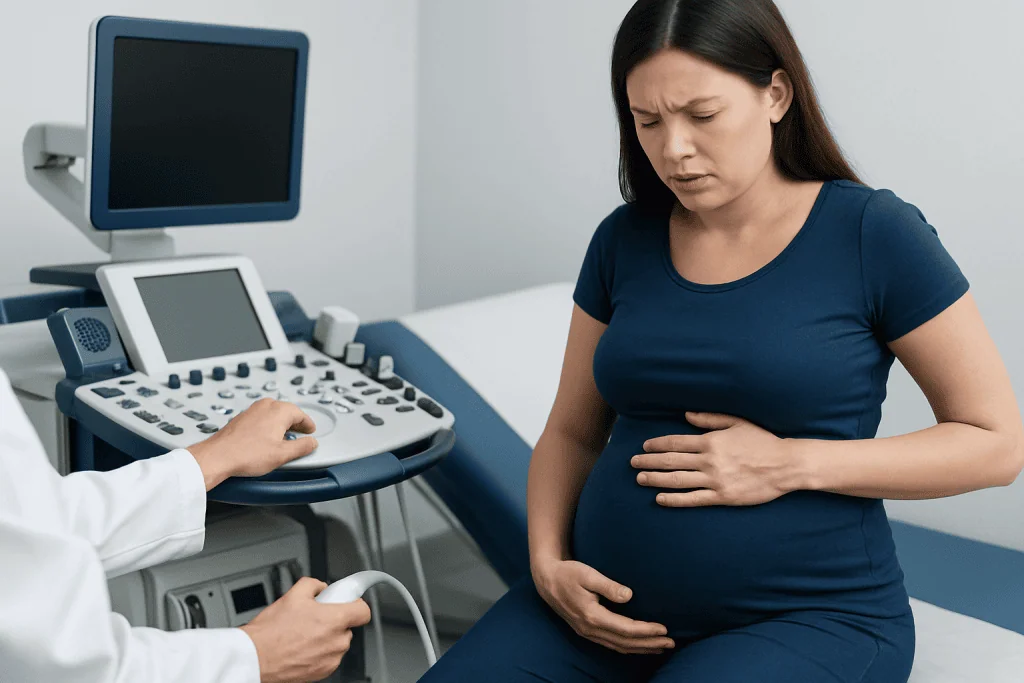
Pregnancy bloating often causes a sensation of abdominal pressure or puffiness, especially after meals. Clothing may feel tighter even before there is a visible pregnancy bump. Some people also notice more burping, passing gas, rumbling in the abdomen, or a sense that food is “sitting” in the stomach longer than usual.
Other symptoms commonly occur alongside bloating. These include constipation, mild nausea, heartburn, reduced appetite, and temporary cramp-like discomfort from trapped gas. Symptoms may come and go during the day and can worsen after large meals, carbonated drinks, or long periods of sitting.
It can help to notice patterns. Bloating that follows specific foods may suggest food sensitivity or constipation rather than pregnancy alone. If symptoms are paired with strong upper abdominal pain, ongoing vomiting, diarrhea, fever, vaginal bleeding, or inability to pass stool or gas, the cause may be more than ordinary pregnancy bloating and should be assessed.
- Common sensations: fullness, tightness, gas, burping, mild cramping
- Common related issues: constipation, nausea, reflux, early fullness
- Concerning features: severe or one-sided pain, fever, vomiting, bleeding, faintness
Why bloatedness in pregnancy happens
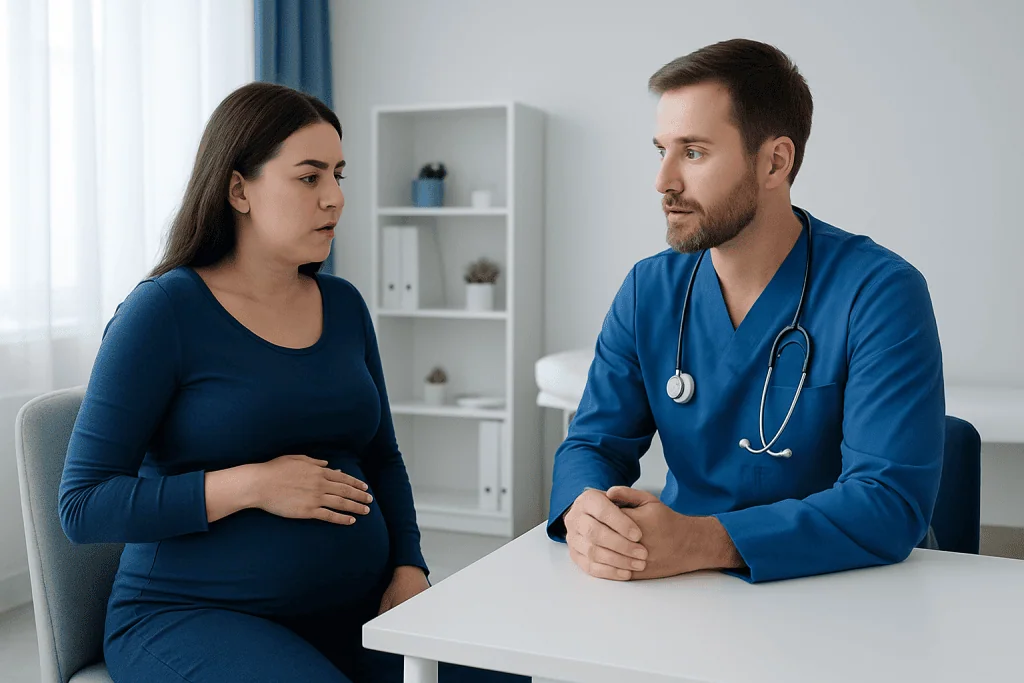
The main reason for bloatedness in pregnancy is hormonal change. Progesterone rises during pregnancy and relaxes smooth muscle throughout the body, including the digestive tract. This slows the movement of food through the stomach and intestines, which can lead to gas buildup, constipation, and a more pronounced feeling of fullness.
Physical changes also play a role. As the uterus grows, it can put pressure on the intestines and stomach, especially in the second and third trimesters. This pressure may slow digestion further and make heartburn or bloating more noticeable. At the same time, prenatal vitamins that contain iron may contribute to constipation in some patients.
Diet and routine can add to the problem. Eating quickly, swallowing air, drinking fizzy beverages, having a low-fiber diet, or becoming less active because of fatigue or discomfort may all increase bloating. Sometimes the symptom overlaps with common digestive conditions such as gastroesophageal reflux disease or with constipation that needs a more focused plan.
Less often, bloating may be related to another condition rather than pregnancy itself. Examples include food intolerance, viral stomach illness, gallbladder disease, urinary problems, or bowel conditions. A clinician considers the full pattern of symptoms, pregnancy stage, and examination findings before deciding whether testing is needed.
Risk factors and triggers that can make it worse
Some pregnant patients are more likely to experience bothersome bloating than others. A history of constipation, irritable bowel symptoms, acid reflux, or food intolerance may increase sensitivity to the normal digestive slowing that happens in pregnancy. Reduced physical activity, dehydration, and irregular meal patterns can also worsen symptoms.
Certain foods and eating habits commonly trigger more gas. These can include beans, onions, fried foods, highly processed snacks, carbonated drinks, artificial sweeteners, and very large meals. However, triggers vary widely, and not every pregnant person needs to avoid the same foods. Keeping a simple food and symptom diary may help identify personal patterns without becoming overly restrictive.
Stress can also amplify digestive discomfort. The brain and gut communicate closely, and tension may worsen the sensation of bloating or alter bowel habits. Supportive routines such as regular meals, gentle walking, sleep, and relaxation can therefore be useful parts of symptom control alongside medical advice.
How doctors evaluate bloating during pregnancy
Diagnosis starts with a conversation about symptoms rather than tests alone. A doctor or midwife usually asks when bloating began, whether it is linked to meals or bowel changes, and whether there are warning signs such as vomiting, fever, bleeding, weight loss, severe tenderness, or difficulty passing stool. They also review medications, supplements, and prenatal vitamins.
A physical examination may include checking the abdomen for tenderness, swelling, bowel sounds, and signs of constipation or reflux. In many cases, no advanced testing is needed when symptoms fit the usual pattern of pregnancy-related digestive slowing and there are no alarm features. This conservative approach helps avoid unnecessary interventions.
If symptoms are severe, persistent, or unusual, further assessment may be appropriate. Depending on the clinical picture, this can include blood tests, urine testing, or imaging that is considered safe in pregnancy, such as ultrasound. The aim is to rule out problems such as dehydration, infection, gallbladder disease, urinary conditions, or significant bowel issues. When symptoms seem linked to chronic constipation, clinicians may also evaluate for related digestive concerns such as constipation.
Treatment options and safe symptom relief
Treatment for bloatedness in pregnancy depends on the cause and severity. For straightforward pregnancy-related bloating, the first steps are usually non-drug measures: smaller, more frequent meals, slower eating, adequate water intake, and gentle daily activity. Many patients feel better when they avoid lying down immediately after meals and reduce foods that clearly trigger gas for them.
When constipation is part of the problem, increasing dietary fiber gradually may help, especially from fruits, vegetables, oats, and legumes if tolerated. Some patients also benefit from clinician-approved stool-softening or bowel-regulating options during pregnancy. Because not every over-the-counter remedy is appropriate in pregnancy, it is important to ask a healthcare professional before using antacids, gas remedies, laxatives, or herbal products.
If reflux is contributing to the feeling of abdominal fullness, treatment may include posture changes, meal timing, and medications selected by a clinician when needed. In some cases, more focused care from gastroenterology specialists can help sort out overlapping digestive symptoms and tailor a safe management plan during pregnancy.
When another condition is identified, treatment is directed to that cause. For example, abdominal pain related to gallbladder disease, urinary infection, or another medical issue is managed differently from simple gas and bloating. Near the end of the care journey, some international patients may seek evaluation through Acibadem International, where multidisciplinary specialists in JCI-accredited hospitals assess pregnancy-related digestive symptoms and related conditions.
Prevention and self-care in daily life
It may not be possible to prevent pregnancy bloating completely, but daily habits can reduce how often it happens and how intense it feels. Eating smaller portions more often can limit stomach stretching and reduce pressure. Chewing food well and eating slowly may also decrease swallowed air, which can otherwise add to gas.
Hydration is important, especially when constipation is present. Many patients benefit from regular fluid intake spread throughout the day rather than drinking large amounts at once. Gentle exercise such as walking can stimulate bowel movement and help gas move through the intestines. If a clinician recommends it, pregnancy-safe stretching or prenatal exercise may also support comfort.
A practical self-care plan often includes a few simple steps:
- Choose smaller, balanced meals and snacks
- Limit carbonated drinks if they worsen symptoms
- Add fiber gradually rather than all at once
- Stay active with gentle, regular movement
- Discuss prenatal vitamins with a clinician if iron seems to worsen constipation
- Seek advice before trying supplements or over-the-counter products
If the symptom is frequent or confusing, keeping a record of meals, bowel habits, and associated symptoms can be useful. This kind of symptom tracking often helps a clinician decide whether the pattern fits normal pregnancy changes or whether another digestive issue should be evaluated.
When to seek medical care
Most bloatedness in pregnancy can be discussed at a routine prenatal visit, especially if it is mild and improves with lifestyle changes. However, medical advice should be sought sooner if the bloating is severe, keeps returning despite self-care, or clearly differs from previous pregnancy symptoms. The goal is not to assume every symptom is “just pregnancy” when a treatable condition may be present.
Urgent assessment is important if bloating comes with severe abdominal pain, fever, repeated vomiting, faintness, chest pain, shortness of breath, vaginal bleeding, painful urination, dehydration, or inability to pass stool or gas. A sudden increase in abdominal swelling with significant discomfort may also need prompt review. These symptoms do not always mean a serious problem, but they deserve timely medical evaluation.
Patients with ongoing digestive symptoms, prior bowel disease, or repeated emergency visits may need coordinated care. In selected cases, clinicians may involve obstetrics together with general surgery or digestive specialists if another abdominal condition is suspected. A qualified doctor can decide which symptoms are expected in pregnancy and which require further testing or treatment.
Frequently asked questions
Is bloatedness in pregnancy normal?
Yes, bloatedness in pregnancy is very common and is usually related to hormonal changes that slow digestion. It may start early in the first trimester and continue at different times throughout pregnancy. Even though it is often normal, severe or unusual symptoms should still be discussed with a clinician.
When does pregnancy bloating usually start?
Many people notice bloating quite early, sometimes before the pregnancy is visibly showing. This happens because progesterone begins affecting the digestive tract soon after conception. Later in pregnancy, the growing uterus can add more pressure and make the sensation stronger.
What helps relieve gas and bloating during pregnancy?
Common helpful steps include smaller meals, drinking enough water, walking regularly, eating slowly, and avoiding foods that clearly trigger symptoms. If constipation is present, gradual fiber intake may help. Any medicine, supplement, or over-the-counter remedy should be checked with a doctor or midwife first.
Can constipation cause bloatedness in pregnancy?
Yes, constipation is one of the most common reasons bloating feels worse in pregnancy. Slower bowel movement allows gas and stool to build up, which increases pressure and discomfort. Treating constipation safely during pregnancy often improves bloating as well.
How can someone tell the difference between normal bloating and something more serious?
Normal bloating is usually mild to moderate, fluctuates during the day, and often relates to meals, gas, or bowel habits. Warning signs include severe pain, persistent vomiting, fever, vaginal bleeding, fainting, painful urination, or inability to pass stool or gas. These symptoms need medical review because they may point to another condition.
Are bloating remedies from the pharmacy safe during pregnancy?
Not all remedies are appropriate during pregnancy, even if they are sold without a prescription. Some products may be acceptable in certain situations, while others are best avoided. A clinician or pharmacist should confirm what is safe based on the stage of pregnancy and the person's medical history.
References
- American College of Obstetricians and Gynecologists
- National Health Service
- National Institute of Diabetes and Digestive and Kidney Diseases
- Mayo Clinic
- World Health Organization
This article is for general information only and is not a substitute for professional medical advice. Please consult a qualified doctor about your individual situation.
Persistent digestive symptoms? Get evaluated in Turkey
JCI-accredited · board-certified surgeons · reply within 24h
Add us as a Preferred Source to see more of our trusted health content across Google Search, AI Overviews and Discover.