Treat tonsils at home: What Works at Home, What Doesn’t, and When to See a Doctor

Most sore or swollen tonsils improve with supportive care, especially when caused by viral infections. Evidence-backed home measures include fluids, rest, salt-water gargles, humidified air, and age-appropriate pain relief.
Key Takeaways
- Most sore or swollen tonsils improve with supportive care, especially when caused by viral infections.
- Evidence-backed home measures include fluids, rest, salt-water gargles, humidified air, and age-appropriate pain relief.
- Antibiotics are only useful for certain bacterial infections, such as confirmed strep throat.
- Honey may soothe a sore throat in people over 1 year old, but many other popular remedies have limited evidence.
- Urgent medical care is needed for breathing difficulty, drooling, dehydration, severe worsening pain, or signs of an abscess.
To treat tonsils at home, the most reliable measures are rest, hydration, soothing warm or cool fluids, salt-water gargles, and appropriate over-the-counter pain relief if a clinician says these are safe. Home care can ease symptoms, but it does not replace medical evaluation when there are red-flag symptoms such as trouble breathing, dehydration, severe one-sided throat pain, or a high fever.
Overview: Can Tonsils Be Treated at Home?
Many people use the phrase treat tonsils at home when they mean easing pain, swelling, and throat irritation caused by inflamed tonsils. In practical terms, home care can help the body recover and can reduce discomfort, especially when the cause is a common viral infection. The most useful measures are simple and supportive: drinking enough fluids, resting, gargling with warm salt water, using a humidifier, and taking suitable pain relief after reading the label or checking with a doctor.
What home care cannot do is diagnose the cause. Tonsil symptoms may come from a virus, a bacterial infection such as strep throat, allergies, dry air, or irritation. Because treatment depends on the cause, it is important to know the limits of self-care. A person who has severe symptoms, repeated episodes, or symptoms that do not improve may need assessment for tonsillitis or another throat condition.
This article takes an evidence-based approach: it separates remedies that are reasonably supported by clinical practice from those that are mostly anecdotal. It also explains when home care is appropriate, what is unlikely to help, and when prompt medical attention is the safer choice.
Symptoms Home Care May Help Relieve
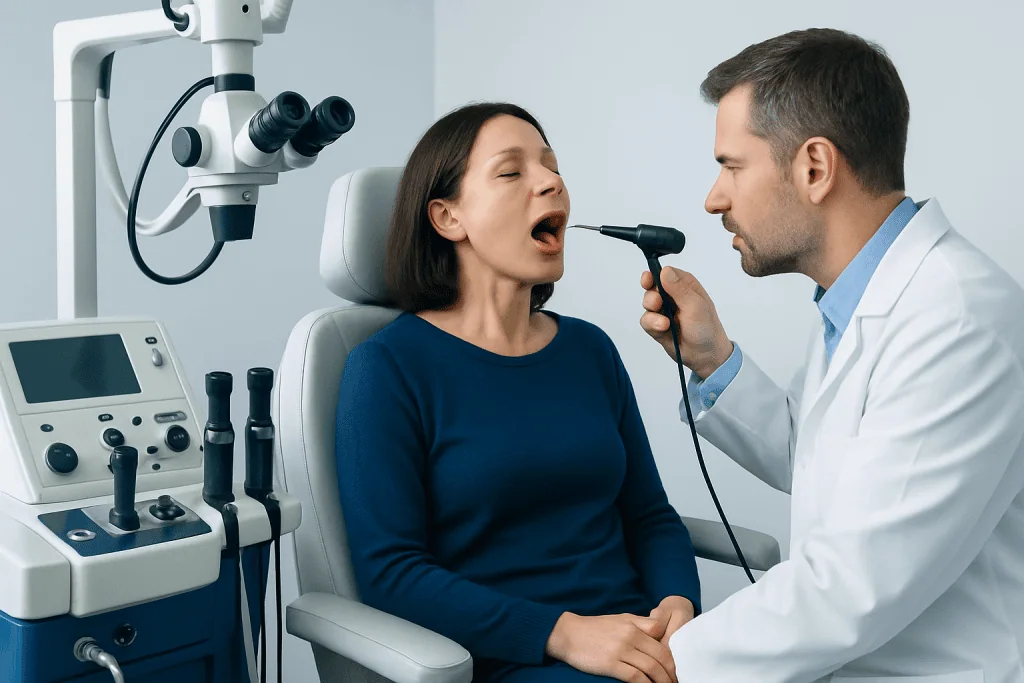
Inflamed tonsils can cause a range of symptoms, and supportive care is mainly aimed at comfort. Common symptoms include throat pain, pain with swallowing, a scratchy or dry feeling in the throat, swollen tonsils, bad breath, fever, and enlarged glands in the neck. Children may also seem irritable, eat less, or complain of ear pain because throat pain can be felt in nearby areas.
When tonsils are enlarged, they may appear red or have white patches. These signs do not always mean a bacterial infection; both viral and bacterial illnesses can look similar. Home care may help reduce the soreness and dryness that make swallowing difficult, and it may improve sleep if nasal congestion or mouth breathing is making the throat feel worse.
Symptoms alone do not always show how serious the problem is. Mild to moderate discomfort that improves over a few days often responds well to self-care. However, symptoms that are rapidly worsening, very intense, or accompanied by breathing problems need medical attention rather than more home remedies.
What Works at Home: Remedies With the Best Support

Hydration is one of the most important steps. Water, warm broth, decaffeinated tea, or cold drinks can all be helpful, depending on what feels most soothing. Staying hydrated helps keep throat tissues moist and may make swallowing less painful. Cold items such as ice chips or popsicles can also provide temporary numbing relief, especially in children who are reluctant to drink.
Salt-water gargles are a simple, low-risk option for older children and adults who can gargle safely. Gargling with warm salt water may help loosen mucus, soothe irritated tissues, and reduce the feeling of throat swelling. It is not a cure, but it is one of the most widely recommended supportive measures in routine throat care.
Rest and humidity also matter. Illness often feels worse when the body is run down, so adequate sleep and avoiding heavy exertion may support recovery. A cool-mist humidifier or steamy shower can add moisture to dry indoor air, which may reduce throat irritation. Avoiding cigarette smoke and other irritants is equally important because these can worsen pain and inflammation.
Over-the-counter pain relief can be useful when taken as directed and when appropriate for the person’s age and medical history. Acetaminophen or ibuprofen are commonly used to reduce throat pain and fever. Labels should be followed carefully, and some people should avoid certain medicines because of stomach ulcers, kidney disease, liver disease, blood thinners, or other health concerns. A pharmacist or doctor can advise if there is any doubt.
What May Help a Little, and What Does Not Have Strong Evidence
Some popular remedies may be soothing even though the medical evidence is limited. Honey can coat the throat and may reduce irritation or coughing, but it should only be used in people older than 1 year because of the risk of infant botulism in younger babies. Warm drinks with honey may be comforting, although they do not treat the infection itself. Herbal teas, throat lozenges, and warm soups may also help some people feel better, mainly by keeping the throat moist.
Other remedies are more anecdotal than evidence-based. These include apple cider vinegar, strong essential oils, garlic preparations, or highly spicy drinks advertised as “natural antibiotics.” There is not good clinical evidence that these shorten illness or treat swollen tonsils, and some can irritate the throat further. Undiluted acidic or harsh substances may increase burning and discomfort rather than help.
It is also important to be cautious with overuse of numbing sprays, medicated lozenges, or combination cold medicines. These products may temporarily mask symptoms, but they are not always suitable for children and may contain ingredients that overlap with other medicines. Home care works best when it focuses on hydration, symptom relief, and rest rather than aggressive or unproven remedies.
- Reasonably supported: fluids, salt-water gargles, humidified air, rest, cold or warm soothing foods, age-appropriate pain relief.
- May soothe but limited evidence: honey for people over 1 year, lozenges for older children and adults, herbal teas.
- Not well supported or potentially irritating: undiluted vinegar, essential oils taken by mouth, very spicy mixtures, smoking or vaping for “relief.”
Causes, Risk Factors, and Why the Cause Matters
Tonsils are part of the immune system and help react to germs entering through the mouth and nose. They can become inflamed from viral infections, which are the most common cause of sore throats, or from bacterial infections, including group A streptococcus. Viral infections usually improve with supportive care. Bacterial infections may need specific treatment after medical assessment.
Age, close contact settings, and exposure to respiratory infections can increase risk. School-aged children and teenagers commonly develop throat infections because they are often in close contact with others. Allergies, dry air, mouth breathing, acid reflux, and smoke exposure can also irritate the throat and make tonsil symptoms more noticeable, even when infection is not severe.
The cause matters because similar symptoms can have different treatments. A person with confirmed strep throat may need antibiotic therapy to lower the risk of complications and speed recovery. Recurrent or complicated infections may lead a specialist to evaluate whether tonsillectomy is appropriate. In some cases, doctors also assess related ENT conditions such as sleep apnea when enlarged tonsils affect breathing during sleep.
Diagnosis and Medical Treatment Options
A doctor usually begins with a medical history and throat examination. They may ask about fever, cough, exposure to strep, swallowing difficulty, snoring, repeated infections, and how long symptoms have lasted. Looking at the throat alone is not enough to reliably tell viral from bacterial causes, so the clinician may also examine the neck, ears, nose, and hydration status.
When strep throat is suspected, testing may include a rapid strep test or a throat culture. These tests help guide whether antibiotics are likely to help. If there is concern about an abscess, severe dehydration, or another complication, additional evaluation may be needed. Treatment then depends on the findings: supportive care for viral illness, antibiotics for confirmed bacterial infection, and sometimes drainage or hospital care for complications.
People with frequent episodes, significant tonsil enlargement, or complications may be referred to an ear, nose, and throat specialist. Some patients benefit from ENT evaluation to review recurrent infections, snoring, or obstructive symptoms. Near the end of the care pathway, Acibadem International’s multidisciplinary specialists in JCI-accredited hospitals assess and treat tonsil conditions for international patients when specialist care is needed.
Prevention and Self-Care During Recovery
Preventing repeated throat infections is not always possible, but a few practical habits can reduce spread and irritation. Good hand hygiene, not sharing drinks or utensils, and replacing a toothbrush after a confirmed bacterial throat infection are commonly recommended steps. People who smoke or vape may find that symptoms last longer or feel more intense, so avoiding these irritants during recovery is especially helpful.
Soft foods can make eating easier while the throat is sore. Yogurt, soup, mashed vegetables, oatmeal, smoothies, and cold soft foods are often easier to swallow than rough, dry, spicy, or acidic foods. Warm or cool foods can both be appropriate; the best choice is whichever feels less painful. The goal is to maintain fluids and nutrition without forcing uncomfortable swallowing.
Recovery also goes more smoothly when medicines are used carefully. Antibiotics should not be started without medical advice, and if prescribed, they should be taken exactly as directed. Children should not receive aspirin because of the risk of Reye syndrome. If symptoms are not improving, if fever persists, or if pain suddenly becomes worse, it is sensible to stop relying on home measures alone and seek professional advice.
When to Seek Medical Care
Seek urgent medical care right away if there is trouble breathing, noisy breathing, drooling because swallowing is too difficult, signs of dehydration, a stiff neck, marked sleepiness, or severe swelling that seems to block the throat. One-sided severe throat pain, a muffled “hot potato” voice, or difficulty opening the mouth can suggest a complication such as a peritonsillar abscess and should be assessed promptly.
Medical review is also important for a high or persistent fever, symptoms lasting more than a few days without improvement, repeated episodes of tonsillitis, a rash with sore throat, or known exposure to strep throat followed by worsening symptoms. Children, older adults, pregnant people, and those with weakened immune systems may need a lower threshold for evaluation.
In less urgent cases, a doctor should be consulted if home care is not clearly helping, if swallowing becomes progressively harder, or if snoring and breathing pauses during sleep are present. Home remedies can be useful for comfort, but they should not delay assessment when warning signs appear.
Frequently asked questions
What is the fastest way to treat tonsils at home?
The quickest symptom relief usually comes from combining fluids, rest, salt-water gargles, and suitable over-the-counter pain relief if it is safe for the person to use. Cold drinks, ice chips, or warm broth can also make swallowing easier. These measures help comfort, but they do not replace medical care if symptoms are severe or worsening.
Can home remedies cure tonsillitis?
Home remedies can ease pain and support recovery, but they do not "cure" every cause of tonsillitis. Viral tonsillitis often improves with supportive care alone, while bacterial infections such as strep throat may need antibiotics. A medical evaluation is important when symptoms are intense, prolonged, or accompanied by warning signs.
Is honey good for swollen tonsils?
Honey may soothe throat irritation and can be a reasonable comfort measure for people older than 1 year. It does not treat the underlying infection, but it may reduce the scratchy feeling in the throat. Honey should never be given to infants under 1 year old.
Should white spots on the tonsils always be treated with antibiotics?
No. White spots can appear with both viral and bacterial infections, so they do not automatically mean antibiotics are needed. A doctor may recommend a throat examination and, if appropriate, testing for strep throat before deciding on treatment.
When should a child with sore tonsils see a doctor?
A child should be seen promptly if there is trouble breathing, drooling, dehydration, severe pain, unusual sleepiness, or difficulty swallowing liquids. Medical review is also wise for high fever, repeated tonsil infections, or symptoms that are not improving. Children can become dehydrated faster than adults, so reduced drinking should be taken seriously.
Can enlarged tonsils go away on their own?
Yes, enlarged tonsils often shrink as an infection or irritation settles. However, if tonsils stay enlarged, cause repeated infections, or affect sleep and breathing, a doctor should evaluate the cause. Persistent enlargement may need specialist assessment.
References
- American Academy of Otolaryngology–Head and Neck Surgery
- Centers for Disease Control and Prevention
- National Health Service
- Mayo Clinic
- American Academy of Pediatrics
This article is for general information only and is not a substitute for professional medical advice. Please consult a qualified doctor about your individual situation.
Explore treatments in Turkey — costs, top hospitals & a free quote
JCI-accredited · board-certified surgeons · reply within 24h
Add us as a Preferred Source to see more of our trusted health content across Google Search, AI Overviews and Discover.