Grade 1 fatty liver: A Complete Medical Guide for Patients

Grade 1 fatty liver is an early, usually mild form of fat buildup in the liver. Many people have no symptoms, and the condition is often found on ultrasound or blood tests.
Key Takeaways
- Grade 1 fatty liver is an early, usually mild form of fat buildup in the liver.
- Many people have no symptoms, and the condition is often found on ultrasound or blood tests.
- Healthy weight loss, regular exercise, and limiting alcohol can help reduce liver fat.
- Doctors may check for diabetes, high cholesterol, high blood pressure, and other metabolic risk factors.
- Medical follow-up is important to monitor liver health and prevent progression.
Grade 1 fatty liver is the mildest stage of fatty liver disease, meaning a small amount of fat has built up in the liver. It often causes no symptoms and is commonly reversible with lifestyle changes and treatment of related conditions such as excess weight, diabetes, or high cholesterol.
What grade 1 fatty liver means
Grade 1 fatty liver means there is a mild amount of fat stored inside liver cells. It is generally considered the earliest stage of fatty liver disease and is often found before serious liver damage has developed. In many people, this stage can improve or even fully reverse when the underlying causes are addressed.
The liver plays an important role in metabolism, digestion, and filtering substances from the blood. When too much fat accumulates in the liver, these functions may gradually be affected over time. In grade 1 fatty liver, the changes are usually mild, but the finding is still important because it can be an early sign of broader metabolic health issues.
Doctors may describe fatty liver as alcohol-related or non-alcohol-related. A common modern term is metabolic dysfunction-associated steatotic liver disease, which overlaps with what many people still know as non-alcoholic fatty liver disease. The key point for patients is that grade 1 refers to severity of fat buildup, not necessarily permanent damage.
Symptoms and everyday signs
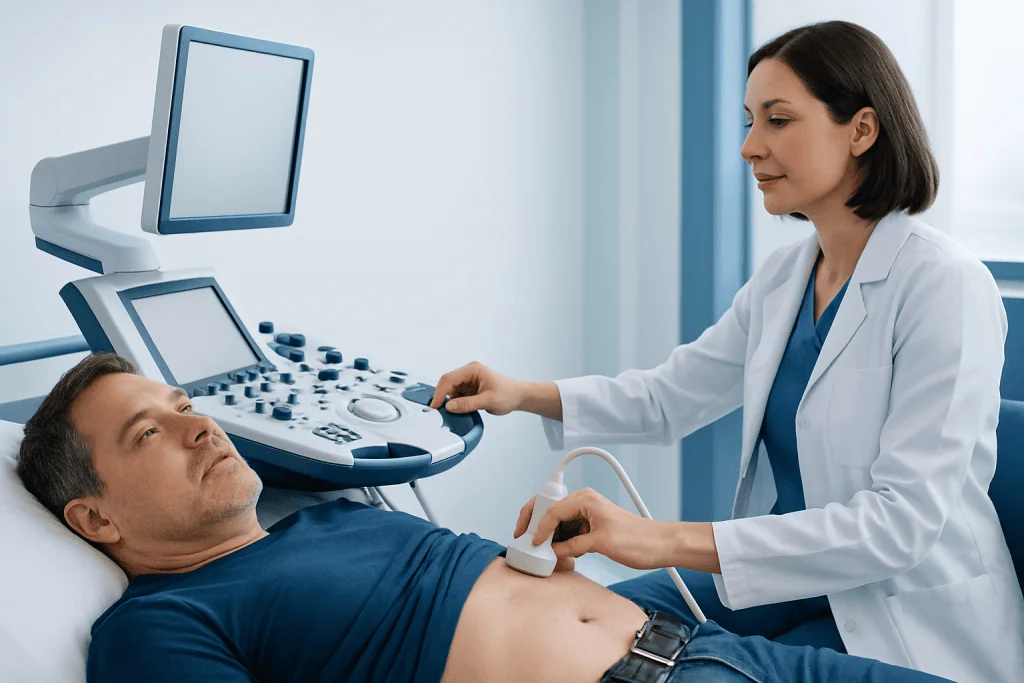
Most people with grade 1 fatty liver do not notice symptoms. The condition is often discovered during a routine ultrasound, a health check, or blood tests that show mildly elevated liver enzymes. Because it can be silent, many people are surprised to learn they have it.
When symptoms do occur, they are usually vague and non-specific. A person may feel tired, have a sense of heaviness or mild discomfort in the upper right side of the abdomen, or notice a general lack of energy. These symptoms do not confirm fatty liver on their own, but they may prompt further evaluation.
It is also common for grade 1 fatty liver to occur alongside other health concerns rather than causing clear symptoms itself. These may include increased waist size, high blood sugar, high triglycerides, or high blood pressure. For this reason, doctors look at the whole metabolic picture rather than the liver in isolation.
- Often no symptoms at all
- Possible tiredness or low energy
- Mild upper right abdominal discomfort
- Frequently associated with overweight, diabetes, or high cholesterol
Common causes and risk factors
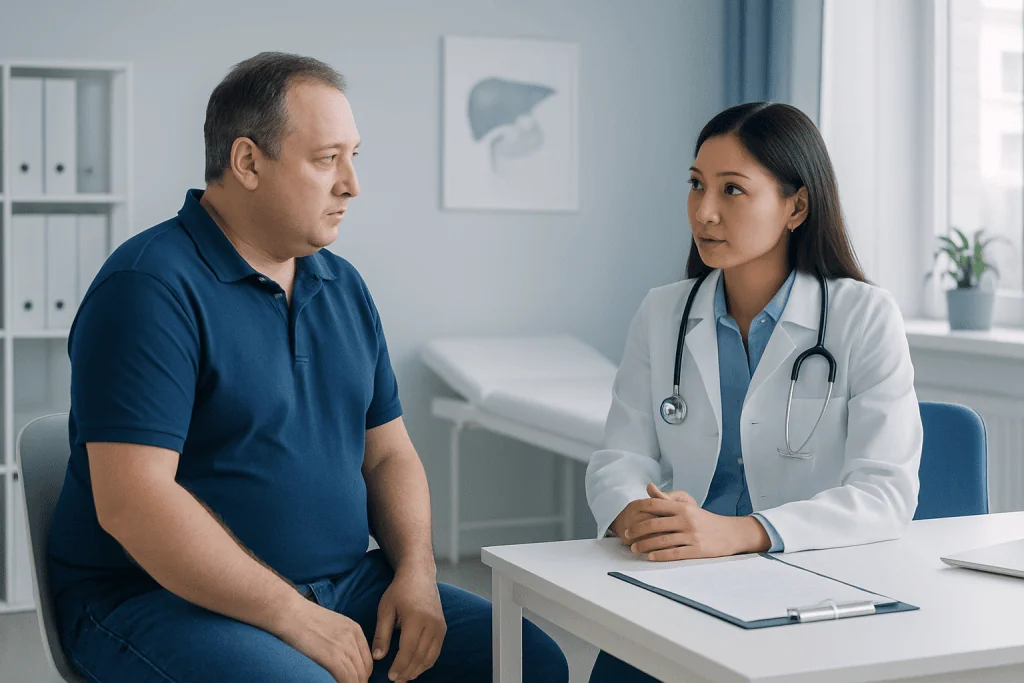
The most common cause of grade 1 fatty liver is metabolic imbalance. This includes overweight or obesity, insulin resistance, type 2 diabetes, high cholesterol, high triglycerides, and a sedentary lifestyle. Even people who are not obviously overweight can develop fatty liver if they have metabolic risk factors or excess abdominal fat.
Diet can also contribute. Regular intake of excess calories, sugary drinks, refined carbohydrates, and heavily processed foods may promote fat storage in the liver. Alcohol is another possible cause, and in some cases it may worsen fat accumulation even when metabolic factors are also present.
Other contributors include certain medicines, rapid weight loss, sleep apnea, hormonal conditions, and rarely some inherited or nutritional disorders. A doctor may also consider other liver conditions if test results are unusual, including viral hepatitis or other liver diseases that need a different approach. Understanding the cause helps guide the best treatment plan.
How doctors diagnose grade 1 fatty liver
Diagnosis usually begins with a medical history, physical examination, and blood tests. Doctors often ask about weight changes, alcohol intake, medicines, exercise habits, family history, and conditions such as diabetes or high cholesterol. Liver function tests may be normal or mildly abnormal, so blood tests alone do not always show the full picture.
Ultrasound is a common first imaging test because it is widely available and can detect fat in the liver. In many reports, the radiologist may describe mild fatty infiltration or grade 1 fatty liver. In some cases, additional imaging such as MRI or specialized liver assessment tools may be used to better measure fat content or look for signs of inflammation or scarring.
Doctors may also assess whether simple fat buildup has progressed to inflammation or fibrosis. This can involve blood-based scoring tools or noninvasive tests that estimate liver stiffness. Liver biopsy is not needed for most people with mild disease, but it may be considered if the diagnosis is unclear or there is concern about more advanced liver injury.
Treatment options and medical management
The main treatment for grade 1 fatty liver is to address the cause. For many people, this means gradual weight loss, healthier eating patterns, regular physical activity, and better control of diabetes, cholesterol, or blood pressure. There is no single medicine that works for every patient, so treatment is individualized.
Even modest weight reduction can lower liver fat and improve blood test results. Doctors usually recommend steady, sustainable changes rather than extreme diets. A balanced eating plan that emphasizes vegetables, fruits, whole grains, legumes, lean proteins, and healthy fats can support both liver and overall metabolic health.
If alcohol contributes to fatty liver, reducing or stopping alcohol is important. Medicines may be used to manage related conditions such as diabetes or abnormal lipids, but these are prescribed based on the person’s overall health, not only the liver finding. In selected cases, specialists may evaluate digestive and liver health more closely through a gastroenterology assessment or broader health check-up if multiple risk factors are present.
Lifestyle steps that can help reverse early fatty liver
Because grade 1 fatty liver is an early stage, self-care measures can make a meaningful difference. The goal is not quick results but steady improvement in liver fat and metabolic health. Small habits done consistently are often more helpful than short-term intensive efforts.
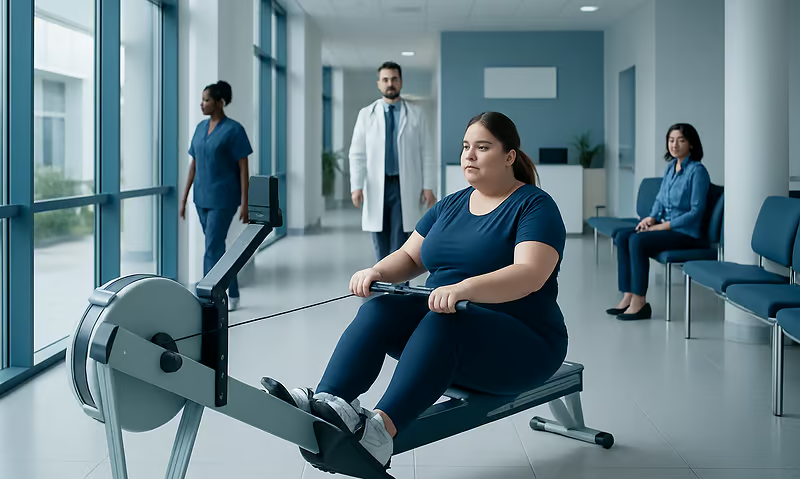
Regular exercise helps the liver use fat more efficiently, even before significant weight loss occurs. Many people benefit from combining aerobic activity, such as brisk walking or cycling, with strength training. Sleep, stress management, and smoking cessation are also important parts of overall health support.
- Aim for gradual weight loss if overweight
- Choose less sugar, fewer refined carbs, and fewer ultra-processed foods
- Exercise regularly most days of the week
- Limit or avoid alcohol unless a doctor advises otherwise
- Attend follow-up visits and repeat tests when recommended
- Manage diabetes, blood pressure, and cholesterol carefully
For international patients who need coordinated evaluation, Acibadem International’s multidisciplinary specialists and JCI-accredited hospitals diagnose and treat liver and metabolic conditions with individualized care plans.
When to seek medical care
A person should seek medical advice if grade 1 fatty liver is found on ultrasound or blood tests, even if they feel well. Early review helps confirm the cause, identify related conditions, and prevent progression. It is especially important to arrange follow-up if there is diabetes, obesity, high cholesterol, or regular alcohol use.
Prompt medical attention is also appropriate if symptoms become more noticeable, such as ongoing fatigue, persistent pain in the upper right abdomen, swelling, yellowing of the eyes or skin, dark urine, or unexplained weight loss. These symptoms do not always mean severe liver disease, but they deserve proper assessment.
Pregnant individuals, people taking multiple medicines, and those with a personal or family history of liver disease should not rely on self-diagnosis. A qualified doctor can decide whether simple monitoring is enough or whether more detailed tests are needed.
Frequently asked questions
Is grade 1 fatty liver serious?
Grade 1 fatty liver is usually considered a mild and early stage of fat buildup in the liver. It is often manageable and may improve with lifestyle changes, but it should not be ignored because it can progress if risk factors are not addressed.
Can grade 1 fatty liver be reversed?
Yes, grade 1 fatty liver can often be reversed, especially when it is related to weight, diet, inactivity, or alcohol use. Gradual weight loss, exercise, and treatment of related conditions such as diabetes or high cholesterol can help reduce liver fat.
What foods are helpful for grade 1 fatty liver?
A liver-friendly eating pattern usually includes vegetables, fruits, whole grains, legumes, fish or lean proteins, and healthy fats such as olive oil and nuts. Many doctors also advise reducing sugary drinks, refined carbohydrates, and heavily processed foods.
Does grade 1 fatty liver always cause symptoms?
No, many people with grade 1 fatty liver have no symptoms at all. It is commonly found by chance during an ultrasound or routine blood work.
How long does it take to improve grade 1 fatty liver?
Improvement can take weeks to months, depending on the cause and how consistently lifestyle changes are followed. Follow-up blood tests or imaging may be used to check progress over time.
Should a person with grade 1 fatty liver avoid alcohol completely?
Alcohol can worsen fat buildup and liver irritation, so many doctors advise limiting or avoiding it, especially until the cause is clear. The safest approach depends on the person's overall liver health, medical history, and how much alcohol they usually drink.
References
- World Health Organization
- National Institute of Diabetes and Digestive and Kidney Diseases
- American Association for the Study of Liver Diseases
- European Association for the Study of the Liver
- Centers for Disease Control and Prevention
This article is for general information only and is not a substitute for professional medical advice. Please consult a qualified doctor about your individual situation.
Medical weight-loss options in Turkey — costs & eligibility
JCI-accredited · board-certified surgeons · reply within 24h
Add us as a Preferred Source to see more of our trusted health content across Google Search, AI Overviews and Discover.
Check your numbers in seconds
BMI, calories, due date, blood pressure and 30+ more clinical calculators — free, instant, doctor-reviewed ranges.

More from the Health Library


Related Specialists

Dr. Dilek Çoban
Pediatrics
Assoc. Prof. Dr. Fuzuli Tuğrul
Radiation Oncology
Dr. Mehmet Can Şahin
Inpatient Clinic Physicians
Prof. Dr. Kahraman Öztürk
Orthopedic Surgery & Traumatology