

Surgical flap: A Complete Medical Guide for Patients

A surgical flap differs from a skin graft because it has its own blood supply. Flaps may be local, regional, or free flaps depending on how tissue is moved.
Key Takeaways
- A surgical flap differs from a skin graft because it has its own blood supply.
- Flaps may be local, regional, or free flaps depending on how tissue is moved.
- Doctors choose a flap based on the wound, tissue needs, blood flow, and overall health.
- Recovery includes wound care, activity limits, and close monitoring of blood supply.
- Smoking, diabetes, poor circulation, and infection can affect flap healing.
A surgical flap is a section of skin, fat, muscle, or other tissue moved from one part of the body to another while keeping or restoring its blood supply. It is commonly used to cover wounds, rebuild tissue after cancer or trauma, and improve healing when a simple skin graft is not enough.
Overview: what a surgical flap is
A surgical flap is tissue that is moved from one area of the body to another to repair a wound or rebuild a body part, while keeping its own blood vessels attached or reconnecting them during surgery. The tissue may include skin, fat, fascia, muscle, or bone, depending on what the area needs. Because the flap carries a blood supply, it can survive in places where a simple graft may not heal well.
This procedure is most often used in reconstructive surgery after trauma, tumor removal, infection, pressure injuries, or complex wounds. It may also be used to restore shape and function after procedures such as breast reconstruction or after removal of diseased tissue in skin cancer. In some cases, a flap helps protect deeper structures such as bone, tendons, nerves, or implants.
Patients often hear the terms flap and graft used together, but they are not the same. A skin graft is moved tissue that does not bring its own blood supply and must grow new connections from the wound bed. A flap is more complex, but it can be more reliable for deeper, larger, or poorly supplied wounds.
Why flap surgery is done
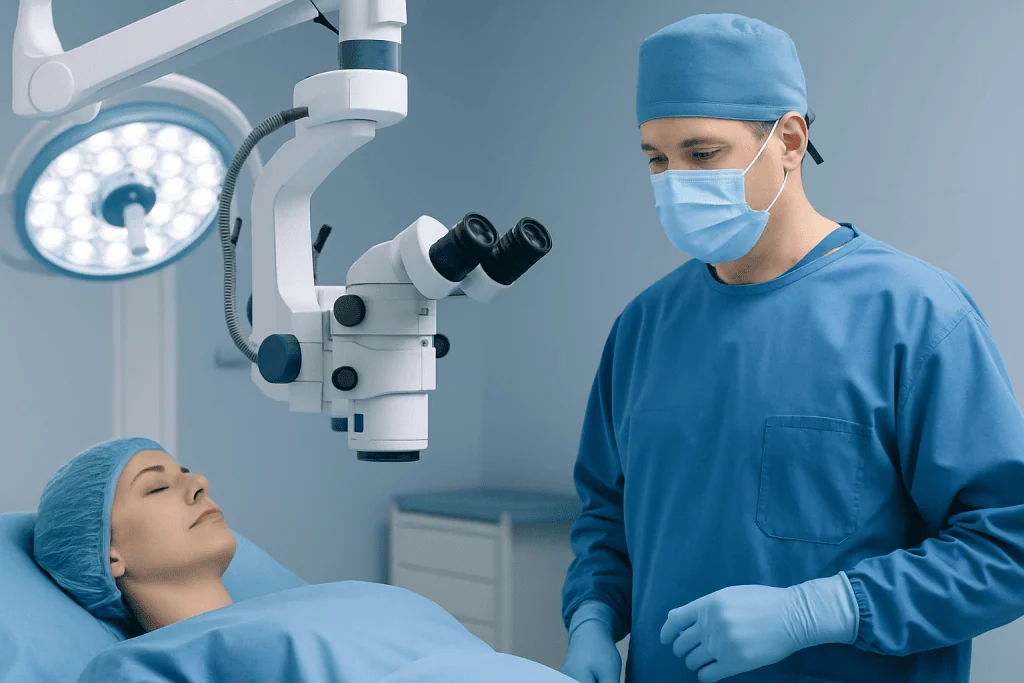
Doctors recommend flap surgery when a wound cannot close safely on its own or when the area needs more than surface coverage. This can happen after an accident, a burn, a severe infection, a chronic wound, or surgery to remove a tumor. Flap surgery may also be chosen to improve function, for example to support speaking, swallowing, walking, or hand movement.
Another major reason for flap surgery is reconstruction after cancer treatment. When a tumor is removed, there may be a gap in skin, soft tissue, or bone that needs to be rebuilt. In these situations, a flap can restore coverage and shape while helping the area heal. This is common in head and neck, breast, limb, and pelvic reconstruction, including some patients treated for breast cancer.
Flap procedures may also reduce the risk of long-term wound problems. By bringing healthy, well-supplied tissue into the area, surgeons can improve healing in places that have been scarred, irradiated, or infected. The goal is not only to close the defect, but also to protect function and support a durable recovery.
Types of surgical flaps

There are several types of surgical flaps, and the best choice depends on the size and location of the defect and the type of tissue required. A local flap uses nearby tissue and rotates, advances, or transposes it into the wound. A regional flap moves tissue from a nearby area while keeping its blood vessels connected through a tissue bridge called a pedicle.
A free flap is more complex. Tissue is fully detached from one part of the body and moved to another, where the surgeon reconnects small blood vessels using microsurgery. Free flaps are often used for larger reconstructions or when nearby tissue is not suitable. Some patients who need complex repair may be treated with reconstructive surgery that includes this approach.
The flap itself may contain different tissues depending on the problem being treated:
- Skin or fasciocutaneous flap: mainly skin and underlying tissue for coverage.
- Muscle or myocutaneous flap: muscle with or without skin, often used to fill deeper spaces.
- Bone-containing flap: used when structural support is needed, such as in jaw reconstruction.
- Perforator flap: tissue supplied by small vessels, often chosen to spare muscle when possible.
The surgeon balances reliability, appearance, function, donor site effects, and recovery time when selecting the flap. In many cases, the aim is to use the simplest option that can provide stable healing and good long-term results.
How doctors plan and perform flap surgery
Planning begins with a detailed assessment of the wound or surgical defect. The care team considers its size, depth, blood supply, signs of infection, and whether vital structures are exposed. The patient’s medical history also matters, especially circulation problems, diabetes, smoking, prior surgery, or past radiation treatment.
Imaging or vascular studies may be needed in some cases to map blood vessels before surgery. The surgeon also looks at possible donor sites, meaning the body area from which the flap will be taken. This helps estimate how much tissue is needed and what effect the donor site may have on strength, movement, and appearance.
During surgery, the flap is raised carefully to preserve or reconnect its blood supply. It is then shaped and secured into the recipient site, and drains may be placed to reduce fluid collection. Some donor sites can be closed directly, while others may need a skin graft for coverage. For selected patients, plastic and reconstructive teams may work alongside specialists in plastic and reconstructive surgery and other fields to plan the safest repair.
After the operation, close monitoring is essential, especially in the first hours and days. Nurses and surgeons check flap color, warmth, swelling, and capillary refill because these signs help show whether blood flow is adequate. Early recognition of a circulation problem can be very important.
Recovery, healing, and possible risks
Recovery after flap surgery varies widely. A small local flap may heal relatively quickly, while a free flap can require a longer hospital stay and a more gradual return to normal activities. Pain, swelling, bruising, and temporary numbness are common early on. Both the reconstructed area and the donor site need attention during healing.
Patients are usually advised to protect the flap from pressure, friction, and sudden stretching. Depending on the location, they may need special positioning, dressings, a splint, or limited weight bearing. Follow-up visits allow the team to remove drains or sutures, assess healing, and guide scar care and rehabilitation.
As with any operation, flap surgery carries risks. These include bleeding, fluid collection, infection, delayed wound healing, scarring, donor site discomfort, or partial flap loss. A flap may also fail if blood flow becomes blocked or inadequate. The risk is not the same for every patient and depends on the type of flap, the body area involved, and overall health.
Certain factors can make healing more difficult, including smoking or nicotine use, poorly controlled diabetes, obesity, malnutrition, vascular disease, and previous radiation therapy. Following instructions before and after surgery can help reduce these risks and support recovery.
Self-care and ways to support healing
Good self-care can make a meaningful difference after flap surgery. Patients should follow the surgeon’s instructions closely for dressings, showering, sleeping position, and activity restrictions. Medicines should be taken only as directed, and any concerns about side effects or wound changes should be reported rather than managed independently.
Nutrition and circulation are especially important. A balanced diet with enough protein, fluids, vitamins, and minerals helps tissue repair. If the patient smokes or uses nicotine products, stopping before and after surgery is strongly recommended because nicotine narrows blood vessels and may reduce flap survival.
Simple habits can also support recovery:
- Keep follow-up appointments and wound checks.
- Avoid pressure on the flap unless the surgeon says it is safe.
- Control long-term conditions such as diabetes and high blood pressure.
- Gradually return to activity as advised, including physical therapy if recommended.
- Watch for changes in color, temperature, drainage, or pain.
Patients sometimes focus only on the repaired area, but donor site care matters too. Healing at the tissue source can influence comfort, movement, and the overall result. Asking for clear written instructions can help make home care easier and safer.
When to seek medical care
It is important to contact a doctor promptly if the flap or surrounding wound becomes much darker, pale, cool, very swollen, or suddenly more painful. These changes may suggest a problem with circulation or infection and should not be ignored. Fever, foul-smelling drainage, spreading redness, or rapid bleeding also need medical attention.
Patients should also seek help if stitches separate, a drain stops working or fills quickly, or they cannot keep down fluids or medicines after surgery. Concerns do not always mean a serious complication, but early review is the safest approach. Timely assessment can protect healing and may prevent a small issue from becoming a larger one.
For planned care, patients benefit from evaluation by teams experienced in wound repair and reconstruction. Acibadem International’s multidisciplinary specialists in JCI-accredited hospitals diagnose and treat conditions requiring flap surgery for international patients, with coordination across surgical and rehabilitation services when needed.
Frequently asked questions
What is the difference between a surgical flap and a skin graft?
A surgical flap is moved with its own blood supply, either kept attached or reconnected during surgery. A skin graft does not bring its own blood flow and must grow new blood vessel connections from the wound bed. Because of this, flaps are often used for deeper, more complex, or poorly healing wounds.
How long does surgical flap recovery take?
Recovery time depends on the type of flap, the body area involved, and the patient’s general health. Smaller local flaps may heal within weeks, while larger or free flaps can require a longer hospital stay and a more gradual recovery over several weeks to months. The surgeon will give specific guidance based on the procedure.
Is flap surgery always done for cancer?
No. Flap surgery is used for many reasons, including trauma, burns, chronic wounds, pressure injuries, infection, and congenital differences. Cancer-related reconstruction is one common use, but it is not the only one. The main purpose is to restore coverage, function, and healing.
Can a surgical flap fail?
Yes, but careful planning and close monitoring are designed to reduce that risk. Flap problems are often related to poor blood flow, infection, or wound healing difficulties. Early warning signs such as color change, coolness, swelling, or increasing pain should be assessed promptly.
Will there be scars after flap surgery?
Most flap procedures leave scars at both the recipient site and the donor site. Over time, many scars soften and fade, but their final appearance depends on the surgical method, the area treated, and how the body heals. Doctors may recommend scar care strategies once the wound is stable.
Who may need extra planning before flap surgery?
People who smoke, have diabetes, vascular disease, prior radiation treatment, or poor nutrition often need more detailed preparation. These factors can affect blood flow and wound healing. Managing them before surgery may help improve results and lower complication risk.
References
- American Society of Plastic Surgeons
- National Cancer Institute
- MedlinePlus
- American College of Surgeons
- National Health Service
This article is for general information only and is not a substitute for professional medical advice. Please consult a qualified doctor about your individual situation.
Oncology care in Turkey — second opinion and treatment plan
JCI-accredited · board-certified surgeons · reply within 24h
Add us as a Preferred Source to see more of our trusted health content across Google Search, AI Overviews and Discover.

More from the Health Library



Related Specialists
Prof. Dr. Erhan Serin
Orthopedic Surgery & Traumatology
Prof. Dr. Salih Marangoz
Orthopedic Surgery & Traumatology
Dr. Levent Karaman
Inpatient Clinic Physicians
Dr. Sevgi Selen
Gynecology & Obstetrics