

Urine Therapy: Diagnosis, Outlook, and Modern Treatment Approaches

Urine therapy is not a medically proven treatment for infections, cancer, chronic illness, or general wellness. Urine contains water but also substances the body is removing, including salts, metabolic waste products, and sometimes medicines or microorganisms.
Key Takeaways
- Urine therapy is not a medically proven treatment for infections, cancer, chronic illness, or general wellness.
- Urine contains water but also substances the body is removing, including salts, metabolic waste products, and sometimes medicines or microorganisms.
- Urine testing is valuable in medical diagnosis, but this does not mean urine is therapeutic.
- Symptoms such as pain when urinating, blood in urine, fever, or persistent urinary changes need medical assessment.
- Evidence-based treatment depends on the underlying cause and may include hydration guidance, medicines, procedures, or specialist care.
Urine therapy is the practice of drinking, applying, or otherwise using urine to treat health concerns. Current medical evidence does not support it as a treatment for disease, and it should not replace assessment or care from a qualified healthcare professional.
Urine Therapy: What It Means and What Evidence Shows
Urine therapy, sometimes called urophagia or urotherapy in non-medical contexts, refers to using a person’s urine as a remedy. Practices may include drinking urine, applying it to the skin, using it in eye or wound care, or using it as a rinse. It has appeared in traditional and alternative health practices, often with claims that it can improve immunity, detoxify the body, heal infections, or treat serious diseases.
There is no reliable clinical evidence that urine therapy prevents or cures disease, improves overall health, or provides a safe substitute for medical treatment. Although urine is produced from blood through the kidneys, it is not simply purified water. It contains water, electrolytes, urea and other waste products, and may contain traces of medications or substances the body is eliminating.
It is helpful to distinguish urine therapy from medical urine testing. Healthcare professionals commonly examine urine to help identify conditions such as urinary tract infections, kidney problems, diabetes, or blood in the urine. The diagnostic value of a urine sample does not indicate that urine should be consumed or used as a treatment.
Why People Consider Urine Therapy
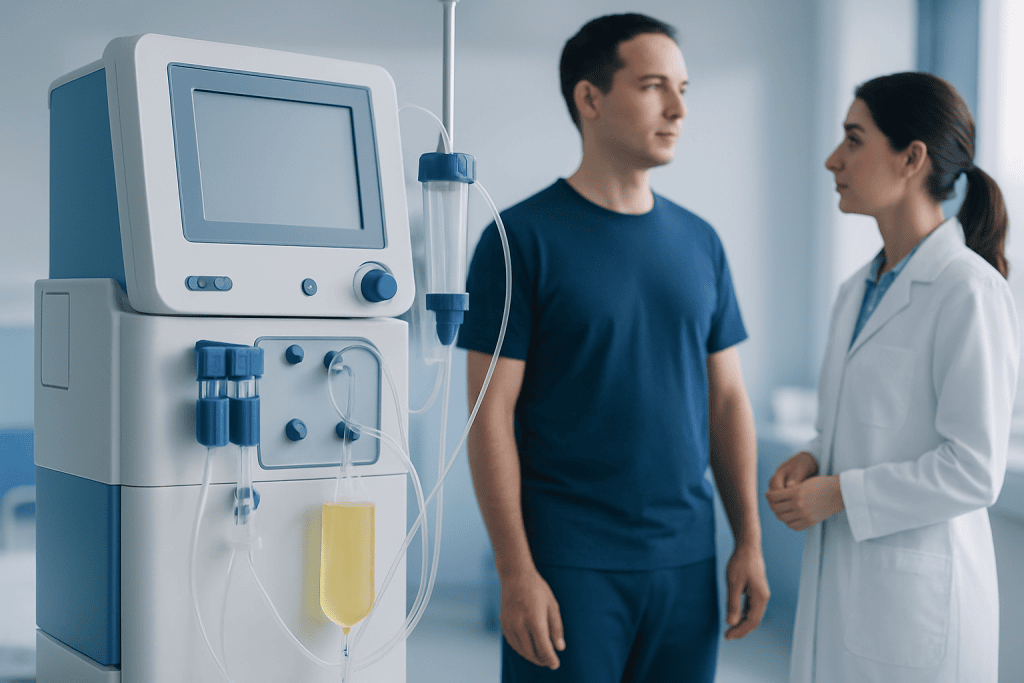
People may consider urine therapy after reading online claims, receiving advice from friends or social media communities, or seeking relief when symptoms are persistent. It can be appealing because it seems accessible, natural, and inexpensive. However, “natural” does not necessarily mean effective or safe, particularly when a symptom could have an underlying medical cause.
Some claims focus on urea, a compound found in urine. Urea is used in carefully formulated, regulated topical skin products for certain dry or thickened skin conditions. This does not make urine itself an appropriate skin treatment. Medical creams contain measured ingredients, are designed for skin use, and are manufactured to limit contamination; urine is not equivalent to these products.
People experiencing recurring urinary symptoms, fatigue, digestive problems, skin changes, or pain deserve a clear explanation and an evidence-based plan. A clinician can assess symptoms in context, review medicines and health history, and arrange appropriate tests rather than relying on an unproven remedy.
Potential Risks and Limitations

Drinking urine can be particularly unhelpful during dehydration, vomiting, diarrhea, fever, or strenuous heat exposure. Urine contains dissolved salts and waste products that the kidneys have filtered from the blood. Re-ingesting it does not improve hydration and may increase the body’s solute load when fluids are already limited.
Urine may also contain bacteria or other microorganisms, especially in people with a urinary tract infection or certain other health conditions. It can contain traces of prescription medicines, recreational drugs, supplements, and their breakdown products. The likelihood and significance of exposure vary, but these factors are important reasons not to use urine as a self-treatment.
Applying urine to open wounds, burns, irritated skin, or the eyes is not recommended. These tissues are vulnerable to irritation and infection, and delaying proper wound, burn, or eye care can lead to complications. The most significant risk of urine therapy is often delayed diagnosis or treatment of a condition that needs timely medical attention.
- Do not use urine in place of prescribed medicines, antibiotics, or cancer treatment.
- Do not use it to treat wounds, burns, eye problems, or genital symptoms.
- Seek clinical advice before stopping any established treatment because of alternative-health claims.
How Urine Testing Supports Diagnosis
Urinalysis is a standard, useful medical test. A urine sample may be checked for blood, protein, glucose, ketones, white blood cells, nitrites, bacteria, or crystals. These findings can give clinicians important clues, but they are interpreted alongside symptoms, examination findings, medical history, and sometimes blood tests or imaging.
For example, burning with urination, urgency, frequent urination, lower abdominal discomfort, or cloudy urine may suggest a urinary tract infection. A urine culture can identify bacteria and help guide treatment when appropriate. Blood in the urine can have many possible causes, including infection, stones, inflammation, or less commonly a more serious urinary tract condition, so it should always be discussed with a clinician.
Urine tests may also contribute to assessment of kidney function, diabetes, pregnancy-related concerns, and some metabolic conditions. If a person has recurrent urinary infections, severe pain, known kidney disease, or unexplained changes in urine, a clinician may recommend further evaluation, including imaging or referral to a kidney and urology specialist.
Modern Treatment Approaches Depend on the Cause
There is no medical treatment plan called urine therapy for disease management. Modern care focuses on identifying the cause of symptoms and selecting treatments supported by research. This may involve simple measures such as fluid guidance and symptom monitoring, or it may require medicines, laboratory testing, imaging, procedures, or specialist follow-up.
For a confirmed urinary tract infection, treatment may include an antibiotic when a clinician determines it is needed, along with advice about fluids and symptom relief. Antibiotic choice should be individualized, particularly for recurrent infections, pregnancy, kidney disease, medication allergies, or possible resistant bacteria. Self-treating with urine may postpone care and allow an infection to worsen.
Kidney stones, bladder conditions, sexually transmitted infections, prostate conditions, diabetes, and some gynecological concerns can all cause urinary symptoms but require different management. Persistent or recurrent symptoms should therefore not be assumed to be a simple infection. Care is more effective when it targets the actual diagnosis rather than a general remedy.
Acibadem International’s multidisciplinary specialists and JCI-accredited hospitals support international patients with assessment and evidence-based care for kidney, urinary, and related health concerns.
Safer Self-Care and Prevention
For general urinary health, practical habits are more reliable than unproven treatments. Drinking enough fluid for an individual’s needs, avoiding routinely holding urine for long periods, and maintaining regular hygiene can be helpful. Fluid needs differ with climate, activity, age, pregnancy, heart or kidney conditions, and medicines, so people on fluid restrictions should follow their clinician’s advice.
People who are prone to urinary discomfort may benefit from noticing possible triggers, such as inadequate fluid intake, constipation, or products that irritate the genital area. Avoiding harsh fragranced products around the genitals and wiping from front to back after using the toilet may reduce irritation and help lower the risk of some infections. These measures do not replace medical evaluation when symptoms are present.
For skin concerns, use products intended for the affected area and seek advice for a rash that is painful, spreading, infected-looking, or not improving. For wounds or burns, clean water, appropriate first aid, and professional advice are safer than applying urine. A pharmacist or clinician can recommend suitable options based on the problem and a person’s medical history.
When to Seek Medical Care
Medical advice is appropriate for urinary symptoms that are new, severe, recurrent, or not improving. A clinician can determine whether testing is needed and help avoid unnecessary treatments. It is especially important not to rely on urine therapy when symptoms may indicate an infection, kidney stone, bleeding, or another condition that requires specific care.
Urgent medical assessment is needed for fever or chills with urinary symptoms, pain in the side or back near the ribs, vomiting, inability to pass urine, confusion, severe weakness, or visible blood in the urine. Pregnant people, young children, older adults, and people with diabetes, immune suppression, kidney disease, or a urinary catheter should seek advice promptly when urinary symptoms occur.
Anyone who has used urine therapy and feels unwell should be open with their healthcare professional about it. Clinicians are there to provide practical, non-judgmental care. Bringing a list of symptoms, medicines, supplements, and the timing of any home remedies can help support an accurate diagnosis.
Frequently asked questions
Does urine therapy have proven health benefits?
No. There is no good-quality clinical evidence that drinking or applying urine treats infections, cancer, chronic diseases, or general health problems. People should use treatments recommended for their specific diagnosis and discuss complementary practices with a qualified clinician.
Is urine sterile?
Urine should not be assumed to be sterile or safe to use as a remedy. It may contain microorganisms, particularly when someone has a urinary infection, and it can contain traces of medicines and waste products. It is not appropriate for wounds, burns, eyes, or internal use.
Can drinking urine help with dehydration?
No. Drinking urine is not an effective hydration strategy because it contains salts and other substances the body is trying to remove. During dehydration, safe fluids and medical advice when needed are the appropriate options.
Why is urea used in some skin creams if urine therapy is not recommended?
Urea in medical skin products is a purified, measured ingredient in a formulation designed and tested for topical use. Urine is a variable bodily fluid and may contain substances that irritate damaged skin or introduce contamination. A urea cream and urine are not interchangeable.
Can urine therapy treat a urinary tract infection?
No. Urine therapy does not treat a urinary tract infection and may delay appropriate testing and treatment. Burning urination, urgency, frequent urination, fever, flank pain, or blood in the urine should be assessed by a healthcare professional.
What should a person do if they have recurring urinary symptoms?
Recurring symptoms should be evaluated because infections, stones, bladder conditions, prostate concerns, sexually transmitted infections, and other conditions can have similar symptoms. A clinician may recommend urinalysis, urine culture, blood tests, imaging, or referral depending on the person’s symptoms and health history.
References
- National Institute of Diabetes and Digestive and Kidney Diseases
- Centers for Disease Control and Prevention
- National Health Service
- Mayo Clinic
- U.S. Food and Drug Administration
This article is for general information only and is not a substitute for professional medical advice. Please consult a qualified doctor about your individual situation.
Explore treatments in Turkey — costs, top hospitals & a free quote
JCI-accredited · board-certified surgeons · reply within 24h
Add us as a Preferred Source to see more of our trusted health content across Google Search, AI Overviews and Discover.

More from the Health Library



Related Specialists

Assoc. Prof. Dr. Onur Dülgeroğlu
General Surgery
Prof. Dr. Mustafa Koray Lenk
Pediatrics
Dr. Danyal Gümüş
Orthopedic Surgery & Traumatology
Prof. Dr. Nadiye Köroğlu
Gynecology & Obstetrics