

14 Weeks Pregnant: Symptoms, Baby Development, and What to Expect

At 14 weeks pregnant, the second trimester has begun and early symptoms such as nausea may start to ease. The baby is growing rapidly, developing facial movements, fine body hair, and stronger limb coordination.
Key Takeaways
- At 14 weeks pregnant, the second trimester has begun and early symptoms such as nausea may start to ease.
- The baby is growing rapidly, developing facial movements, fine body hair, and stronger limb coordination.
- Common changes this week include a small baby bump, breast changes, nasal congestion, and round ligament discomfort.
- Regular prenatal visits, balanced nutrition, hydration, movement, and rest remain important.
- Heavy bleeding, severe pain, fever, fluid leakage, or signs of dehydration should prompt medical advice.
At 14 weeks pregnant, many people notice the start of the second trimester with more energy, fewer early pregnancy symptoms, and a steadily growing abdomen. The baby is developing quickly, and this week often brings a mix of physical changes, routine prenatal care, and practical planning for the months ahead.
Overview
At 14 weeks pregnant, pregnancy has entered the second trimester. For many people, this week brings a welcome shift: nausea and fatigue may begin to improve, appetite may return, and daily life can start to feel more manageable. At the same time, the body is still adapting to hormonal changes and the uterus is continuing to grow.
This stage is often described as a transition week. Although some first-trimester symptoms can linger, many pregnant people begin to notice more visible body changes and a more predictable routine of prenatal care. The baby is also developing quickly, with ongoing growth in the face, limbs, and internal organs.
Every pregnancy is different. Some people feel much better by this point, while others still have tiredness, nausea, or emotional ups and downs. In most cases, both experiences can fall within a normal range, but symptoms that are severe or worrying should still be discussed with a qualified clinician.
Symptoms This Week
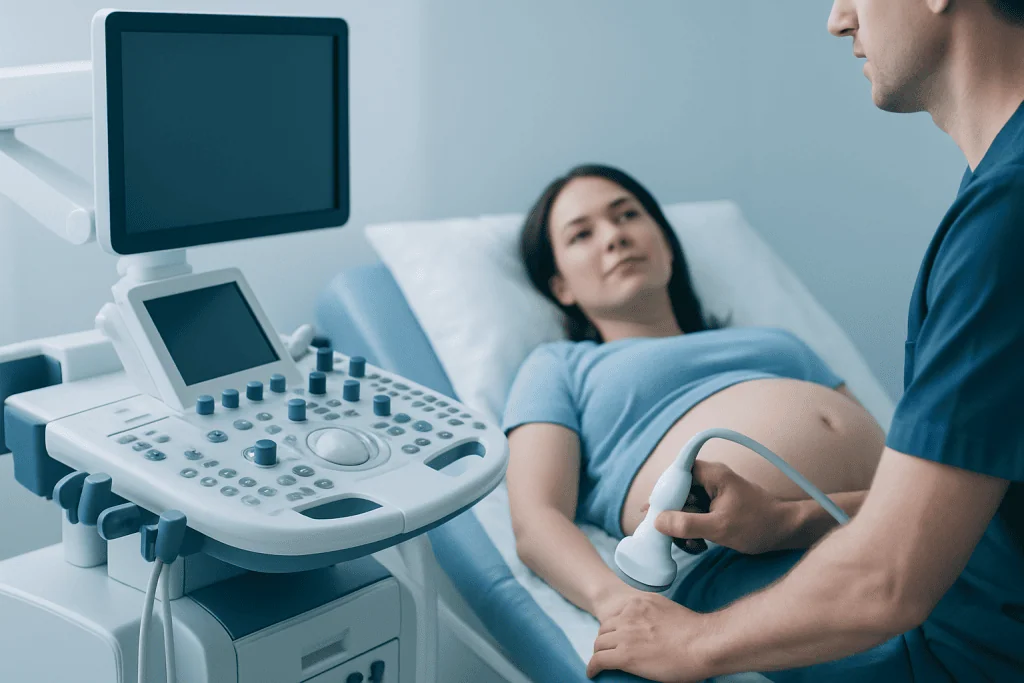
Common 14 weeks pregnant symptoms often reflect the shift into the second trimester. Nausea may ease, but it does not disappear for everyone right away. Energy levels may improve, although some tiredness is still common as the body continues to support the growing pregnancy.
Other symptoms this week can include breast tenderness, mild headaches, bloating, constipation, increased vaginal discharge, and nasal stuffiness. Hormonal changes can make the blood vessels in the nose swell, leading to congestion or occasional nosebleeds. Some people also notice bleeding gums when brushing their teeth.
Round ligament pain may begin around this time. This often feels like a brief pulling or sharp discomfort on one or both sides of the lower abdomen, especially when standing quickly, coughing, or changing position. It is usually related to the stretching tissues that support the uterus.
- Improving nausea or food aversions
- More energy than in early pregnancy
- Mild abdominal stretching sensations
- Breast fullness and visible veins
- Constipation or bloating
- Nasal congestion and gum sensitivity
Symptoms can vary day to day. Having fewer symptoms at 14 weeks does not usually mean that something is wrong, especially if prenatal checks have been reassuring and there are no warning signs such as bleeding or severe pain.
Baby Development at 14 Weeks
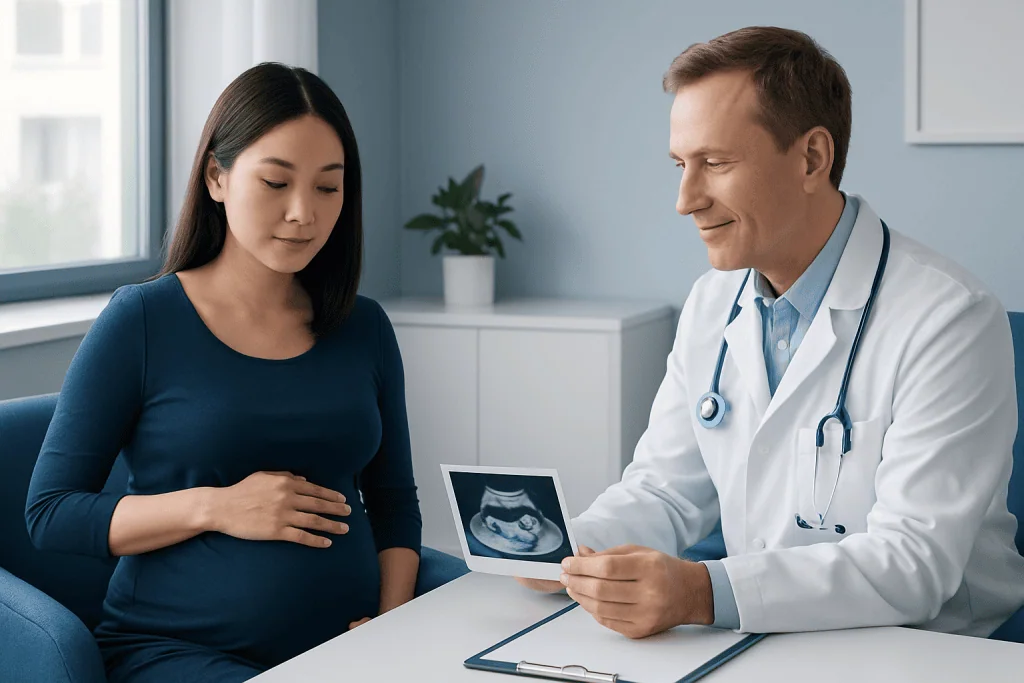
At 14 weeks pregnant, the baby is growing steadily and is often about the size of a lemon, though exact measurements can vary. The body is becoming more proportionate, and the neck is more defined, allowing the head to sit more upright than in earlier weeks.
This week, the baby can make small facial expressions, and the muscles of the face and body are becoming more coordinated. The arms and legs continue to lengthen and move, even though those movements may still be too light to feel. The bones are hardening, and the baby can begin bringing the hands toward the mouth.
Fine, soft hair called lanugo may begin to appear on the body. This helps protect the skin later in pregnancy. The baby also continues to produce urine, which is released into the amniotic fluid, and the swallowing reflex is developing. These are normal parts of growth and fluid balance.
During routine prenatal care, clinicians may monitor development with examination and, when needed, ultrasound. Imaging can help assess growth, dates, and anatomy as pregnancy progresses, and obstetric ultrasound is commonly used as part of standard prenatal care when clinically appropriate.
Body Changes at 14 Weeks
By 14 weeks, the uterus has expanded above the pelvis, so a small baby bump may start to show. For some people, this is the first week they notice that regular clothes fit differently. Others may not show much yet, especially in a first pregnancy. Both can be completely normal.
Hormonal changes continue to affect the skin, digestion, and circulation. Some people notice a darker line on the abdomen called the linea nigra or patches of darker skin on the face. Increased blood flow can make the skin look brighter, but it can also contribute to feeling warm, flushed, or lightheaded at times.
The digestive system may move more slowly during pregnancy, which can lead to constipation or heartburn. Drinking enough water, eating fiber-rich foods, and staying gently active often help. If symptoms become persistent or uncomfortable, a doctor or midwife can advise on safe options during pregnancy.
Emotionally, this week may feel easier than the first trimester, but mood changes can still happen. A growing pregnancy often brings excitement along with worry, especially after previous pregnancy loss or fertility treatment. If anxiety feels overwhelming, discussing it during prenatal care is important. Some people may already be under specialist follow-up for issues such as high-risk pregnancy, where more individualized monitoring is needed.
Checklist: What to Do This Week
A practical week-14 checklist can help keep pregnancy care organized. Continuing scheduled prenatal appointments is one of the most important steps. These visits allow the care team to check blood pressure, monitor symptoms, review nutrition, and plan any recommended tests for the second trimester.
Daily habits matter. A balanced diet with protein, whole grains, fruits, vegetables, calcium-rich foods, and iron-containing foods supports both parent and baby. Prenatal vitamins should be taken as advised. Gentle movement such as walking, stretching, or pregnancy-safe exercise can help energy, circulation, and bowel function, unless a clinician has recommended activity limits.
It is also a good time to review medicines and supplements with a doctor, avoid alcohol and smoking, and limit exposure to infections when possible. Adequate rest, hydration, and oral care are important because gum sensitivity and congestion can increase in pregnancy. If there is a history of complications, chronic illness, or concerns about screening, extra prenatal planning may be useful. In some cases, care may involve perinatology for closer monitoring.
- Attend or schedule the next prenatal visit
- Keep taking prenatal vitamins as advised
- Drink enough water and increase fiber if constipated
- Choose regular, pregnancy-safe movement
- Review any medicines with a qualified clinician
- Ask about upcoming blood tests or ultrasound appointments
How 14 Weeks Fits Into Prenatal Care
Week 14 is part of a broader pattern of second-trimester care. Depending on the pregnancy and local practice, a clinician may discuss upcoming screening or diagnostic tests, review earlier results, and plan later anatomy assessment. This is also a common time to talk about family history, travel, work demands, and vaccination questions.
People with certain health conditions may need more frequent review. This can include high blood pressure, diabetes, thyroid disease, multiple pregnancy, or previous pregnancy complications. Ongoing care is designed to identify concerns early and support a healthier pregnancy course. If symptoms such as elevated blood pressure or swelling later become a concern, doctors may evaluate for conditions including preeclampsia.
Questions about genetic screening, exercise, sexual activity, sleep position, and nutrition are all appropriate at this stage. A good prenatal visit should leave the patient with a clear plan and a chance to discuss any new symptoms. Near the end of the care pathway, Acibadem International’s multidisciplinary specialists in JCI-accredited hospitals diagnose and treat pregnancy-related conditions for international patients when more advanced evaluation is needed.
When to Seek Medical Care
Most symptoms at 14 weeks pregnant are part of normal pregnancy changes, but some signs should be assessed promptly. Medical advice is important for heavy vaginal bleeding, severe or persistent abdominal pain, fever, fainting, painful urination, or repeated vomiting that prevents fluids from staying down.
It is also important to contact a doctor or maternity care team for sudden swelling, severe headache, vision changes, fluid leaking from the vagina, or signs of dehydration such as very dark urine and dizziness. These symptoms do not always mean a serious problem, but they should not be ignored.
People with a history of miscarriage, ectopic pregnancy, chronic disease, or current complications should follow the instructions given by their own clinician, since their threshold for evaluation may be lower. If there is severe pain, heavy bleeding, or concern about urgent illness, emergency medical care should be sought without delay.
Frequently asked questions
Is 14 weeks pregnant considered the second trimester?
Yes. Week 14 is generally considered the beginning of the second trimester. Many people notice that early pregnancy symptoms start to improve around this time, although this can vary from person to person.
What symptoms are common at 14 weeks pregnant?
Common symptoms include improving nausea, more energy, breast changes, bloating, constipation, nasal congestion, and mild stretching discomfort in the lower abdomen. Some people also continue to feel tired or emotionally sensitive. Symptom patterns can differ widely in normal pregnancies.
How big is the baby at 14 weeks?
At 14 weeks, the baby is often compared to a lemon. Exact size can vary, but the baby is growing quickly, with lengthening limbs, more coordinated movement, and developing facial features.
Can a baby bump show at 14 weeks pregnant?
Yes, a small baby bump may start to show around this time, especially as the uterus rises above the pelvis. However, some people show earlier and others later. Body shape, muscle tone, and whether it is a first pregnancy can all affect when the bump becomes noticeable.
Is cramping normal at 14 weeks pregnant?
Mild stretching or pulling sensations can be normal and are often related to round ligament pain as the uterus grows. However, severe, persistent, or one-sided pain should be discussed with a doctor. Cramping with heavy bleeding or fever needs prompt medical attention.
What should be avoided at 14 weeks pregnant?
Alcohol, smoking, and non-prescribed drugs should be avoided during pregnancy. Medicines and supplements should only be used with medical guidance, and food safety, hydration, rest, and infection prevention remain important. A clinician can give more personalized advice based on individual health needs.
References
- American College of Obstetricians and Gynecologists
- National Health Service
- Centers for Disease Control and Prevention
- Mayo Clinic
- World Health Organization
This article is for general information only and is not a substitute for professional medical advice. Please consult a qualified doctor about your individual situation.
Persistent digestive symptoms? Get evaluated in Turkey
JCI-accredited · board-certified surgeons · reply within 24h
Add us as a Preferred Source to see more of our trusted health content across Google Search, AI Overviews and Discover.

More from the Health Library



Related Specialists

Dr. Reşat Gökağaçlı
Anesthesiology
Dt. Burcu Dereli İnanç
Oral & Dental Health
Dr. Mahmoud Aljobbeh
Emergency Service
Assoc. Prof. Dr. Emine Acar Akkaya
Nuclear Medicine