16 Weeks Pregnant: Symptoms, Baby Development, and What to Expect

At 16 weeks pregnant, second-trimester changes often include a growing abdomen, skin changes, and improving early pregnancy nausea. The baby is about the size of an avocado and is developing stronger muscles, facial features, and more coordinated movements.
Key Takeaways
- At 16 weeks pregnant, second-trimester changes often include a growing abdomen, skin changes, and improving early pregnancy nausea.
- The baby is about the size of an avocado and is developing stronger muscles, facial features, and more coordinated movements.
- Common symptoms this week can include mild cramping, backache, constipation, breast changes, and increased vaginal discharge.
- Regular prenatal care, balanced nutrition, hydration, and gentle activity support health in week 16 of pregnancy.
- Urgent symptoms such as bleeding, severe pain, fever, fluid leakage, or persistent severe headache should be reviewed by a doctor promptly.
At 16 weeks pregnant, many people notice steadier energy, a more visible baby bump, and common second-trimester symptoms such as round ligament discomfort, nasal congestion, or constipation. The baby is continuing rapid growth and development, and this week often feels like a transition into a more settled phase of pregnancy.
Overview: what 16 weeks pregnant usually feels like
At 16 weeks pregnant, the pregnancy is usually well into the second trimester, a stage many people experience as more physically manageable than the first. Nausea and extreme fatigue may begin to ease, although symptoms vary from person to person and from one pregnancy to another. A growing uterus, hormonal changes, and increased blood volume continue to shape how the body feels.
This week is often marked by visible progress. The abdomen may begin to look more rounded, clothing may fit differently, and some people may feel more comfortable sharing the pregnancy. Others may still have only subtle physical changes. Both experiences can be normal.
Week 16 is also a time when fetal growth becomes easier to imagine. The baby is developing stronger muscles and more defined features, while the placenta continues its essential role in supporting nutrition and oxygen delivery. Prenatal visits remain important for monitoring both maternal and fetal well-being.
Symptoms this week
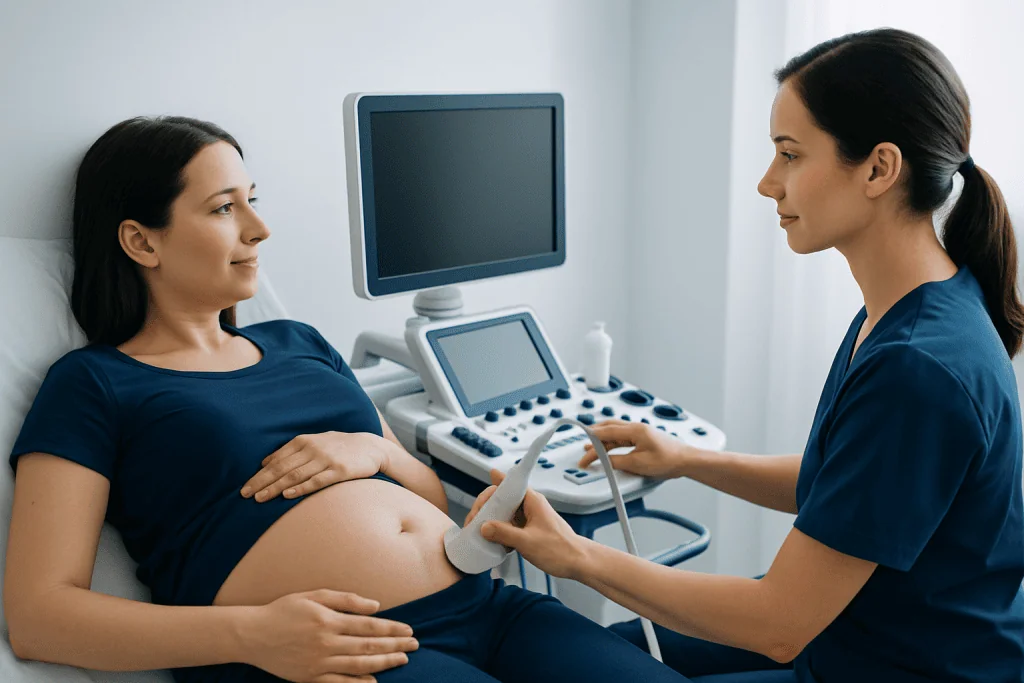
Common 16 weeks pregnant symptoms are usually related to normal second-trimester changes. Many people feel more energetic than they did earlier in pregnancy, but some still have tiredness, mood shifts, or food aversions. A mild pulling or stretching sensation in the lower abdomen, often called round ligament pain, may happen with sudden movement, walking, or changing position.
Other frequent symptoms include constipation, bloating, heartburn, nasal stuffiness, and occasional headaches. Increased blood flow can contribute to nosebleeds or bleeding gums. Vaginal discharge may become more noticeable; it is often thin or milky and not usually a cause for concern unless it has a strong odor, causes itching, or changes color.
Breast fullness, darker skin pigmentation, and a deepening line down the abdomen called the linea nigra may also appear. Some people begin to notice back discomfort as posture starts to change. Symptoms can range from very mild to more bothersome, and a clinician can help if they interfere with sleep, eating, or daily activities.
- Possible increase in energy
- Growing belly and mild abdominal stretching
- Constipation or bloating
- Nasal congestion or gum sensitivity
- Backache or round ligament discomfort
- Breast and skin changes
Baby development at 16 weeks

At 16 weeks pregnant, the baby is often compared in size to an avocado. Exact measurements vary, but the baby is continuing steady growth in length and weight. This size comparison is only a rough guide, yet it can help make development feel more tangible for expectant parents.
The baby’s muscles and bones are becoming stronger, allowing more coordinated movement. Although some people may not feel movement yet, the baby is active in the uterus. Facial muscles are developing, and the eyes and ears are in more defined positions than in earlier weeks. The skin is still thin, and growth remains rapid over the coming weeks.
Internal systems are also advancing. The heart continues to pump blood efficiently, and the digestive and urinary systems are functioning in early forms. During routine prenatal care, the doctor may discuss screening tests or schedule imaging to assess growth and anatomy. If questions arise about fetal development or prenatal screening, specialists in pregnancy care and prenatal ultrasound can help guide next steps.
Body changes in the mother
As the uterus expands upward from the pelvis, the abdomen may become more prominent at 16 weeks pregnant. This change can affect posture and balance, especially after standing for long periods. Mild pelvic pressure or stretching can happen as the ligaments and muscles adapt. These sensations are often temporary, though sudden or severe pain should be assessed.
Blood volume continues to rise during pregnancy. This may contribute to warmer skin, mild swelling later in the day, dizziness with sudden standing, or visible veins. Hydration, regular meals, and moving slowly from sitting to standing may help reduce lightheadedness. Persistent dizziness, fainting, or shortness of breath should be discussed with a healthcare professional.
Hormonal changes can also affect the skin and hair. Some people notice a healthy glow, while others may develop acne, pigmentation changes, or skin sensitivity. Emotional changes are also common. Even when pregnancy is progressing normally, it is possible to feel excited, distracted, worried, or emotionally tired. Open communication with a healthcare team is an important part of prenatal care.
Checklist: what to do at 16 weeks pregnant
A practical week-16 checklist can help support day-to-day health without making pregnancy feel overwhelming. Attending scheduled prenatal appointments remains one of the most important steps. These visits allow the care team to monitor blood pressure, review symptoms, discuss screening options, and answer questions about activity, travel, work, or medications.
Nutrition and hydration continue to matter throughout the second trimester. A balanced eating pattern with fruits, vegetables, whole grains, protein sources, and calcium-rich foods supports maternal and fetal needs. Prenatal vitamins are usually continued as advised by the clinician. Gentle exercise such as walking, stretching, or prenatal-approved movement can support circulation, sleep, and mood if there are no medical restrictions.
This is also a useful time to review sleep habits, pelvic support, and symptom management. Side sleeping may gradually become more comfortable. If constipation, reflux, or backache becomes disruptive, a doctor or midwife can recommend safe approaches. Some patients may also begin discussing future scans or follow-up tests, including pregnancy check-ups and screenings as part of routine care.
- Keep prenatal appointments and ask about upcoming tests
- Continue prenatal vitamins unless told otherwise
- Stay hydrated and eat regular, balanced meals
- Choose gentle physical activity if approved
- Wear supportive clothing and comfortable shoes
- Track new or worsening symptoms to discuss at visits
Prevention and self-care for common discomforts
Many week-16 discomforts can be eased with simple self-care. For constipation, increasing fluid intake, fiber-rich foods, and gentle movement may help. For heartburn, smaller meals and avoiding lying down soon after eating can be useful. Good posture, stretching, and supportive pillows may reduce back strain, especially later in the day.
Round ligament discomfort often improves by moving more slowly when standing, turning, or getting out of bed. Supportive maternity clothing may reduce the pulling sensation for some people. If headaches are frequent, reviewing hydration, meal timing, sleep, and stress levels can be helpful, but new or severe headaches should not be ignored.
Not every symptom is simply part of normal pregnancy. If a person has an ongoing health condition, a history of pregnancy complications, or concerns about symptoms such as swelling, blood pressure, or glucose, individualized follow-up is important. In some cases, doctors may involve specialists in high-risk pregnancy care to provide closer monitoring.
When to seek medical care
Most symptoms at 16 weeks pregnant are not emergencies, but certain changes deserve prompt medical advice. A doctor should be contacted if there is vaginal bleeding, leaking fluid, severe or persistent abdominal pain, fever, painful urination, or vomiting that prevents normal eating and drinking. These symptoms need proper assessment rather than home treatment alone.
Medical advice is also important for severe headache, visual changes, fainting, chest pain, significant shortness of breath, or swelling that appears suddenly or is clearly worsening. If vaginal discharge changes color, has a strong odor, or causes burning or itching, infection should be considered. Persistent pelvic pressure or cramping should also be discussed.
If there is ever uncertainty about whether a symptom is urgent, it is safest to contact a qualified healthcare professional. Near the end of the care journey, patients may wish to know that Acibadem International’s multidisciplinary specialists and JCI-accredited hospitals support international patients with prenatal assessment, imaging, and maternity care, including pregnancy follow-up.
Frequently asked questions
Is 16 weeks pregnant considered four months?
Yes, 16 weeks pregnant is generally considered part of the fourth month of pregnancy. Pregnancy months do not divide perfectly by weeks, so doctors usually track progress by weeks rather than calendar months.
What size is the baby at 16 weeks pregnant?
At 16 weeks pregnant, the baby is often compared to an avocado. This is a simple size comparison, and exact length and weight can vary while still being completely normal.
Should movement be felt at 16 weeks pregnant?
Some people begin to notice early fetal movement around this time, but many do not feel it yet. First pregnancies often feel movement later than subsequent pregnancies, so not feeling movement at 16 weeks is not unusual.
Are cramps normal at 16 weeks pregnant?
Mild stretching or pulling sensations can be normal as the uterus grows and the supporting ligaments stretch. However, severe pain, persistent cramping, bleeding, or fluid leakage should be checked by a doctor promptly.
Why is there more discharge at 16 weeks pregnant?
An increase in thin, milky vaginal discharge is common in pregnancy because of hormonal changes and increased blood flow. If the discharge has a strong odor, unusual color, or causes itching or burning, medical review is recommended.
What should be avoided at 16 weeks pregnant?
It is generally important to avoid smoking, alcohol, and medications or supplements that have not been approved by a healthcare professional. It is also wise to avoid overheating, dehydration, and activities with a high risk of falling or abdominal injury.
References
- American College of Obstetricians and Gynecologists
- National Health Service
- Centers for Disease Control and Prevention
- World Health Organization
This article is for general information only and is not a substitute for professional medical advice. Please consult a qualified doctor about your individual situation.
Persistent digestive symptoms? Get evaluated in Turkey
JCI-accredited · board-certified surgeons · reply within 24h
Add us as a Preferred Source to see more of our trusted health content across Google Search, AI Overviews and Discover.