29 Weeks Pregnant: Symptoms, Baby Development, and What to Expect

At 29 weeks pregnant, the baby is growing steadily and often measures about the size of a butternut squash. Common symptoms this week include fatigue, back pain, heartburn, leg cramps, shortness of breath, and more noticeable fetal movement.
Key Takeaways
- At 29 weeks pregnant, the baby is growing steadily and often measures about the size of a butternut squash.
- Common symptoms this week include fatigue, back pain, heartburn, leg cramps, shortness of breath, and more noticeable fetal movement.
- Body changes in the third trimester can include a growing abdomen, mild swelling, sleep disruption, and Braxton Hicks contractions.
- Routine prenatal care remains important for monitoring blood pressure, fetal growth, and signs of complications.
- Urgent symptoms such as bleeding, reduced fetal movement, severe headache, fluid leakage, or regular painful contractions should be assessed promptly.
At 29 weeks pregnant, the third trimester is well underway. Many people notice stronger fetal movement, increasing physical discomforts such as back pain or heartburn, and a baby that is growing quickly while continuing important brain, lung, and body fat development.
Overview: what 29 weeks pregnant usually feels like
At 29 weeks pregnant, pregnancy has entered the third trimester, and many of the changes now relate to the baby’s rapid growth and the body’s preparation for birth. It is common to feel stronger kicks and rolls, increasing pressure in the abdomen, and a mix of excitement and physical tiredness. For many people, this week brings a clearer sense that the baby is taking up more space.
This stage can also come with new or more noticeable symptoms, including back discomfort, heartburn, sleep problems, mild swelling, and shortness of breath when climbing stairs or lying in certain positions. Although many of these changes are a normal part of late pregnancy, regular prenatal checkups remain important because some symptoms can overlap with conditions that need medical attention.
Week 29 is also a practical point in pregnancy care. It is often a good time to review movement patterns, continue healthy daily habits, prepare questions for upcoming appointments, and make plans for the weeks ahead. A calm, informed approach can help expectant parents feel more confident as the due date gradually comes closer.
Symptoms this week
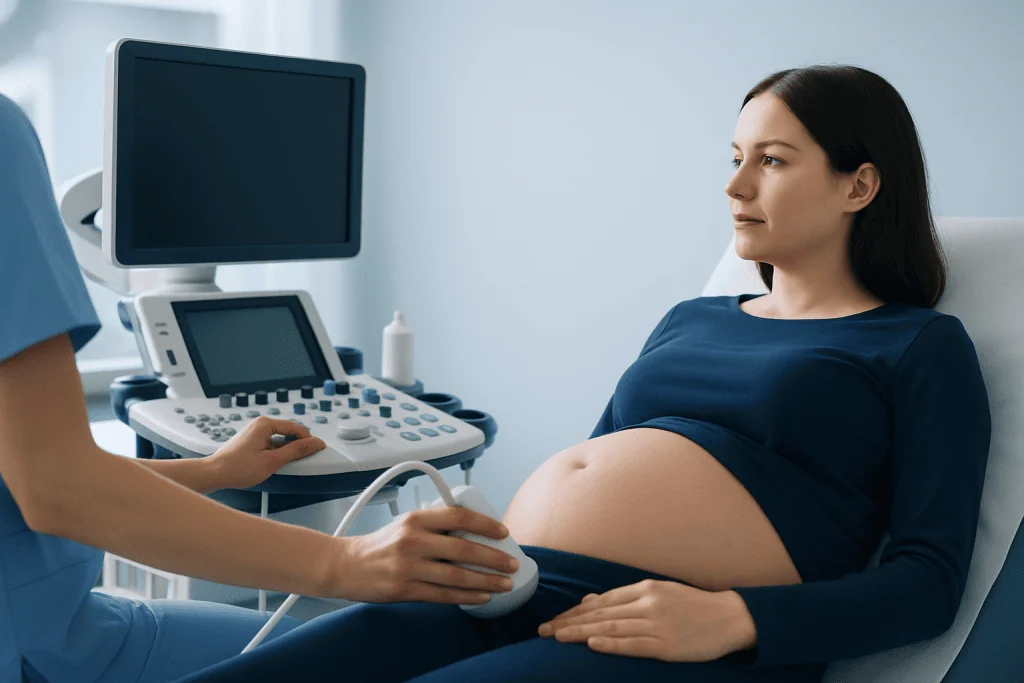
Symptoms at 29 weeks pregnant vary from person to person, but several experiences are especially common. The growing uterus can press upward on the diaphragm and stomach and downward on the bladder and pelvis, which may lead to shortness of breath, heartburn, frequent urination, and a feeling of heaviness in the lower abdomen. Many people also notice fatigue returning, even if energy improved earlier in the second trimester.
Muscle and joint discomforts can become more noticeable this week. Back pain, round ligament pain, leg cramps, and pelvic pressure are common as posture shifts and pregnancy hormones loosen supporting ligaments. Sleep may also become more difficult because of body positioning, baby movement, vivid dreams, or the need to urinate more often during the night.
Other symptoms that may appear or continue at 29 weeks include:
- Stronger and more regular fetal movement
- Mild swelling in the feet or ankles, especially later in the day
- Constipation or bloating
- Hemorrhoids
- Braxton Hicks contractions, which are usually irregular and not progressively painful
- Leaking colostrum from the breasts in some pregnancies
These symptoms are often manageable with rest, hydration, gentle movement, and supportive daily habits. However, sudden swelling, severe pain, regular contractions, or any symptom that feels unusual should be discussed with a qualified clinician.
Baby development at 29 weeks

At 29 weeks pregnant, the baby is growing quickly and is often compared in size to a butternut squash. Exact measurements vary, but the baby is continuing to gain weight as fat stores build under the skin. This added body fat helps support temperature regulation after birth and contributes to a less wrinkled appearance.
Important internal development is also continuing. The brain is becoming more complex, the nervous system is maturing, and the lungs are developing further even though they are not yet fully ready for life outside the uterus. Bones continue to harden, although the skull remains softer and flexible to support birth and ongoing growth. The baby can usually open and close the eyes, respond to light and sound, and practice breathing movements.
Movement at this stage is often strong and reassuring, although the pattern may change as space becomes tighter. Rather than large flips, some pregnancies shift toward more rolls, stretches, and firm kicks. Tracking usual movement patterns can help parents recognize what is typical for their baby. If movement seems noticeably reduced, prompt medical advice is important.
Body changes in the third trimester
The body continues adapting in visible and less visible ways at 29 weeks pregnant. The abdomen grows as the uterus expands upward, which can change balance and posture. This shift often places more strain on the lower back and hips. Skin stretching may lead to itching, and some people develop stretch marks on the abdomen, breasts, thighs, or hips. A dark line on the abdomen and other pigmentation changes can also become more noticeable.
Circulation and fluid balance also change during late pregnancy. Mild swelling in the feet and ankles can happen, particularly after standing for long periods or in warm weather. Veins may become more visible, and some people experience varicose veins or hemorrhoids. While mild swelling can be expected, sudden swelling of the face, hands, or around the eyes should be reported because it may signal a condition such as preeclampsia.
Hormonal effects continue to influence digestion, breathing, and sleep. Slower digestion can contribute to constipation and reflux, while pressure on the lungs can make deep breaths feel more difficult. Sleep may require more adjustments, such as side-lying with pillows for support. Emotional changes are also common, and it is normal to have periods of increased worry, nesting, or anticipation as birth approaches.
Checklist: what to do at 29 weeks pregnant
A simple week-by-week checklist can make this stage feel more manageable. Continuing routine prenatal care is one of the most important steps. Appointments may include blood pressure checks, measurement of uterine growth, review of fetal movement, and discussion of symptoms such as swelling, headaches, or contractions. If there are concerns about growth, fluid levels, or placental function, the care team may recommend ultrasound assessment or other monitoring.
Daily habits also matter. Many people feel better when they stay hydrated, eat balanced meals with adequate fiber and iron, and take breaks to rest during the day. Gentle exercise such as walking or prenatal stretching may help with circulation, energy, constipation, and back stiffness, as long as a clinician has not advised restrictions. Sleeping on the side, especially with pillows supporting the abdomen and legs, can improve comfort.
At 29 weeks, it may also be helpful to prepare for the weeks ahead:
- Learn the difference between Braxton Hicks contractions and signs of preterm labor
- Pay attention to the baby’s usual movement pattern
- Review warning signs such as bleeding, fluid leakage, or severe headache
- Discuss vaccinations, work plans, travel questions, and birth preferences with the prenatal team
- Begin organizing practical needs for the postpartum period
If symptoms such as persistent pelvic pressure, regular contractions, or cervical changes raise concern for early labor, clinicians may evaluate for preterm labor. In some situations, additional assessment or obstetric care may be needed to support the pregnancy safely.
How doctors monitor health at this stage
Medical care at 29 weeks pregnant focuses on both maternal well-being and fetal development. During routine visits, clinicians typically check weight trends, blood pressure, urine findings when indicated, fundal height, and the baby’s heartbeat. These checks help identify issues such as growth concerns, high blood pressure, or signs of pregnancy-related complications before they become more serious.
Depending on symptoms, medical history, or findings on exam, some pregnancies may need additional testing. This can include blood tests for anemia, glucose follow-up if gestational diabetes is a concern, or imaging to assess fetal growth and amniotic fluid. When symptoms suggest a more specific issue, care may overlap with services related to pregnancy follow-up and delivery planning, fetal monitoring, or specialist review.
It is often reassuring to remember that many investigations are precautionary and intended to support timely treatment if needed. Bringing a list of symptoms, questions, and any changes in fetal movement to each visit can help make appointments more useful and personalized.
When to seek medical care
Most discomforts at 29 weeks pregnant are part of normal third-trimester change, but some symptoms should be assessed promptly. Medical advice is important if there is vaginal bleeding, a gush or steady trickle of fluid from the vagina, regular painful contractions, or significantly reduced fetal movement. These symptoms can suggest labor-related changes or other complications that need urgent review.
It is also important to contact a doctor promptly for severe headache, visual changes, chest pain, trouble breathing at rest, persistent upper abdominal pain, fever, or sudden swelling of the face or hands. These may be warning signs of conditions that can affect the health of both parent and baby. Severe or one-sided calf pain should also be evaluated.
If there is uncertainty, it is safer to ask for medical advice than to wait. Acibadem International’s multidisciplinary specialists in JCI-accredited hospitals provide diagnosis and treatment for international patients who need pregnancy assessment, monitoring, and related care.
Looking ahead after week 29
As pregnancy continues beyond 29 weeks, weekly changes may feel more noticeable. The baby will keep gaining weight, movements may feel stronger but more contained, and the body may need more rest and support. Continuing a steady routine of prenatal visits, nutrition, hydration, and symptom awareness can make the third trimester easier to navigate.
This is also a useful time to think ahead without pressure. Many expectant parents begin reviewing childbirth education, feeding plans, newborn care basics, and practical arrangements for work, transport, and support at home. Preparing gradually often feels less overwhelming than leaving everything to the final weeks.
Every pregnancy develops at its own pace. A healthcare professional can explain what is typical for a specific pregnancy and help interpret symptoms in context. Even when discomforts are common, reassurance and individualized guidance from a qualified clinician remain an important part of safe prenatal care.
Frequently asked questions
How big is the baby at 29 weeks pregnant?
At 29 weeks pregnant, the baby is often compared to a butternut squash. Exact size and weight vary, but this is a stage of steady growth, increased body fat, and continued development of the brain, lungs, and nervous system.
Is it normal to feel more tired at 29 weeks pregnant?
Yes. Fatigue often returns in the third trimester because the body is carrying more weight, sleep may be disrupted, and energy demands are higher. Rest, hydration, balanced meals, and discussing severe fatigue with a doctor can help.
What kind of movement should be expected at 29 weeks pregnant?
Many people notice strong kicks, rolls, stretches, and shifting movements at this stage. The pattern may feel different from earlier weeks because the baby has less room, but regular movement should still be present. If movement becomes noticeably reduced, a clinician should be contacted promptly.
Are Braxton Hicks contractions common at 29 weeks pregnant?
Yes, Braxton Hicks contractions can begin or become more noticeable around this time. They are usually irregular, mild, and do not get closer together over time. Regular, painful, or increasing contractions should be assessed to rule out preterm labor.
Why is heartburn worse at 29 weeks pregnant?
Heartburn can worsen because pregnancy hormones relax the valve between the stomach and esophagus, and the growing uterus adds pressure on the stomach. Eating smaller meals, avoiding lying down right after eating, and speaking with a doctor about safe treatments can help.
Can mild swelling be normal at 29 weeks pregnant?
Mild swelling in the feet and ankles is common, especially later in the day or after standing for long periods. However, sudden swelling of the face, hands, or around the eyes should be checked promptly because it can be a warning sign of a more serious condition.
References
- American College of Obstetricians and Gynecologists
- National Health Service
- Mayo Clinic
- World Health Organization
This article is for general information only and is not a substitute for professional medical advice. Please consult a qualified doctor about your individual situation.
Medical weight-loss options in Turkey — costs & eligibility
JCI-accredited · board-certified surgeons · reply within 24h
Add us as a Preferred Source to see more of our trusted health content across Google Search, AI Overviews and Discover.
Check your numbers in seconds
BMI, calories, due date, blood pressure and 30+ more clinical calculators — free, instant, doctor-reviewed ranges.