Hemoglobin (HGB) Blood Test: What Low and High Levels Mean — and What to Do Next

A hemoglobin blood test measures the protein in red blood cells that carries oxygen. Low hemoglobin is often related to anemia, bleeding, iron deficiency, chronic illness, or vitamin deficiency.
Key Takeaways
- A hemoglobin blood test measures the protein in red blood cells that carries oxygen.
- Low hemoglobin is often related to anemia, bleeding, iron deficiency, chronic illness, or vitamin deficiency.
- High hemoglobin may happen with dehydration, smoking, high altitude exposure, sleep apnea, lung disease, or certain bone marrow disorders.
- Results should be interpreted with age, sex, symptoms, hydration status, and other blood test values in mind.
- Follow-up may include a complete blood count review, iron studies, vitamin tests, kidney assessment, or evaluation for blood and lung conditions.
Hemoglobin low high levels often reflect how well the blood carries oxygen and whether the body is making, losing, or concentrating red blood cells. A low result commonly suggests anemia or blood loss, while a high result may be linked to dehydration, smoking, high altitude, lung disease, or less commonly a blood disorder.
Overview: what hemoglobin low and high levels mean
Hemoglobin is the iron-containing protein inside red blood cells that carries oxygen from the lungs to the tissues and brings some carbon dioxide back to the lungs. On a blood test, it is usually reported as HGB. Because oxygen delivery affects the whole body, hemoglobin results can help explain symptoms such as tiredness, shortness of breath, dizziness, headaches, or reduced exercise tolerance.
When hemoglobin is low, the most common concern is anemia. This can happen if the body is not making enough healthy red blood cells, if red blood cells are being lost through bleeding, or if they are being destroyed faster than normal. When hemoglobin is high, it may mean the blood is more concentrated due to dehydration, or that the body is producing extra red blood cells in response to low oxygen levels or, less commonly, a bone marrow disorder.
A hemoglobin result is useful, but it does not stand alone. Doctors interpret it together with the rest of the complete blood count, medical history, symptoms, medications, and factors such as smoking, pregnancy, altitude, and hydration. If a result is outside the expected range, the next step is usually to confirm the finding and look for the underlying cause rather than focusing on the number alone.
What the marker measures and the usual reference ranges
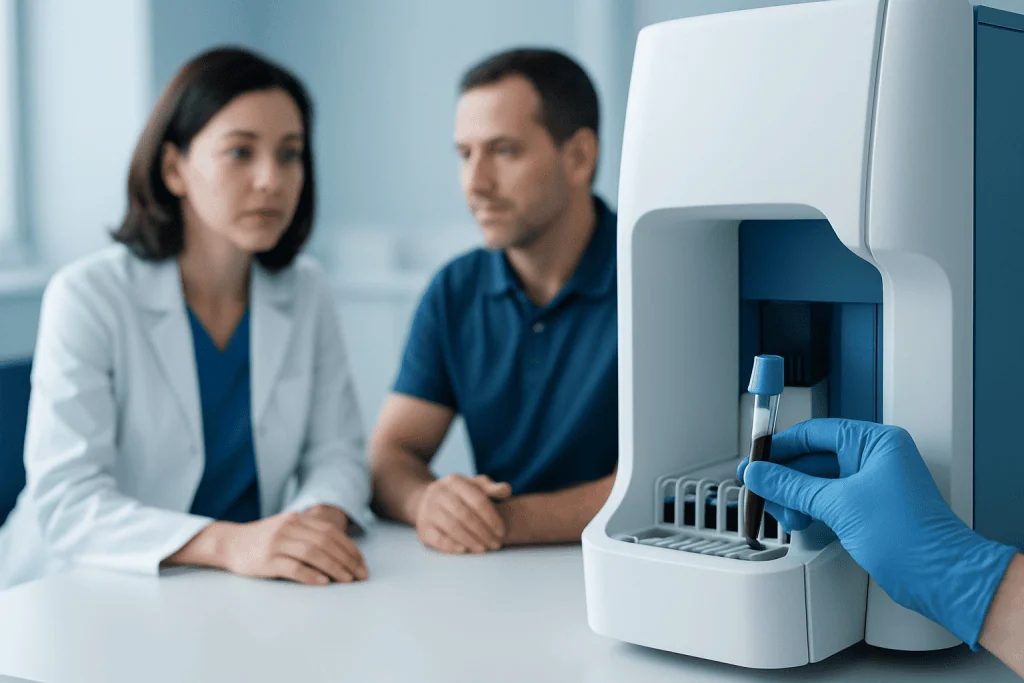
The hemoglobin blood test measures the amount of hemoglobin circulating in a given volume of blood. It is part of a complete blood count and is one of the main markers used to screen for anemia, evaluate blood loss, monitor chronic diseases, and help assess conditions that affect oxygen delivery.
Reference ranges vary slightly by laboratory, testing method, age, sex, pregnancy status, and sometimes altitude. For that reason, the report’s own reference interval should always be used first. The table below gives common adult ranges used in many laboratories.
- Adult women: approximately 12.0 to 15.5 g/dL
- Adult men: approximately 13.5 to 17.5 g/dL
- Pregnancy: values may be lower because of normal fluid changes in pregnancy
- Children and older adults: expected ranges can differ by age and overall health
Some people ask whether a mildly abnormal result is serious. In many cases, a small shift is not an emergency, but it should still be interpreted carefully. The trend over time, the person’s symptoms, and accompanying results such as hematocrit, red blood cell count, MCV, ferritin, and oxygen saturation often provide the most useful clues.
Low hemoglobin: causes, symptoms, and what to do next

Low hemoglobin usually means there are not enough healthy red blood cells or not enough hemoglobin within them. This is commonly described as anemia. Frequent causes include iron deficiency, vitamin B12 or folate deficiency, recent surgery or injury, heavy menstrual bleeding, bleeding from the stomach or intestines, chronic kidney disease, inflammation, infections, pregnancy-related dilution, and inherited blood conditions. In some cases, low hemoglobin can also be seen with leukemia or other bone marrow problems.
Symptoms depend on how low the level is and how quickly it changed. A slow decline may cause only fatigue, weakness, pale skin, headaches, feeling cold, reduced concentration, or shortness of breath on exertion. A more sudden drop, especially from bleeding, may lead to dizziness, palpitations, chest discomfort, fainting, or marked breathlessness and needs prompt medical attention.
Next steps usually focus on finding the cause. A doctor may review the complete blood count indices, iron studies such as ferritin and transferrin saturation, vitamin B12 and folate, kidney function, thyroid function, and sometimes stool testing for hidden blood or evaluation for gynecologic blood loss. If iron deficiency is confirmed, treatment may involve dietary changes, oral or intravenous iron, and addressing the source of bleeding. If anemia is severe or causing major symptoms, care may be more urgent and occasionally include hospital treatment or blood transfusion.
Low hemoglobin should not be self-treated with supplements unless a clinician advises it. Taking iron when iron deficiency is not present can be unhelpful or harmful. The safest approach is to confirm the reason for the low result and treat the underlying condition.
High hemoglobin: causes, symptoms, and what to do next
High hemoglobin means the blood contains more hemoglobin than expected for that person’s situation. Sometimes the reason is simple, such as dehydration, which reduces the liquid portion of blood and makes the concentration appear higher. Other common causes include smoking, living at high altitude, chronic lung disease, some heart conditions, obstructive sleep apnea, and use of certain medications or hormones such as testosterone.
Less commonly, high hemoglobin reflects the body making too many red blood cells. This can happen as a response to long-term low oxygen levels or, more rarely, because of a bone marrow disorder such as polycythemia vera. Symptoms may include headache, dizziness, flushing, itching after a warm shower, blurred vision, fatigue, or a feeling of fullness. Some people have no symptoms and learn about the result on routine testing.
The next step is usually to repeat the test if dehydration is possible and to review oxygen-related causes. Doctors may ask about smoking, snoring, daytime sleepiness, altitude exposure, lung symptoms, and medication use. Further evaluation can include oxygen saturation, lung assessment, kidney tests, erythropoietin level, and in selected cases testing for blood disorders. When a primary blood condition is suspected, a hematology assessment may be recommended to rule out disorders such as polycythemia.
Treatment depends on the cause. Rehydration can correct a concentration-related increase, while sleep apnea, lung disease, or smoking-related changes improve only when the underlying issue is addressed. In some blood disorders, specialist care may include medicines and procedures to reduce blood thickness and lower the risk of complications.
How the test is done and how doctors interpret the result
The hemoglobin test is performed on a small blood sample, usually taken from a vein in the arm. It is a routine laboratory test, and the blood draw itself usually takes only a few minutes. Fasting is not usually required unless other tests ordered at the same time need it.
Doctors rarely interpret hemoglobin in isolation. They look at hematocrit, red blood cell count, MCV, MCH, platelet count, and white blood cells from the same complete blood count. For example, low hemoglobin with small red blood cells may suggest iron deficiency, while low hemoglobin with large red blood cells may suggest vitamin B12 or folate deficiency. High hemoglobin with low oxygen saturation may point toward lung or sleep-related causes.
Medical history is equally important. Information about menstrual bleeding, pregnancy, diet, alcohol use, family history, travel or altitude exposure, smoking, chronic diseases, and medications can all shape interpretation. Depending on the overall picture, the doctor may simply monitor the value, repeat the test, or arrange additional blood tests or imaging.
Factors that can skew hemoglobin results
Hemoglobin results can be affected by temporary or situational factors. Dehydration can make the level appear higher, while receiving a large amount of intravenous fluid can dilute the blood and make it seem lower. Recent bleeding may not always show its full effect immediately, and strenuous exercise or changes in body position can sometimes have a smaller influence on measured values.
Smoking, living at high altitude, pregnancy, and some medicines can also shift results. Certain hormone therapies, including testosterone, may raise hemoglobin. Conditions that change plasma volume, such as dehydration or pregnancy, can alter concentration without necessarily reflecting a true change in total red blood cell mass.
Laboratory variation is another reason a mildly abnormal result may need confirmation. If a result does not fit the person’s symptoms or recent health history, the doctor may repeat the test before deciding on further evaluation. This is one reason it is helpful to review the entire report rather than focusing on a single number.
For people who repeatedly have abnormal complete blood count results, a specialist may recommend further assessment for blood disorders, nutritional deficiencies, kidney disease, chronic inflammation, or breathing-related conditions. In more complex cases, tests performed by a hematology team may help clarify the cause.
When to seek medical care
Medical review is appropriate if a hemoglobin result is below or above the laboratory’s reference range, especially if symptoms are present. Low hemoglobin deserves timely attention when it is associated with unusual tiredness, shortness of breath, rapid heartbeat, pale skin, heavy periods, black stools, or recent blood loss. High hemoglobin should also be assessed if there are headaches, dizziness, flushing, sleep apnea symptoms, smoking history, or known lung disease.
Urgent care is important for severe warning signs such as chest pain, fainting, severe breathlessness, confusion, signs of major bleeding, or sudden weakness. These symptoms do not always mean the hemoglobin result is the only issue, but they should not be ignored.
If further testing is needed, specialists may look for causes in the blood, lungs, heart, kidneys, digestive system, or sleep patterns. Acibadem International’s multidisciplinary specialists in JCI-accredited hospitals diagnose and treat patients with abnormal blood test results, including related conditions that may require bone marrow transplantation in selected cases.
Frequently asked questions
What is a hemoglobin blood test used for?
A hemoglobin blood test measures the amount of hemoglobin in the blood, which helps show how well oxygen is being carried through the body. It is commonly used to screen for anemia, assess blood loss, and help monitor chronic illnesses or blood disorders.
Is low hemoglobin always anemia?
Low hemoglobin often indicates anemia, but anemia itself has many possible causes. The next step is to determine why the level is low, such as iron deficiency, bleeding, vitamin deficiency, kidney disease, or another underlying condition.
What causes high hemoglobin levels?
High hemoglobin can happen with dehydration, smoking, high altitude exposure, sleep apnea, chronic lung disease, or certain medicines. Less commonly, it may be related to a bone marrow disorder that increases red blood cell production.
Can dehydration affect hemoglobin results?
Yes. Dehydration reduces the fluid part of the blood and can make hemoglobin appear higher than it truly is. After rehydration, the value may return closer to the usual range.
Should a mildly abnormal hemoglobin result be repeated?
Often, yes, especially if the result is only slightly abnormal or does not match the person's symptoms and history. Repeating the test can help confirm whether the change is real, temporary, or related to hydration or another short-term factor.
What tests may be done after an abnormal hemoglobin result?
Common follow-up tests include a full review of the complete blood count, iron studies, ferritin, vitamin B12, folate, kidney function, and sometimes stool testing for hidden blood. If high hemoglobin is the concern, oxygen levels, sleep apnea evaluation, and blood disorder testing may also be considered.
References
- World Health Organization
- National Heart, Lung, and Blood Institute
- MedlinePlus
- Mayo Clinic
- American Society of Hematology
This article is for general information only and is not a substitute for professional medical advice. Please consult a qualified doctor about your individual situation.
Explore treatments in Turkey — costs, top hospitals & a free quote
JCI-accredited · board-certified surgeons · reply within 24h
Add us as a Preferred Source to see more of our trusted health content across Google Search, AI Overviews and Discover.