eGFR Blood Test: What Low and High Levels Mean — and What to Do Next

eGFR is an estimate of kidney filtering function based mainly on a blood creatinine test. Low eGFR results may be temporary or may suggest chronic kidney disease, depending on how low the value is and whether it persists.
Key Takeaways
- eGFR is an estimate of kidney filtering function based mainly on a blood creatinine test.
- Low eGFR results may be temporary or may suggest chronic kidney disease, depending on how low the value is and whether it persists.
- High eGFR results are often normal, especially in younger adults, but can sometimes occur with pregnancy or early hyperfiltration states.
- Doctors interpret eGFR together with urine tests, symptoms, medical history, and repeat testing when needed.
- Hydration status, muscle mass, diet, medicines, and lab methods can affect the result.
egfr low high levels help show how well the kidneys filter waste from the blood. A low eGFR may point to reduced kidney function, while a high eGFR is often less concerning and may reflect normal variation, pregnancy, or temporary changes that should be interpreted with other test results.
What the eGFR blood test measures
The eGFR blood test estimates how much blood the kidneys filter each minute. eGFR stands for estimated glomerular filtration rate. It is usually calculated from a blood creatinine result, together with details such as age and sex, to give a practical picture of kidney function.
This test does not measure kidney function directly. Instead, it uses creatinine, a waste product made by muscles, as a marker. Because creatinine levels can rise when the kidneys are not clearing waste well, the lab can estimate filtration and report it as eGFR, usually in mL/min/1.73 m².
Doctors use eGFR to screen for kidney disease, monitor existing kidney problems, guide medication use, and follow changes over time. A single number is helpful, but it is only one part of the overall picture. Urine protein testing, blood pressure, imaging, symptoms, and repeat results are often needed to understand what the number means for one person.
Reference range and how to read the number
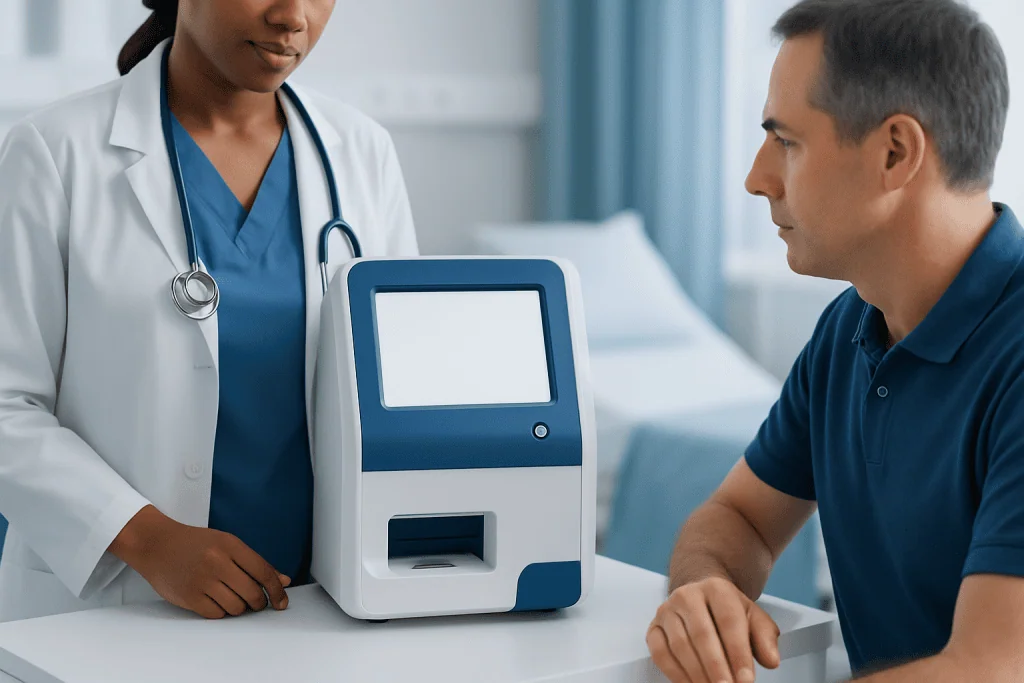
In many adults, an eGFR of 90 or higher is considered in the normal or near-normal range, especially when there are no other signs of kidney damage. However, eGFR naturally changes with age, and a result that is slightly lower does not always mean disease. The trend over time matters more than one isolated value.
The table below offers a general guide. Laboratories may use slightly different reporting methods, and a doctor should interpret the result in context.
- 90 or higher: usually normal kidney filtration if urine tests and other findings are normal
- 60 to 89: may be normal for some people, but can also suggest early kidney disease if it persists with other abnormal findings
- 45 to 59: mild to moderate reduction in kidney function
- 30 to 44: moderate to severe reduction in kidney function
- 15 to 29: severe reduction in kidney function
- Below 15: kidney failure or very severe loss of kidney function, requiring urgent specialist evaluation
Because age affects kidney filtration, some people also want to compare results with age-based expectations. If a clinician is looking for broader context around kidney function trends, it may also be helpful to review a general hub such as chronic kidney disease alongside regular follow-up discussions.
Low eGFR: causes, possible symptoms, and what to do next

Low eGFR means the kidneys may not be filtering blood as effectively as expected. This can happen for temporary reasons, such as dehydration, a recent illness, reduced blood flow to the kidneys, or certain medicines. It can also occur with longer-term conditions such as diabetes, high blood pressure, kidney inflammation, urinary blockage, or chronic kidney disease.
Many people with a mildly low eGFR have no symptoms at all. When kidney function falls further, symptoms may include swelling in the legs or around the eyes, tiredness, nausea, loss of appetite, changes in urination, itching, muscle cramps, or trouble concentrating. These symptoms are not specific to kidney disease, so they need medical assessment.
The next step after a low eGFR is usually not to panic, but to confirm the finding. A doctor may repeat the blood test, order a urine albumin or protein test, review medicines, check blood pressure, and look for causes such as infection or dehydration. If the result remains low or falls over time, referral to a kidney specialist may be recommended, and further assessment may include imaging such as kidney ultrasound or broader nephrology evaluation.
Self-care while waiting for medical advice usually focuses on hydration, avoiding unnecessary anti-inflammatory pain medicines unless advised, controlling blood pressure or blood sugar if relevant, and keeping follow-up appointments. People should not stop prescribed medicines on their own, but they should tell their doctor about all prescription drugs, supplements, and over-the-counter products they use.
High eGFR: causes, possible symptoms, and what to do next
High eGFR results are often less worrisome than low values. In many healthy younger adults, a higher eGFR can simply reflect strong kidney filtration. It may also be seen in pregnancy or in people with lower muscle mass, because lower creatinine can make the estimated filtration rate appear higher.
Sometimes, a high eGFR may reflect a state called hyperfiltration, where the kidneys filter more than usual. This can happen early in diabetes, with obesity, or occasionally after a high-protein intake. On its own, a high number usually does not cause symptoms. Any symptoms present are more likely to relate to an underlying condition rather than the eGFR itself.
If an eGFR seems unexpectedly high, the next step is to look at the whole clinical picture. A doctor may review blood sugar, blood pressure, body size, pregnancy status, and urine findings. If diabetes is a concern, broader care may include assessment for diabetes and strategies to protect long-term kidney health.
In most cases, high eGFR does not require treatment by itself. What matters is whether there are other signs of kidney stress, such as protein in the urine, rising blood pressure, or changes over time. Repeat testing can help show whether the value is stable, temporary, or part of a larger pattern.
How the test is done
The eGFR result usually comes from a standard blood sample taken from a vein in the arm. The laboratory measures creatinine, and then an equation estimates the filtration rate. The test is quick, and most people do not need special preparation unless their clinician gives other instructions.
In some settings, eGFR is ordered as part of a routine metabolic panel, before surgery, during a health check, or while monitoring long-term conditions such as diabetes, hypertension, or kidney disease. It is also commonly checked before certain scans or treatments, because kidney function can affect how the body handles contrast agents and medications.
Doctors often pair the blood test with a urine test, especially if kidney disease is suspected. This is important because a person can have a near-normal eGFR but still have signs of kidney damage, such as albumin in the urine. When more detail is needed, the workup may include urine testing and imaging or specialist review.
Factors that can skew eGFR results
eGFR is useful, but it is still an estimate. Because the calculation depends heavily on creatinine, anything that changes creatinine can affect the result. Muscle mass is one of the biggest factors: athletes or very muscular people may have higher creatinine and a lower estimated eGFR, while older adults or people with low muscle mass may appear to have a higher eGFR than their true kidney function.
Diet and hydration can also influence the test. Recent heavy meat intake, strenuous exercise, vomiting, diarrhea, or dehydration may temporarily shift creatinine and eGFR. Pregnancy can alter kidney filtration as well. Some medicines may affect creatinine directly or change kidney blood flow, making interpretation more complex.
Lab methods and equations also matter. Some clinicians may order an additional test called cystatin C if the creatinine-based eGFR does not fit the person’s overall health picture. This can help clarify kidney function when muscle mass is unusual or when the result is borderline and decisions depend on greater accuracy.
Because of these variables, an abnormal eGFR should be interpreted as a clue, not a diagnosis by itself. Trends across time, repeat measurements, and related tests are usually the safest way to understand whether kidney function is stable, improving, or declining.
Treatment, monitoring, and protecting kidney health
There is no treatment aimed at the eGFR number alone. Care focuses on the cause behind the result. If low eGFR is linked to dehydration, infection, urinary blockage, or a medication effect, treating that issue may improve the number. If it reflects chronic kidney disease, the goal is often to slow progression and reduce complications.
Common kidney-protective measures include blood pressure control, diabetes management, avoiding smoking, maintaining a healthy body weight, limiting excess salt, staying appropriately hydrated, and using medicines carefully. Doctors may also adjust drug doses when kidney function is reduced, because the body may clear some medicines more slowly.
Regular monitoring may include repeat creatinine and eGFR, urine albumin testing, electrolyte checks, and blood pressure review. If structural kidney problems are suspected, imaging or specialist care may be useful. In more complex cases, a comprehensive kidney workup can include kidney disease treatment planning tailored to the person’s underlying diagnosis.
Near the end of the evaluation pathway, some people may need coordinated care across nephrology, endocrinology, cardiology, and nutrition. Acibadem International’s multidisciplinary specialists and JCI-accredited hospitals diagnose and treat kidney-related conditions for international patients when further assessment or follow-up is needed.
When to seek medical care
A person should seek medical advice if an eGFR result is lower than expected, especially if it remains low on repeat testing or is accompanied by swelling, reduced urination, blood in the urine, persistent fatigue, nausea, shortness of breath, or uncontrolled blood pressure. Even without symptoms, a repeated abnormal result deserves professional review.
More urgent care is important if symptoms develop suddenly, especially after a severe infection, vomiting, diarrhea, dehydration, a new medicine, or possible urinary blockage. Severe weakness, confusion, chest discomfort, marked breathlessness, or very little urine output should be assessed promptly.
For high eGFR, medical review is still reasonable if there are signs of diabetes, protein in the urine, or other abnormal lab results. In general, people should avoid interpreting eGFR in isolation and should discuss what the number means with a qualified doctor who can consider the full health picture.
Frequently asked questions
Is a low eGFR always a sign of kidney disease?
No. A low eGFR can be temporary and may occur with dehydration, recent illness, or certain medicines. Doctors usually look at repeat results, urine tests, and overall health before deciding whether chronic kidney disease is present.
What eGFR level is considered dangerous?
Very low results, especially below 30, need prompt medical review, and values below 15 are especially serious. The urgency also depends on symptoms, how quickly the number changed, and whether there are signs of complications such as swelling, breathing problems, or very low urine output.
Can eGFR improve?
Yes, it can improve if the cause is temporary, such as dehydration, infection, or a medication effect. When low eGFR is due to chronic kidney disease, the main goal is often to stabilize kidney function and slow further decline rather than fully restore the number.
Why would eGFR be high?
A high eGFR is often normal, especially in younger adults, and may also occur in pregnancy. In some cases, it can reflect hyperfiltration related to diabetes or obesity, so doctors may look for other clues such as blood sugar changes or protein in the urine.
Should eGFR be checked with a urine test?
Often yes. A urine albumin or protein test can show kidney damage that a blood test alone might miss. Looking at both blood and urine results gives a clearer picture of kidney health.
Can muscle mass affect the eGFR result?
Yes. Because eGFR is commonly calculated from creatinine, people with higher muscle mass may appear to have a lower eGFR, while people with low muscle mass may appear to have a higher eGFR. This is one reason doctors sometimes repeat testing or use other markers when results seem unclear.
References
- National Kidney Foundation
- Kidney Disease: Improving Global Outcomes
- National Institute of Diabetes and Digestive and Kidney Diseases
- Centers for Disease Control and Prevention
- Mayo Clinic
This article is for general information only and is not a substitute for professional medical advice. Please consult a qualified doctor about your individual situation.
Explore treatments in Turkey — costs, top hospitals & a free quote
JCI-accredited · board-certified surgeons · reply within 24h
Add us as a Preferred Source to see more of our trusted health content across Google Search, AI Overviews and Discover.
Check your numbers in seconds
BMI, calories, due date, blood pressure and 30+ more clinical calculators — free, instant, doctor-reviewed ranges.

More from the Health Library



Related Specialists

Dr. Zehra Filiz Gündoğan Turan
Anesthesiology
Assoc. Prof. Dr. Ayşenur Özderya
Endocrinology
Büşra Zeybek
Physical Medicine & Rehabilitation
Assoc. Prof. Dr. Halil Kara
General Surgery