Pediatric Neurology Referral: Signs a Child May Need Neuropediatrics

A child may need a pediatric neurology referral for seizures, developmental regression, weakness, severe headaches, or unusual movements. Not every neurological symptom means a serious condition, but persistent or worsening symptoms should be assessed.
Key Takeaways
- A child may need a pediatric neurology referral for seizures, developmental regression, weakness, severe headaches, or unusual movements.
- Not every neurological symptom means a serious condition, but persistent or worsening symptoms should be assessed.
- A pediatric neurologist reviews development, examines the nervous system, and may recommend imaging, EEG, blood tests, or genetic testing.
- Urgent medical care is important for sudden weakness, prolonged seizures, trouble breathing, loss of consciousness, or severe head injury.
- Keeping a symptom diary, videos of episodes, and details about development can help the specialist make an accurate diagnosis.
A pediatric neurology referral can help evaluate symptoms related to a child’s brain, spinal cord, nerves, or muscles. Early specialist assessment may clarify the cause of seizures, developmental concerns, weakness, unusual movements, headaches, or changes in behavior and function.
Overview
A pediatric neurology referral means a child is being sent to a specialist who evaluates conditions affecting the brain, spinal cord, nerves, and muscles. These specialists are often called pediatric neurologists or neuropediatricians. They assess symptoms that may involve movement, development, behavior, sensation, coordination, muscle strength, or episodes such as seizures.
Many neurological symptoms in children have treatable or manageable causes. Some concerns turn out to be temporary developmental variations, migraine, sleep-related events, or benign movement patterns. Even so, a specialist review can be helpful when symptoms are unusual, persistent, worsening, or affecting daily life, learning, or safety.
Children’s nervous systems are still developing, so warning signs may look different at different ages. A baby may show poor head control or feeding difficulty, while an older child may have headaches, weakness, balance problems, school decline, or episodes of staring. A referral helps place these signs in the context of normal development and possible neurological causes.
Symptoms That May Need a Pediatric Neurology Referral
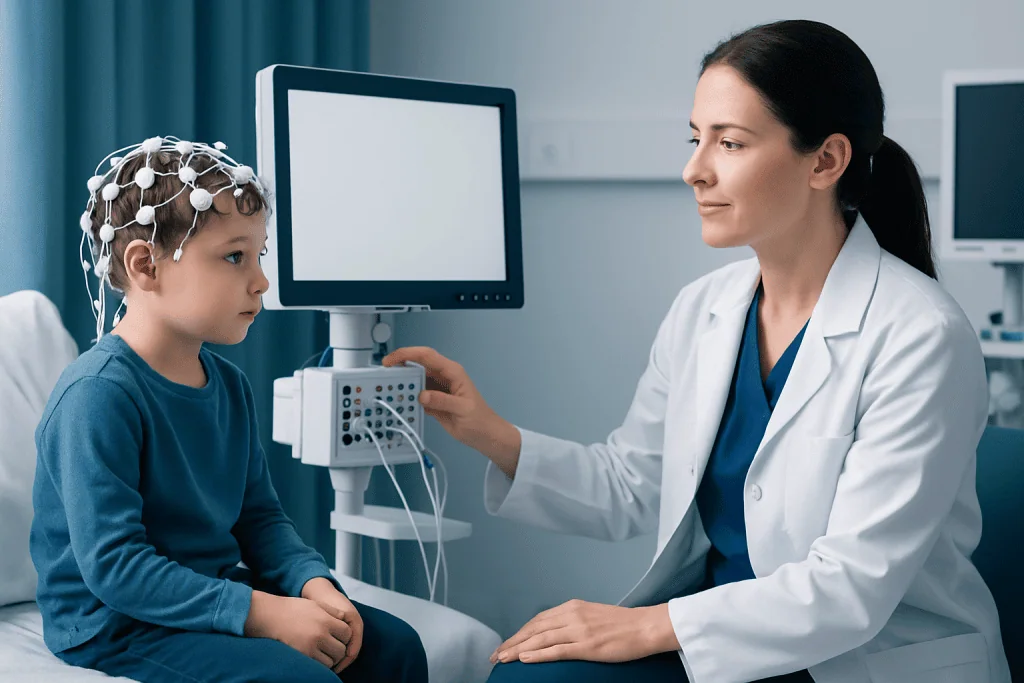
One of the most common reasons for referral is a possible seizure. This can include convulsions, repeated staring spells, sudden loss of awareness, unexplained falls, stiffening, jerking, or episodes that happen during sleep. A child with a first seizure or recurrent unusual events may need assessment for epilepsy or another neurological condition.
Developmental concerns are another major reason to involve neuropediatrics. A referral may be appropriate if a child is not reaching milestones, loses previously learned skills, has trouble with muscle tone, or shows persistent coordination problems. Delays in sitting, walking, speech, fine motor tasks, or social interaction may need a broader neurological evaluation, especially if they occur with abnormal movements, weakness, or regression.
Headache patterns can also suggest the need for specialist input. Many children have headaches from common causes, but severe, frequent, worsening, or unusual headaches deserve medical attention. Headaches associated with vomiting, early morning symptoms, visual changes, weakness, imbalance, fainting, or changes in personality or school performance should be assessed promptly.
- Weakness, limpness, stiffness, or frequent falls
- Tremor, tics, involuntary movements, or unusual posturing
- Persistent numbness, tingling, or changes in sensation
- Loss of balance, clumsiness, or difficulty walking
- Developmental regression or sudden decline in abilities
- Sleep episodes, fainting, or unexplained staring spells
Age-Specific Signs Parents May Notice
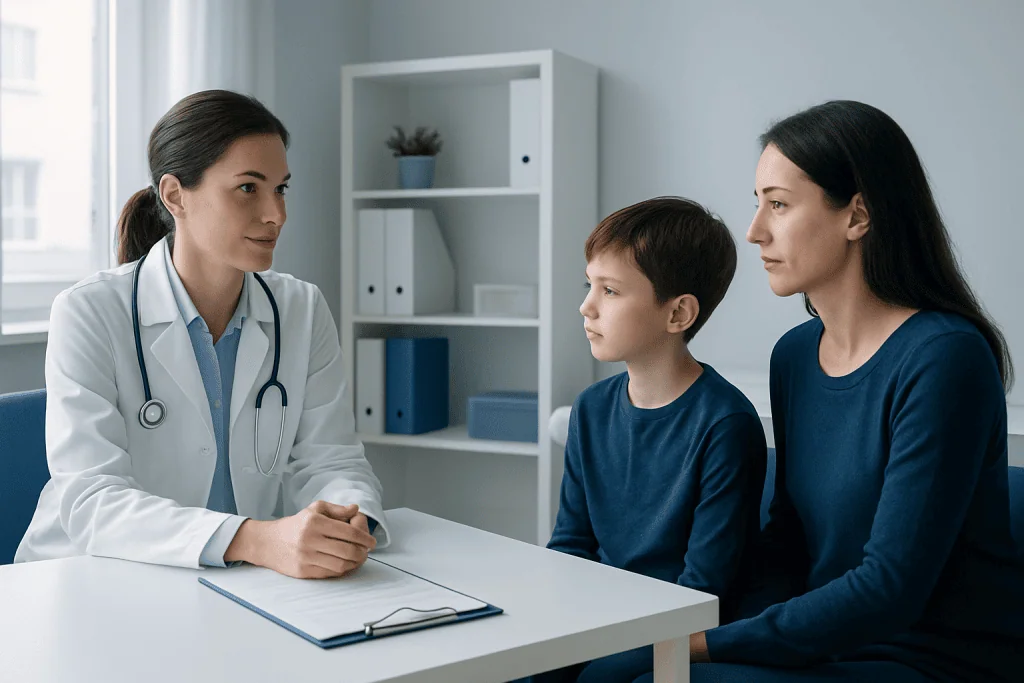
In infants, warning signs may include poor feeding, very low or very high muscle tone, unusual floppy or stiff posture, delayed head control, asymmetry in movement, persistent hand preference before the usual age, or abnormal eye movements. Repetitive jerks, pauses in awareness, or episodes of stiffening should also be discussed with a doctor. Babies who are difficult to arouse or who show reduced interaction after seeming previously alert should be evaluated.
In toddlers and preschool children, concerns may include delayed walking, toe walking with other motor problems, frequent falling, speech delay combined with poor coordination, repetitive spells, or skills that stop progressing. A child who loses language, motor, or social abilities needs timely medical review. This is especially important if regression follows a period of normal development.
In school-age children and teenagers, signs may include recurrent headaches, weakness in an arm or leg, chronic fatigue with activity, shakiness, worsening handwriting, memory or attention decline, dizziness with neurological symptoms, or changes in gait. Behavioral changes may sometimes be linked to a neurological problem, particularly when they appear suddenly or alongside other physical signs.
Possible Causes and Risk Factors
Neurological symptoms in children can have many causes, ranging from mild and temporary to more complex conditions. These include seizure disorders, migraine, developmental disorders, nerve or muscle disease, inflammation, infection, genetic conditions, birth-related brain injury, metabolic disorders, or structural differences in the brain or spinal cord. Sometimes symptoms are related to another health issue rather than a primary neurological disease.
Muscle weakness, poor endurance, or delayed motor milestones may lead doctors to consider muscular dystrophy or another neuromuscular disorder. Balance problems, tremor, or involuntary movements may point toward movement disorders, medication effects, or metabolic causes. Recurrent severe headaches may be due to migraine, though symptoms such as vomiting, visual change, or abnormal examination findings may require further investigation.
Certain factors can increase the need for neurological evaluation. These include premature birth, birth complications, a family history of epilepsy or neuromuscular disease, known genetic syndromes, head injury, central nervous system infection, or a history of developmental delay. However, many children referred to neurology do not have obvious risk factors, which is why careful assessment is important.
How Pediatric Neurologists Diagnose the Problem
The evaluation usually begins with a detailed history. The specialist asks when symptoms started, how often they happen, whether they are getting worse, and what the child is like before, during, and after an episode. Developmental milestones, school performance, sleep, medications, family history, pregnancy and birth history, and any prior illnesses or injuries are also important.
A neurological examination assesses strength, muscle tone, reflexes, coordination, sensation, balance, vision-related responses, and age-appropriate developmental skills. In infants and young children, the exam is adapted to play and observation. Parents may be asked to share videos of events such as staring, jerking, abnormal movements, or gait changes, because episodes are not always visible during the visit.
Further testing depends on the child’s symptoms. This may include an EEG test to assess brain electrical activity when seizures are suspected, or MRI imaging to look at the brain or spine in more detail. Some children may also need blood tests, metabolic screening, nerve or muscle studies, developmental assessments, or genetic testing when an inherited condition is possible.
Treatment Options and Ongoing Care
Treatment depends on the diagnosis rather than the referral itself. Some children need medication, while others benefit most from observation, rehabilitation, developmental support, or treatment of an underlying condition. For example, seizures may require anti-seizure medicine, migraine may improve with trigger management and a tailored treatment plan, and weakness or motor delay may call for physical or occupational therapy.
Neurological care in children often involves more than one specialist. A child may also need developmental pediatrics, rehabilitation, genetics, psychology, ophthalmology, neurosurgery, or other services depending on the findings. Coordinated care is especially important for complex conditions that affect learning, movement, communication, or independence.
Parents often worry that a neurology referral means a serious diagnosis, but that is not always the case. In many situations, the main goal is to rule out important causes, monitor development over time, and provide early support when needed. If specialized treatment is required, pediatric neurology care can help guide long-term management and follow-up.
What Families Can Do Before the Appointment
Practical preparation can make a neurology visit more helpful. Parents or caregivers can write down the child’s symptoms, when they started, how long they last, and what seems to trigger or relieve them. A simple diary of headaches, falls, staring spells, weakness, sleep events, or behavioral changes can provide useful patterns.
If it is safe to do so, a short video of an unusual episode can be very valuable. Families should also bring growth and development information, school reports if relevant, and a list of medications, supplements, and previous tests. It helps to note any family history of seizures, migraine, developmental conditions, muscle disease, or learning disorders.
Questions are an important part of the visit. Families may wish to ask what the likely causes are, whether any symptoms are urgent, what tests are needed, and what changes to watch for at home. Near the end of the care pathway, some families choose centers with multidisciplinary specialists; Acibadem International’s JCI-accredited hospitals diagnose and treat neurological conditions in children and support international patients when advanced evaluation is needed.
When to Seek Urgent Medical Care
Some symptoms need urgent assessment rather than a routine referral. Emergency care is important if a child has a first seizure lasting several minutes, repeated seizures without full recovery, blue lips, trouble breathing, loss of consciousness, sudden severe headache, or sudden weakness on one side of the body. These signs can indicate a medical emergency.
Parents should also seek prompt care for severe head injury, new confusion, persistent vomiting with headache, a bulging soft spot in an infant, high fever with neck stiffness, or rapid loss of walking, speech, or alertness. A child who becomes difficult to wake, unusually floppy, or markedly less responsive should be seen right away.
For less urgent but still concerning issues, families should contact their pediatrician if symptoms keep returning, interfere with school or play, or do not fit normal development. A timely referral can support earlier diagnosis, better symptom control, and reassurance for the family.
Frequently asked questions
What does a pediatric neurologist treat?
A pediatric neurologist evaluates conditions involving a child’s brain, spinal cord, nerves, and muscles. This includes seizures, headaches, developmental delay, weakness, movement problems, coordination issues, and some sleep-related or unexplained episodes.
Does a neurology referral mean something serious is wrong?
Not necessarily. Many children are referred to rule out important problems, clarify symptoms, or monitor development. Some evaluations lead to a diagnosis that is manageable or even benign, while others simply provide reassurance.
When should a child be referred to neurology for headaches?
A referral may be appropriate if headaches are severe, frequent, getting worse, or associated with vomiting, visual changes, weakness, balance problems, or fainting. A pediatrician can help decide whether routine evaluation or urgent assessment is needed.
Should parents record unusual episodes on video?
Yes, if it is safe and practical. A short video of staring, jerking, abnormal movements, gait changes, or other episodes can help the specialist understand what happened, especially if the event does not occur during the appointment.
What tests might a child need after a pediatric neurology referral?
Testing depends on the symptoms and examination findings. Some children need no tests, while others may have an EEG, MRI, blood work, developmental assessment, or genetic testing to look for an underlying cause.
What symptoms need emergency care instead of waiting for a referral?
Emergency care is important for prolonged seizures, repeated seizures without recovery, sudden weakness, trouble breathing, loss of consciousness, severe head injury, or a sudden severe headache. Any rapid decline in alertness, walking, speech, or responsiveness should also be treated urgently.
References
- American Academy of Pediatrics
- National Institute of Neurological Disorders and Stroke
- Centers for Disease Control and Prevention
- World Health Organization
- International League Against Epilepsy
This article is for general information only and is not a substitute for professional medical advice. Please consult a qualified doctor about your individual situation.
Pediatric Neurology in Turkey — costs, top hospitals & a free quote
JCI-accredited · board-certified surgeons · reply within 24h
Add us as a Preferred Source to see more of our trusted health content across Google Search, AI Overviews and Discover.

More from the Health Library



Related Specialists

Dr. Tarik Candan
Thoracic Surgery
Assoc. Prof. Dr. İlim Irmak
Pulmonology
Prof. Dr. Ufuk Aydınlı
Orthopedic Surgery & Traumatology
Dr. Ulambadrakh Khenchbish
Orthopedic Surgery & Traumatology