Blood Donation Eligibility: Who Can Give Blood and Which Health Checks Matter?

Blood donation eligibility is assessed to keep donation safe for both donor and recipient. Common checks include age, weight, blood pressure, pulse, temperature, and hemoglobin level.
Key Takeaways
- Blood donation eligibility is assessed to keep donation safe for both donor and recipient.
- Common checks include age, weight, blood pressure, pulse, temperature, and hemoglobin level.
- Temporary deferrals are common after illness, certain travel, pregnancy, tattoos, or some medications.
- Many long-term health conditions do not automatically prevent donation if they are well controlled.
- Anyone unsure about eligibility should contact a licensed blood center or doctor before donating.
Blood donation eligibility is based on simple safety checks that help protect both the donor and the person receiving blood. Rules can vary slightly by country and blood center, but most focus on age, weight, general health, hemoglobin level, medications, travel, and infection risk.
Overview: what blood donation eligibility means
Blood donation eligibility refers to the medical and practical criteria used to decide whether a person can safely donate blood at a given time. These criteria are designed for two reasons: to protect the donor from harm such as dizziness or anemia, and to protect the recipient from infections or other transfusion-related risks.
Most blood centers follow national or regional guidance, so exact rules may differ slightly between countries and organizations. Even so, the same general principles are widely used. Staff usually review age, body weight, current health, past medical history, medications, recent travel, pregnancy history, and behaviors or exposures that may affect blood safety.
Eligibility is not always permanent. Many people are temporarily deferred, which means they may donate later once a short-term issue has passed. Examples include having a fever, taking certain antibiotics, recent vaccination, low hemoglobin, or recent dental or surgical procedures. A temporary deferral is common and does not necessarily mean there is a serious health problem.
Before each donation, a brief health screening helps confirm that the person is fit to donate that day. This quick check is important even for regular donors, because health status can change over time. People with questions should follow the advice of their local blood service and consult a qualified doctor if they have a medical condition or are unsure whether donation is appropriate.
Who can usually give blood
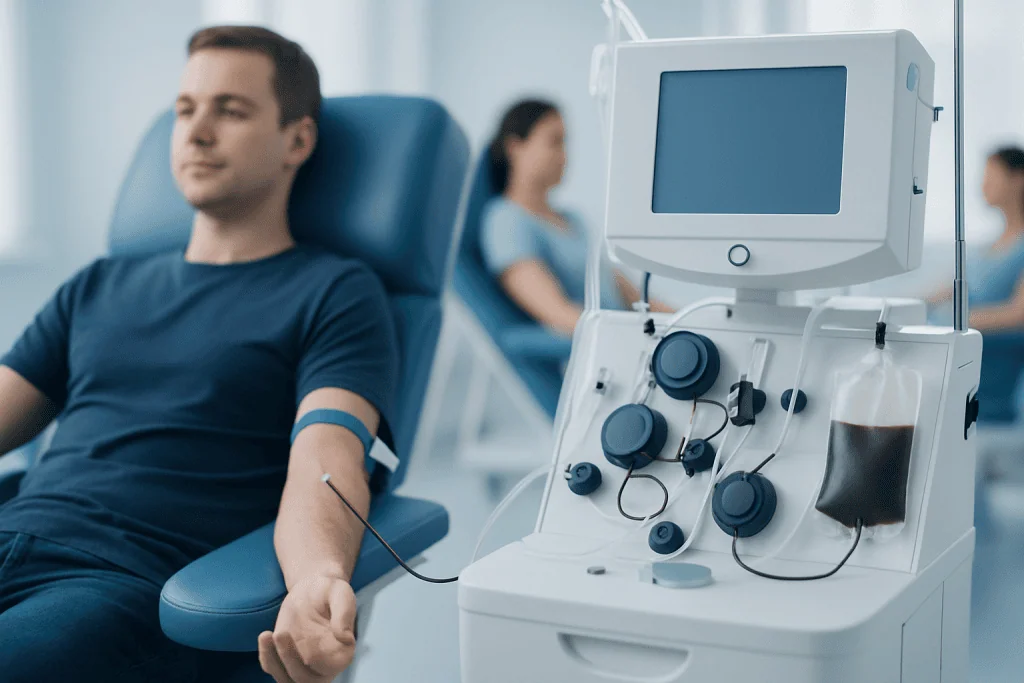
In general, healthy adults who meet the blood center’s age and weight requirements can often donate blood. Many services accept donors from late adolescence onward, sometimes with parental consent for younger donors, and they may set an upper age limit or require medical review for older first-time donors. A minimum body weight is also common because it helps reduce the chance of side effects from donating.
On the day of donation, the person should feel well. That usually means no fever, no active infection, no severe dehydration, and no significant shortness of breath or chest pain. Adequate sleep, food, and fluids can also help the donation process go more smoothly. People who are tired, unwell, or recovering from illness may be asked to return another day.
Some common long-term conditions do not automatically prevent donation. For example, a person with well-controlled blood pressure, stable thyroid disease, or mild allergies may still be eligible, depending on their symptoms and treatment. The key question is whether donation is safe for that person and whether the donated blood is safe for someone else to receive.
Eligibility can also depend on the type of donation. Whole blood, platelets, and plasma donation may have slightly different requirements, including different waiting times between donations. Blood center staff can explain which type of donation is suitable based on the person’s health and the service’s needs.
Health checks done before donation

Before blood is collected, the donor usually completes a questionnaire and has a short screening assessment. This commonly includes checking temperature, pulse, and blood pressure, as well as asking about recent illness, medications, surgery, vaccinations, travel, and possible exposure to infections. The questions may feel personal, but they are asked to help keep the blood supply safe.
A hemoglobin or hematocrit test is one of the most important checks. Hemoglobin is the protein in red blood cells that carries oxygen. If the level is too low, donating could make the donor feel weak or worsen anemia, so the person may be deferred until the level improves. If low hemoglobin is found more than once, a doctor may recommend an evaluation for causes such as iron deficiency, heavy menstrual bleeding, diet-related issues, or an underlying anemia condition.
Blood centers may also review pulse and blood pressure to identify whether the person is stable enough to donate that day. A very high or very low reading, an irregular pulse, or symptoms such as faintness may lead to postponement. This is mainly a donor safety measure rather than a diagnosis of disease.
After donation, the blood itself is tested for transfusion-transmissible infections according to local standards. These screening tests help identify infections such as hepatitis B, hepatitis C, HIV, and others considered important in that region. Donors are not expected to interpret these tests on their own; if a result needs follow-up, the blood service will usually provide guidance about the next steps and medical evaluation.
Common reasons someone may not be eligible right now
Temporary deferral is one of the most common outcomes of donor screening. A person may need to wait if they currently have a cold or flu-like illness, a fever, diarrhea, or an active infection. Recent antibiotic use, recent vaccination, or dental work may also lead to a short postponement, depending on the reason for treatment and local policies.
Low hemoglobin, recent blood donation, recent surgery, pregnancy, and the period after childbirth are other common reasons to delay donation. Menstruation alone does not always prevent donation, but heavy bleeding or symptoms such as fatigue or lightheadedness may matter. People should mention any history of iron deficiency, fainting, or previous difficulty donating.
Travel or residence in areas with certain infections may affect eligibility for a period of time. This can include regions where malaria or other travel-related infections are more common. Likewise, recent tattoos, piercings, or procedures involving needles may require a waiting period, depending on how and where they were done and the local infection-control standards.
Some people are deferred for longer or permanently because of conditions that could endanger recipients, such as certain blood-borne infections, specific heart conditions, or a history of serious reactions to donation. Rules in this area vary, so the final decision is usually made by the blood center’s medical team rather than by a general rule of thumb.
Medical conditions, medications, and special situations
Having a medical condition does not automatically mean a person cannot donate. What matters most is whether the condition is stable, whether the donor feels well, and whether the blood is safe to use. For example, a person with controlled asthma, stable diabetes, or treated hypothyroidism may be able to donate if they have no concerning symptoms and meet the center’s usual criteria.
Some conditions require more caution. A history of heart disease, unexplained fainting, seizures, bleeding disorders, cancer, or recent hospitalization may need individual review. People with a known bleeding disorder or those taking blood thinners may not be suitable for donation because of increased bleeding risk. Those with liver disease, kidney disease, or active autoimmune or infectious conditions may also need specific guidance.
Medication rules depend on the drug and the reason it is being taken. Many everyday medicines do not prevent donation, but some do. Examples that can affect eligibility include certain anticoagulants, acne medicines, immune-modifying drugs, or medications that may harm a fetus if transfused to a pregnant recipient. Blood center staff usually consider both the medicine itself and the health condition behind it.
Pregnancy and breastfeeding policies vary, but pregnancy generally leads to temporary deferral, and many centers also require a waiting period after delivery. This gives the body time to recover iron stores and blood volume. If a person has frequent fatigue, heavy menstrual bleeding, or suspected low iron, a doctor may suggest blood tests such as a complete blood count before repeated donations.
How to prepare for donation and support recovery
Good preparation can make donating more comfortable. Donors are often advised to drink extra fluids, eat a light meal beforehand, and avoid donating on an empty stomach. Wearing clothing with sleeves that can be easily rolled up may also make the process easier. If the person has donated before and felt faint, it is helpful to tell the staff in advance.
After donation, most people can return to normal daily activities fairly quickly, but rest and hydration are important. Blood centers commonly recommend sitting for a short observation period, having a drink, and avoiding strenuous exercise or heavy lifting for the rest of the day. Mild bruising, temporary tiredness, or brief dizziness can occur and often improve with fluids and rest.
Regular donors may benefit from paying attention to iron intake, especially if they donate often or have had low hemoglobin in the past. A balanced diet that includes iron-rich foods can help support recovery. In some cases, a doctor may recommend iron studies, such as a ferritin test, if there is concern about low iron stores even when hemoglobin is normal.
If there is ongoing fatigue, repeated low hemoglobin, or symptoms such as paleness, shortness of breath, or rapid heartbeat, further medical evaluation may be appropriate. In some cases, doctors may investigate for sources of blood loss or digestive causes with tests that are tailored to symptoms, and not every donor will need additional testing.
When to see a doctor and where to get help
A doctor should be consulted if a person is repeatedly turned away because of low hemoglobin, feels unwell after donation more than expected, or has symptoms that suggest anemia or another health problem. Warning signs can include persistent fatigue, chest pain, fainting, black or bloody stools, unexplained weight loss, or shortness of breath. These symptoms do not always mean something serious, but they do deserve medical attention.
Medical advice is also important for people with chronic diseases, recent surgery, new medications, or questions about whether donation is suitable for them. A blood center can explain its current eligibility rules, but a doctor can help assess the underlying health issue. This is especially useful if a temporary deferral happens more than once or if screening raises a new concern.
For people who are not eligible to donate at the moment, there are still meaningful ways to support blood services, such as encouraging others to donate, volunteering, or returning later when the waiting period has ended. Being deferred can be disappointing, but it is part of a careful system designed to keep donation safe and effective.
Those seeking specialist evaluation can be assessed in centers with experience in blood health and transfusion-related issues. Acibadem International’s multidisciplinary specialists and JCI-accredited hospitals diagnose and treat blood-related conditions for international patients when further assessment is needed.
Frequently asked questions
Can someone donate blood if they take regular medication?
Sometimes yes. Many routine medicines do not automatically prevent donation, but eligibility depends on the specific drug and the reason it is prescribed. The blood center will usually review both factors before making a decision.
Does low iron always mean someone cannot donate blood?
Not always, but low hemoglobin or low iron stores can lead to temporary deferral for safety reasons. If low results happen repeatedly, a doctor may look for causes such as diet, menstrual blood loss, or an underlying medical condition.
Can someone donate blood during their period?
In many cases, yes, if they feel well and meet the hemoglobin requirement. However, if periods are very heavy or cause dizziness, weakness, or iron deficiency, it may be better to wait and discuss symptoms with a doctor.
Why do blood centers ask about travel, tattoos, or piercings?
These questions help reduce the risk of transfusion-transmissible infections. Depending on destination, timing, and how the procedure was performed, a temporary waiting period may be required before donation.
How often can someone donate blood?
The waiting time depends on the type of donation, such as whole blood, plasma, or platelets, and on local rules. Blood centers set these intervals to allow the body time to recover safely between donations.
What happens if someone feels dizzy after giving blood?
Mild dizziness can happen and often improves with lying down, drinking fluids, and resting. If symptoms are severe, last a long time, or include chest pain or fainting, medical attention should be sought.
References
- World Health Organization
- Centers for Disease Control and Prevention
- American Red Cross
- AABB
- NHS Blood and Transplant
This article is for general information only and is not a substitute for professional medical advice. Please consult a qualified doctor about your individual situation.
Explore treatments in Turkey — costs, top hospitals & a free quote
JCI-accredited · board-certified surgeons · reply within 24h
Add us as a Preferred Source to see more of our trusted health content across Google Search, AI Overviews and Discover.
Check your numbers in seconds
BMI, calories, due date, blood pressure and 30+ more clinical calculators — free, instant, doctor-reviewed ranges.