Sleep Attacks and Near-Miss Accidents: When Daytime Sleepiness Needs Neurological Evaluation
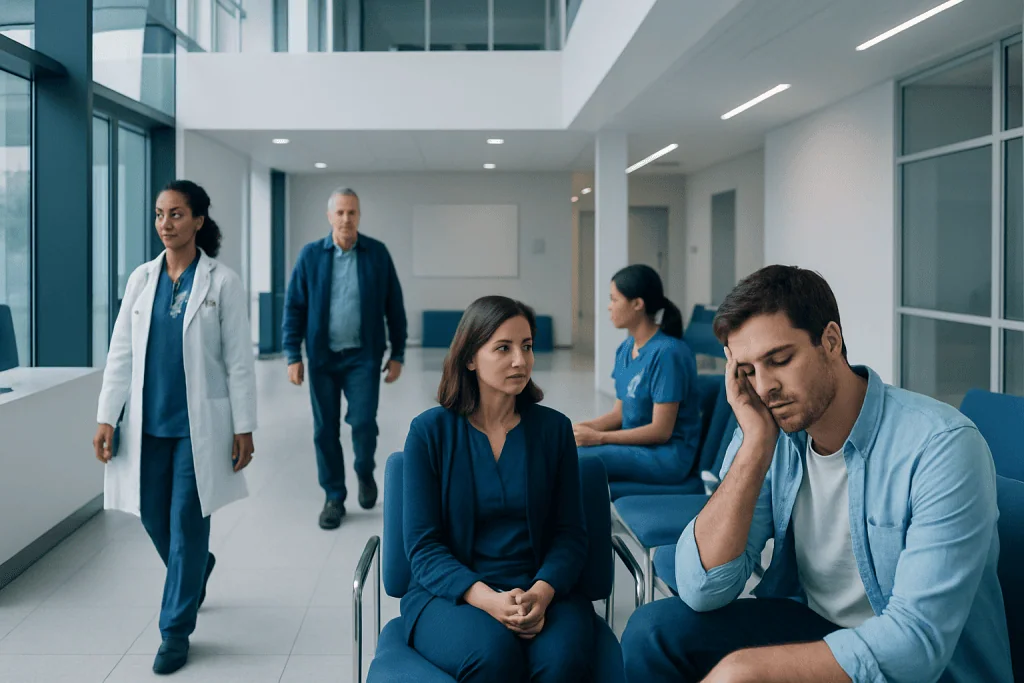
Sudden sleep episodes and near-miss accidents are important warning signs, especially during driving, work, or daily tasks. Excessive daytime sleepiness may be linked to narcolepsy, sleep apnea, circadian rhythm problems, medication effects, or neurological illness.
Key Takeaways
- Sudden sleep episodes and near-miss accidents are important warning signs, especially during driving, work, or daily tasks.
- Excessive daytime sleepiness may be linked to narcolepsy, sleep apnea, circadian rhythm problems, medication effects, or neurological illness.
- A neurological or sleep medicine evaluation may include a medical history, sleep studies, and tests that measure daytime alertness.
- Treatment depends on the cause and may include lifestyle changes, treating sleep disorders, reviewing medicines, and improving sleep habits.
- People with episodes of dozing while driving or working in risky settings should seek medical advice promptly and reduce safety risks immediately.
Sleep attacks and repeated near-miss accidents are not simply a sign of being busy or overtired. They can point to excessive daytime sleepiness caused by a sleep disorder, medication effect, or neurological condition that deserves careful medical evaluation.
Overview
Sleep attacks are episodes of falling asleep suddenly or feeling an overwhelming, hard-to-resist urge to sleep during the day. Some people notice a gradual wave of drowsiness, while others feel that sleep comes on so quickly that it interferes with conversations, work tasks, meals, or travel. When these episodes lead to drifting out of attention while driving or operating machinery, they can result in near-miss accidents that should never be ignored.
Daytime sleepiness is common, but it is not always harmless. A poor night of sleep can certainly cause fatigue the next day, yet repeated sleep attacks often suggest a deeper problem. These episodes may be related to insufficient sleep, obstructive sleep apnea, narcolepsy, medication side effects, shift work, or certain neurological disorders. In some people, the main symptom is not feeling tired in the usual sense, but repeatedly nodding off in quiet or routine situations.
Because alertness is controlled by complex brain systems as well as breathing, sleep timing, and overall health, a neurological or sleep medicine assessment can be important. A careful evaluation helps determine whether the problem begins with sleep disruption, a disorder of the brain’s wakefulness systems, or another medical issue. Early assessment can also help prevent injuries, driving incidents, and problems at work or school.
Symptoms and Warning Signs
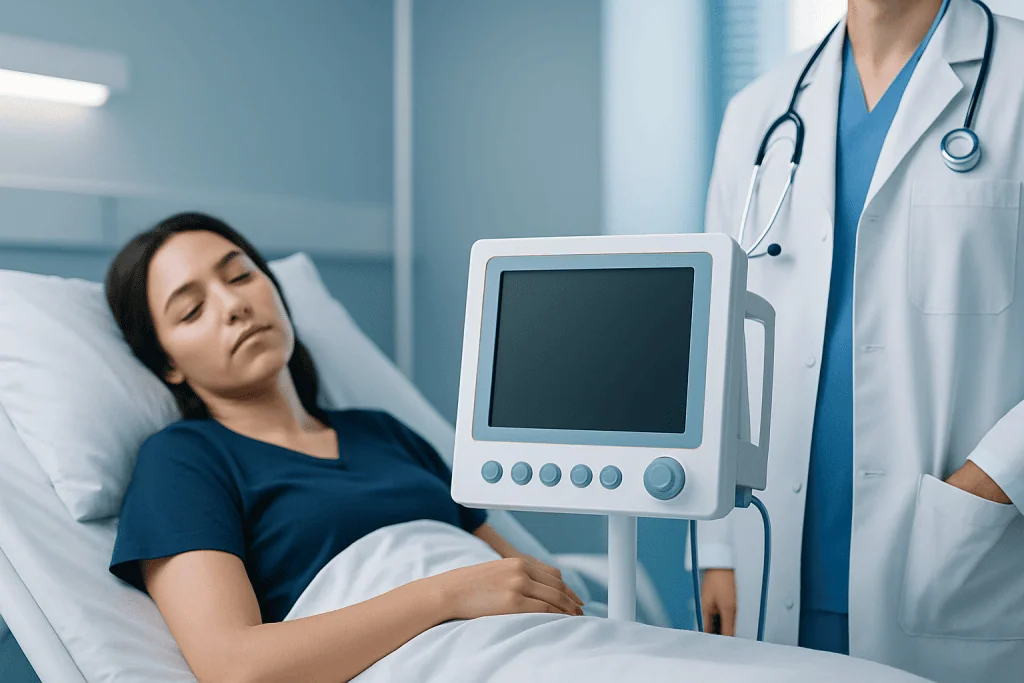
The most important symptom is excessive daytime sleepiness that feels stronger than ordinary tiredness. A person may unintentionally fall asleep during meetings, while reading, while watching television, or even during active situations such as talking, eating, or driving. Some people describe “microsleeps,” brief lapses in awareness that last only seconds but are long enough to miss traffic signals, drift in a lane, or make mistakes at work.
Sleep attacks may occur alone or along with other symptoms. These can include waking unrefreshed despite spending enough time in bed, loud snoring, witnessed pauses in breathing during sleep, morning headaches, poor concentration, memory problems, irritability, and reduced performance. Others may notice that the person seems sleepy before the person recognizes it themselves.
Additional symptoms can point toward specific disorders. In narcolepsy, there may be vivid dream-like experiences when falling asleep or waking, temporary inability to move when waking, or sudden loss of muscle tone triggered by emotions, called cataplexy. In circadian rhythm problems, sleepiness may be worst at certain times because the body clock is out of sync. In neurological disease, symptoms such as weakness, tremor, headaches, changes in movement, or cognitive changes may also be present.
- Unplanned naps or falling asleep unintentionally
- Near-miss driving or workplace accidents
- Difficulty staying awake in passive or active situations
- Poor concentration, slowed reaction time, or memory lapses
- Snoring, gasping, or interrupted sleep at night
- Dream-like hallucinations, sleep paralysis, or cataplexy
Causes and Risk Factors

Many cases of sleep attacks are caused by chronic sleep deprivation. Busy schedules, shift work, caring responsibilities, jet lag, and inconsistent sleep habits can all reduce alertness. Alcohol, sedating antihistamines, some pain medicines, certain mental health medicines, and other prescription drugs can also contribute. In these situations, the brain is not receiving enough restorative sleep or is being affected by substances that reduce wakefulness.
Common sleep disorders are another major cause. Obstructive sleep apnea can repeatedly interrupt breathing during sleep, leading to fragmented rest and severe daytime sleepiness. Narcolepsy is a neurological sleep disorder in which the brain’s regulation of sleep and wakefulness is altered, causing sudden sleepiness and, in some cases, cataplexy. Restless legs syndrome and periodic limb movements can also disturb sleep quality. Related conditions such as sleep apnea and narcolepsy are often considered when sleep attacks are frequent or severe.
Medical and neurological conditions may also play a role. Depression, anxiety, thyroid problems, chronic pain, anemia, and metabolic illness can reduce energy and sleep quality. Neurological conditions affecting the brain, nerves, or sleep-wake pathways may impair alertness. Risk tends to rise when symptoms are long-standing, when there is a family history of sleep disorders, when body weight contributes to airway narrowing, or when sleepiness occurs despite what seems like enough time in bed.
How Doctors Diagnose the Cause
Diagnosis begins with a detailed history. The doctor will ask when the sleepiness started, how often sleep attacks happen, whether there have been any near-miss accidents, and what sleep looks like at night. They may ask about snoring, breathing pauses, shift work, alcohol use, caffeine, medications, mental health, and other medical conditions. Input from a bed partner or family member can be very helpful because they may notice symptoms the person does not recall.
A physical and neurological examination may follow, along with basic laboratory tests when appropriate. Keeping a sleep diary for one to two weeks or using actigraphy can help show actual sleep patterns. Standard questionnaires may also be used to estimate how likely a person is to doze in everyday situations, but these tools do not replace a clinical evaluation.
If a sleep disorder is suspected, doctors may recommend an overnight sleep study to monitor breathing, oxygen levels, heart rhythm, limb movements, and sleep stages. In some cases, a multiple sleep latency test is performed the next day to measure how quickly a person falls asleep and whether rapid eye movement sleep occurs unusually early, which can support a diagnosis such as narcolepsy. Depending on symptoms, evaluation may also involve a neurology consultation or overnight sleep testing to clarify the cause and guide treatment.
Treatment Options
Treatment is based on the underlying cause. If insufficient sleep is the problem, improving sleep duration and regularity may make a meaningful difference. When medications are contributing, the prescribing doctor may review whether timing, dose, or an alternative medicine could help. If a medical condition such as thyroid disease, depression, or chronic pain is involved, managing that condition often improves daytime alertness.
Sleep disorders usually need targeted treatment. For obstructive sleep apnea, therapy may include weight management, positional strategies, oral appliances, or positive airway pressure treatment. For narcolepsy and some other central hypersomnia disorders, treatment may involve scheduled naps, sleep hygiene, and wake-promoting medications prescribed and monitored by a specialist. In selected cases, people may be evaluated in a dedicated sleep medicine program to coordinate testing and long-term care.
Safety planning is an essential part of treatment. Until symptoms are under control, a person may need to stop driving temporarily, avoid operating machinery, take breaks during long tasks, and arrange support for commuting or work duties. Near-miss accidents should be discussed openly with the doctor because they help show how urgently treatment is needed.
Prevention and Self-Care
Not all causes of daytime sleepiness can be prevented, but healthy sleep habits can reduce risk and support recovery. A consistent sleep schedule, enough time in bed, and a dark, quiet sleep environment are the foundation of good sleep. Limiting alcohol close to bedtime and avoiding non-prescribed sedating substances can also help. Caffeine may improve alertness briefly, but it should not be used to mask severe sleepiness that needs medical assessment.
People who work shifts or travel across time zones can benefit from structured planning around sleep, light exposure, and rest periods. Short planned naps may be helpful in some situations, especially for people with diagnosed sleep disorders, but repeated unplanned naps are a sign to seek further evaluation. Bed partners can contribute by noticing loud snoring, breathing pauses, unusual nighttime movements, or behaviors that may suggest a sleep disorder.
It is also helpful to track patterns. Recording sleep hours, episodes of dozing, triggers, and any near-miss incidents can make doctor visits more productive. For people with persistent symptoms, specialist care may be needed. Near the end of the diagnostic process or when symptoms are complex, Acibadem International’s multidisciplinary specialists in JCI-accredited hospitals may assess and treat sleep and neurological conditions for international patients.
When to Seek Medical Attention
Medical attention is important when daytime sleepiness is frequent, unexplained, or affecting daily life. A person should arrange an evaluation if they repeatedly fall asleep unintentionally, struggle to stay awake during routine activities, or need daily naps just to function. Sleepiness that continues despite spending enough time in bed is another reason to seek care.
Prompt evaluation is especially important after any near-miss accident while driving, at work, or during childcare. These events suggest that alertness has been impaired enough to create a safety risk. If the person also snores heavily, stops breathing during sleep, experiences sudden muscle weakness with emotions, or has other neurological symptoms, the need for assessment becomes even stronger.
Urgent medical care may be needed if severe sleepiness appears suddenly, especially with confusion, new weakness, chest symptoms, severe headache, fainting, or other concerning signs. In general, it is safer to stop driving and speak with a qualified doctor sooner rather than later when sleep attacks are occurring.
Frequently asked questions
Are sleep attacks the same as ordinary tiredness?
No. Ordinary tiredness may improve with rest, while sleep attacks usually involve a sudden or overwhelming urge to sleep that can interrupt normal activities. If this happens repeatedly, especially during driving or work, it should be medically evaluated.
Can poor sleep alone cause near-miss accidents?
Yes, chronic sleep deprivation can slow reaction time, impair judgment, and lead to brief unintended sleep episodes. However, repeated near-miss accidents can also point to a sleep disorder or neurological condition, so persistent symptoms deserve professional assessment.
Does daytime sleepiness always mean narcolepsy?
No. Narcolepsy is one possible cause, but many people with excessive daytime sleepiness have obstructive sleep apnea, medication side effects, circadian rhythm problems, or insufficient sleep. A doctor uses the history and testing to determine the specific cause.
What tests are commonly used to evaluate severe daytime sleepiness?
Doctors often begin with a clinical history, sleep diary, and physical examination. If needed, they may recommend an overnight sleep study and a daytime test called the multiple sleep latency test to measure how quickly a person falls asleep.
Should someone keep driving if they have had a near-miss because of sleepiness?
It is safest to avoid driving until the cause has been assessed and symptoms are better controlled. Continuing to drive with untreated sleep attacks can put the person and others at risk. A doctor can advise when it is safer to resume driving based on the diagnosis and response to treatment.
Can treatment really improve alertness?
In many cases, yes. Alertness often improves when the underlying cause is identified and treated, whether that means better sleep habits, treating sleep apnea, adjusting medications, or managing narcolepsy or another condition. Improvement may take time, so follow-up is important.
References
- American Academy of Sleep Medicine
- National Institute of Neurological Disorders and Stroke
- National Heart, Lung, and Blood Institute
- Centers for Disease Control and Prevention
- European Sleep Research Society
This article is for general information only and is not a substitute for professional medical advice. Please consult a qualified doctor about your individual situation.
Explore treatments in Turkey — costs, top hospitals & a free quote
JCI-accredited · board-certified surgeons · reply within 24h
Add us as a Preferred Source to see more of our trusted health content across Google Search, AI Overviews and Discover.