Brain Aneurysm Coiling Recovery: Hospital Stay, Restrictions, and Follow-Up

Most patients stay in the hospital for monitoring after brain aneurysm coiling, often for a short period if recovery is uncomplicated. Fatigue, mild headache, and soreness at the catheter insertion site are common during early recovery.
Key Takeaways
- Most patients stay in the hospital for monitoring after brain aneurysm coiling, often for a short period if recovery is uncomplicated.
- Fatigue, mild headache, and soreness at the catheter insertion site are common during early recovery.
- Activity restrictions are usually temporary and are meant to reduce strain while the artery access site and treated aneurysm heal.
- Follow-up imaging is an important part of care because it helps confirm the aneurysm remains sealed.
- Urgent medical attention is needed for severe headache, weakness, confusion, speech trouble, or bleeding from the access site.
Recovery after brain aneurysm coiling is often quicker than recovery after open brain surgery, but it still requires careful monitoring, temporary activity limits, and follow-up appointments. Knowing what to expect can help patients and families feel more prepared during the days and weeks after treatment.
Overview of Brain Aneurysm Coiling Recovery
Brain aneurysm coiling is a minimally invasive procedure used to treat certain aneurysms in the brain. During the procedure, a specialist guides a thin catheter through a blood vessel, usually from the groin or wrist, and places tiny coils inside the aneurysm. These coils help reduce blood flow into the aneurysm, lowering the risk of rupture or rebleeding.
Recovery after coiling varies from person to person. It depends on whether the aneurysm was treated before it ruptured or after bleeding had already occurred, as well as the person’s overall health and whether there were any procedure-related complications. In general, recovery after coiling is often shorter and less physically demanding than recovery after open surgery, but it still requires close follow-up.
The first phase of recovery focuses on monitoring. The care team checks neurological function, blood pressure, and the catheter entry site. Over the following days and weeks, attention shifts to symptom control, gradually returning to normal activities, and making sure the treated aneurysm remains stable on follow-up imaging.
Hospital Stay: What Patients Can Expect
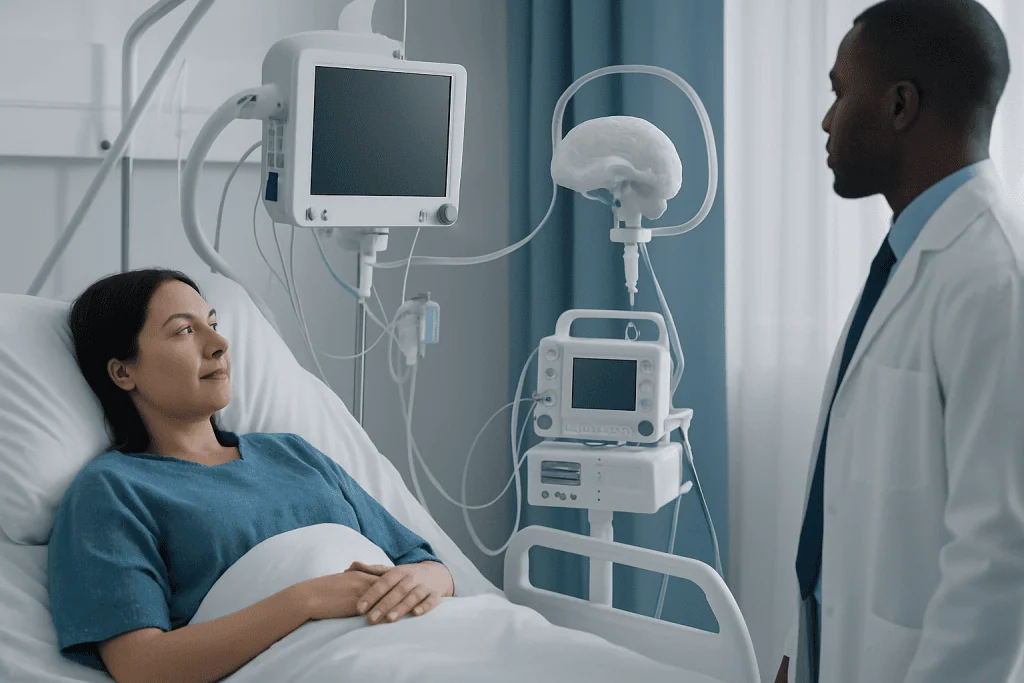
After the procedure, patients are usually observed in a recovery area, intensive care unit, or specialized neurological unit. Nurses and doctors watch for changes in alertness, speech, strength, vision, and headache severity. Blood pressure is monitored carefully because keeping it in a safe range can help protect healing blood vessels.
The length of hospital stay depends on the reason for treatment. If the aneurysm was found before rupture and the procedure was uncomplicated, the stay may be relatively short. If the aneurysm had ruptured and caused bleeding in the brain, the hospital stay is often much longer because patients may need treatment for complications such as vasospasm, hydrocephalus, or stroke-related effects.
Many patients notice soreness or bruising where the catheter was inserted. The team may ask the patient to lie flat for a period of time, especially if the groin was used for access. Pain is usually manageable, but any increasing swelling, numbness, or bleeding at the entry site should be reported promptly.
Before discharge, the care team typically explains medicines, activity limits, warning signs, and follow-up plans. Some patients are prescribed antiplatelet medication, especially if a stent was used along with coiling. It is important to take these medicines exactly as directed and not stop them without medical advice.
Common Symptoms During Early Recovery

It is common to feel tired for days or even weeks after brain aneurysm coiling. The body is recovering not only from the procedure itself but also from anesthesia, hospital stress, and, in some cases, a recent brain bleed. Many patients find that energy returns gradually rather than all at once.
Mild headache, nausea, or a general feeling of discomfort can also occur. Some people experience tenderness, bruising, or a small lump at the catheter insertion site. These symptoms often improve steadily. Patients who had a ruptured aneurysm may have a more complex recovery and may notice concentration problems, mood changes, or weakness related to the original bleed rather than the coiling alone.
Doctors usually advise patients to seek urgent care if they develop symptoms that are sudden, severe, or worsening. Warning signs include:
- A sudden severe headache unlike usual headaches
- New weakness or numbness
- Difficulty speaking or understanding speech
- Confusion, fainting, or seizures
- Vision changes
- Active bleeding, rapidly expanding swelling, or severe pain at the catheter site
When symptoms are mild but persistent, it is still wise to mention them at follow-up appointments. Recovery can be different for each patient, and the care team can help decide what is expected and what needs closer evaluation.
Restrictions After Aneurysm Coiling
Temporary restrictions are an important part of healing after coiling. For the first days to weeks, patients are often told to avoid heavy lifting, intense exercise, and activities that strain the body. This helps protect the artery access site and reduces the chance of bleeding or other complications. The exact timeline depends on the doctor’s instructions, the access route used, and whether additional devices such as a stent were placed.
Driving may need to be postponed for a period of time, especially if the patient had neurological symptoms, a ruptured aneurysm, seizures, or medications that affect alertness. Returning to work also varies. Some people with uncomplicated treatment return relatively quickly, while others need a longer recovery period, particularly after a rupture or if their job is physically demanding.
Self-care steps during this period often include:
- Walking regularly but gently to keep circulation moving
- Drinking enough fluids unless a doctor advises otherwise
- Keeping the catheter site clean and watching for redness or drainage
- Avoiding baths, swimming, or hot tubs until the access site has healed if the care team recommends it
- Taking prescribed medicines on schedule
Alcohol, smoking, and uncontrolled blood pressure can interfere with recovery and long-term vascular health. If needed, clinicians may recommend support for smoking cessation, blood pressure control, and broader brain aneurysm risk reduction.
Follow-Up Appointments and Imaging
Follow-up is one of the most important parts of brain aneurysm coiling recovery. Even when the procedure goes well, the treated aneurysm needs to be checked over time. In some cases, blood can slowly find its way back into part of the aneurysm, or the coil mass can change shape. Follow-up imaging helps specialists identify these issues early.
The timing and type of imaging vary. A doctor may recommend magnetic resonance angiography, computed tomography angiography, or catheter angiography at set intervals. The schedule depends on the aneurysm’s size and shape, whether a stent was used, and the findings on prior imaging. Patients should ask when their next scan is due and whether any preparation is needed.
Routine office visits also allow the team to review headaches, fatigue, memory concerns, blood pressure, and medication side effects. If the aneurysm was part of a more complex vascular problem, patients may continue care with specialists in interventional neuroradiology or neurosurgery.
Some people need additional treatment if imaging shows incomplete closure or recurrence. This does not always mean an emergency, but it does mean continued specialist evaluation is essential. In selected cases, options may include repeat endovascular treatment such as aneurysm treatment planned around the imaging findings and the patient’s overall condition.
Recovery at Home and Long-Term Outlook
Once home, patients often do best with a gradual routine. Short walks, regular meals, good hydration, and enough sleep can support healing. It is also helpful to pace activities and rest before fatigue becomes overwhelming. Family members may notice that the patient looks physically well before stamina and concentration fully return, so patience is important.
Emotional recovery matters too. Some patients feel anxious about follow-up scans or worried about another aneurysm. Others may feel down, irritable, or mentally slowed, especially after a ruptured aneurysm. These reactions are understandable and worth discussing with a doctor, particularly if they affect sleep, relationships, or daily functioning.
Long-term outlook depends on the original aneurysm and the success of treatment. Many people recover well and return to normal activities. However, long-term follow-up remains important because coiled aneurysms can occasionally reopen. Controlling blood pressure, avoiding smoking, and staying engaged with follow-up care can support the best possible outcome.
For patients recovering from more significant neurological effects after bleeding, structured rehabilitation may be part of the plan. Depending on symptoms, doctors may suggest physical, occupational, or speech therapy, or more specialized stroke rehabilitation support when deficits overlap with stroke-like recovery needs.
When to See a Doctor During Recovery
Patients should contact their doctor if they have fever, worsening headache, persistent vomiting, increasing redness or drainage at the catheter site, or unusual medication side effects. New numbness, weakness, trouble speaking, severe drowsiness, or sudden vision changes require urgent medical evaluation. These symptoms can signal neurological complications or problems with the treated blood vessel.
It is also wise to ask for medical advice if recovery seems to stall. Ongoing exhaustion, return of frequent headaches, or difficulty resuming daily tasks may not be an emergency, but they deserve attention. Follow-up care can uncover treatable issues and provide reassurance when healing is progressing normally.
Families and caregivers play an important role by watching for subtle changes in behavior, balance, speech, and memory. In some cases, the person recovering may not fully notice these changes. Keeping a simple symptom diary can make follow-up visits more useful and specific.
Specialized centers can coordinate imaging, medication review, and rehabilitation when needed. Acibadem International’s multidisciplinary specialists and JCI-accredited hospitals diagnose and treat cerebrovascular conditions for international patients, including follow-up after procedures such as brain aneurysm embolization.
Frequently asked questions
How long is the hospital stay after brain aneurysm coiling?
The hospital stay can be short if the aneurysm was treated before rupture and the procedure was uncomplicated. If the aneurysm had already ruptured, the stay is often longer because doctors need to monitor for brain-related complications and support recovery more closely.
Is it normal to feel tired after aneurysm coiling?
Yes, fatigue is common after aneurysm coiling. Recovery can take time because the body is healing from the procedure, anesthesia, and sometimes from a recent bleed in the brain.
What activities should be avoided after brain aneurysm coiling?
Patients are often told to avoid heavy lifting, strenuous exercise, and other activities that put strain on the body for a period of time. The exact restrictions depend on the doctor’s instructions, the catheter access site, and whether other devices such as a stent were used.
Why is follow-up imaging needed after coiling?
Follow-up imaging checks whether the aneurysm remains sealed and whether the coils are still in a stable position. It can also detect recurrence or incomplete closure, which may require closer monitoring or additional treatment.
When can someone return to work after aneurysm coiling?
Return to work varies widely. Some people return within a short time after uncomplicated treatment, while others need longer, especially after a ruptured aneurysm or if their work is physically demanding or requires intense concentration.
What warning signs need urgent medical attention during recovery?
Urgent signs include a sudden severe headache, weakness, speech difficulty, confusion, seizures, vision changes, or significant bleeding at the catheter site. These symptoms should be assessed immediately because they may signal a serious complication.
References
- American Heart Association
- National Institute of Neurological Disorders and Stroke
- Brain Aneurysm Foundation
- Society of NeuroInterventional Surgery
This article is for general information only and is not a substitute for professional medical advice. Please consult a qualified doctor about your individual situation.
Explore treatments in Turkey — costs, top hospitals & a free quote
JCI-accredited · board-certified surgeons · reply within 24h
Add us as a Preferred Source to see more of our trusted health content across Google Search, AI Overviews and Discover.
Check your numbers in seconds
BMI, calories, due date, blood pressure and 30+ more clinical calculators — free, instant, doctor-reviewed ranges.