

When Extra Tests Are Needed Before Treatment in Turkey

Extra tests before treatment in Turkey may be needed to confirm diagnosis, timing, and safety. Here is what you can expect in Istanbul.
If your doctor recommends extra tests before treatment in Turkey, it usually means your team wants the clearest and safest plan for you. This guide explains why added tests happen, how they affect timing, and what practical steps can make the process smoother.
At a glance
- Why tests are added: To confirm diagnosis, check suitability, and plan treatment safely
- Common tests: Blood work, imaging, cardiology checks, pathology review, and specialist consultations
- Impact on schedule: Some treatments continue as planned; others may shift by hours or days
- What to bring: Previous scans, reports, medication list, passport, and insurance documents if relevant
- Support available: International patient coordinators, interpreters, and travel guidance
Why extra tests may be needed
Needing more tests before treatment can feel frustrating when you have already arranged travel, time off work, and accommodation. In most cases, though, extra testing is not a sign that something is wrong. It usually means your medical team wants to confirm the diagnosis, understand your current health status, or choose the safest timing and method for your care.
Doctors often work with records from different hospitals, countries, and imaging systems. Sometimes those records are perfectly usable, and sometimes they are incomplete, outdated, or taken with a different protocol than the one your specialist needs. A repeated scan, fresh blood test, or additional consultation can help avoid assumptions and reduce the chance of delays later.
Before a procedure, your team may also need to check whether there have been any recent changes in your condition. New symptoms, an infection, changes in blood pressure, blood sugar, heart rhythm, or medication use can all affect whether treatment should go ahead as planned. Extra tests help your team make decisions based on your situation now, not only on past reports.
At large international hospitals such as Acibadem International, it is common for specialists from different departments to review findings together. This multidisciplinary approach can sometimes lead to one or two additional tests, but it is intended to make the treatment plan more precise and safer for you.
Which tests you may be asked to have
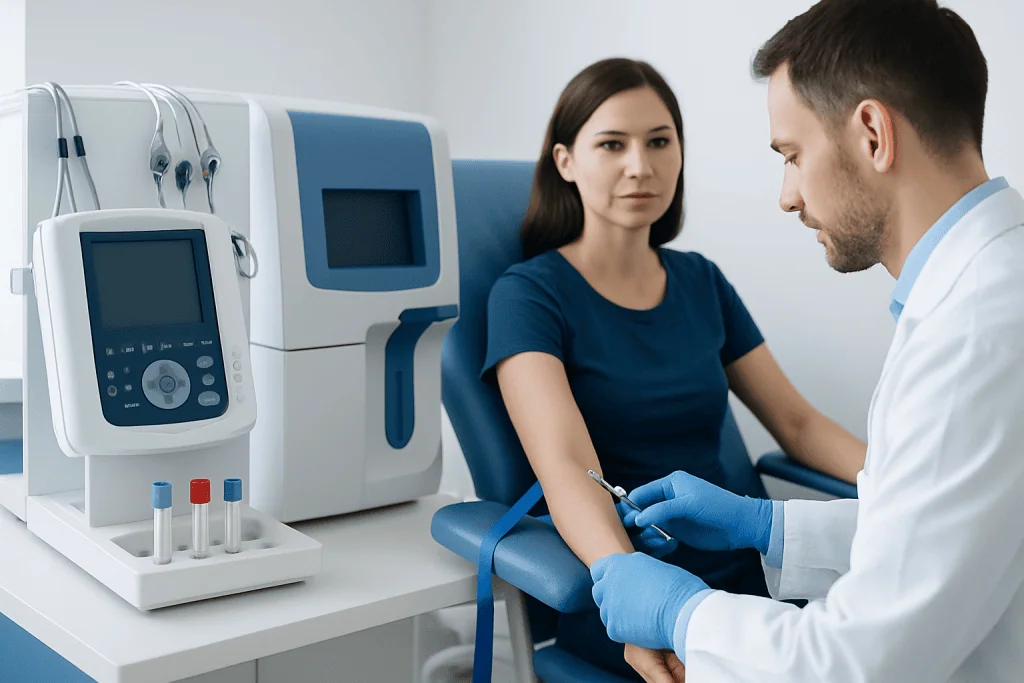
The exact tests depend on your planned treatment, your age, your symptoms, and your medical history. Many patients are asked to have basic pre-treatment blood tests, urine tests, ECG, or chest imaging. If you are having surgery, anesthesia clearance may also require specific checks on your heart, lungs, or current medications.
If your condition involves a tumor, chronic illness, spine problem, fertility issue, or cardiovascular concern, your team may need more detailed imaging such as MRI, CT, ultrasound, mammography, PET-related evaluation, or Doppler studies. In some situations, pathology slides or biopsy material from your home country may also need a second review before treatment starts.
Sometimes the added step is not a machine-based test but another specialist appointment. For example, your surgeon may ask for a cardiology review, endocrinology opinion, infectious disease assessment, or anesthesia consultation. This does not necessarily change your treatment; it often helps confirm that it can proceed safely.
- Fresh blood tests to check infection, kidney function, liver function, or clotting
- Imaging to clarify the exact location, size, or stage of a condition
- Cardiac or respiratory checks before anesthesia or major procedures
- Pathology review if previous biopsy results need confirmation
- Medication review if you take blood thinners, insulin, or immune-suppressing drugs
How extra tests can affect your timeline

One of the biggest concerns for international patients is whether extra tests will delay treatment. Sometimes they do, but not always. Many tests can be arranged quickly, especially in hospitals with on-site laboratories, imaging units, and multiple specialist teams. In some cases, your treatment still happens the same day or the next day after the results are reviewed.
Delays are more likely if a test needs fasting, a contrast preparation, a specialist report, or if the result suggests that another issue should be treated first. For example, uncontrolled blood pressure, an active infection, or abnormal clotting tests may mean it is safer to postpone a procedure briefly rather than proceed too soon.
It helps to think of extra tests as part of treatment planning, not a separate problem. A short delay can prevent bigger disruptions later, such as cancellation on the day of a procedure or a treatment approach that needs to be changed after it has already started.
If you are traveling to Istanbul or another city in Turkey for care, ask your coordinator early whether you should allow extra buffer days in your itinerary. Acibadem International patient teams often help international patients coordinate appointments closely, which can make the testing period more manageable.
What you can do before you travel
The best way to reduce repeat testing is to send complete medical information before you arrive. Include recent reports, imaging discs or secure digital files, pathology results, medication lists, allergy information, and a summary of any previous operations. If a document is not in English or Turkish, ask whether a translation or brief summary would be useful.
Try to provide dates with every report. A scan from several months ago may still be helpful, but your doctor will want to know exactly when it was done and why. If you have had the same test more than once, send the most recent version as well as any older report that shows change over time.
Before traveling, check practical details that may affect testing. Ask whether you should arrive fasting, whether contrast dye is likely to be used, whether you need to stop any medication, and whether a companion should come with you. If you have diabetes, kidney disease, a pacemaker, claustrophobia, pregnancy, or implanted metal devices, mention this in advance because it can affect imaging plans.
International patient departments can be especially helpful here. At Acibadem International, coordinators and interpreters can help organize document review, appointment flow, and logistics so that you know what to expect before you leave home.
What the testing day is usually like
Testing days are often busy but structured. You may start with registration and document review, then move through blood work, imaging, and one or more specialist consultations. It is a good idea to wear comfortable clothing, carry your passport, and keep your reports and medication list easily accessible.
Bring a charger, water if permitted, and a light snack for later if you may need to fast beforehand. Some imaging appointments involve waiting periods, preparation time, or a separate radiologist review before the final result is shared with your main doctor. That means even a simple testing day can take several hours.
If you do not speak Turkish, ask in advance about interpreter support. International hospitals in Turkey commonly arrange language assistance for consultations, consent discussions, and directions within the hospital. This can make a major difference when you are receiving a lot of information quickly.
It is also normal to feel emotionally tired by the end of the day. If possible, avoid scheduling sightseeing, long transfers, or important work calls immediately afterward. Giving yourself a quieter evening can make the next appointment feel much easier.
If results change the original treatment plan
Sometimes extra tests confirm that everything can proceed as expected. Other times, they lead to a different recommendation. Your team may advise a different technique, another specialist review, more conservative treatment, a staged approach, or a short postponement while another health issue is managed first.
This can be disappointing, especially if you arrived expecting a fixed treatment date. Still, a changed plan is often a sign that your doctors are responding responsibly to new information. It is better to adjust a plan before treatment than to ignore findings that could affect safety or outcome.
Ask your doctor to explain the reason for the change in simple terms: what the test showed, what risk it changes, and what the next step is. If you are receiving care in a large network such as Acibadem International, your team may be able to arrange same-network input from other specialties, which can save time and reduce the need for outside referrals.
Before you leave the appointment, make sure you understand whether the next step happens during the same trip or after you return home. You should also ask who will contact you, how results will be shared, and whether any travel dates should be adjusted.
Step by step
- Send your records before travel. Share your latest reports, scans, pathology results, and medication list as early as possible. This gives the medical team time to review what is already available and identify any likely gaps before you arrive.
- Confirm what is required on arrival. Ask whether you will need blood tests, imaging, or specialist clearance before treatment can be finalized. Also confirm practical instructions such as fasting, stopping medications, or bringing previous scan discs.
- Keep extra time in your itinerary. Build some flexibility into your travel dates in case additional tests or a second consultation is needed. Even when care is efficient, same-day scheduling is easier when you are not rushing to catch a flight.
- Attend testing with your documents ready. Bring your passport, appointment details, medical files, and a written list of medicines and allergies. Having everything in one folder or phone file helps consultations move more smoothly.
- Review the results with your doctor. Try to leave enough time for a follow-up discussion after the tests, not just the tests themselves. This is when your doctor explains whether treatment stays the same, changes slightly, or should be postponed.
- Clarify the next plan before you leave. Before the day ends, ask for a clear summary of what happens next, who will contact you, and whether any travel or accommodation changes are sensible. This can prevent confusion once you are back at your hotel or preparing to return home.
Your checklist
- Passport and hospital registration details
- Recent medical reports with dates
- Imaging discs or secure digital image files
- Pathology or biopsy reports if relevant
- Current medication and allergy list
- Notes about implants, pacemaker, pregnancy, or kidney disease
- Questions about fasting or medication pauses
- Extra day or two in your travel plan if possible
Key takeaways
- Additional tests before treatment in Turkey are common and often help confirm the safest plan.
- Repeat testing may happen if outside records are outdated, incomplete, or not in the required format.
- Practical preparation, especially sending records early, can reduce unnecessary delays.
- Many test-related delays are short and may allow treatment to continue within the same trip.
- International patient services, interpreters, and coordinated scheduling can make the process much easier.
Frequently asked questions
Does needing extra tests mean my original diagnosis was wrong?
Not necessarily. Very often, it simply means your doctor wants current, locally reviewed information before starting treatment. Records from another country may still be useful, but your team may need to confirm details in a way that matches their treatment planning process.
Will extra tests delay my treatment in Turkey?
They can, but the delay is not always long. Many hospitals can complete blood work, imaging, and consultations quickly, especially when services are available in the same location. The final timeline depends on the type of test, the result, and whether any safety issue needs to be addressed first.
Can I use scans and reports from my home country?
Often yes, and you should bring them or send them in advance. However, your specialist may still request repeat imaging or updated blood tests if the originals are too old, incomplete, or performed with a different protocol. Bringing everything you already have remains very helpful.
What should I ask before my testing appointment?
Ask whether you need to fast, whether contrast may be used, and whether any medication should be paused. You should also ask how long the visit may take, whether an interpreter will be available, and when you will review the results with your doctor.
What if the new test results change the plan I traveled for?
Ask for a clear explanation of what changed and why. In many cases, the new plan is designed to improve safety or tailor treatment more precisely to your current condition. Make sure you leave with practical next steps, including timing, travel advice, and follow-up arrangements.
Should I plan extra days in Istanbul for testing?
If you can, yes. A small buffer can make the trip much less stressful if an extra scan, pathology review, or specialist consultation is needed. This is especially useful if your treatment depends on same-week test results.
How can Acibadem International help if more tests are needed?
Acibadem International can help coordinate appointments, document review, interpreter support, and practical logistics for international patients. Because care is often organized across JCI-accredited hospitals and multidisciplinary teams, it may be easier to keep testing and treatment planning connected within one system.
Add us as a Preferred Source to see more of our trusted health content across Google Search, AI Overviews and Discover.
More Patient Guides
Sleep Apnea Testing in Turkey: What Happens During Your Evaluation
Sleep apnea testing in Turkey may include a consultation, overnight sleep study or home test, and a clear review of your results…
8 min read
Arriving Early for Tests in Turkey: Why Timing Matters
Arriving early for tests in Turkey helps with registration, preparation checks and a calmer visit. Plan extra time for Istanbul traffic and…
8 min read
How to Organize Your Test Results Before Traveling to Turkey
Organize your test results before traveling to Turkey by sorting records, images, medicines and timelines so your Istanbul care team can review…
8 min read