Melanoma Staging: What Biopsy Review, PET-CT and Blood Tests Reveal Before Treatment
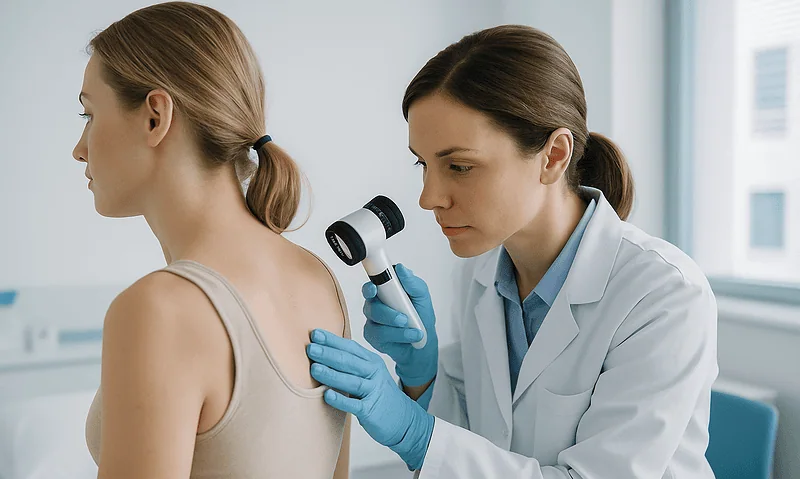
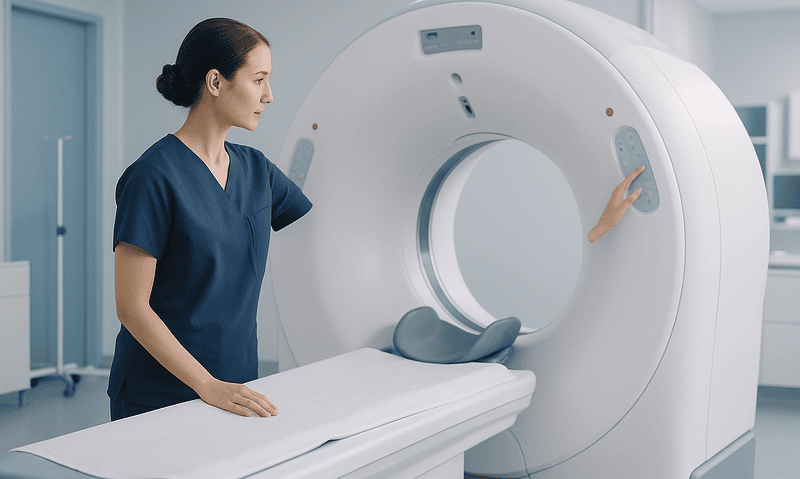
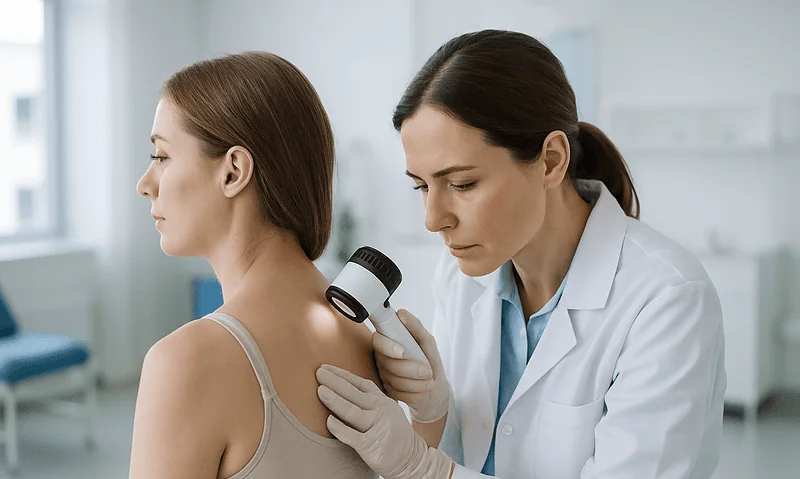
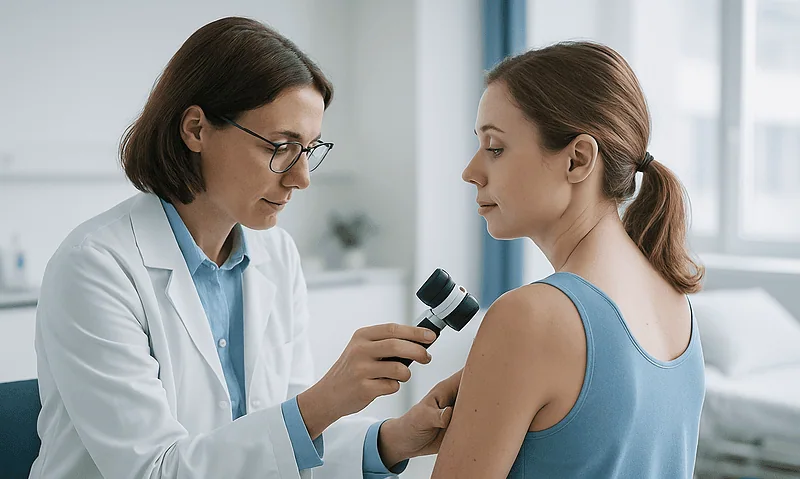
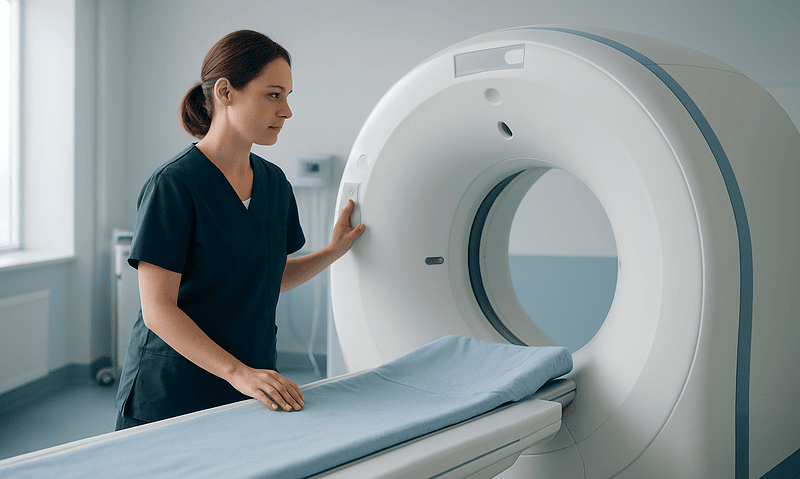
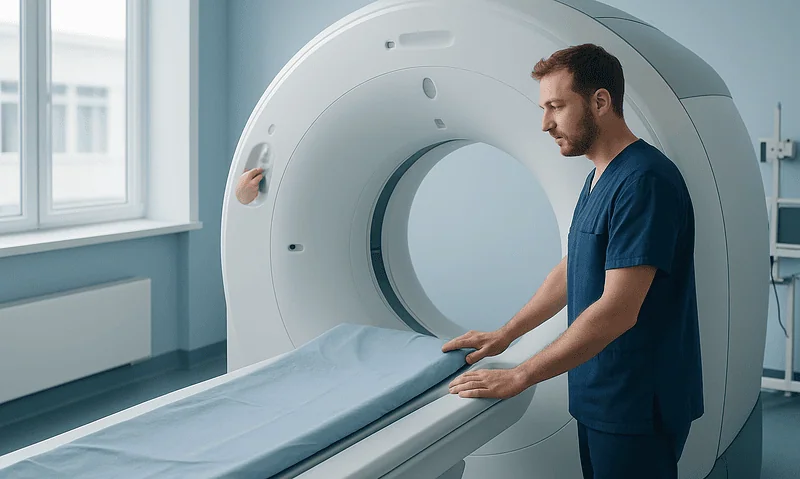
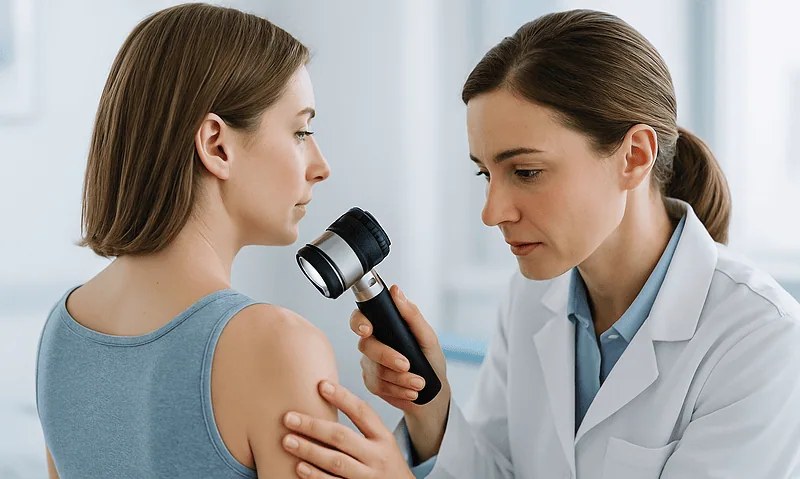
Melanoma staging tests establish how far the cancer has spread before any treatment plan is made. The pathologist's review of the biopsy, which measures…
Articles for patients and families facing cancer: how screening and diagnosis work, what staging means, how the main treatment types differ and how to prepare for appointments. General information; treatment decisions belong to your oncology team.
Melanoma staging tests establish how far the cancer has spread before any treatment plan is made. The pathologist's review of the biopsy, which measures…
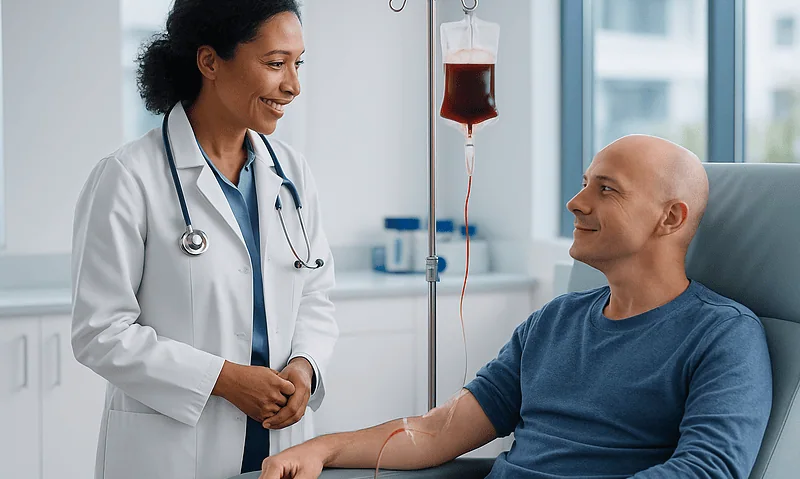
Transfusions are a routine part of bone marrow transplant care because the high-dose chemotherapy, and sometimes radiation, given before the transplant clears out the…
Liver tumor ablation destroys a small liver tumor with heat, cold or electrical energy delivered through a thin needle guided by ultrasound, CT or…
Life after CAR-T cell therapy usually means several weeks of close monitoring near the treatment center, a full-time caregiver, no driving for about eight…
After melanoma treatment, sun protection should become a daily habit rather than a beach-only one. Public health guidance advises shade during peak UV hours,…
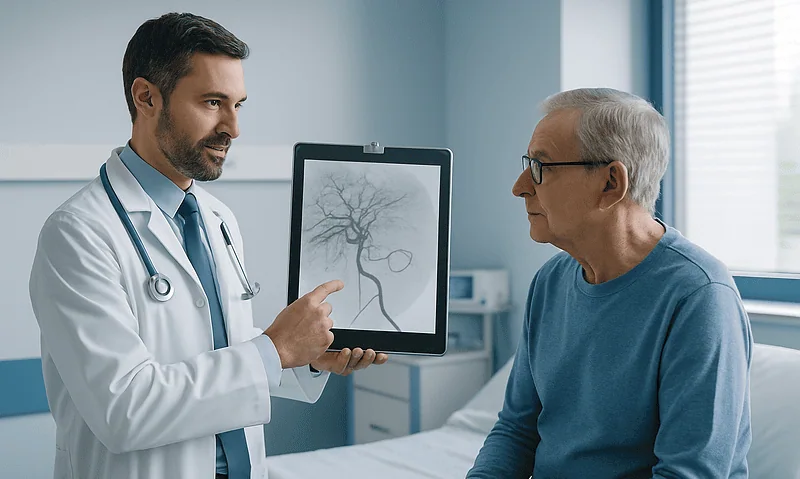
TARE radioembolization is performed in two visits by an interventional radiology team. First, a mapping angiogram threads a thin catheter from the wrist or…
Acute myeloid leukemia treatment includes a stem cell transplant for some people but not all. After chemotherapy brings the disease into remission, the care…
Surgery and chemoradiation treat cervical cancer about equally well when each is matched to the right stage. Surgery is usually chosen for small tumors…
Immunotherapy for melanoma is usually given as an intravenous infusion in repeating cycles, typically every few weeks, with blood tests and a symptom review…
Radioactive iodine does not work immediately. For an overactive thyroid, hormone levels usually begin falling within a few weeks, and most people notice the…
Before skin cancer treatment, ask your dermatologist or oncologist what type and stage of skin cancer you have, what the pathology report says, which…
An esophagectomy removes part or most of the esophagus, usually along with nearby lymph nodes, and rebuilds the swallowing tube by pulling the stomach…
After an orchiectomy for stage I testicular cancer, teams choose between active surveillance and adjuvant chemotherapy by weighing the tumor type (seminoma or nonseminoma),…
Eligibility for CAR T-cell therapy rests on three things: a cancer type and target protein the approved treatments are designed for (currently certain B-cell…
After brachytherapy, mild to moderate soreness and bruising between the legs, a pink tinge to the urine for a few days, and weeks to…
Hormone therapy for prostate cancer lowers testosterone, the hormone most prostate cancers need to grow, or blocks its action on cancer cells. It is…
Life after cervical cancer treatment usually means a long stretch of scheduled check-ups, gradual physical recovery, and managing changes to the pelvis, bladder, bowel,…
Melanoma follow-up is scheduled by stage. UK national guidance (NICE) suggests that stage IA patients have two to four skin checks over about a…
Choose which cookies you allow. Essential cookies are always on because the site cannot work without them.