

Life After Cervical Cancer Treatment: Pelvic Health, Intimacy and Ongoing Support
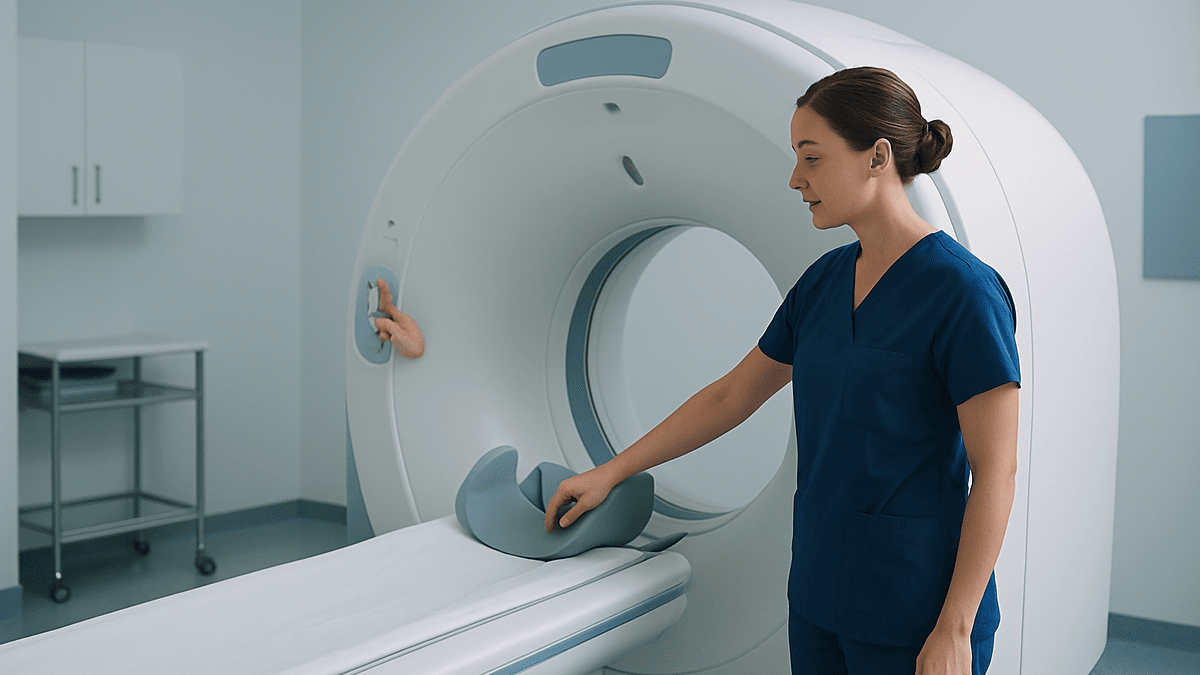
Key Takeaways
- The late effects you experience depend on your treatment: surgery mainly affects bladder emptying and vaginal length, while chemoradiation more often causes bowel change, vaginal narrowing and permanent early menopause.
- Routine follow-up relies on symptom history and pelvic examination rather than scheduled scans, because most recurrences are detected through symptoms or exam findings.
- Vaginal dilators are advised after pelvic radiation for everyone, not only sexually active women, because they preserve the canal for examination as well as intimacy.
- Early menopause from radiation or ovary removal raises long-term bone and cardiovascular risk, so bone density and heart-risk factors belong in survivorship planning.
- Lymphedema after pelvic lymph node treatment can appear months or years later, and early swelling is far easier to control than established swelling.
- NCI SEER data show roughly nine in ten women alive at five years when cancer was confined to the cervix at diagnosis, a population average rather than an individual prediction.
Life after cervical cancer treatment usually means a long stretch of scheduled check-ups, gradual physical recovery, and managing changes to the pelvis, bladder, bowel, vagina, hormones and mood. Common needs include pelvic floor rehabilitation, vaginal dilator use after radiation, support for early menopause, and help with intimacy and fear of recurrence. Which of these apply depends on the treatment received, so plans are set with the treating team.
The last radiation appointment often ends with a small ceremony: a handshake, a paper certificate, sometimes a bell on the wall. Then the drive home, the same route taken twenty-five times, except this time nobody expects you back tomorrow. Many women describe that first free morning not as relief but as a strange quiet, like standing in a house after the movers have gone.
Life after cervical cancer treatment starts in that quiet. The scans are done, the surgical drains are out, and yet the body is still changing: a bladder that behaves differently, skin that tingles, a partner who is unsure where to put a hand. Friends assume the hard part is over. In some ways it is. In others, the work has simply shifted from the hospital to the kitchen table.
This explainer walks through what that work usually involves, what the evidence says about follow-up, pelvic health, sex, hormones and emotional recovery, and which questions deserve a place on your list for the next appointment.
What life after cervical cancer treatment actually involves
Clinicians call this phase survivorship, a word that covers everything from the day treatment ends until the end of life. In practice it has three moving parts: surveillance for recurrence, recovery from the treatment itself, and management of late effects, meaning side effects that appear or persist months after therapy stops.
Which late effects you meet depends almost entirely on which treatment you had. Cervical cancer is treated in three broad ways, and the National Cancer Institute’s patient treatment summary describes them in detail. Surgery may be a cone biopsy, a trachelectomy (removal of the cervix while keeping the uterus) or a hysterectomy, sometimes with removal of nearby lymph nodes. Radiation, usually combined with chemotherapy that makes cancer cells more sensitive to it, treats the pelvis as a region. Systemic therapy, which includes chemotherapy, targeted drugs and immunotherapy, travels through the whole body and is used mainly for advanced or recurrent disease.
Someone who had a small cone biopsy for a very early cancer may have almost no lasting physical change. Someone who had chemoradiation may live with altered bowel habits, vaginal narrowing and early menopause for years. Both are survivors; their day-to-day realities differ enormously.
The other shift is psychological. During treatment the calendar is full and decisions are made for you. Afterward the appointments thin out, and a woman who felt closely watched can suddenly feel unwatched. Knowing that this drop-off is a normal feature of the pathway, not a sign of being forgotten, helps. So does understanding that the follow-up plan is designed around the pattern of how cervical cancer tends to behave after treatment, which is why it is front-loaded into the first few years.
Who is followed most closely, and who is asked to wait
Everyone treated for cervical cancer is offered follow-up, but its intensity is not uniform. Women treated for higher-stage disease, those who had chemoradiation rather than surgery alone, and those whose lymph nodes contained cancer are generally seen more often and for longer, because the chance of recurrence is higher and the late-effect burden is heavier. Women treated for microscopic disease with a cone biopsy usually move more quickly toward a lighter, screening-style schedule.

Waiting is also built into recovery, and it frustrates people who feel ready to move on. Several common examples:
- Sexual activity and dilator use are usually paused until tissues have healed, which the NHS describes as typically a matter of weeks after surgery or radiation. The exact green light comes from your own team, based on how your tissues look at examination.
- Pregnancy after a trachelectomy is normally delayed until healing is complete and early follow-up is reassuring, and later pregnancies are managed as higher risk because the cervix that normally holds a pregnancy has been removed.
- Hormone therapy decisions for radiation-induced menopause may wait until the pathology is fully reviewed and other health factors are weighed.
- Pelvic floor physiotherapy often begins with gentle breathing and posture work and holds off on internal techniques until incisions and irradiated tissue have settled.
None of this waiting is arbitrary. Healing tissue that is stretched or infected too early can scar more, not less. If a wait feels open-ended, it is entirely reasonable to ask what specific sign the team is looking for before you can start, and roughly when they expect to see it.
Cervical cancer follow up schedule: what happens at check-ups
The follow-up visit is deliberately old-fashioned. According to the NHS, it centers on a conversation about how you feel and a physical examination, including a pelvic exam and often a check of the lymph nodes in the groin and above the collarbone. Imaging such as CT, MRI or PET scans is not done routinely in most programs; it is ordered when the history or examination raises a question.
Why the emphasis on talking? Because most recurrences of cervical cancer announce themselves through symptoms or examination findings rather than through a surprise on a routine scan. A woman who reports new bleeding, pelvic pain radiating to the back or leg, or a swollen leg is giving her team more useful information than a scan taken at an arbitrary interval would. This is also why keeping a brief log of new or changing symptoms between visits is worth the two minutes it takes.
Frequency follows a taper. The NHS describes regular check-ups that are closer together in the first years and spaced out as time passes, reflecting the observation that most recurrences occur within the first few years after treatment. Some teams add a cytology sample from the top of the vagina after hysterectomy; others rely on examination alone. Practice varies between countries and guideline bodies, so ask which approach your program uses and why.
Use the visit for more than surveillance. Late effects, sexual health, mood and bone health are all legitimate agenda items, and many women find these are addressed only when they raise them. Bringing a written list turns a rushed ten minutes into a genuinely useful one.
The first weeks and months after cervical cancer treatment
Recovery rarely follows a straight line, but it does follow a recognizable shape. Radiation side effects such as diarrhea, bladder irritation and skin soreness often peak in the week or two after the final session rather than on the last day, because the tissue reaction lags behind the dose. Surgical recovery from a hysterectomy is described by Mayo Clinic as taking several weeks before normal activity resumes, longer for a radical procedure that involves the tissue around the cervix and the lymph nodes.

| Phase | What is commonly happening | Typical focus |
|---|---|---|
| First weeks | Acute radiation effects settling; incisions healing; fatigue high | Rest, hydration, wound care, bowel and bladder symptom relief |
| Roughly months 2 to 6 | Energy returning in steps; menopause symptoms may begin; vaginal changes emerge | Dilator use if advised, pelvic floor rehab, hormone discussion |
| Months 6 to 24 | Late effects become clearer; emotional adjustment; return to work and intimacy | Managing persistent bowel/bladder change, lymphedema watch, counseling |
| Beyond two years | Surveillance spacing out; long-term health maintenance | Bone and heart health, ongoing screening, wellbeing |
Timelines are ranges, not promises, and they vary with age, stage, treatment type and other health conditions. What matters is direction of travel: most weeks should feel a little easier than the ones before, even if individual days do not. A plateau is common; a clear step backward after steady improvement is something to mention to the team rather than wait out.
Many women find the third and fourth months hardest emotionally. The body is better, so others expect normality, yet stamina is still limited. Naming that gap to family, and to an employer if a phased return to work is possible, prevents a lot of quiet resentment on both sides.
Bladder, bowel and pelvic floor changes after cervical cancer
The cervix sits between the bladder in front and the rectum behind, so any treatment aimed at it affects the neighbors. Understanding the mechanism makes the symptoms less alarming.
After a radical hysterectomy, the nerves that tell the bladder to empty can be stretched or cut where they run beside the cervix. The result is often a bladder that does not sense fullness well and empties incompletely. Many women are taught timed voiding, urinating by the clock rather than by urge, while nerve function recovers over months. Some need intermittent catheterization for a period; this is a bridge, not a verdict.
Pelvic radiation irritates the lining of the bladder and bowel. In the short term that means urgency, frequency and loose stools. Over the longer term, the small blood vessels in the lining can become fragile, causing occasional bleeding, and the bowel wall can stiffen, so stools move differently. The NHS lists persistent bowel change as one of the more common long-term effects of pelvic radiotherapy. Fiber adjustment, timing of meals and specific medication classes that slow or firm stools are all tools your team can discuss.
The pelvic floor, the sling of muscle that supports bladder, bowel and vagina, often becomes either weak or, paradoxically, tight and guarded after pain and surgery. A pelvic health physiotherapist assesses which problem you have. Strengthening a muscle that is already clenched makes pain worse, which is why generic exercise advice can backfire.
Leakage of urine or stool is common enough that clinicians ask about it routinely, yet women often stay silent out of embarrassment. There are graded, evidence-based options for both, and the conversation is expected. Silence is the only response that guarantees nothing changes.
Vaginal changes after pelvic radiation and how dilators help
Radiation treats the vagina as part of the field, and the tissue responds the way skin responds to a burn: inflammation first, then scarring. Over months, the vaginal walls can become thinner, drier and less elastic, and scar bands can form that shorten or narrow the canal. Clinicians call this vaginal stenosis. It matters for two reasons: comfort during sex, and the ability of your team to perform the pelvic examination that anchors follow-up.
Dilators are smooth, graduated cylinders used to keep the vaginal walls from adhering to each other while they heal. The mechanism is mechanical, not medicinal. Regular gentle stretching, typically started once the acute soreness settles and continued for a long period, encourages scar tissue to form around an open space rather than a closed one. The NHS describes dilator use as a standard part of care after pelvic radiotherapy, and most programs teach it with a nurse or physiotherapist so that size, technique and frequency are tailored to you.
Two points people rarely hear clearly. First, dilators are recommended regardless of whether you are sexually active, because preserving the canal preserves the examination. Second, they are more about consistency than force; pain is a signal to reduce size or pressure, not to push through.
Dryness responds to water- or silicone-based lubricants during intimacy and to longer-acting vaginal moisturizers between times. Low-dose vaginal estrogen, a hormone applied locally to restore the tissue lining, is another option some teams consider; whether it is appropriate depends on your cancer type and history, and that decision belongs to the prescribing clinician. Surgery alone, without radiation, causes far less of this change, though the vagina is slightly shorter after hysterectomy.
Sex after cervical cancer treatment: intimacy, body image and fertility
Cervical cancer strikes at an average age younger than most cancers, so questions about sex, partnership and children are central rather than peripheral. Yet studies of survivorship consistently find sexual health among the least-discussed late effects in clinic.
Physically, the obstacles are the ones already described: dryness, narrowing, pain, and sometimes less sensation. Practically, that argues for going slowly, using generous lubrication, choosing positions where you control depth and pace, and treating penetration as one option among many rather than the definition of sex. Pain that persists despite these steps deserves assessment; it may point to a treatable scar band or pelvic floor spasm.
Emotionally, the barriers are subtler. Some women feel that a part of the body associated with pleasure is now associated with illness. Partners may fear causing harm or reawakening the cancer. Neither fear is supported by evidence, and cervical cancer cannot be passed to a partner through sex, though the HPV virus that caused it can be shared like any other common infection. Saying these fears aloud, ideally with a counselor or sex therapist experienced in cancer care, tends to dissolve them faster than silence does.
Fertility is its own grief. A hysterectomy ends the ability to carry a pregnancy; pelvic radiation usually ends ovarian function and damages the uterus. A trachelectomy preserves the uterus, and pregnancies do occur afterward, though they are managed as higher risk because the cervix that normally holds a pregnancy closed has been removed. If fertility preservation, surrogacy or adoption were not discussed before treatment, it is not too late to ask for a referral to a specialist who can explain what remains possible.
Body image shifts too, with scars, weight change and menopause arriving together. Recovery of a comfortable relationship with your own body is a legitimate treatment goal, not a luxury.
Early menopause after cervical cancer treatment: hormones, bones and heart
The ovaries sit inside the pelvic radiation field, and they are among the most radiation-sensitive organs in the body. Chemoradiation therefore usually stops ovarian function permanently, producing menopause within weeks to months regardless of age. Surgical removal of the ovaries does the same overnight. A simple hysterectomy that leaves the ovaries in place does not cause menopause, though periods stop because the uterus is gone.
Sudden menopause is generally more intense than the natural version because the body has no years to adjust. Hot flashes, night sweats, sleep disruption, vaginal dryness, joint aches and mood swings are common, and Mayo Clinic lists these among the expected effects when treatment ends ovarian function early.
The consequences extend past symptoms. Estrogen protects bone, so women who reach menopause early lose bone density sooner and face higher fracture risk later in life. Estrogen also influences blood vessel health, and early menopause is associated with higher long-term cardiovascular risk. That is why follow-up should include a conversation about bone density scanning, calcium and vitamin D intake, weight-bearing exercise, and heart-risk factors such as blood pressure, cholesterol and smoking.
Menopausal hormone therapy, which replaces the estrogen the ovaries no longer make, is often considered for women who reach menopause early because of cancer treatment, particularly when the uterus has been removed and the cancer is not hormone-driven. Most cervical cancers are not hormone-sensitive, which distinguishes this situation from breast cancer. Whether hormone therapy suits you, in what form and for how long, depends on your full medical picture, and that judgment sits with your gynecologic oncology and primary care clinicians. Non-hormonal options for hot flashes also exist, and lifestyle steps such as layered clothing, a cooler bedroom and limiting alcohol help at the margins.
Lymphedema, leg swelling and scar changes
When lymph nodes in the pelvis are removed or irradiated, the lymphatic drainage from the legs and lower abdomen loses part of its plumbing. Fluid that would normally return to the bloodstream can pool, producing swelling called lymphedema. Cleveland Clinic notes that it can develop months or even years after treatment, which is why it belongs on the long-term watch list rather than the short-term one.
Early signs are subtle: a shoe that feels tight by evening, a sock line that stays indented, a heaviness in one leg or the lower abdomen and genital area. Catching it early matters because established lymphedema is harder to reverse than early swelling is to control. Management typically combines skin care to prevent infection, exercise that uses the leg muscles as a pump, specialized massage called manual lymphatic drainage, and fitted compression garments prescribed and adjusted by a trained lymphedema therapist. Poorly fitting compression bought without assessment can worsen things, so this is a task for a professional rather than a shopping list.
Skin in an irradiated area also changes permanently. It may be darker, thinner, drier and less able to heal small injuries. Sun protection, gentle moisturizers and prompt attention to any cut or insect bite on the legs reduce the risk of cellulitis, a skin infection that lymphedema makes more likely and that itself worsens lymphedema.
Surgical scars go through their own year-long cycle, softening and fading gradually. Firmness under a scar in the first months is usually healing tissue. A new, growing or painful lump anywhere along a scar or in the groin, however, should be examined rather than watched.
Not everyone who has lymph nodes removed develops lymphedema, and no one can predict who will. Awareness, not anxiety, is the goal.
Fatigue, fear of recurrence and emotional recovery
Cancer-related fatigue is not ordinary tiredness. It is a whole-body depletion that sleep does not fully fix, driven by inflammation, anemia, hormonal change, deconditioning and the sheer metabolic cost of tissue repair. The NHS notes that fatigue can persist for months after treatment ends. The counterintuitive evidence is that gentle, regular physical activity improves it more than rest does, provided the increase is gradual. Walking a little farther each week is a treatment, not a distraction.
Fear of recurrence is the emotional twin of fatigue: nearly universal, poorly discussed, and worse before follow-up appointments. Every backache becomes a question. This vigilance is a normal response to having been blindsided once, and for most women it fades in intensity over the first two years as scans and exams accumulate reassurance. It does not disappear entirely, and it should not need to.
Where fear becomes unhelpful is when it crowds out daily life: constant body checking, avoiding plans, sleeplessness, or a sense that the future is not worth investing in. Psychological therapies, particularly cognitive behavioral approaches adapted for cancer survivors, have good evidence for reducing this distress, and many cancer programs offer them or can refer.
Depression and anxiety are more common after cancer than in the general population, and they are frequently mistaken for a personality change or simply endured. Low mood most days for more than two weeks, loss of pleasure in things that used to matter, or thoughts of not wanting to be here are medical symptoms that deserve the same attention as bleeding.
Peer support, whether a facilitated group or a single fellow survivor, fills a gap that even the most attentive clinician cannot. Someone who has done dilator therapy at eleven at night understands things a textbook does not.
Life expectancy after cervical cancer treatment: what the numbers mean
People search this question in stark forms: stage 1 life expectancy, stage 4 outlook, what recurrence means. The honest answer begins with what statistics are and are not.
Survival figures come from registries that follow thousands of women diagnosed years ago and report the proportion alive at a fixed point, usually five years. The National Cancer Institute’s SEER program groups cervical cancer by how far it had spread at diagnosis. Its published data show roughly nine in ten women alive at five years when cancer was confined to the cervix, about six in ten when it had reached nearby tissues or lymph nodes, and about two in ten when it had spread to distant organs. Across all stages combined the figure is about two in three.
Four caveats change how those numbers should be read. They describe groups, not individuals; within any stage, age, general health, tumor type and how the cancer responds to treatment all move the odds. They are historical, reflecting treatments available years ago, before immunotherapy entered routine use for advanced disease. Five-year survival is not a cliff; women alive at five years mostly remain so. And a percentage is not a prediction about you.
Stage 4 cervical cancer is treatable, and the goal of treatment ranges from long-term control to relief of symptoms, depending on where it has spread. Recurrent cancer is likewise treated differently depending on whether it returned in the pelvis, where further radiation or surgery may be options, or elsewhere, where systemic therapy leads. Your own oncologist can translate population figures into your situation, and asking for that translation is reasonable.
Can cervical cancer be life-threatening? Yes. It is also one of the cancers most often detected early through screening, which is why the stage-at-diagnosis distribution matters so much.
What people often get wrong about life after cervical cancer
Survivorship is crowded with half-truths passed between waiting rooms and message boards. A few deserve correcting.
“Sex could bring the cancer back or harm my partner.” Neither is supported by evidence. Cancer cells are not transmitted through intercourse, and intimacy does not stimulate regrowth. What can be shared is HPV, the virus behind most cervical cancers, which is so common that most sexually active adults encounter it at some point.
“I had a hysterectomy, so I never need a pelvic exam again.” Follow-up examinations continue because the top of the vagina, where the cervix used to be, is the most common site of local recurrence. Whether cytology samples are also taken varies by program; ask what yours does.
“Dilators are only for women who want sex.” They also preserve the ability of clinicians to examine you properly, which is the backbone of surveillance.
“Radiation makes you radioactive.” External beam radiation leaves nothing behind. Temporary internal radiation, called brachytherapy, is removed at the end of each session. Neither poses a risk to children or partners afterward.
“Fatigue this long must mean the cancer is back.” Fatigue lasting months is expected after chemoradiation. Recurrence usually shows up as new, specific symptoms such as bleeding, focal pain or swelling, not as tiredness alone.
“Menopause symptoms are the price of survival and must be endured.” They are treatable, and because most cervical cancers are not hormone-driven, more options are often open than women assume.
“The HPV vaccine is pointless now.” It does not treat existing disease, but whether vaccination has any role after treatment is an active research question worth raising with your team rather than dismissing.
Questions to ask your care team
A follow-up visit works best when you arrive with the questions that matter to you, not the ones you assume you are supposed to ask. This list is a starting point; strike out what does not apply and add what keeps you awake.
- Which treatments did I have, in plain terms, and which late effects should I specifically watch for because of them?
- How often will I be seen, for how many years, and what will each visit include? Will you take samples from the top of the vagina, and why or why not?
- Which symptoms should prompt a call between appointments rather than waiting for the next one?
- Am I likely to be in menopause because of this treatment? What are my options, hormonal and non-hormonal, and does anything about my cancer affect them?
- Should I have a bone density scan, and when?
- Can I be referred to a pelvic health physiotherapist, and when is it safe to start?
- How and when should I use vaginal dilators, and who will teach me?
- When can I resume sex, and who can I talk to if it is painful or if desire has changed?
- What is my risk of lymphedema, and what early signs should I look for?
- Is fertility still possible in any form, and who can I speak to about it?
- What support exists for mood, fear of recurrence and sleep?
- Who is my main point of contact once my visits become less frequent, and how do I reach them?
Bring a notebook or ask permission to record the answers. Most people retain a fraction of what is said in clinic, and the details about timing and warning signs are precisely the ones worth keeping.
When to call your doctor
Most changes in the months after treatment are part of healing, but some warrant a same-week call to your cancer team or, if severe, urgent care. Contact your team promptly for any new vaginal bleeding or a change in discharge, particularly bleeding after sex or spotting that appears once you are well past the acute recovery period. Do the same for pelvic, lower back or hip pain that is new, persistent and unexplained, especially if it radiates down one leg.
Report swelling of one leg, or of the abdomen or genital area, that does not settle overnight; this may be early lymphedema, but a swollen, warm, painful calf can also signal a blood clot and needs same-day assessment. Blood in the urine or stool, a marked change in bowel or bladder habits after they had stabilized, difficulty passing urine, or pain when urinating should all be checked. Unintended weight loss, appetite loss, a cough that lingers for weeks, or breathlessness are non-pelvic symptoms that still belong on the list.
Seek urgent help for a fever with chills, particularly if you have a red, hot, spreading area of skin on the leg, or for heavy bleeding that soaks through pads within an hour.
Emotional red flags matter equally. Low mood most days for more than two weeks, being unable to function, or any thoughts of harming yourself are reasons to contact your team or a crisis line the same day.
None of these signs means the cancer has returned; most have benign explanations. What they share is that they are better assessed early than late, and your team would rather hear from you unnecessarily than not at all. Every decision about tests and treatment that follows rests with the clinicians who know your history.
Frequently asked questions
What is the life expectancy for someone with stage 1 cervical cancer with treatment?
Population data are favorable: the National Cancer Institute’s SEER program reports roughly nine in ten women alive at five years when cancer was confined to the cervix at diagnosis. These figures describe large groups, reflect treatments from years ago, and cannot predict any one person’s course. Age, tumor type and overall health all matter, so ask your oncologist how the statistics apply to you.
What is the life expectancy for someone with recurrent cervical cancer?
It varies widely with where the cancer has returned. Recurrence confined to the pelvis in a woman who has not had radiation may be treated with radiation or surgery aimed at long-term control, while distant recurrence is usually managed with systemic therapy to control disease and symptoms. Registry averages cannot capture this range, which is why individual discussion with the treating team matters most.
How treatable is stage 4 cervical cancer?
Stage 4 cervical cancer is treatable, and the goals range from long-term control to relief of symptoms depending on whether spread is limited to nearby organs or has reached distant sites. Treatment usually combines chemotherapy with targeted drugs or immunotherapy, sometimes with radiation to specific areas. SEER data show about two in ten women alive at five years with distant spread, though newer therapies postdate much of that data.
Can cervical cancer be life threatening?
Yes. Cervical cancer can spread to lymph nodes, bladder, bowel and distant organs, and advanced disease can be fatal. It is also one of the most detectable cancers, because screening finds precancerous changes and early tumors before symptoms appear, and outcomes are strongly linked to stage at diagnosis. Regular follow-up after treatment exists to catch any recurrence at its most manageable point.
When can I have sex after cervical cancer treatment?
Usually once your team confirms the tissues have healed, which the NHS describes as typically a matter of weeks after surgery or radiation, though the exact timing depends on your examination. Start slowly, use plenty of lubricant, and choose positions where you control depth. Persistent pain is a reason for assessment rather than something to push through.
Do I still need Pap tests or pelvic exams after a hysterectomy for cervical cancer?
Pelvic examinations continue as part of follow-up because the top of the vagina is the most common site of local recurrence. Whether cytology samples are also taken from the vaginal vault varies between programs and guideline bodies. Ask your team what your schedule includes and for how long it will run.
How long does fatigue last after cervical cancer treatment?
The NHS notes that fatigue can persist for months after treatment ends, and it often improves in steps rather than steadily. Gentle, gradually increasing physical activity has better evidence than rest for improving it. Fatigue that worsens after a period of improvement, or that comes with other new symptoms, should be mentioned to your team.
Is early menopause after cervical cancer treatment permanent?
After pelvic chemoradiation or surgical removal of the ovaries, menopause is almost always permanent because the ovaries stop producing estrogen. A hysterectomy that leaves the ovaries in place does not cause menopause, although periods stop. Symptoms are treatable, and because most cervical cancers are not hormone-driven, hormone therapy is often among the options your team can consider.
What cervical cancer recurrence symptoms should I report?
Report new vaginal bleeding or discharge, persistent pelvic, back or hip pain, swelling of one leg, blood in urine or stool, unexplained weight loss, or a lingering cough. These changes usually have benign explanations, but they are the signs follow-up is designed around and are best assessed early. Tiredness alone is rarely the first sign of recurrence.
Can I get pregnant after cervical cancer treatment?
It depends on the treatment. Hysterectomy ends the ability to carry a pregnancy, and pelvic radiation usually stops ovarian function and damages the uterus. After a trachelectomy, which removes the cervix but keeps the uterus, pregnancy is possible and is managed as higher risk. Fertility specialists can discuss options such as surrogacy or adoption if carrying a pregnancy is not possible.
References
This article is for general information only and is not a substitute for professional medical advice. Please consult a qualified doctor about your individual situation.

More from the Blog

How Melanoma Follow-Up Is Scheduled: Skin Examinations, Imaging and Self-Checks
Melanoma follow-up is scheduled by stage. UK national guidance (NICE) suggests that stage IA patients have two to four skin checks over about a…

Skin Cancer Excision Explained: Margins, Closure Options and What Happens to the Sample
A skin cancer excision procedure removes the visible tumor plus a rim of normal-looking skin, called the margin, usually under local anesthetic in an…

Before a Mastectomy: Blood Thinners, Herbal Products, Smoking and the Days Leading Up
Preparing for a mastectomy usually means giving your surgical and anesthesia team a complete list of prescription medicines, over-the-counter drugs and herbal products, following…
Sperm Banking Before Testicular Cancer Treatment: Why Your Team Raises It Early
Sperm banking before testicular cancer treatment means freezing one or more semen samples, ideally before surgery, chemotherapy or radiotherapy begins, because these treatments can…

How Long Do International Patients Stay After Mohs Surgery Before Flying Home?
No published guideline sets a fixed waiting period for flying after Mohs surgery. In practice, surgeons often ask patients with a simple closure to…

When Immunotherapy Enters a Cancer Treatment Plan: First Line, After Surgery or Later
Immunotherapy is used at several points in a cancer treatment plan, not only late. Depending on the cancer type, its stage and biomarker test…