

Radiation Therapy Side Effects by Treated Area: What Is Expected and When to Call the Team

Key Takeaways
- External beam radiation side effects stay inside the treated field, which is why pelvic treatment causes bowel changes but not hair loss, and brain treatment causes local hair loss but not diarrhea.
- Skin and mouth reactions commonly peak in the week or two after the final session, not during it, because the tissue response lags behind delivery.
- Fatigue is the one effect reported across nearly all sites and can persist for weeks to months after treatment, with light regular activity associated with less fatigue than rest alone.
- Gentle washing of the treated skin with lukewarm water and mild unperfumed soap is now standard advice; older instructions to keep the area dry have been dropped.
- The three themes behind most same-day calls are inability to eat or drink, bleeding, and anything neurological such as severe headache, seizure or new weakness.
- Late effects such as lymphedema, dental problems and vaginal narrowing are far less common than early effects and respond best to preventive measures started early, which is why follow-up continues for years.
Radiation side effects are expected and follow the treated area: skin changes, fatigue, and local effects such as a sore mouth or loose stools. Call your radiation team the same day for fever, bleeding, trouble swallowing or breathing, severe pain, a skin reaction that weeps or breaks down, or any symptom that stops you eating or drinking. Your treating team decides what each sign means.
The planning scan is done, the tiny tattoo dots are in place, and someone hands you a leaflet with a column of possible side effects that runs longer than the treatment itself. That is usually the moment the real question arrives. Not “will there be side effects” but “which of these are normal, and which ones mean I should pick up the phone?” Understanding radiation side effects, when to call the doctor and when to simply keep going, is the skill most people wish they had on day one.
The reassuring part is that radiation is predictable in a way many treatments are not. The beam is aimed at a defined volume of tissue, so the effects tend to show up in that same neighborhood and on a fairly reliable schedule. A person treated for a tumor in the prostate rarely loses hair; a person treated for a brain tumor rarely gets diarrhea.
This explainer walks through what happens by treated area, what the following weeks usually look like, and the specific signs your team wants to hear about promptly.
How radiation therapy works, and why its side effects stay local
Radiation therapy uses high-energy X-rays, or sometimes charged particles, to damage the DNA inside cancer cells so they stop dividing. Healthy cells in the path of the beam absorb some of that energy too. The difference is that healthy cells generally repair themselves between treatments more efficiently than cancer cells do, which is why most courses are split into small daily sessions, called fractions, spread across days or weeks (Mayo Clinic).
That design explains the pattern of side effects. External beam radiation, the most common type, is delivered from a machine that aims at a mapped target while shielding as much surrounding tissue as possible. Tissue inside the field reacts; tissue outside it mostly does not. A person having pelvic radiation can expect bowel and bladder changes but not a sore throat. A person having radiation to the chest may develop skin redness on the chest wall but will not lose the hair on their head (NHS).
Two effects are the exception and can appear almost regardless of site: fatigue and, to a lesser extent, mild skin changes where the beam enters and exits. Fatigue is partly the body spending energy on tissue repair and partly the practical cost of daily appointments (NIH National Cancer Institute).
One more fact worth stating plainly: external radiation does not make you radioactive. You cannot pass anything on to children, partners or pets. Internal radiation, called brachytherapy, where a sealed source is placed inside the body, has its own short-term precautions that your team will explain in detail if it applies to you (NHS).
Radiation side effects: when to call the doctor and when to keep going
Most radiation teams see patients at least once a week during treatment, so there is a built-in checkpoint. The question is what to do with the days in between. A useful way to sort symptoms is into three tiers.

Tier one, mention at the next review: mild tiredness, pink or slightly itchy skin inside the treatment field, a dry mouth that is manageable with sips of water, loose stools that settle with diet changes. These are expected, and the team wants to track them, but they rarely need a same-day call.
Tier two, call during working hours: a symptom that is getting worse day on day rather than holding steady, pain that is interfering with sleep, skin that is dark red, peeling or sore, nausea that limits what you can eat, or diarrhea more than a few times a day. These usually have a straightforward fix, but they need a clinician to assess rather than guess.
Tier three, call now, day or night: a temperature at or above the threshold your team gave you, bleeding that does not stop with gentle pressure, difficulty swallowing liquids or breathing, chest pain, a severe headache with vomiting, confusion, a new weakness in an arm or leg, or skin that has opened and is weeping or smells unpleasant.
The threshold for calling is lower than many people assume. Radiation nurses would far rather hear about a symptom that turns out to be minor than learn, a week later, that someone stopped drinking because their throat hurt too much. Everything on tier three is covered again in the dedicated section near the end, because it matters enough to repeat.
Which side effects go with which treated area? A map
Because side effects follow the beam, it helps to see them laid out by region before reading the detail. The table below summarizes the common early effects, meaning those that appear during treatment or in the weeks straight after, drawn from NHS and NIH patient guidance. Not everyone gets every effect, and severity varies with the size of the field, the total amount of radiation delivered, and whether chemotherapy is given at the same time.
| Treated area | Common early effects | Effects worth a prompt call |
|---|---|---|
| Brain | Hair loss in the field, fatigue, mild headache, scalp irritation | Severe headache, vomiting, seizures, new weakness, confusion |
| Head and neck | Sore mouth and throat, taste changes, thick saliva, dry mouth, skin redness | Unable to swallow fluids, bleeding in the mouth, breathing difficulty |
| Chest and breast | Skin redness or peeling, breast swelling or tenderness, sore esophagus, dry cough | Chest pain, shortness of breath, fever with cough, weeping skin |
| Abdomen | Nausea, reduced appetite, loose stools, cramping | Persistent vomiting, black or bloody stools, severe pain |
| Pelvis | Diarrhea, bladder urgency or burning, skin soreness, sexual changes, fatigue | Blood in urine or stool, unable to pass urine, fever |
| Bone or limb | Local skin changes, temporary pain flare, fatigue | Sudden severe pain, loss of function, numbness |
Two patterns stand out. First, fatigue sits in almost every row, which is why it gets its own section later. Second, the right-hand column is dominated by three themes: not being able to eat or drink, bleeding, and anything neurological. If you remember nothing else from this table, remember those three (NHS; NIH National Cancer Institute).
Head and neck radiation: mouth, throat, taste and saliva
Few areas are as unforgiving as the lining of the mouth and throat. These cells renew quickly, which makes them sensitive to radiation in the same way they are sensitive to chemotherapy. Soreness in the mouth, called mucositis, usually begins a couple of weeks into a course and tends to build toward the final sessions, then settles over the weeks after treatment ends (NIH National Cancer Institute).

Taste often changes before anything is visibly wrong. Food can seem metallic, flat or simply unpleasant, and that effect alone can quietly reduce how much a person eats. Saliva can become thick and sticky, then sparse, because salivary glands in the field slow down. A dry mouth also raises the risk of dental problems, which is why most teams arrange a dental check before treatment begins and ask people to use a soft brush and a fluoride toothpaste during it (Mayo Clinic).
What usually helps, in general terms: small frequent meals, softer and moister foods, avoiding spicy, acidic or very hot items, and sipping fluids throughout the day. Your team may discuss mouth rinses or pain relief; which ones, and how they are used, is a decision for the prescribing clinician based on your mouth examination that week.
The calls that matter most here are about intake. If swallowing becomes painful enough that you are taking in less than you need, say so before you lose weight rather than after. Dietitians are a standard part of head and neck teams for exactly this reason, and feeding support is sometimes discussed in advance so it never becomes an emergency. Bleeding from the mouth, a sudden change in breathing, or a swelling in the neck that is enlarging also warrant an immediate call (NHS).
Brain radiation: hair, headaches and the fatigue that creeps up
Hair loss from radiation is strictly local. If the beam passes through the scalp, hair in that patch thins or falls out, usually starting a few weeks into treatment. Elsewhere on the body, nothing changes. Regrowth often begins some months after the course finishes, though texture or color can be different at first, and after higher total amounts of radiation the loss in part of the field may be permanent. Your team can tell you which pattern applies to your plan (NIH National Cancer Institute).
Headache and a feeling of pressure can occur early because irradiated brain tissue swells slightly. Many people are already taking a steroid medicine, a drug class that reduces swelling, before radiation starts, and the team adjusts it according to symptoms. If you are on one, do not change it on your own; a dose that is tapered too quickly can bring symptoms back, and the pattern of tapering belongs to the prescribing clinician.
Fatigue after brain radiation deserves a special mention because it can peak later than people expect, sometimes several weeks after the last session, and because it can arrive together with sleepiness and difficulty concentrating. This is sometimes called somnolence syndrome and it generally improves with time (Mayo Clinic).
The signs that should prompt an immediate call are neurological: a headache that is severe or wakes you from sleep, vomiting without obvious cause, a seizure, new weakness or numbness on one side, slurred speech, or confusion noticed by someone close to you. None of these should wait for the weekly review. They may have a simple explanation, such as swelling that needs a medicine adjustment, but that assessment has to happen the same day (NHS).
Chest and breast radiation: skin, the esophagus and a dry cough
Breast radiation is one of the most common courses delivered, so its side effects are well mapped. Skin inside the treatment field becomes pink, then can darken, itch and feel tight, much like a sunburn that develops in slow motion. The fold under the breast and the armpit, where skin rubs on skin, are usually the first places to peel. Swelling and tenderness of the treated breast are common and can persist for months as the tissue settles (NHS).
Some people are surprised by a sore throat or a burning feeling behind the breastbone when swallowing. This happens when the esophagus, the tube from the throat to the stomach, sits at the edge of the field, as it can with lymph node treatment near the collarbone or with lung radiation. It usually peaks late in the course and eases over the following weeks. A dry cough or mild breathlessness can also appear when lung tissue lies in the path (NIH National Cancer Institute).
The structure people worry about most is the heart. Modern planning deliberately keeps the heart outside or at the very edge of the field, and techniques such as treating during a held breath exist to increase that distance. Any long-term cardiac risk is a question for your oncologist, who knows how much of the heart your plan touches; it is not something to estimate from general reading.
Chest-specific reasons to call promptly are chest pain, breathlessness that is new or worsening, a cough with fever, and a skin area that is weeping, bleeding or has lost its surface. A dry, itchy, red breast three weeks into treatment is expected. A breast that is hot, swollen and accompanied by a temperature is not, and needs assessment for infection (Mayo Clinic).
Abdominal and pelvic radiation: nausea, bowels, bladder and intimacy
The gut lining renews itself every few days, which is why radiation aimed at the abdomen or pelvis so often shows up as nausea, cramping and loose stools. Nausea tends to arrive early, sometimes within hours of a session when the stomach is in the field, and anti-sickness medicines are routinely discussed before the first treatment so that no one is caught out. Diarrhea more often builds over the second and third weeks (NIH National Cancer Institute).
Pelvic radiation, used for prostate, bladder, cervical, rectal and some other cancers, adds the bladder and the rectum to the list. Expect urgency, burning on passing urine and getting up at night more often. Rectal irritation can cause a frequent urge to go, mucus, and sometimes small streaks of blood on the paper, which the team should know about so they can distinguish surface irritation from anything else (NHS).
Sexual and reproductive effects are the part of the conversation most likely to be skipped, by patients and clinicians alike. Vaginal narrowing and dryness, erectile changes, and effects on fertility are all possible, depending on the field. These are not inevitable and several can be reduced with early measures, but they are far easier to address when raised before treatment than when discovered afterward. If a clinician does not bring them up, it is reasonable to ask directly.
Same-day calls for this region: vomiting that prevents you keeping fluids down, black or obviously bloody stools, being unable to pass urine, severe or worsening abdominal pain, and fever. Diarrhea that continues despite the diet and medicine advice you were given also needs a call during working hours, because dehydration sneaks up quickly in people who are already tired (Mayo Clinic).
Skin care during radiation: what the evidence actually supports
Skin advice is where folklore collects. Older instructions to avoid washing the treated area, or to keep it completely dry, have been replaced by evidence that gentle washing with lukewarm water and a mild, unperfumed soap is safe and probably reduces irritation. Patting rather than rubbing, and avoiding anything that scrapes the skin, remain sensible (MedlinePlus).
A few principles are broadly agreed across NHS and NIH guidance:
- Use only the creams or lotions your radiation team has approved, and apply them as they advise, often not within the hours before a session.
- Avoid adhesive tape, hot water bottles, ice packs and heating pads on the treated area.
- Wear loose, soft clothing over the field; a soft bra or none, if the breast is being treated.
- Do not shave the area with a blade; an electric razor, if your team agrees, is kinder to the surface.
- Keep the treated skin out of direct sun during treatment and for months afterward, and use a high-factor sunscreen on it once the skin has healed, because irradiated skin stays sun-sensitive long term.
Reactions follow a rough sequence: redness, then dryness and itching, then in some fields darkening and dry flaking, and in a minority of people moist peeling where the surface comes away, most often in skin folds. Moist peeling is uncomfortable but is a recognized reaction with its own dressing protocols, and it is not a sign that something has gone wrong with the treatment (NIH National Cancer Institute).
The skin reaction usually peaks around the end of treatment or in the week after, then heals over the following weeks as cell renewal catches up. Call if the skin opens, weeps, smells, bleeds, or becomes suddenly hot and painful, since broken skin can become infected (NHS).
Radiation fatigue: how long does it last and what helps?
Ask people who have finished radiation what surprised them most and fatigue comes up more than any other effect. It is not ordinary tiredness. People describe a heaviness that sleep does not fully fix, and a kind of flatness that makes small tasks feel large. It is reported across nearly every treatment site, and it typically builds during the course, often peaking in the final week or shortly after, before improving gradually (NIH National Cancer Institute).
Why it happens is only partly understood. Contributing factors include the energy cost of tissue repair, inflammatory signals released by irradiated cells, disrupted sleep, anemia if blood counts are affected, poor intake when eating is uncomfortable, pain, low mood, and the simple logistics of travelling to a hospital every weekday for weeks.
How long it lasts varies widely. NHS guidance notes that tiredness can continue for weeks or months after treatment ends, with most people noticing steady improvement in the months that follow. A smaller group report fatigue that lingers longer, especially after large fields or combined treatment, and that pattern is worth raising with the team so that reversible contributors are checked (NHS).
The counterintuitive part of the evidence is that rest alone is not the best remedy. Light, regular physical activity, such as a short daily walk, is consistently associated with less fatigue during and after radiation than staying sedentary, provided it is tailored to what you can manage. Pacing matters too: planning demanding tasks for the time of day you feel best and accepting help with the rest (Mayo Clinic).
Fatigue by itself is rarely a reason for an emergency call. Fatigue that comes with breathlessness, a racing heart, dizziness on standing, confusion, or fever is different, because those combinations can point to anemia, dehydration or infection, and they should be reported the same day.
Radiation therapy side effects timeline: what the weeks usually look like
Nothing in this section is a promise; fields, total amounts of radiation and individual biology differ. Still, the arc of a typical several-week course of external beam radiation is consistent enough that teams describe it in similar terms (NHS; NIH National Cancer Institute).
The first week. Most people feel much as they did before. Nausea can appear early if the stomach is in the field, and some notice a mild tiredness that is as much about the schedule as the treatment. Skin is usually unchanged.
Weeks two and three. Local effects begin: pinkness in the field, early mouth soreness or taste change with head and neck treatment, loose stools with pelvic treatment, hair thinning in the field with brain treatment. Fatigue becomes more noticeable.
The final weeks of treatment. Effects accumulate. Skin may darken or peel, swallowing may be at its most uncomfortable, bowel and bladder symptoms are often at their peak. This is the period when most tier-two calls happen and when teams expect to adjust supportive medicines.
The first one to two weeks after the last session. A surprise for many: side effects frequently get a little worse before they get better, because the tissue reaction lags behind the delivery. Skin reactions in particular often peak after the final treatment.
Weeks three to twelve after. Steady improvement. Skin heals, mouths and bowels settle, appetite returns. Fatigue improves more slowly than the local effects, and breast swelling or stiffness can take longer still (NHS).
Months later. Most early effects have resolved. Any effects that remain, or appear newly at this stage, belong to the category of late effects discussed further down, and they are the reason follow-up continues long after the machine has been switched off.
Who is usually treated this way, and who is asked to wait
Radiation is used in roughly half of all people treated for cancer at some point in their care, in several different roles (NIH National Cancer Institute). It may be the main treatment, as with many early prostate, head and neck, or cervical cancers. It may follow surgery to reduce the chance of cancer returning, as after breast-conserving surgery. It may be given alongside chemotherapy, where the drugs make cells more sensitive to the beam. And it is widely used to control symptoms such as pain from a bone deposit, where a short course aims at comfort rather than at the disease overall.
Whether radiation is right, and when, is a multidisciplinary decision. Factors include the type and stage of cancer, the location of the target relative to sensitive organs, previous radiation to the same region (tissue remembers earlier exposure, which limits repeat treatment), overall fitness, and personal priorities.
Some people are asked to wait, or to prepare first. After surgery, a wound usually needs to heal before radiation begins so that the skin can tolerate it. Dental work is often completed before head and neck radiation, because extractions in irradiated jawbone later carry a higher risk of poor healing. Where chemotherapy is planned first, radiation may be sequenced afterward. Pregnancy is a specific situation that changes planning entirely, and anyone who could be pregnant should say so before the planning scan (Mayo Clinic).
Certain inherited conditions that impair DNA repair, and active inflammatory skin or connective tissue conditions in the field, can also change how a team approaches a plan. None of this is a reason for a reader to self-assess eligibility. It is listed here so that the questions a team asks in the first consultation make sense, and so that nobody is surprised when the answer to “can we start next week” is “not quite yet, and here is why.”
Late effects of radiation: what can appear months or years later
Early effects come from fast-renewing tissue reacting in real time. Late effects come from slower changes: scarring, reduced blood supply in small vessels, and gland tissue that does not fully recover. They can appear six months, a year, or many years after treatment, and they depend heavily on the site and total amount of radiation delivered (NIH National Cancer Institute).
Site by site, the ones most often discussed are:
- Skin and soft tissue: firmness, darker or paler patches, visible small blood vessels, and in the breast a persistent change in shape or texture.
- Head and neck: long-term dry mouth, altered taste, jaw stiffness, dental decay, and a lifelong need for careful dental planning.
- Chest: lung scarring in the field, and a small long-term increase in heart risk when the heart received some exposure, which is why teams work hard to keep it out of the beam.
- Pelvis: bowel changes, bladder changes, vaginal narrowing, erectile difficulties, infertility, and early menopause when ovaries are in the field.
- Lymph vessels: swelling of an arm or leg, called lymphedema, when nodes were treated, particularly after surgery to the same nodes.
- Any site: a small increased risk of a second cancer in irradiated tissue many years later, which is weighed against the benefit of treatment when a plan is made (NHS).
Two points keep this in proportion. First, late effects are far less common than early ones, and many are mild. Second, the ones that can be prevented or reduced, such as lymphedema, dental problems and vaginal narrowing, respond best to measures started early, which is one reason follow-up appointments continue for years. A new symptom in a previously treated area, even long after treatment, is always worth reporting rather than assuming it is just scar tissue.
What people often get wrong about radiation side effects
“I will be radioactive.” With external beam treatment you are not, at any point, and you can hold a baby or sit next to a pregnant friend the same afternoon. Only internal radiation with a sealed source carries short-term precautions, and your team spells those out (NHS).
“It will feel like something is happening during the session.” The beam itself is painless and silent apart from the machine. A session often takes longer to set up than to deliver. People who expect heat or tingling are sometimes unsettled by feeling nothing at all.
“Side effects mean the treatment is working, and no side effects mean it is not.” Neither is true. Side effects track how much normal tissue is in the field, not how the tumor is responding. Two people with identical plans can react quite differently.
“I will feel better the day after my last session.” Often the opposite. Skin and mucosal reactions frequently peak in the week or two after treatment ends, because the tissue response lags behind delivery (NIH National Cancer Institute).
“I will lose all my hair.” Only hair inside the field. Chest radiation does not touch the scalp; brain radiation does not touch the legs.
“Complete rest is the best way to cope with fatigue.” Light regular activity is consistently associated with less fatigue than inactivity, within what you can manage (Mayo Clinic).
“I should tough it out and not bother the team.” Supportive medicines, dressings and dietary input work best when started early. A sore mouth reported in week two is easier to manage than the same mouth reported in week five after a person has stopped eating.
“A small side effect now means a big one later.” Early and late effects arise from different mechanisms. A strong skin reaction does not predict long-term firmness, and a mild one does not rule it out.
Do you need a driver, what to say to someone having radiation, and what people wish they had known
Do you need a driver? For most external beam courses, no. The session itself does not impair you, and many people drive themselves throughout. The exceptions are real, though: brain radiation when seizures or steroids affect alertness, treatment that includes sedation, strong pain medicines, or simply the later weeks when fatigue makes concentration unreliable. A sensible plan is to drive early on if your team agrees, and to have a back-up arrangement ready for the final weeks rather than discovering the need at the car park (Mayo Clinic).
What to say to someone going through it. Specific offers beat open ones. “I can drive you on Tuesdays and Thursdays” is more useful than “let me know if you need anything,” which hands the work of asking back to the tired person. Avoid comparing their treatment to someone else’s, avoid asking about prognosis unless they raise it, and do not be hurt if they prefer not to talk about it at all. Sitting in a waiting room with them, bringing food that is soft and unspiced, and remembering that the hardest weeks are often the ones after treatment ends, are all more valuable than the perfect sentence.
What people wish they had known. Common answers from patient advice pages and support groups: that the planning appointment takes longer than most treatment sessions; that the small permanent tattoo marks are the size of a freckle; that taste changes can make favorite foods temporarily unappealing; that side effects peak after, not during, the last week; that fatigue is cumulative; that skin advice has changed and washing is allowed; that the weekly review is the right place for every small question; and that keeping a one-line daily note of symptoms makes those reviews far more useful (NHS; MedlinePlus).
Questions to ask your care team before and during treatment
The first consultation moves quickly, and the questions that matter most often surface in the car afterward. Taking a written list is normal and welcomed. The ones below are drawn from NIH and NHS patient guidance and from what radiation nurses say they wish people asked sooner.
- Exactly which part of my body is in the treatment field, and which organs are at the edge of it?
- Which side effects are likely for my plan, which are possible but uncommon, and which would you want to hear about the same day?
- What is the phone number for the radiation team during the day, and who do I call at night or at the weekend?
- What temperature counts as a fever for me, and what should I do if I reach it?
- Which creams or mouth products are approved for my treated area, and when should I not apply them?
- Should I expect to be able to work, drive and exercise through the course, and at what point might that change?
- Will I see a dietitian, and should I change what I eat before treatment starts?
- Does this plan affect fertility, sexual function or hormones, and what can be done in advance?
- How will my skin reaction be assessed, and what happens if it breaks down?
- What late effects are relevant to my field, and what follow-up is planned to watch for them?
- If I need to miss a session, how does that affect the plan?
- Who coordinates my care if I also have chemotherapy, surgery or other specialists involved?
Bring someone with you if you can, and ask whether you may record the conversation. Many people absorb less than half of what is said in a consultation, and a second set of ears, or a recording, closes that gap. If an answer is not clear, asking the same question again at the weekly review is entirely reasonable. The team expects it (NIH National Cancer Institute).
When to call your doctor: red-flag signs during and after radiation
This is the section to photograph and keep on your phone. Every radiation team gives patients a direct number; use it. The signs below are drawn from NHS, NIH and Mayo Clinic patient guidance and should prompt a same-day call, whatever time it is, during treatment and in the weeks after.
- A temperature at or above the threshold your team specified, with or without chills, especially if you are also having chemotherapy.
- Bleeding from the treated area, the mouth, the bowel or the bladder that does not stop with gentle pressure, or black tarry stools.
- Being unable to swallow liquids, or taking in so little food and drink that you are losing weight or feeling faint.
- Breathlessness that is new or worsening, chest pain, or a cough with fever.
- Vomiting that prevents you keeping fluids or medicines down for more than a day, or diarrhea that continues despite the advice you were given.
- A severe headache, a headache that wakes you, repeated vomiting without nausea, a seizure, new weakness or numbness, slurred speech or confusion.
- Skin in the treatment field that has opened, is weeping, smells, bleeds, or becomes suddenly hot, swollen and painful.
- Being unable to pass urine, or severe pain on passing it.
- Sudden severe pain anywhere, or a limb that becomes swollen, hot or painful, which can indicate a blood clot.
- Any symptom that frightens you, is getting worse by the hour, or that your instinct says is not right.
If you cannot reach the radiation team and any of the first six signs is present, use your local emergency service and tell them you are having radiation treatment and whether you are also receiving chemotherapy. Infection in someone whose blood counts are low is treated as an emergency.
Nothing in this article replaces that call. What a symptom means, whether treatment continues as planned, and which supportive medicines are adjusted are decisions for your treating team, who know your plan, your field and your test results (NHS; NIH National Cancer Institute; Mayo Clinic).
Frequently asked questions
Can you have side effects from radiation even though the session is painless?
Yes. The beam itself causes no sensation, but the energy it deposits damages fast-renewing cells in the field, and the reaction appears days to weeks later as skin redness, a sore mouth, loose stools or fatigue, depending on the site. The lack of any feeling during treatment says nothing about whether side effects will follow, and most people experience at least mild ones by the second or third week of a multi-week course.
Do you need a driver for radiation therapy?
Usually not for external beam treatment, since the session does not impair you, and many people drive themselves throughout. A driver becomes important with brain radiation, sedation, strong pain medicines, or in the later weeks when fatigue affects concentration. The practical approach is to confirm with your team whether driving is appropriate for your plan and to arrange a back-up for the final weeks before you need it.
What is the radiation therapy side effects timeline for a typical course?
Most people feel little in week one, notice local effects such as skin pinkness or mouth soreness in weeks two and three, and reach a peak in the final week and the one or two weeks after the last session. Skin and mucosal effects then heal over the following weeks, while fatigue improves more slowly over months. These are typical ranges from NHS and NIH guidance, not guarantees, and your team will describe the pattern expected for your field.
What skin care during radiation is actually recommended?
Wash the treated area gently with lukewarm water and a mild unperfumed soap, pat it dry, wear loose soft clothing, and use only creams your radiation team has approved, often not in the hours before a session. Avoid adhesive tape, heat or ice packs, blade shaving and direct sun on the field. Call if the skin opens, weeps, smells, bleeds or becomes suddenly hot and painful, because broken skin can become infected.
Radiation fatigue: how long does it last after treatment ends?
Fatigue often peaks in the final week of treatment or shortly after and then improves gradually, but NHS guidance notes it can continue for weeks or months, and a smaller group report it lasting longer after large fields or combined treatment. Light daily activity, pacing tasks and good nutrition are associated with faster improvement. Fatigue with breathlessness, dizziness, a racing heart or fever should be reported the same day.
What are the late effects of radiation and how likely are they?
Late effects appear months or years after treatment and arise from scarring and reduced blood supply rather than the acute cell reaction. They depend on the site and include skin firmness, dry mouth, lung or heart changes, bowel and bladder changes, lymphedema and a small long-term risk of a second cancer. They are far less common than early effects. Your team weighs them when planning and arranges long-term follow-up to watch for them.
Does external radiation make me radioactive or unsafe around children?
No. External beam radiation passes through the body and leaves nothing behind, so you can be around children, partners and pregnant people immediately after each session. The only form that carries short-term precautions is internal radiation with a sealed radioactive source, and if that applies to your plan your team will explain exactly what to do and for how long.
What should I say to someone going through radiation?
Offer something specific, such as a lift on named days or a meal that is soft and unspiced, rather than an open invitation that makes them do the asking. Avoid comparing their treatment with someone else’s and avoid questions about prognosis unless they raise it. Remember that the hardest stretch is often the week or two after treatment ends, when fatigue and skin reactions peak, so keep checking in then.
What do people wish they knew before radiation?
Common answers: the planning appointment is longer than most treatment sessions; the permanent tattoo marks are the size of a freckle; taste can change early; side effects peak after the last session rather than during it; fatigue builds cumulatively; washing the treated skin is allowed; and a one-line daily symptom note makes the weekly review far more useful. Asking for the team’s direct number on day one is the single most practical step.
Radiation side effects: when to call the doctor rather than wait for the weekly review?
Call the same day for fever at or above the threshold your team gave you, bleeding that does not stop, inability to swallow liquids, breathlessness or chest pain, repeated vomiting, severe headache, seizure, new weakness or confusion, skin that has opened or weeps, inability to pass urine, or a swollen hot painful limb. Anything worsening by the hour or that frightens you also justifies a call. The team decides what each sign means.
References
This article is for general information only and is not a substitute for professional medical advice. Please consult a qualified doctor about your individual situation.

More from the Blog

What Happens During Wilms Tumor Surgery? A Parent’s Guide to the Operation and Anesthesia
Wilms tumor surgery usually means a nephrectomy: the surgeon removes the affected kidney, the tumor inside it, and nearby lymph node samples through an…
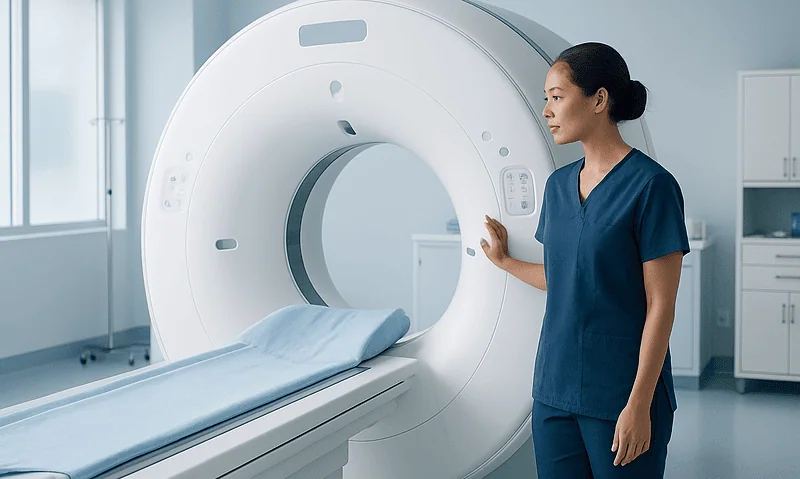
What a Bone Marrow Test Shows Before Leukemia Treatment and How It Shapes the Plan
A bone marrow test before leukemia treatment samples the spongy tissue inside the hip bone to confirm the diagnosis, count immature cells called blasts,…
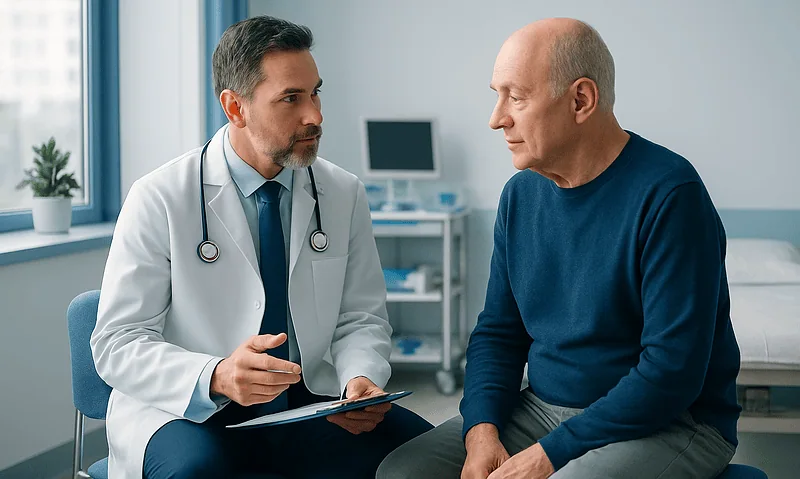
Active Surveillance for Prostate Cancer: When Watching Is the Plan and When It Changes
Active surveillance for prostate cancer means closely monitoring a low-risk, slow-growing tumor with regular PSA blood tests, MRI scans and periodic biopsies, and starting…

After Sarcoma Surgery: Physiotherapy Milestones From the First Days to Full Movement
Physiotherapy after sarcoma surgery usually begins within the first day or two with breathing, circulation and gentle assisted movement, then progresses through protected range-of-motion…

Why Intravesical Therapy Often Follows TURBT and How the Treatment Course Runs
Intravesical therapy usually follows TURBT because the operation removes visible bladder tumours but cannot reliably clear microscopic cancer cells, and non-muscle-invasive bladder cancer tends…
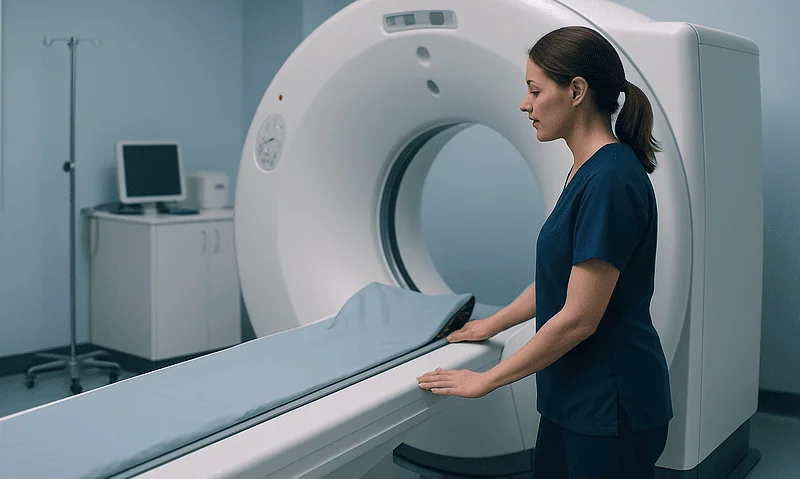
Warning Signs During Liver Cancer Treatment: What to Report to Your Oncology Team
During liver cancer treatment, report a fever of 100.4°F (38°C) or higher, new yellowing of the skin or eyes, dark urine, unusual bruising or…