

Surgical Oncology Explained: How a Cancer Operation Is Planned Within a Multidisciplinary Team
Key Takeaways
- Most solid cancers are staged with the TNM system, where T is tumor size and invasion, N is lymph node involvement and M is distant spread, and the stage number from 0 to IV drives the surgical plan.
- A clinical stage is assigned before treatment and a pathologic stage after the tumor is examined; the two can differ, which is why plans are sometimes revised after surgery.
- A clear surgical margin means no cancer cells at the cut edge of the removed tissue, and a positive margin may lead the team to recommend further surgery, radiation or other treatment.
- Sentinel lymph node biopsy removes only the first node or two that drain a tumor, sparing many people the swelling that can follow removal of a whole node group.
- Treatment given before surgery, called neoadjuvant therapy, is often chosen to shrink a tumor away from vital structures or to preserve an organ, not because surgery has been ruled out.
- Infection, bleeding and blood clots are the most common complications after any operation, and early walking, deep breathing and prompt reporting of fever or calf pain are the main defenses.
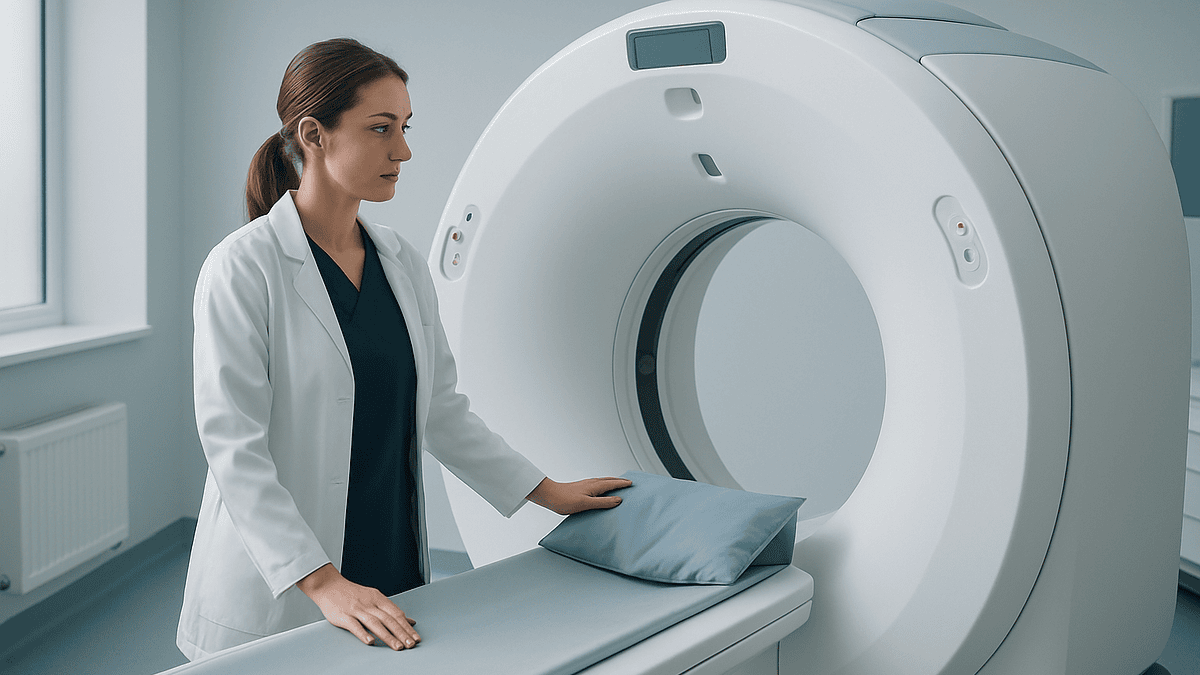
Cancer surgery is planned by a multidisciplinary team rather than a single surgeon. Pathologists confirm the diagnosis from a biopsy, radiologists stage the cancer with imaging, and surgeons, medical and radiation oncologists then agree on the operation's goal, its timing relative to other treatments, and the patient's fitness for anesthesia. That agreed plan is discussed with the patient, who makes the final decision with the treating team.
The letter arrives on a Tuesday. It names a consultant you have never met, a clinic you have never visited, and a phrase that keeps snagging: “your case has been discussed at the multidisciplinary team meeting.” Discussed by whom? Decided how? The one thing you want to understand, how cancer surgery is planned before anyone picks up a scalpel, seems to be happening in a room you were not invited into.
That room is real, and it is more reassuring than it sounds. Around the table sit people who read scans for a living, people who look at tumor cells under a microscope, and surgeons who have to decide whether an operation can remove everything with a safe rim of healthy tissue. Their job is to argue, politely, until a plan emerges.
This explainer walks through that process step by step: the tests that must come first, why some people are asked to wait for chemotherapy before surgery, what the pathology report will eventually say, and how the days after an operation usually unfold.
How cancer surgery is planned: the short version
Surgical oncology is the branch of surgery that removes cancerous tumors and the tissue around them. In the modern era it almost never works alone. The National Cancer Institute describes surgery as one of several treatment types that are routinely combined with chemotherapy, radiation or drug therapy, and the order of those pieces is a decision, not a default.
The planning sequence runs in a fairly predictable order. First, a tissue sample, called a biopsy, confirms that the growth is cancer and identifies what type of cell it grew from. Second, imaging such as CT, MRI or PET scans maps where the cancer sits and whether it has reached lymph nodes or distant organs. Third, the team assigns a stage, a shorthand for how far the disease has spread. Only then does the surgeon start to think about the operation itself: what to remove, how to reach it, and what will need rebuilding afterward.
The fourth step is the one patients see least but benefit from most. The case is presented at a multidisciplinary team meeting, sometimes called a tumor board, where specialists who would otherwise never sit in the same room review the evidence together. They ask whether surgery should come first or follow other treatment, whether the person is well enough for a long anesthetic, and whether a less invasive approach would achieve the same goal.
Finally, a named clinician brings the recommendation back to the patient. That conversation is where the plan becomes a shared decision. A recommendation from the team is exactly that: a recommendation. Consent to go ahead, ask for a second opinion, or choose a different path always rests with the person whose body it is.
Who sits around the multidisciplinary team table
The word “multidisciplinary” hides a long guest list. Each specialty owns one piece of the puzzle, and the operation cannot be designed until the pieces fit.

A pathologist examines the biopsy and later the removed tumor, reporting cell type, grade and, increasingly, molecular markers that predict how a cancer might respond to specific drug classes. A radiologist interprets the scans and often marks the exact relationship between tumor and blood vessels, which determines whether an organ can be partly spared. A medical oncologist advises on chemotherapy, hormone therapy or targeted therapy and on whether any of it should come before the operation. A radiation oncologist weighs in on whether radiotherapy could shrink the tumor first or tidy up afterward.
The surgeon, or sometimes two surgeons when reconstruction is needed, judges what is technically removable and at what cost to function. An anesthesiologist assesses heart and lung fitness for the planned length of operation. A clinical nurse specialist tracks the person through the system, translates the jargon and is usually the first phone number on the discharge sheet. Depending on the cancer, a dietitian, physiotherapist, geriatrician, palliative care physician or fertility specialist may join.
Why does this matter to the person waiting at home? Because a plan made in this way is checked from several angles at once. A radiologist may spot a second lesion the surgeon’s plan did not account for. A geriatrician may suggest that a shorter procedure suits a frailer patient better than the textbook operation. The NHS notes that treatment decisions for cancer are typically made by a team of specialists working together, precisely because no single clinician holds every relevant skill. The meeting is not a rubber stamp; it is the place where the plan is stress-tested.
Biopsy, imaging and staging: what the team needs before a date is set
People often ask why an operation cannot simply be booked the day the lump is found. The honest answer is that a surgeon who does not yet know the cell type, grade and extent of a cancer cannot design a safe operation, and operating blind risks doing too little or too much.
The biopsy comes first. A needle, an endoscope or a small incision retrieves cells, and the pathologist reports what they are. Some cancers that look identical on a scan behave very differently under the microscope, and a few respond so well to drug treatment that surgery moves down the list. Grade, a score for how abnormal the cells look and how quickly they are likely to grow, is assigned at this point. The National Cancer Institute explains that grade is separate from stage and that both feed into the treatment plan.
Imaging follows or runs in parallel. CT gives a detailed anatomical map; MRI shows soft tissue and nerves in finer detail; PET highlights areas of high metabolic activity that may represent spread. Radiologists use these to draw the tumor’s boundaries and its relationship to vital structures.
Staging pulls it together. Most solid cancers use the TNM system, in which T describes tumor size and local invasion, N describes lymph node involvement and M describes metastasis, meaning spread to distant organs. Those letters convert into an overall stage from 0 to IV. The National Cancer Institute lists the tests commonly used to assign stage: physical examination, imaging, laboratory tests, pathology reports and sometimes surgical findings.
Two stages may be assigned across the journey. Clinical stage is estimated before treatment. Pathologic stage is confirmed after the surgeon removes the tumor and the pathologist examines it. The second can differ from the first, which is why some plans change after the operation.
What happens when a cancer is in stage 2?
Stage 2 sits in the middle of the ladder and generates more searches than almost any other stage, probably because it feels ambiguous. It is neither the earliest, most contained form of disease nor the most advanced.

In the TNM framework the National Cancer Institute describes, stage 2 generally means a tumor that is larger than stage 1 or has begun to grow into nearby tissue, sometimes with limited spread to nearby lymph nodes, but with no evidence of distant metastasis. The precise definition differs by cancer type: stage 2 in colon cancer refers to depth of invasion through the bowel wall, whereas stage 2 in breast cancer depends on tumor size and the number of nearby nodes involved. Comparing a stage number across different cancers is like comparing a grade in two different subjects; the letter is the same, the exam was not.
For surgical planning, stage 2 is often where the multidisciplinary team’s discussion gets most detailed. Surgery is frequently a central part of the plan because the cancer is still regional. The team will debate whether the operation should be preceded by chemotherapy or radiotherapy to shrink the tumor, a strategy called neoadjuvant treatment, or followed by such treatment, called adjuvant therapy, to address microscopic cells that no scalpel can see. Both approaches exist in guidelines for particular cancers, and the choice depends on tumor type, biology and the individual’s health.
A person told they have stage 2 cancer can reasonably expect three things: that imaging will have been reviewed for any sign of distant disease, that lymph node assessment will be part of the surgery or the staging, and that the question of before-or-after treatment will be answered explicitly. If it has not been, that is a fair question to bring to the next appointment.
Which kind of cancer operation? Goals the team chooses between
Not every cancer operation is trying to do the same thing. The National Cancer Institute groups surgery by purpose, and the multidisciplinary team’s first task is often to agree on which purpose applies. The table below summarizes the main categories in plain language.
| Type of operation | What the team is trying to achieve | Typical situation |
|---|---|---|
| Diagnostic or staging surgery | Obtain tissue or look directly inside the body to confirm diagnosis and extent | When biopsy and imaging leave questions unanswered |
| Definitive (primary) surgery | Remove the entire tumor with a margin of healthy tissue | Localized or regional disease judged fully removable |
| Debulking (cytoreductive) surgery | Remove as much tumor as safely possible when total removal is not feasible | Some abdominal cancers where other treatments work better on smaller volumes |
| Palliative surgery | Relieve symptoms such as blockage, bleeding or pressure | Advanced disease where comfort and function are the priority |
| Risk-reducing (preventive) surgery | Remove tissue at high risk of becoming cancerous | Inherited syndromes or precancerous change |
| Reconstructive surgery | Restore appearance or function after tumor removal | Breast, head and neck, limb or skin cancers |
Two technical decisions sit alongside the goal. The first is approach: open surgery through a single larger incision, or minimally invasive surgery using small incisions and a camera, sometimes with robotic assistance. The Mayo Clinic notes that minimally invasive techniques can mean smaller wounds and a shorter hospital stay for suitable people, though not every tumor or body can be reached that way.
The second is extent. Removing an entire organ is sometimes necessary; removing only the affected segment is sometimes enough. The team weighs the chance of leaving cancer behind against the loss of function, and that trade-off is one of the most personal parts of the conversation with the patient.
Margins, lymph nodes and the pathology report
Two phrases appear in nearly every cancer surgery conversation, and both deserve a plain definition. A surgical margin is the rim of normal-looking tissue removed around the tumor. Lymph nodes are small filters in the lymphatic system that cancer cells often reach first when they begin to spread.
Margins matter because cancer cells can extend beyond what the eye or the scan shows. When the pathologist examines the removed specimen, the edges are inked and checked under the microscope. A “negative” or “clear” margin means no cancer cells at the cut edge; a “positive” margin means cells reach the edge and some may remain in the body. The National Cancer Institute explains that a positive margin may prompt further surgery, radiation or other treatment. During some operations, a pathologist examines frozen tissue slices while the patient is still asleep so the surgeon can take more if needed.
Lymph node assessment is planned in advance. For some cancers the surgeon removes a group of nodes; for others a technique called sentinel lymph node biopsy identifies the first node or two that drain the tumor, using a tracer, and removes only those. If they are free of cancer, the remaining nodes are usually left alone, sparing the person the arm or leg swelling that can follow larger node removal.
The final pathology report usually arrives within days to a couple of weeks after surgery, according to the Mayo Clinic’s overview of cancer surgery, and it can reshape the plan. It confirms the pathologic stage, reports margin status, counts the nodes examined and any that contained cancer, and may add molecular findings. The multidisciplinary team meets again with this report in hand. That second meeting is why patients are often asked to return for a results appointment rather than being given a verdict on the ward.
Who is offered surgery first, and who is asked to wait
It feels counterintuitive to be told you have cancer and then be told not to have it removed yet. Yet delaying surgery deliberately is one of the most common decisions a multidisciplinary team makes, and it is usually a sign of careful planning rather than neglect.
Surgery tends to come first when the cancer is localized, appears fully removable on imaging, and the person is fit enough for the anesthetic. Early-stage skin, breast, colon, kidney and thyroid cancers often follow this pattern, though every case is individual.
The team may recommend waiting when treatment before surgery could improve the operation. Neoadjuvant chemotherapy or radiotherapy can shrink a tumor away from vital structures, turning a borderline operation into a cleaner one or allowing an organ to be preserved. In rectal cancer, for instance, radiotherapy before surgery is an established option in many guidelines. Certain cancers that respond well to drug treatment are also tested first to see how the tumor behaves, which gives the team information no scan could provide.
Waiting may also be about the person rather than the tumor. Someone with uncontrolled diabetes, recent heart trouble, significant anemia or a current infection may be asked to spend a few weeks getting those conditions optimized. Smokers may be encouraged to stop, because MedlinePlus notes that smoking slows wound healing and raises the risk of breathing complications after surgery. Frail or older adults may be assessed by a geriatrician to decide whether a full operation, a smaller one or a non-surgical route best fits their goals.
A small group is advised against surgery altogether: when the cancer has spread widely, when the operation would not change the outlook, or when the risks clearly outweigh the benefit. That advice is never final in the sense of closing the door on care; it redirects the plan toward treatments that can still control disease and protect quality of life.
Why the wait between diagnosis and surgery is usually planning, not delay
Online forums are full of people asking whether they should push for an earlier date. The urge is understandable. Every day feels like a day the cancer is growing. What the wait usually contains, though, is a series of steps that make the operation safer and more complete.
The biopsy result needs to be finalized, including any additional stains or molecular tests the pathologist orders. Imaging must be performed and formally reported. The case must be listed for the next multidisciplinary meeting, which in most services is a weekly fixture, so a diagnosis made on a Wednesday may not be discussed until the following week. After the meeting, the recommendation has to be explained to the patient and consent obtained. The anesthesia team then reviews heart, lung and kidney function and may order an ECG, blood tests or lung function tests. If any of these flag a problem, fixing it takes its own time.
Most solid tumors grow over months to years rather than days, which is why guideline bodies build planning time into their pathways without treating it as harmful. The National Cancer Institute’s staging overview makes the point that stage is determined by tests done before treatment; skipping those tests to save time removes the very information the operation depends on.
There are exceptions. A tumor blocking the bowel, compressing the airway or causing uncontrolled bleeding is an emergency, and in that situation surgery happens first and detailed planning follows. Those cases are recognizable to clinicians and are triaged accordingly.
If the wait feels unexplained, ask what step the process is currently at. “We are waiting for the receptor results” or “the anesthesia clinic wants to review your heart tracing” are answers that turn anxious silence into a plan you can follow.
Preparing for cancer surgery: prehabilitation and the anesthesia review
Preparation used to mean fasting from midnight and turning up on time. It now has a name, prehabilitation, and it is increasingly written into the plan the multidisciplinary team hands over.
Prehabilitation means using the weeks before an operation to improve the body’s reserve. The idea is simple: a person who walks into the operating room with better fitness, nutrition and mental preparation tends to tolerate the stress of surgery better. Programs typically combine three strands. Physical activity, even brisk daily walking, supports heart and lung function. Nutritional review addresses weight loss or low protein intake, both common in cancer and both linked to slower wound healing in MedlinePlus’s guidance on recovering from surgery. Psychological support, whether from a nurse specialist, counselor or peer group, helps people manage the anxiety that can itself disturb sleep and appetite.
The anesthesia review runs alongside. An anesthesiologist or specialist nurse takes a history of previous anesthetics, allergies, breathing problems and medicines. Certain medicine classes, including blood thinners, some diabetes drugs and certain herbal supplements, may need to be paused or adjusted before surgery, and the timing of that pause is decided by the prescribing clinician, never by the patient alone. Anyone taking such medicines should raise them explicitly and follow the written instructions given.
Practical preparation matters too. Fasting instructions specify when to stop eating and when to stop clear fluids; follow them exactly, because a full stomach under anesthesia is dangerous. Arrange transport home and someone to stay with you for the first night if the team asks. Pack loose clothing that will not press on the wound. Ask about how pain will be managed and what “enhanced recovery” means in your unit, since many programs now encourage early eating and walking on the first day.
What is the hardest cancer to remove?
This question is typed into search engines thousands of times, and the honest answer is that difficulty is about location and biology, not a league table of diseases.
Surgeons describe an operation as difficult when the tumor sits against structures that cannot be sacrificed. Cancers of the pancreas often wrap around major blood vessels supplying the liver and intestine. Tumors at the base of the skull or deep within the brain lie beside nerves that control vision, speech or movement. Cancers at the junction of the esophagus and stomach cross from the chest into the abdomen, requiring two body cavities to be opened. Liver tumors may sit between the vessels that must be preserved for the remaining liver to function.
Biology adds a second layer. Some cancers grow with tentacle-like extensions into surrounding tissue, making a clear margin harder to achieve than for a tumor with a neat capsule. Others have often already sent microscopic cells elsewhere by the time they are found, so even a technically complete removal may not be the whole answer. That is exactly why the multidisciplinary team, not the surgeon alone, decides whether an operation is worth its risks.
Technology has shifted what counts as removable. Three-dimensional reconstructions from CT scans, and in some centers printed anatomical models, let surgeons rehearse the approach to a complex tumor before the first incision. Intraoperative imaging and nerve monitoring help protect function in real time. The Mayo Clinic’s overview of cancer surgery describes these advances as expanding options rather than guaranteeing outcomes, and that framing is the right one.
For a person facing one of these harder operations, the useful questions are specific: what structures lie next to my tumor, what is the plan if the margin is close, and how many surgical specialties will be in the room?
What the days and weeks after cancer surgery usually look like
Recovery is not a single event but a set of overlapping timelines, and knowing the shape of each helps the days feel less random.
The first hours are spent in a recovery area where nurses monitor breathing, blood pressure and pain while the anesthetic wears off. Drains, tubes that carry fluid away from the wound, and a urinary catheter may be present and are usually removed within the first few days depending on the operation. Enhanced recovery programs encourage sitting out of bed and sipping fluids on the day of surgery when it is safe, because early movement lowers the risk of blood clots and chest infections, as MedlinePlus outlines in its guidance on recovering after surgery.
Hospital stay varies enormously. The Mayo Clinic notes that some minimally invasive procedures allow discharge within a day or two, while major operations involving the chest or abdomen commonly require a week or more. Pain is expected and should be controlled well enough to allow deep breathing and walking; the care team adjusts pain relief, and any changes to medicines sit with them.
At home, fatigue tends to outlast the wound. Many people describe feeling unexpectedly tired for weeks, which reflects the body’s healing work rather than anything going wrong. Wound care instructions specify when showering is allowed and what a healthy incision looks like. Lifting restrictions protect internal stitches. Driving usually resumes when a person can brake sharply without pain and is no longer taking sedating medicines; the team will advise.
The results appointment, usually within a few weeks of surgery, is where pathologic staging and margin status are discussed and the team’s post-operative recommendation is delivered. Adjuvant chemotherapy or radiotherapy, if advised, generally begins once the wound has healed enough, a timing decision made jointly by the surgeon and oncologist.
What people often get wrong about how cancer surgery is planned
A handful of beliefs come up so often in clinic that they deserve direct correction.
“Cutting into a cancer makes it spread.” This fear keeps some people from biopsies and operations. The National Cancer Institute addresses it plainly: with modern techniques and careful handling of tissue, the risk of surgery spreading cancer is very low, and surgeons take specific steps to avoid it. Refusing a biopsy, by contrast, removes the information the whole plan depends on.
“Air exposure makes the cancer grow.” There is no evidence for this. The impression comes from cases in which surgery revealed more disease than scans had suggested; the cancer was already there, not created by the operation.
“The surgeon decides alone.” As this article has described, the plan is built by a team and confirmed with the patient. A surgeon who says “I will discuss this at our meeting” is following good practice, not stalling.
“Waiting for chemotherapy first means the team has given up on surgery.” Neoadjuvant treatment is often chosen precisely to make surgery more effective or to preserve an organ.
“Metastatic cancer is never operated on.” Some cancers that have spread to a limited number of sites, for example certain bowel cancers with small liver deposits, are still candidates for surgery combined with drug treatment. The decision depends on the number and location of deposits and the cancer’s biology, and it is made case by case.
“There is one best way to survive cancer.” People searching this phrase are hoping for a single lever. The evidence points instead to a combination: prompt investigation of persistent symptoms, a treatment plan matched to the cancer’s stage and biology, completing the recommended course, and attending follow-up. The World Health Organization stresses that early detection and appropriate treatment improve outcomes for many common cancers, and that is a systems answer rather than a secret.
Questions to ask your care team
A multidisciplinary plan is only as good as the patient’s understanding of it. Taking a written list into the consultation, and a second pair of ears if possible, turns a daunting appointment into a working session. These questions are drawn from the ones that most often go unasked.
- What type and grade of cancer do I have, and what is the clinical stage?
- What is the goal of this operation: complete removal, staging, symptom relief or reducing tumor volume?
- Has my case been discussed at a multidisciplinary meeting, and what did the team recommend?
- Why is surgery recommended first, or why is treatment before surgery being suggested?
- Which organ or tissue will be removed, and what functions might change as a result?
- Will lymph nodes be removed, and how will that be decided during the operation?
- Is a minimally invasive approach possible for me, and what would make you switch to open surgery mid-operation?
- What are the main risks specific to this operation and to my health conditions?
- What happens if the pathology shows a positive margin or unexpected findings?
- Which of my current medicines or supplements need to be reviewed before surgery, and who will tell me exactly what to do?
- How long might I be in hospital, and what will recovery at home involve?
- Who do I call, day or night, if something worries me after discharge?
- Would you support me getting a second opinion, and can you share my scans and reports to make that easier?
The Mayo Clinic explicitly encourages people to seek a second opinion before major cancer treatment if it would help them feel confident, and most teams regard the request as routine. Ask for a copy of the clinic letter, too. Reading the plan in writing, away from the pressure of the room, often surfaces the question you wish you had asked.
When to call your doctor
Every cancer surgery pathway includes a contact number for the days and weeks after discharge, and the team would far rather hear about a false alarm than miss a real one. Before the operation, contact the team promptly if you develop a fever, a new cough or chest infection, or if you are unsure whether to take a particular medicine on the morning of surgery; each of these can change the plan and is safer resolved by phone than discovered on the day.
After surgery, certain signs need same-day medical attention. Call your care team, or emergency services if symptoms are severe, for any of the following: a temperature that your team has told you counts as fever, or shaking chills; a wound that becomes increasingly red, hot, swollen, or leaks pus or a foul-smelling fluid; bleeding that soaks through a dressing; a wound edge that opens; pain that is worsening rather than easing despite prescribed relief; persistent vomiting or inability to keep fluids down; no urine passed for many hours; a swollen, painful or warm calf, which can indicate a blood clot; sudden shortness of breath, chest pain or coughing up blood, which can indicate a clot that has traveled to the lung; new confusion or drowsiness; or a bowel that has not opened for several days with a swollen, hard abdomen after abdominal surgery.
MedlinePlus lists infection, bleeding and blood clots among the most common complications after surgery, and all three are far easier to treat when caught early. Keep the emergency contact number on the fridge and in your phone. If you cannot reach your team and you are worried, seek urgent care; the person who assesses you can contact the surgical service on your behalf. No question about a fresh wound or a new symptom is too small to raise.
Frequently asked questions
What is cancer staging and why does it come before surgery?
Cancer staging describes how large a tumor is and how far it has spread, using tests such as imaging, biopsy and blood work. Surgeons need the stage to decide whether an operation can remove the disease, how much tissue to take and whether treatment should come first. The National Cancer Institute notes that stage is normally assigned before treatment begins, because the plan depends on it.
What does surgical margins meaning refer to on a pathology report?
Surgical margins are the edges of the tissue removed around a tumor. A pathologist inks and examines them under a microscope. A negative or clear margin means no cancer cells reach the edge; a positive margin means they do, and some cells may remain in the body. A close margin lies between the two. Margin status is one of the main reasons a team may recommend additional treatment after surgery.
What is stage 2 cancer treatment likely to involve?
Stage 2 usually means a tumor that is larger or has grown into nearby tissue, sometimes with limited lymph node involvement, but without distant spread. Surgery is often central, and the multidisciplinary team will decide whether chemotherapy or radiotherapy should come before or after it. The exact combination depends on the cancer type, its biology and the person’s overall health, so two people with stage 2 disease may receive quite different plans.
What is the hardest cancer to remove surgically?
There is no single answer, because difficulty depends on where a tumor sits and how it grows rather than on the name of the cancer. Tumors wrapped around major blood vessels in the pancreas, deep within the brain, or at the base of the skull are among the most technically demanding. Cancers that spread in fine extensions into surrounding tissue are harder to remove with clear margins than those with a defined capsule.
What is the best way to survive cancer?
The evidence does not point to a single method but to a sequence: investigating persistent symptoms promptly, obtaining an accurate diagnosis and stage, following a treatment plan agreed by a multidisciplinary team, completing the recommended course and attending follow-up. The World Health Organization highlights early detection and appropriate treatment as the factors that most consistently improve outcomes for common cancers. Lifestyle measures such as not smoking support recovery but do not replace treatment.
Can metastatic cancer go into remission, and does surgery still play a role?
Remission means signs of cancer have reduced or disappeared on tests, and it can occur in metastatic disease, particularly with cancers that respond well to drug treatment. Surgery is sometimes still used when spread is limited to a small number of sites, for example certain bowel cancers with a few liver deposits, usually alongside chemotherapy. Whether that applies depends on the cancer type, the number and location of deposits and the person’s fitness, and the treating team decides case by case.
Why has my case been sent to a multidisciplinary team meeting instead of straight to surgery?
Because a plan checked by several specialists at once is safer than one made by a single clinician. At the meeting, a pathologist confirms the diagnosis, a radiologist reviews the scans, and surgeons, medical and radiation oncologists agree on the goal of treatment and the order of its parts. The recommendation is then discussed with you, and the decision to proceed remains yours.
Does a biopsy or operation cause cancer to spread?
The risk is very low with modern techniques. The National Cancer Institute explains that surgeons take specific precautions, such as using separate instruments for different areas and handling tumors carefully, to avoid spreading cancer cells. Declining a biopsy removes the information the entire plan depends on, which carries a far greater risk than the biopsy itself. If you have this worry, raise it directly with your team.
How long after cancer surgery do results and the next steps arrive?
The full pathology report on the removed tumor usually takes days to a couple of weeks, according to the Mayo Clinic’s overview of cancer surgery, because tissue must be processed, stained and sometimes tested for molecular markers. The multidisciplinary team then reviews the report and a clinician discusses the pathologic stage, margin status and any recommended follow-on treatment with you at a results appointment.
Should I get a second opinion before cancer surgery?
Seeking a second opinion before major cancer treatment is reasonable and widely supported; the Mayo Clinic explicitly encourages it for people who want more confidence in their plan. Most teams will share scans, biopsy slides and reports to make the process straightforward. A second opinion often confirms the original recommendation, and when it differs, the two teams can usually discuss the case directly so that you are not left to adjudicate alone.
References
This article is for general information only and is not a substitute for professional medical advice. Please consult a qualified doctor about your individual situation.

More from the Blog

Bladder Removal or Bladder Preservation? How Specialists Compare the Two Approaches
For muscle-invasive bladder cancer, specialists compare radical cystectomy (removing the bladder, usually after chemotherapy) with bladder preservation, most often trimodality therapy combining tumor resection,…

Induction Chemotherapy for Acute Myeloid Leukemia: What the First Hospital Weeks Involve
AML induction chemotherapy is an intensive first treatment given in hospital, usually as a continuous course lasting about a week, followed by several weeks…
Speech and Swallowing Therapy After Head Cancer Treatment: How Rehabilitation Works
Swallowing therapy after head and neck cancer is a rehabilitation program led by a speech-language pathologist. It combines a formal swallow assessment, targeted exercises…

Preparing a Child for Wilms Tumor Surgery: Comfort, Explanations and the Day Before
Preparing a child for Wilms tumor surgery works best when explanations are short, honest and matched to the child's age, when familiar comfort items…
Life After Endometrial Cancer Treatment: Surgical Menopause, Energy and Long-Term Care
Menopause after endometrial cancer surgery happens when both ovaries are removed along with the uterus, so estrogen falls within days rather than over years.…

When Does a Parotid Gland Tumor Need Parotidectomy Surgery Rather Than Monitoring?
A parotid gland tumor usually needs parotidectomy surgery when biopsy or imaging suggests cancer, when a benign tumor such as a pleomorphic adenoma is…