

Celebrity Health Health News
Barry Manilow and Lung Cancer: Why Searches Are Surging
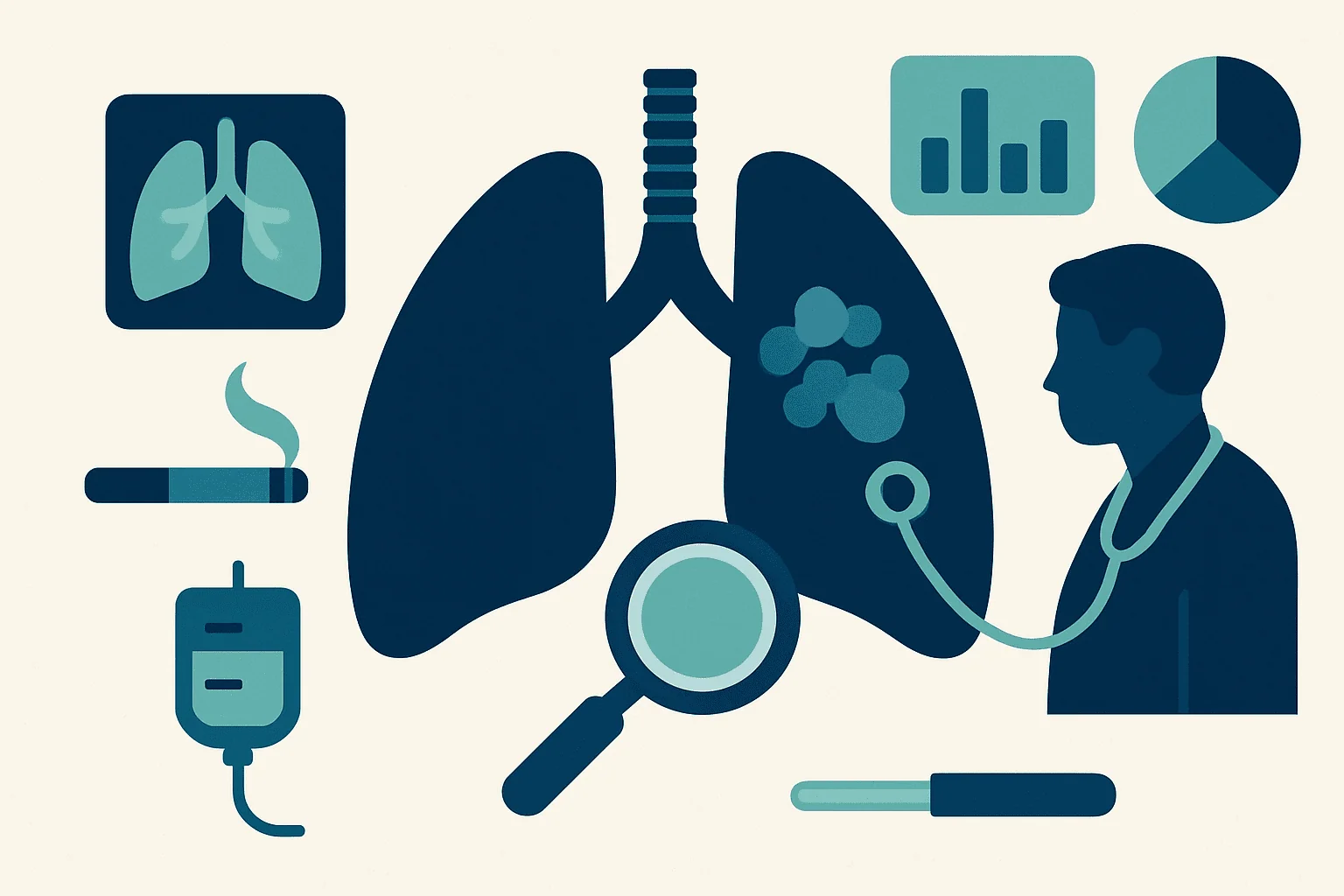
- Lung cancer may cause no symptoms in its early stages.
- Diagnosis usually requires imaging plus a tissue biopsy.
- Treatment can include surgery, radiation, chemotherapy, and newer drugs.
- Molecular testing helps match some tumors to targeted treatments.
- Low-dose CT screening can help detect lung cancer earlier in high-risk groups.
Why are so many people searching for lung cancer alongside Barry Manilow’s name? Recent headlines appear to have sparked public curiosity, but when a celebrity-related health term begins trending, the most helpful response is often to step back from rumor and focus on the medical facts. Lung cancer remains one of the world’s most important cancer topics because early symptoms can be subtle, diagnosis may happen in several different ways, and treatment has changed dramatically in recent years.
Understanding how lung cancer starts, how it is found, and what treatment may involve can help people make sense of a frightening diagnosis and the conversations that surround it. While every person’s situation is unique, general knowledge can make the condition feel less mysterious.
What lung cancer is and how it develops
Lung cancer begins when abnormal cells in the lungs grow out of control. Over time, these cells can form a tumor, invade nearby tissue, and in some cases spread to other parts of the body. The lungs are essential for bringing oxygen into the bloodstream, so diseases affecting them can influence breathing, energy levels, and overall health.
Doctors generally divide lung cancer into two main categories:
- Non-small cell lung cancer (NSCLC): The most common group. It includes subtypes such as adenocarcinoma, squamous cell carcinoma, and large cell carcinoma.
- Small cell lung cancer (SCLC): Less common, but often faster-growing and more likely to spread early.
Although smoking is a major risk factor, it is not the only one. Lung cancer can also occur in people who have never smoked. Other factors may include secondhand smoke, radon exposure, air pollution, certain workplace exposures, family history, and prior radiation to the chest.
One reason lung cancer can be difficult is that it may not cause symptoms right away. Some tumors are found unexpectedly during imaging done for another reason. Others are discovered only after they have grown large enough to affect breathing or nearby structures.
Symptoms and warning signs to know
Lung cancer does not always announce itself clearly in the beginning. Early disease may cause no symptoms at all. When symptoms do appear, they can overlap with common conditions such as bronchitis, pneumonia, asthma, or even fatigue related to daily life.
Symptoms that can be associated with lung cancer include:
- A cough that does not go away or changes over time
- Coughing up blood
- Shortness of breath
- Chest pain, especially with deep breathing or coughing
- Hoarseness
- Repeated chest infections
- Unexplained weight loss
- Loss of appetite
- Fatigue or weakness
- Bone pain or headaches in more advanced cases
These symptoms do not automatically mean someone has cancer. Many noncancerous illnesses can cause the same problems. Still, persistent or worsening symptoms deserve medical evaluation, particularly in people with significant risk factors.
Lung cancer can also cause less obvious effects. Some tumors produce substances that affect other parts of the body, leading to what clinicians call paraneoplastic syndromes. In other cases, symptoms happen because cancer has spread beyond the lungs. This is one reason the evaluation process may include more than a chest scan alone.
How lung cancer is diagnosed and staged
Diagnosing lung cancer usually starts with a medical history, symptom review, and physical examination, followed by imaging. A chest X-ray may raise suspicion, but more detailed imaging is often needed. A CT scan can show the size, shape, and location of a suspicious area more clearly than a plain X-ray.
If a tumor is suspected, the next step is typically to obtain a tissue sample. This is important because treatment depends not just on whether cancer is present, but also on the exact type of lung cancer and its molecular features.
Tests used in diagnosis may include:
- CT scan: Gives detailed images of the lungs and chest.
- PET scan: Helps show areas of increased metabolic activity that may suggest cancer spread.
- Bronchoscopy: A thin tube with a camera is passed into the airways to look for abnormalities and collect samples.
- Needle biopsy: A sample is taken through the chest wall, often guided by CT imaging.
- Thoracentesis: Fluid around the lungs may be removed and tested if present.
- Sputum cytology: In some cases, mucus coughed up from the lungs can be examined for cancer cells.
After diagnosis, doctors determine the stage of the cancer. Staging describes how large the tumor is, whether lymph nodes are involved, and whether the cancer has spread to distant organs. This process may involve additional scans of the brain, abdomen, or bones depending on the situation.
For many patients with non-small cell lung cancer, tumor tissue is also tested for biomarkers or genetic changes. These results can identify whether targeted therapies might work. This has become a major part of modern lung cancer care and can significantly influence treatment planning.
Major lung cancer treatment options
Treatment depends on several factors, including the type of lung cancer, its stage, the tumor’s molecular profile, symptoms, and the person’s overall health. In many cases, care is planned by a multidisciplinary team that may include pulmonologists, thoracic surgeons, medical oncologists, radiation oncologists, pathologists, and radiologists.
Surgery
Surgery is often considered when non-small cell lung cancer is found at an earlier stage and appears confined enough to be removed. The surgeon may remove a small part of the lung, an entire lobe, or in some cases a whole lung, depending on the tumor’s location and extent. Nearby lymph nodes are usually evaluated as well.
Not everyone is a candidate for surgery. Lung function, heart health, and other medical conditions matter because the body needs enough reserve after part of the lung is removed.
Radiation therapy
Radiation uses high-energy beams to damage cancer cells. It may be used instead of surgery for some early tumors, together with chemotherapy for more advanced disease, or to relieve symptoms such as pain, bleeding, or airway blockage. A highly focused form called stereotactic body radiotherapy may be used for certain small tumors.
Chemotherapy
Chemotherapy uses medicines that travel through the bloodstream to attack cancer cells. It may be given before surgery, after surgery, with radiation, or as a main treatment when cancer has spread. Chemotherapy remains especially important for small cell lung cancer and for many advanced cancers, though it is now often combined with newer therapies.
Targeted therapy
Some lung cancers have specific genetic alterations, such as changes involving EGFR, ALK, ROS1, BRAF, MET, RET, KRAS, or others. Targeted therapies are designed to interfere with those alterations. For the right patient, these treatments can be more precise than older approaches and may produce meaningful tumor control.
This is why molecular testing matters: two people with the same broad diagnosis of lung cancer may need very different treatment based on the tumor’s biology.
Immunotherapy
Immunotherapy helps the immune system recognize and attack cancer cells more effectively. It has become a central option for many patients with advanced non-small cell lung cancer and is also used in some earlier-stage settings. Whether it is appropriate can depend on biomarkers and the overall treatment plan.
Supportive and palliative care
Supportive care is an important part of treatment at every stage, not only at the end of life. It focuses on symptoms such as breathlessness, pain, cough, anxiety, poor appetite, and fatigue. This kind of care can improve quality of life during active treatment and beyond.
Recovery, follow-up, and living with lung cancer
Recovery looks different depending on the treatment used. After surgery, people may need time to heal incisions, rebuild stamina, and adapt to changes in breathing capacity. Breathing exercises, pulmonary rehabilitation, and careful follow-up can be part of that process.
After radiation, chemotherapy, targeted therapy, or immunotherapy, recovery may involve managing side effects, tracking how the tumor responds, and repeating scans at regular intervals. Some people continue treatment over a longer period, while others move into surveillance after an initial phase of care.
Common aspects of follow-up may include:
- Repeat imaging to monitor response or check for recurrence
- Assessment of breathing, energy, and nutrition
- Management of treatment-related side effects
- Rehabilitation and emotional support
- Smoking cessation support when relevant
Living with lung cancer can bring emotional strain as well as physical symptoms. Uncertainty, scan-related anxiety, and changes in daily routine are common. Patients and families often benefit from coordinated support that addresses both medical and practical needs.
Outlook, screening, and when specialist evaluation matters
The outlook for lung cancer varies widely. Stage at diagnosis remains one of the biggest factors. In general, cancers found earlier are more likely to be treated successfully, which is why awareness and screening matter. At the same time, outcomes have improved because of advances in imaging, surgery, radiation techniques, molecular testing, targeted therapy, and immunotherapy.
Screening is different from diagnosis. Screening is intended for people at higher risk who do not have symptoms. In appropriate high-risk groups, low-dose CT screening can help detect lung cancer earlier than waiting for symptoms to appear. Not everyone needs this test, but for the right person it can be an important preventive strategy.
Specialist evaluation becomes especially important when symptoms persist, a scan shows a suspicious spot in the lung, or there is concern about recurrent infections, unexplained weight loss, or coughing up blood. Even when the cause turns out not to be cancer, a timely workup helps clarify what is happening.
Celebrity-related search spikes can stir worry, but they can also serve a constructive purpose if they prompt people to learn the basics of a serious disease. Lung cancer is not one single experience; it is a broad category of illnesses with many subtypes and many possible treatment paths. Today, care is more individualized than ever, and that growing precision is one of the most important reasons for hope.
Explore Cancer Treatments at Acibadem →
Who is Barry Manilow?
Barry Manilow is an American singer-songwriter, pianist, and producer known for hit songs including “Mandy,” “Copacabana,” and “I Write the Songs.” He is also recognized for his long-running success in pop music, live performance, and songwriting across several decades.
Frequently asked questions
What are the first signs of lung cancer?
Early lung cancer may cause no symptoms. When symptoms do appear, they can include a persistent cough, shortness of breath, chest pain, hoarseness, coughing up blood, fatigue, or unexplained weight loss.
Can nonsmokers get lung cancer?
Yes. While smoking is a major risk factor, lung cancer can also affect people who have never smoked. Other risks may include secondhand smoke, radon, air pollution, workplace exposures, and family history.
How is lung cancer confirmed?
Doctors usually use imaging such as a CT scan to identify suspicious findings, but confirmation typically requires a biopsy or another tissue sample so the cells can be examined in the lab.
What is the difference between small cell and non-small cell lung cancer?
Non-small cell lung cancer is the more common group and includes several subtypes. Small cell lung cancer is less common but often grows and spreads more quickly, which can affect treatment choices.
Is lung cancer treatable?
Yes. Treatment depends on the type and stage of cancer and may include surgery, radiation therapy, chemotherapy, targeted therapy, immunotherapy, or combinations of these approaches.
Who may benefit from lung cancer screening?
Low-dose CT screening is generally considered for certain people at higher risk, especially those with a significant smoking history. Eligibility depends on individual risk factors and current screening guidelines.
✔ Reviewed by the Acibadem medical team
This article is general health information inspired by publicly reported news. It is not a statement about any individual’s private medical care, nor medical advice. Always consult a qualified clinician.