

Celebrity Health Health News
Bella Hadid and plastic surgery: Why searches are surging
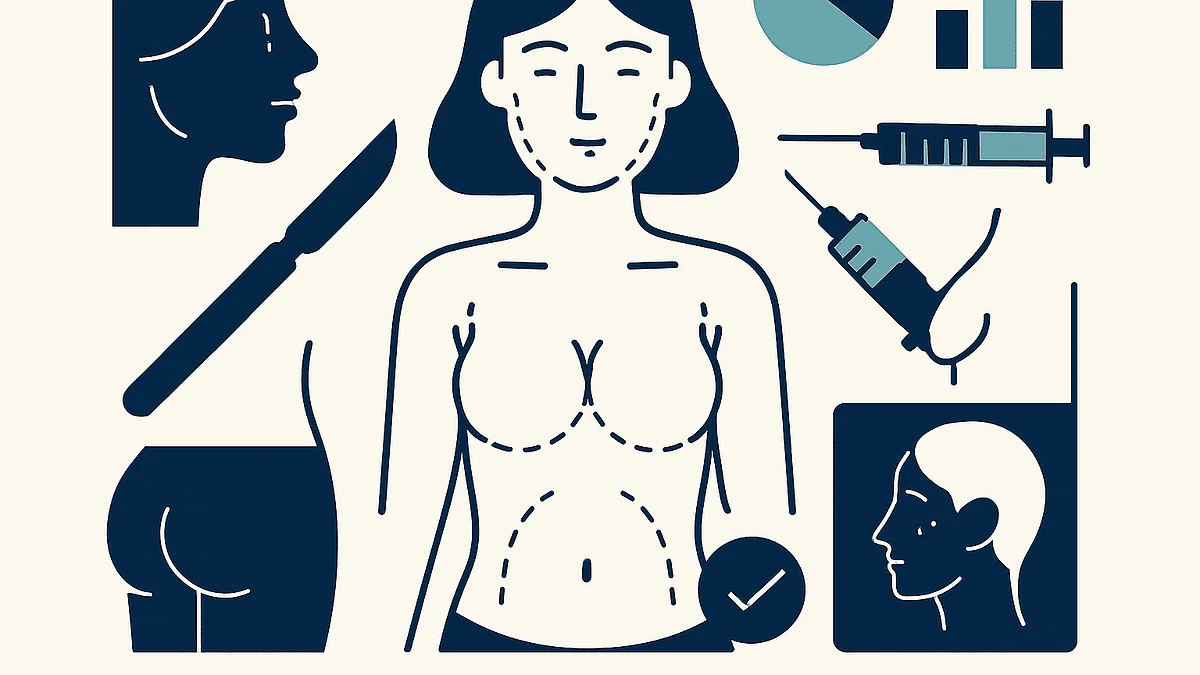
- Plastic surgery includes both reconstructive and cosmetic procedures.
- A proper evaluation matches the right procedure to the actual concern.
- Surgery and non-surgical treatments differ in results, risks, and downtime.
- Recovery is gradual; swelling, bruising, and tissue settling take time.
- Realistic expectations are essential for satisfaction and safety.
bella hadid plastic surgery is a search phrase many people have been typing in after recent headlines and online discussion. While public curiosity often centers on a celebrity, the more useful question is broader: what does plastic surgery actually include, who may consider it, how are procedures evaluated, and what should people understand about benefits, limits, recovery, and safety?
Plastic surgery is a wide medical field that includes both reconstructive procedures and cosmetic procedures. Reconstructive work aims to restore function or appearance after injury, illness, birth differences, or prior surgery. Cosmetic surgery focuses on changing features to align with a person’s preferences. In both cases, careful planning, realistic expectations, and a thorough medical assessment matter far more than trends, rumors, or social media comparisons.
What plastic surgery means—and what it does not
The term “plastic surgery” can be misunderstood. It does not mean surgery involving plastic materials. The word comes from a term related to shaping or molding. Today, it covers a large group of operations and minimally invasive procedures that can affect the face, breasts, body, skin, and soft tissues.
Examples of cosmetic plastic surgery may include:
- Rhinoplasty to reshape the nose
- Facelift procedures to address facial sagging
- Eyelid surgery
- Chin or jawline contouring
- Breast augmentation, reduction, or lift
- Liposuction and body contouring
- Abdominoplasty, often called a tummy tuck
There are also non-surgical aesthetic treatments, such as injectable fillers, neuromodulators, laser procedures, and skin resurfacing. These are sometimes discussed alongside surgery, but they are not the same as an operation. They differ in recovery time, longevity, risk profile, and the degree of change they can create.
A key point is that appearance changes seen in photos are not reliable proof that someone has had surgery. Lighting, makeup, camera angles, styling, weight change, dental work, photo editing, normal aging, and non-surgical treatments can all alter how features look. That is one reason responsible health education should focus on the procedures themselves rather than assumptions about any individual.
Why people consider cosmetic plastic surgery
People seek cosmetic procedures for many different reasons. Some want to soften age-related changes. Others hope to address a feature they have long felt self-conscious about. Some are interested in better proportion or symmetry, while others pursue revision surgery after a prior procedure did not heal or settle as expected.
Common concerns that may bring someone to a consultation include:
- Changes in facial contour with aging
- Loose skin or deeper folds
- A nasal shape that feels out of balance with other features
- Eyelids that appear heavy or tired
- Changes after pregnancy or weight loss
- Asymmetry or contour concerns after a previous procedure
A consultation is not simply about choosing a new look. It is also about understanding motivation, emotional readiness, and whether the desired outcome is medically realistic. Good candidates generally have clear goals, understand the trade-offs, and are seeking change for themselves rather than because of outside pressure.
Surgeons also look for factors that can affect healing and safety, including smoking, chronic medical conditions, medications that may influence bleeding, previous scars, skin quality, and a history of wound-healing problems. Mental health matters too. If a person is under intense stress or has expectations that surgery cannot meet, postponing a procedure may be the healthier choice.
How surgeons evaluate facial plastic surgery options
Much public interest around celebrity appearance tends to focus on the face, so facial plastic surgery is often where questions begin. Evaluation starts with anatomy, not trends. Surgeons assess skin elasticity, bone structure, soft tissue volume, muscle activity, symmetry, and the way the face changes with expression.
For example, someone asking about the jawline or lower face may need very different recommendations depending on the actual cause of the concern. One person may have skin laxity that could be addressed surgically. Another may have volume loss that responds better to a non-surgical approach. Someone else may have a structural issue involving the chin, nose, or bite that requires a different specialty evaluation.
During assessment, the clinician may discuss:
- What specifically bothers the patient
- How long the concern has been present
- Whether it changes with weight, age, or expression
- Any prior surgeries or injectables
- Scarring history
- General health and healing factors
Clinical photographs are often used for planning. These are not glamour images; they help document baseline anatomy and support a detailed discussion of possible outcomes. In some situations, imaging or additional specialist evaluation may be appropriate, especially if breathing, dental alignment, or reconstructive concerns are involved.
The most important part of diagnosis in cosmetic surgery is matching the right procedure to the right problem. A technically well-done operation can still disappoint if it was not the right solution in the first place.
Major plastic surgery options and how they differ
Plastic surgery is not one single treatment. The best-known procedures vary greatly in what they change, how invasive they are, and how long results may last.
Facelift and neck procedures
A facelift is designed to address laxity in the lower face and jawline, often with attention to deeper tissues rather than just the skin. Neck procedures may be combined when there is banding, looseness, or excess fullness beneath the chin. These operations are generally meant to reposition and refine existing tissue rather than completely alter identity.
Rhinoplasty
Rhinoplasty reshapes the nose and may be performed for cosmetic reasons, functional reasons such as breathing concerns, or both. Because the nose sits at the center of the face, even small changes can have a large visual effect. Healing can take time, and subtle swelling may persist longer than patients expect.
Eyelid surgery
Eyelid surgery can address puffiness, excess skin, or a heavy appearance in the upper or lower lids. In some cases it is mainly aesthetic; in others, upper lid excess may interfere with the visual field and become partly functional.
Chin, cheek, and contour procedures
Some people seek more balance between the nose, chin, and jawline. Depending on the anatomy, options may involve implants, reduction, fat transfer, or other contouring methods. The goal is proportion, not perfection.
Non-surgical aesthetic treatments
Injectables and energy-based treatments may be considered for lines, volume loss, or skin texture. These may involve less downtime, but they usually offer more limited and shorter-lived change than surgery. They can also be overused if expectations are unrealistic.
Every option has trade-offs. Surgery can create more structural change but involves scars, anesthesia considerations, and longer recovery. Non-surgical care may be less invasive but often requires maintenance and cannot fully replace surgery when tissues have significantly descended or stretched.
Recovery, risks, and the importance of realistic expectations
Recovery depends on the procedure, the patient’s general health, and how extensive the treatment was. Swelling and bruising are common after many facial and body operations. Temporary numbness, tightness, fatigue, and asymmetry during early healing can also occur. Seeing the final result immediately is unusual; tissues need time to settle.
In general, recovery involves stages:
- Early healing, when swelling and bruising are most noticeable
- Intermediate healing, when discomfort improves and daily routines gradually return
- Longer-term settling, when scars mature and contours refine
Potential risks vary by procedure but may include:
- Bleeding or hematoma
- Infection
- Scarring
- Poor wound healing
- Asymmetry
- Changes in sensation
- Need for revision surgery
- Anesthesia-related complications
Some risks are uncommon but important to discuss in advance. A thoughtful consent process should cover what can go wrong, what recovery may actually feel like, and what outcomes are achievable. No operation can guarantee perfection, stop aging, or make a person look exactly like someone else.
That last point matters in the social media era. Filtered images and edited photos can create standards that are not medically realistic. Strong results in plastic surgery tend to look harmonious and individualized. The best outcome is often not a dramatic transformation, but a change that fits the person’s own features and goals.
How to approach plastic surgery decisions thoughtfully
If someone is considering plastic surgery, the decision should start with education rather than impulse. Researching the procedure, understanding recovery, and having a detailed consultation are essential. Credentials, surgical setting, and communication style all matter.
Questions often explored during planning include:
- What concern is being treated?
- Is surgery the best option, or would a non-surgical treatment be more appropriate?
- What scars, downtime, and follow-up are expected?
- What are the main risks in this individual case?
- How often is revision needed for this procedure?
It is also reasonable to pause if the timing is poor. Major life stress, untreated health problems, unstable weight, or pressure from online trends can all interfere with decision-making. Cosmetic surgery is most likely to feel worthwhile when the choice is calm, informed, and based on personal goals rather than public scrutiny.
The outlook for modern plastic surgery can be very good when patients are selected carefully and procedures are performed for appropriate reasons. Advances in technique, anesthesia, and planning have improved safety and results. Still, the field is not risk-free, and more treatment is not always better. Good plastic surgery should respect anatomy, preserve function, and align appearance goals with long-term health and wellbeing.
For readers interested in facial rejuvenation specifically, related procedures may overlap with topics such as facelift surgery, neck contouring, and eyelid surgery. These are distinct interventions, and the right choice depends on the underlying anatomy, not on celebrity speculation or internet trends.
Explore Facelift at Acibadem →
Who is Bella Hadid?
Bella Hadid is an American model known for international runway, editorial, and fashion campaign work. She has appeared in major fashion weeks and is widely recognized as a prominent figure in contemporary modeling.
Frequently asked questions
What is the difference between plastic surgery and cosmetic surgery?
Plastic surgery is the broader medical specialty. It includes reconstructive procedures that restore form or function, as well as cosmetic procedures that are performed to change appearance.
How is someone evaluated before cosmetic plastic surgery?
Evaluation usually includes a medical history, physical examination, discussion of goals, review of previous procedures, assessment of healing risks, and a conversation about what results are realistic.
Are non-surgical treatments the same as plastic surgery?
No. Injectables, lasers, and other office-based aesthetic treatments are not the same as surgery. They may involve less downtime, but they usually provide more limited and shorter-lasting changes.
How long does recovery from facial plastic surgery take?
Recovery varies by procedure. Early bruising and swelling may improve over days to weeks, but final settling can take longer, especially for operations that reshape deeper tissues.
Can plastic surgery guarantee a specific look?
No. Surgeons can plan and refine features, but anatomy, healing, and tissue behavior vary from person to person. No procedure can promise perfection or an exact copy of another person’s appearance.
What are common risks of plastic surgery?
Risks depend on the procedure but can include bleeding, infection, scarring, poor wound healing, asymmetry, changes in sensation, and the possibility of revision surgery.
More on Bella Hadid
This article is general health information inspired by publicly reported news. It is not a statement about any individual’s private medical care, nor medical advice. Always consult a qualified clinician.