

Celebrity Health Health News
Billy Bob Thornton and Hair Transplant: What It Involves
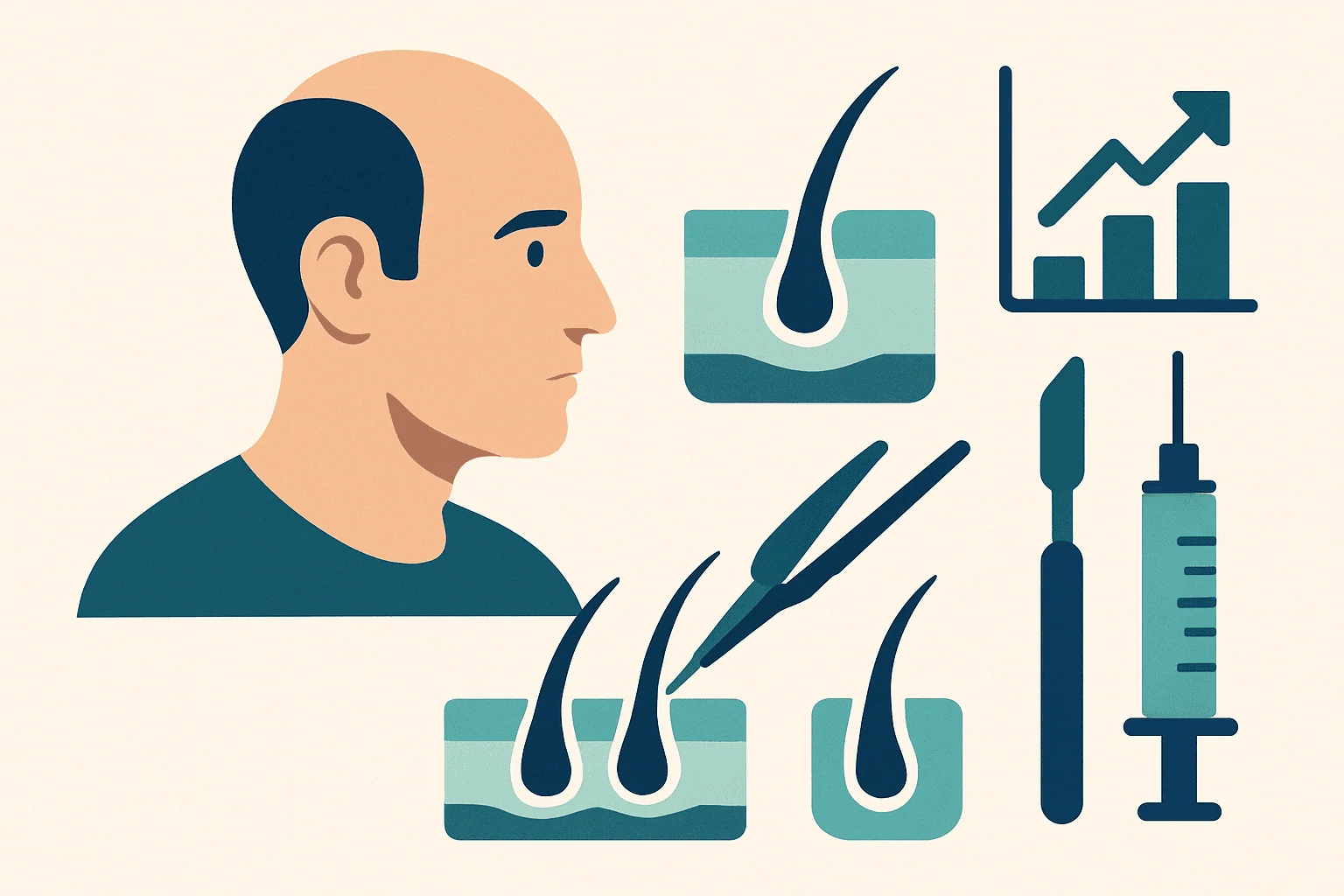
- A hair transplant redistributes existing follicles; it does not create new hair.
- FUE and FUT are the main techniques, each with different scarring patterns.
- Candidacy depends on donor hair, scalp health, and the cause of hair loss.
- Transplanted hairs often shed first, then regrow gradually over months.
- Natural-looking results rely on careful planning, graft handling, and hairline design.
Why are so many people suddenly searching for hair transplants? Recent headlines and online discussions have pushed interest in this procedure back into the spotlight, including searches tied to Billy Bob Thornton. Even when public curiosity centers on a celebrity, the more useful question is often broader: what does a hair transplant actually involve, who is it for, and what kind of results can people realistically expect?
Hair restoration has changed significantly over the years. Modern techniques can create a more natural look than many people associate with older transplant methods, but it is still a medical procedure with limits, planning, and recovery. Understanding the basics can help separate common myths from what specialists actually assess in consultation.
What a hair transplant is — and what it is not
A hair transplant is a procedure that moves hair follicles from one part of the scalp or body to an area with thinning or baldness. The donor area is usually the back or sides of the scalp, where hairs are often more resistant to the hormonal effects linked to common pattern hair loss.
The goal is redistribution, not the creation of brand-new hair. In other words, a transplant takes existing follicles from a stronger-growing region and places them where coverage is needed. Because the number of donor hairs is limited, the procedure is best thought of as strategic restoration rather than an unlimited replacement of lost hair.
Hair transplants are most often considered for:
- Male pattern hair loss, also called androgenetic alopecia
- Female pattern hair thinning in select cases
- Hair loss from scars, injury, or some surgical procedures
- Eyebrow or beard restoration in certain situations
A transplant does not treat every kind of hair loss. Some forms, especially those caused by active inflammation, autoimmune disease, sudden shedding, or untreated medical conditions, may not be appropriate for surgery until the underlying issue is evaluated and stabilized.
Who may be a candidate for hair transplant surgery
Not everyone with thinning hair is an ideal candidate. A specialist typically looks at the pattern of hair loss, the quality and density of the donor area, scalp health, age, overall expectations, and whether hair loss appears stable or still rapidly progressing.
Good candidates often have enough healthy donor hair to make transplantation worthwhile and a hair-loss pattern that allows a natural design. If the donor area is sparse, the scalp has active disease, or expectations are unrealistic, surgery may not produce satisfying results.
Evaluation usually includes a close look at:
- Hair loss type — whether the pattern fits hereditary thinning or another cause
- Donor supply — how many usable grafts are likely available
- Hair characteristics — thickness, curl, color contrast, and texture all affect visual density
- Scalp condition — irritation, scarring, or inflammation may change planning
- Long-term hair-loss risk — transplanted hair may remain, but non-transplanted hair can keep thinning over time
This long-term view matters. Someone seeking restoration of the hairline today may also need a plan for how the surrounding hair could look years later. The most natural results usually come from conservative design and careful use of grafts.
How doctors assess hair loss before a procedure
Diagnosis starts with history and examination. The surgeon or hair-restoration specialist usually asks when shedding or thinning began, whether it was gradual or sudden, whether there is a family history of pattern baldness, and whether there have been recent illnesses, medications, major stressors, or weight changes.
The scalp exam helps identify whether hair loss appears diffuse, patchy, scar-related, or pattern-based. In some cases, additional testing may be considered if the cause is unclear, especially when the history suggests a medical reason for shedding rather than classic hereditary loss.
Assessment may include:
- Examination of the scalp and hair shafts
- Photography for planning and comparison over time
- Measurement of donor density
- Review of past treatments such as medications or non-surgical therapies
- Occasional lab work if another cause of hair loss is suspected
The consultation is also where design decisions happen. Hairline position, temple shape, crown coverage, and overall density goals are individualized. A natural-looking transplant depends as much on artistic planning as on technical execution.
Main hair transplant techniques: FUE, FUT, and newer approaches
The two classic surgical techniques are follicular unit extraction (FUE) and follicular unit transplantation (FUT), sometimes called the strip method. Both aim to transplant naturally occurring follicular units, which are tiny groupings of one to four hairs.
FUE
In FUE, individual follicular units are removed directly from the donor area using very small punches. These grafts are then implanted into tiny recipient sites in the thinning area.
Potential advantages of FUE include:
- Small, dot-like scars rather than one linear scar
- Often preferred by people who wear their hair shorter
- Useful for harvesting from different donor zones in some cases
Potential limitations include:
- It can be time-intensive
- Very large sessions may require extensive donor harvesting
- Overharvesting can make the donor area look thinner if planning is poor
FUT
In FUT, a narrow strip of scalp is removed from the donor region, and technicians dissect it into individual grafts under magnification. The donor area is then closed, leaving a linear scar.
Potential advantages of FUT include:
- Efficient harvesting of a large number of grafts
- May preserve surrounding donor hair in a different way than FUE
- Can be a strong option when maximizing graft yield is important
Potential limitations include:
- A linear scar in the donor area
- Longer wound healing in the strip region
- Less ideal for people who want very short hairstyles
Implantation methods and modern refinements
After harvesting, grafts must be placed carefully to match natural growth angle, direction, and density. Some clinics use implanter pens or direct implantation techniques, while others create recipient sites first and place grafts afterward. These technical differences can matter, but the surgeon’s planning, graft handling, and experience are usually more important than marketing terms alone.
Some patients also explore non-surgical options such as medications, platelet-rich plasma in select settings, camouflage products, low-level light devices, or scalp micropigmentation. These approaches do not replace surgical grafts, but they may complement a broader hair-restoration plan.
What the procedure and recovery are usually like
Hair transplant surgery is typically performed with local anesthesia in an outpatient setting. The length of the session depends on the number of grafts, the technique used, and whether one or more treatment areas are being addressed.
During the procedure, the team harvests grafts, prepares them, and implants them into carefully designed sites. Because transplanted hairs are delicate, storage conditions and handling throughout the day are important parts of the process.
After surgery, it is common to have some:
- Redness of the recipient area
- Scabbing or crusting around newly placed grafts
- Swelling, especially on the forehead in the first few days
- Mild tenderness or tightness in donor and recipient regions
One part of recovery that surprises many people is temporary shedding. Newly transplanted hairs often fall out in the early weeks, while the follicles remain in place under the skin. This is expected in many cases. New growth generally begins gradually over the following months, with visible improvement building over time rather than appearing all at once.
The timeline varies, but many people notice:
- Early healing over days to weeks
- Initial shedding in the first several weeks
- New growth starting after a few months
- Continued thickening and maturation over many months
Because hair grows slowly, patience is essential. Final cosmetic results are usually judged much later than the first post-procedure photographs.
Results, limits, risks, and when specialist care matters
A well-planned hair transplant can improve framing of the face, restore a receding hairline, soften thinning areas, and create the appearance of greater fullness. But results depend on donor supply, hair characteristics, the size of the balding area, and long-term hair-loss progression.
Some people need more than one session to reach their goals, especially if the area of loss is extensive. Others may benefit from combining surgery with non-surgical measures to help preserve existing hair.
Risks and challenges can include:
- Unnatural hairline design
- Patchy density or lower-than-expected graft growth
- Visible scarring
- Infection, though uncommon
- Shock loss, or temporary shedding of nearby hairs
- Donor area thinning if harvesting is too aggressive
This is why specialist evaluation matters. Hair restoration is not simply about moving follicles; it is about diagnosing the reason for hair loss, estimating future change, preserving donor reserves, and designing a result that still looks natural years later.
People should consider specialist assessment when hair loss is persistent, causes distress, develops in unusual patterns, or is accompanied by itching, scaling, pain, rapid shedding, or scarring. Those features can point to causes that need medical evaluation before cosmetic planning.
For many, the biggest takeaway is that hair transplantation can be effective, but it is not one-size-fits-all. The best outcomes typically come from accurate diagnosis, realistic expectations, and individualized planning based on the biology of the scalp and the limits of available donor hair.
Public interest may rise when a celebrity-related search trend catches attention, but the real value lies in understanding the procedure itself. Hair transplant surgery can offer meaningful improvement for the right candidate, especially when approached as part of a long-term hair-restoration strategy rather than a quick fix.
Explore FUE Hair Transplant at Acibadem →
Who is Billy Bob Thornton?
Billy Bob Thornton is an American actor, filmmaker, writer, and musician. He is known for films including Sling Blade, for which he won an Academy Award for screenwriting, as well as roles in Bad Santa and the television series Goliath.
Frequently asked questions
What is a hair transplant?
A hair transplant is a procedure that moves hair follicles from a donor area, usually the back or sides of the scalp, to areas with thinning or baldness.
What is the difference between FUE and FUT?
FUE removes individual follicular units, while FUT removes a strip of scalp that is divided into grafts. FUE usually leaves small dot scars; FUT leaves a linear scar.
Are hair transplant results immediate?
No. Newly transplanted hairs often shed in the early weeks. Visible regrowth usually begins gradually after a few months, with fuller results developing over time.
Who is a good candidate for hair transplant surgery?
People with stable pattern hair loss, adequate donor hair, and healthy scalp tissue are often the best candidates. Suitability depends on the cause and extent of hair loss.
Can a hair transplant treat every kind of hair loss?
No. Some types of hair loss, especially those caused by active inflammation, scarring disorders, or medical conditions, may need diagnosis and treatment before surgery is considered.
Are hair transplants permanent?
Transplanted follicles are often long-lasting because they typically come from hair that is more resistant to common pattern baldness. However, surrounding non-transplanted hair can continue to thin over time.
✔ Reviewed by the Acibadem medical team
This article is general health information inspired by publicly reported news. It is not a statement about any individual’s private medical care, nor medical advice. Always consult a qualified clinician.