

Celebrity Health Health News
Brad Arnold and Cancer: Why Searches Are Surging — and What Cancer Really Involves
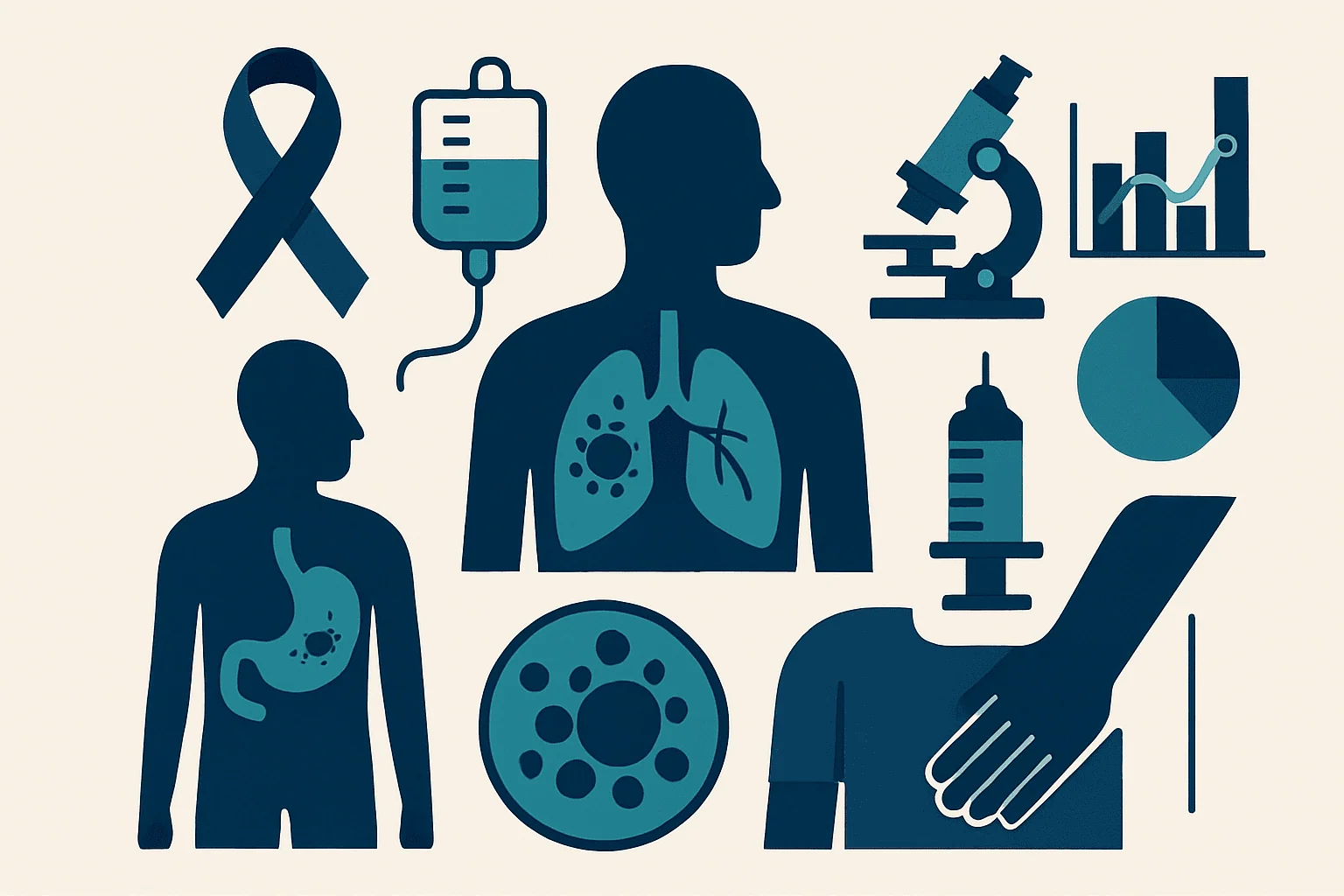
- Cancer is a group of diseases caused by uncontrolled cell growth.
- Symptoms vary widely and may depend on the organ involved.
- Biopsy and staging are central to confirming and characterizing cancer.
- Treatment may include surgery, radiation, chemotherapy, or newer targeted care.
- Recovery often includes follow-up, side-effect management, and supportive care.
Searches for Brad Arnold cancer have been climbing after recent headlines circulated online, prompting many people to look for clear, trustworthy information. When a well-known person is linked to a serious health topic, public curiosity often reflects something deeply human: a desire to understand what the diagnosis might mean, what treatment can involve, and what hope can look like.
Cancer is not one single illness. It is a broad term for many diseases that begin when abnormal cells grow in an uncontrolled way. Some cancers stay localized for a time, while others can invade nearby tissues or spread to distant parts of the body. Because the word itself can feel overwhelming, it helps to break the subject into practical pieces: what cancer is, how it is found, the major treatments used today, and what recovery and long-term follow-up may involve.
What cancer is and why it develops
At its most basic level, cancer starts when certain cells acquire changes that allow them to ignore the body’s usual rules for growth and repair. Healthy cells are programmed to divide, mature, and die in an orderly cycle. Cancer cells can bypass those controls. Over time, they may form a mass called a tumor, although not every cancer creates a solid tumor. Blood cancers, for example, affect cells in the blood, bone marrow, or lymphatic system.
Doctors often describe cancer by where it starts. That matters because a cancer beginning in the lung is treated differently from one that begins in the colon, breast, blood, skin, or prostate. Even when cancer spreads, it is usually still named for its original starting point.
Many factors can contribute to cancer risk, including:
- Age: risk rises as people get older because cells have had more time to accumulate damage.
- Genetic factors: some inherited mutations increase the likelihood of certain cancers.
- Environmental exposures: tobacco smoke, ultraviolet radiation, air pollution, and some workplace chemicals can play a role.
- Infections: some viruses, bacteria, and other infections are linked to specific cancers.
- Lifestyle factors: alcohol use, diet, physical inactivity, and obesity can affect risk for some types.
- Random cell changes: sometimes cancer develops without a clear, identifiable cause.
Importantly, having a risk factor does not mean a person will definitely develop cancer, and people with no obvious risk factors can still be diagnosed. That uncertainty is one reason cancer can feel so unsettling.
Common warning signs and why symptoms vary so much
One of the most confusing things about cancer is that symptoms differ widely depending on the type, location, and stage. Some cancers cause noticeable problems early, while others may stay silent until they are larger or have spread.
Possible warning signs can include:
- A new lump or swelling
- Unexplained weight loss
- Persistent fatigue that does not improve with rest
- Pain that does not go away
- Changes in bowel or bladder habits
- Persistent cough or hoarseness
- Difficulty swallowing
- Unusual bleeding or bruising
- Skin changes, including a changing mole or a sore that does not heal
- Repeated infections or fevers without a clear reason
These symptoms do not automatically mean cancer. Many common, non-cancerous conditions can cause the same problems. Still, symptoms that persist, worsen, or feel unusual deserve medical attention. In cancer care, timing matters. Earlier evaluation can sometimes lead to earlier diagnosis, and earlier diagnosis can expand treatment options.
Screening is another important part of the picture. Some cancers may be found before symptoms begin through screening tests designed for people at average or elevated risk. The best-known examples include mammograms, colon cancer screening, cervical screening, and certain imaging tests or blood tests in selected groups. Screening does not apply to every cancer, but when it is appropriate, it can reduce the chance of finding disease at a later stage.
How cancer is diagnosed and staged
When cancer is suspected, diagnosis usually happens in steps rather than all at once. A clinician typically starts with a medical history and physical examination, then orders tests based on the symptoms and the body system involved.
Imaging and laboratory tests
Doctors may use imaging to look for suspicious areas or learn how extensive a problem might be. These tests can include X-rays, ultrasound, CT scans, MRI scans, or PET scans. Blood tests may also help, although blood work alone usually cannot confirm most cancers.
Some cancers are first detected during endoscopy or another procedure that lets a doctor directly examine a part of the body, such as the colon, stomach, bladder, or airway.
Biopsy: the key step
In many cases, the most important diagnostic step is a biopsy. This means removing a small sample of tissue or cells so a pathologist can examine it under a microscope. A biopsy can confirm whether cancer is present, identify the exact type, and reveal features that guide treatment decisions.
Modern pathology often goes beyond simply naming the cancer. Tumor samples may be tested for:
- Grade: how abnormal the cells look and how quickly they may grow
- Biomarkers: proteins or genes that may predict response to specific treatments
- Molecular changes: mutations or other alterations that can shape therapy choices
Staging
Once cancer is confirmed, doctors determine the stage, which describes how far it has progressed. Staging may reflect tumor size, lymph node involvement, and whether the disease has spread elsewhere. Staging helps the care team estimate outlook, compare treatment strategies, and create a personalized plan.
Because cancer is so diverse, no single test or pathway fits everyone. Diagnosis can be quick in some situations and more complex in others, especially when more than one specialist is involved.
Major cancer treatment options explained
Cancer treatment has advanced dramatically. Many people receive a combination of therapies, tailored to the type of cancer, the stage, the tumor’s biology, and the person’s overall health. The main categories include local treatments, which target a specific area, and systemic treatments, which treat cancer cells throughout the body.
Surgery
Surgery is often used when a cancer appears localized and can be removed. The goal may be to cure the disease, reduce tumor burden, relieve symptoms, or obtain tissue for diagnosis. Some operations are minimally invasive, while others are more extensive. Recovery depends on the organ involved, the size of the operation, and whether additional treatment is needed.
Radiation therapy
Radiation uses high-energy beams to damage cancer cells. It may be used alone or alongside surgery, chemotherapy, or other treatments. In some cases it is given before surgery to shrink a tumor or after surgery to lower the chance of recurrence. Radiation can also be used to ease symptoms, such as pain or bleeding, when cure is not the immediate goal.
Chemotherapy
Chemotherapy uses medicines that circulate through the body to destroy rapidly dividing cells. It remains a major treatment for many cancers, especially those that have spread or are known to respond well to these drugs. Chemotherapy schedules vary widely. Some people receive it before surgery, after surgery, with radiation, or as the main treatment.
Because chemotherapy can affect healthy fast-growing cells too, side effects may include fatigue, nausea, hair loss, mouth sores, lowered blood counts, or infection risk. Supportive care has improved substantially, and many side effects can now be better prevented or managed than in the past.
Targeted therapy
Targeted therapies are designed to act on specific molecular features of cancer cells. Rather than broadly attacking dividing cells, they aim at identifiable abnormalities that help the cancer grow. These treatments are only useful when the tumor has the target in question, which is why biomarker testing is so important.
Immunotherapy
Immunotherapy helps the body’s own immune system recognize and attack cancer. It has transformed care for some cancers, though it does not work for everyone. The response can depend on the cancer type, specific biomarkers, and the individual immune environment.
Hormone therapy, stem cell transplant, and other specialized care
Some cancers, such as certain breast or prostate cancers, can be treated with hormone-blocking approaches. Blood cancers may require stem cell or bone marrow transplant in selected cases. Other specialized treatments include ablation, embolization, cellular therapies, and precision-medicine approaches used in centers with multidisciplinary cancer teams.
For many people, treatment plans evolve over time. A cancer may respond well to one therapy, require another if it returns, or be managed with a sequence of treatments chosen to balance effectiveness and quality of life.
Recovery, side effects, and life after treatment
Recovery from cancer is not the same for everyone. For some, recovery means healing from surgery and returning to routine life after a finite treatment period. For others, cancer becomes a chronic condition managed over months or years with ongoing therapy, monitoring, and symptom support.
Common aspects of recovery can include:
- Physical healing: regaining strength, appetite, mobility, or normal organ function
- Monitoring for recurrence: follow-up visits, scans, blood tests, and exams
- Managing side effects: pain, fatigue, nerve symptoms, digestive changes, or hormonal effects
- Emotional adjustment: anxiety, uncertainty, and the mental impact of diagnosis and treatment
- Rehabilitation and supportive care: nutrition support, physical therapy, speech therapy, palliative care, or counseling
Palliative care is often misunderstood. It is not only for the end of life. It can be introduced at any stage to help with pain, symptoms, stress, and quality of life while active cancer treatment continues. Many specialists view it as an important part of comprehensive care, not a separate last step.
Survivorship is another key concept. After treatment, some people need ongoing support for late effects such as heart health concerns, fertility issues, bone loss, lymphedema, cognitive changes, or secondary cancers. Good follow-up care looks beyond the tumor itself and addresses the whole person.
Outlook, hope, and when specialist care matters
The outlook for cancer depends on many factors: the type of cancer, how early it is found, whether it has spread, the biology of the tumor, and how well it responds to treatment. Even within the same cancer type, outcomes can vary considerably from one person to another.
What has changed most in recent years is the growing precision of care. Improved imaging, better pathology, molecular testing, newer systemic therapies, enhanced radiation techniques, and more personalized surgical planning have all expanded the range of options. In some cases, cancers that were once treated in a one-size-fits-all way are now approached much more individually.
Specialist care matters because cancer treatment is often multidisciplinary. Depending on the diagnosis, a person may benefit from a team that includes medical oncologists, surgeons, radiation oncologists, radiologists, pathologists, rehabilitation experts, and supportive-care professionals. That kind of coordination can help ensure the diagnosis is accurate and the treatment plan reflects current standards and available innovations.
It is also worth remembering that not every worrisome symptom turns out to be cancer, and not every cancer journey looks the same. For some people, the most important message is to seek timely evaluation rather than wait in fear. For others, it is the reassurance that modern cancer care includes many more tools than the public may realize.
When celebrity-related searches surge, they often open a broader conversation that reaches far beyond one person. The most useful takeaway is not speculation about private health details, but a clearer understanding of cancer itself: a complex group of diseases, a diagnosis that requires careful testing, and a field of medicine in which treatment and long-term support continue to advance.
Explore Cancer Treatments at Acibadem →
Who is Brad Arnold?
Brad Arnold is an American singer and songwriter best known as the lead vocalist of the rock band 3 Doors Down. He has been a public-facing member of the band throughout its commercially successful recording and touring career.
Frequently asked questions
What is cancer, exactly?
Cancer is a broad term for diseases in which abnormal cells grow uncontrollably, can invade nearby tissue, and may spread to other parts of the body.
Does a symptom like fatigue or weight loss always mean cancer?
No. Many non-cancerous conditions can cause fatigue, pain, cough, or weight loss. Persistent, unexplained, or worsening symptoms should be medically evaluated.
How is cancer usually confirmed?
Imaging and blood tests can raise suspicion, but many cancers are confirmed with a biopsy, which allows a pathologist to examine tissue or cells directly.
What does cancer staging mean?
Staging describes how far the cancer has progressed, including tumor size, lymph node involvement, and whether it has spread. It helps guide treatment and outlook.
What are the main treatments for cancer?
Major treatments include surgery, radiation therapy, chemotherapy, targeted therapy, immunotherapy, hormone therapy, and in some cases stem cell transplant or other specialized approaches.
Can people recover after cancer treatment?
Many people do recover, though the path varies by cancer type and treatment. Recovery can involve healing, regular follow-up, side-effect management, and long-term survivorship care.
✔ Reviewed by the Acibadem medical team
This article is general health information inspired by publicly reported news. It is not a statement about any individual’s private medical care, nor medical advice. Always consult a qualified clinician.