

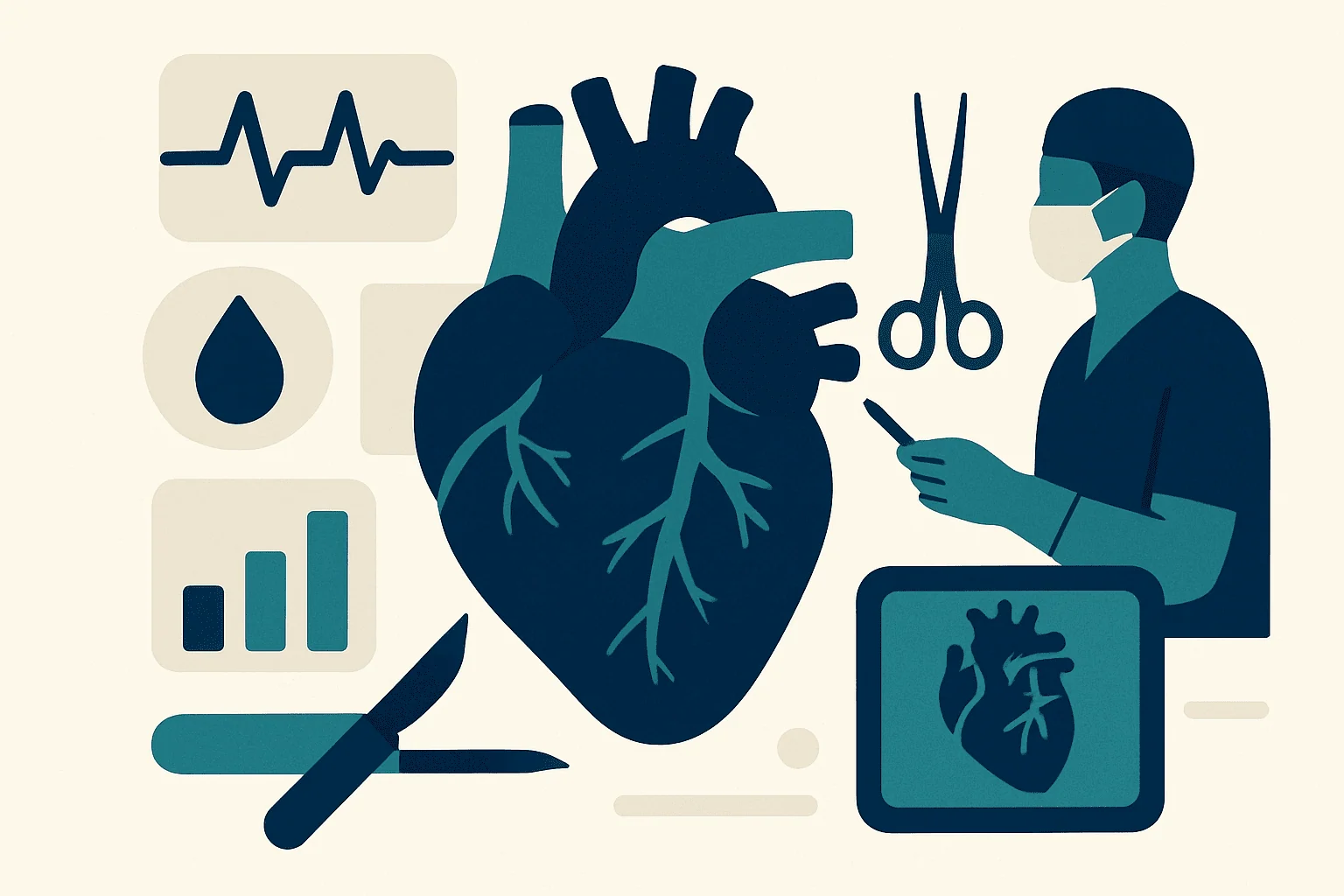
- Heart surgery includes several different procedures, such as bypass surgery, valve repair or replacement, congenital heart surgery, and aortic operations.
- Not all heart conditions require surgery; treatment may also include medication, monitoring, rehabilitation, or catheter-based procedures.
- Common reasons for heart surgery include blocked coronary arteries, severe valve disease, congenital defects, and certain disorders of the aorta.
- Diagnosis often relies on tests such as echocardiography, stress testing, CT or MRI imaging, and coronary angiography.
- Recovery depends on the procedure and the individual, and may include hospital care, follow-up imaging, medication changes, and cardiac rehabilitation.
Celebrities with heart surgery often draw attention not just because of their fame, but because their candor can make a frightening medical experience feel more understandable. When public figures speak openly about diagnosis, surgery, and recovery, they can help reduce stigma around heart disease and encourage more informed conversations about cardiac health.
Heart surgery is not a single procedure but a broad category that can include valve repair or replacement, coronary artery bypass, surgery for congenital heart defects, and operations on the aorta. The stories below focus only on people who have personally and publicly discussed their own heart surgery in a clear, widely reported way, offering insight into how openness can intersect with health awareness.
This roundup is meant as an editorial overview, not medical guidance. Each person’s situation was unique, and treatment decisions depend on diagnosis, age, overall health, and specialist evaluation.
1. Arnold Schwarzenegger
Arnold Schwarzenegger has spoken publicly several times about heart surgery, including planned valve procedures and a later open-heart operation. He has shared that he was born with a bicuspid aortic valve and has described undergoing pulmonary valve replacement as well as subsequent surgery related to valve replacement. By discussing hospitalization and recovery in his own matter-of-fact style, he helped underscore that even highly active people can face complex cardiac conditions and lengthy recoveries.
2. Robin Williams
Robin Williams spoke openly about undergoing heart surgery in 2009 after developing a serious valve problem. He publicly discussed the experience in interviews after his operation, describing both the fear beforehand and the physical recovery that followed. His candor brought broad attention to mitral valve disease and reminded audiences that heart surgery can affect people known for energy, humor, and constant public performance.
3. Barbara Walters
Barbara Walters publicly disclosed in 2010 that she would undergo open-heart surgery to replace a faulty aortic valve. She shared the news herself on television, explaining that she had delayed surgery until symptoms and medical advice made it necessary. Her direct, calm explanation helped frame heart surgery as a serious but discussable health event, especially for older adults facing valve disease.
4. David Letterman
David Letterman publicly revealed in 2000 that he had undergone quintuple coronary artery bypass surgery after doctors found a major blockage. He later spoke and joked about the experience on air, but the underlying disclosure was clear and personal: he had severe coronary artery disease requiring surgery. His openness gave many viewers a memorable, high-profile example of bypass surgery and recovery after a sudden diagnosis.
5. Bill Clinton
Bill Clinton has spoken publicly about his heart surgery, including quadruple bypass surgery in 2004 and a later heart-related procedure. He discussed the experience in interviews and public appearances, often reflecting on risk factors, recovery, and the health changes he made afterward. Because he was such a visible public figure, his disclosure brought sustained attention to coronary disease and long-term cardiac follow-up.
6. Regis Philbin
Regis Philbin publicly discussed having triple bypass heart surgery in 2007 and later talked about returning to work after recovery. He was open in interviews about the shock of needing surgery and about the rehabilitation process that followed. His willingness to describe the emotional as well as physical side of recovery made his story especially relatable to viewers confronting similar procedures.
7. Mick Jagger
Mick Jagger has publicly acknowledged undergoing a heart valve procedure in 2019 after postponing performances for treatment and recovery. He later shared gratitude for medical care and support as he recuperated. His openness mattered because it highlighted that valve disease and cardiac intervention can arise even in people who remain active and professionally engaged later in life.
8. Neil Patrick Harris
Neil Patrick Harris has spoken publicly about the heart surgery he underwent as a child after being diagnosed with a congenital heart condition. In discussing his experience as an adult, he has shared that he had surgery when he was young and reflected on what it meant for him and his family. His disclosure adds an important perspective: some heart surgeries are performed in childhood for congenital conditions, with long-term follow-up extending into adult life.
9. Shaquille O’Neal
Shaquille O’Neal has publicly said that he underwent heart surgery in 2023 after doctors found an issue during evaluation. He discussed the operation himself and used his platform to stress the importance of checkups, especially for people who feel well and assume nothing is wrong. His comments resonated because they tied a personal surgery story to preventive awareness and routine cardiac assessment.
10. Tiki Barber
Tiki Barber publicly disclosed that he needed open-heart surgery after tests identified a problem with aortic stenosis. He has spoken about receiving the diagnosis despite being a former elite athlete and about learning that fitness does not eliminate every structural heart risk. His openness helped highlight the difference between outward performance and underlying valve disease, as well as the value of timely evaluation.
What heart surgery is
Heart surgery is a broad term for operations performed to correct structural or circulation-related problems involving the heart or the major blood vessels connected to it. It is not one single treatment. Depending on the diagnosis, surgery may be used to improve blood flow to the heart muscle, repair or replace a faulty heart valve, correct a congenital heart defect present from birth, treat disease of the aorta, or address complications related to rhythm disorders and heart failure.
One of the best-known operations is coronary artery bypass grafting, often called bypass surgery, which creates a new path for blood to flow around blocked coronary arteries. Another common category is valve surgery, in which surgeons repair or replace a narrowed or leaking valve such as the aortic or mitral valve. Some people need surgery because of congenital conditions like septal defects or abnormal valves, while others require an operation after years of gradual wear, calcification, or coronary artery disease.
Heart surgery can be performed through traditional open-heart techniques or, in selected cases, through less invasive approaches using smaller incisions. Some valve procedures can now be done through catheter-based methods rather than open surgery, although not every patient is a candidate. The choice depends on the anatomy of the problem, the urgency of treatment, age, other medical conditions, and the judgment of the cardiac care team.
Because the word “surgery” can sound overwhelming, it is important to remember that outcomes have improved significantly over time thanks to advances in imaging, anesthesia, intensive care, infection prevention, and rehabilitation. Even so, these are major procedures that require individualized planning and careful follow-up.
Diagnosis and treatment landscape
The path to heart surgery usually begins with symptoms, screening, or an incidental finding during medical evaluation. Some patients seek care for chest pain, shortness of breath, fainting, palpitations, leg swelling, or reduced exercise tolerance. Others learn about a heart problem after a murmur is heard on examination, an abnormal scan is detected, or a routine check-up reveals risk factors that prompt more testing.
Diagnosis may involve an electrocardiogram, echocardiogram, stress testing, coronary imaging, cardiac CT, MRI, or catheter-based angiography. Blood tests and general health assessments also help determine whether symptoms are due to coronary disease, valve disease, rhythm problems, heart muscle weakness, or a structural issue affecting the heart and great vessels.
Treatment does not always begin with surgery. Many heart conditions are first managed with medication, lifestyle measures, monitoring, or catheter-based procedures. Surgery is generally considered when a structural problem is severe, when symptoms worsen, when blood flow is significantly compromised, or when delaying intervention could increase the risk of heart failure, stroke, or other complications. In some cases, surgery is urgent; in others, it is scheduled electively after careful workup.
Recovery varies widely. Hospital stays can range from a short admission for less invasive procedures to a longer stay after open-heart surgery. Patients may need rehabilitation, wound care, medication adjustments, and repeated imaging to monitor healing and long-term function. Emotional recovery matters too: anxiety, fatigue, and changes in confidence are common after major cardiac treatment.
For many people, one of the most important messages is that heart disease is not always obvious from appearance, age, or activity level. That is one reason public discussions of heart surgery can be so powerful: they can remind audiences that early evaluation, accurate diagnosis, and evidence-based treatment are central to cardiac care. Anyone with concerning symptoms or a known heart condition should seek advice from a qualified clinician rather than rely on general information alone.
Explore Cardiology & Cardiac Surgery at Acibadem →
Frequently asked questions
What counts as heart surgery?
Heart surgery is an umbrella term for operations on the heart or major connected vessels. It may include coronary artery bypass surgery, valve repair or replacement, surgery for congenital heart defects, and procedures involving the aorta.
Is every heart procedure considered open-heart surgery?
No. Some heart operations are performed through traditional open-heart methods, while others use minimally invasive or catheter-based techniques. The best approach depends on the specific diagnosis and the patient’s overall condition.
What symptoms can lead to evaluation for a condition that may require heart surgery?
Possible warning signs include chest pain, shortness of breath, fainting, palpitations, swelling, fatigue, or reduced exercise tolerance. Some people, however, are diagnosed after a murmur, a scan, or routine testing even before major symptoms appear.
Can active or fit people still need heart surgery?
Yes. Fitness does not rule out congenital heart disease, valve abnormalities, inherited conditions, or coronary disease. That is why formal medical assessment is important when symptoms, family history, or test results suggest a cardiac problem.
✔ Reviewed by the Acibadem medical team
This article is general health information inspired by publicly reported news. It is not a statement about any individual’s private medical care, nor medical advice. Always consult a qualified clinician.