

Celebrity Health Health News
Sofia Vergara and Knee Surgery: Why Searches Are Surging
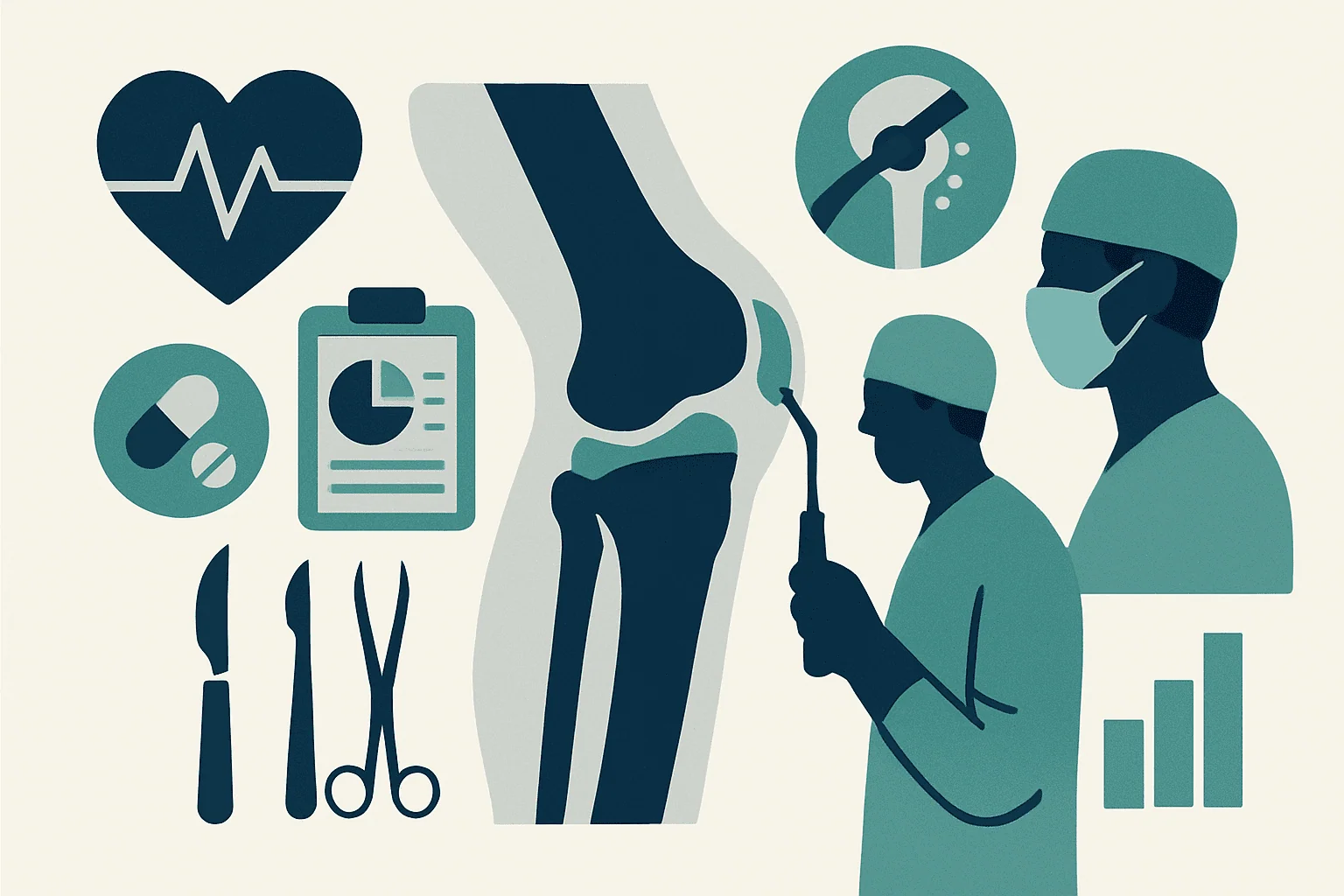
- Knee surgery includes arthroscopy, ligament repair, fracture care, and joint replacement.
- The best procedure depends on the exact cause of pain, swelling, or instability.
- Many knee problems improve with therapy and other non-surgical treatment first.
- MRI and X-rays help guide diagnosis, but symptoms and exam findings matter too.
- Rehabilitation is a major part of recovery and long-term outcome.
Why are so many people suddenly searching for knee surgery? Recent headlines have sparked interest in the topic, and that often happens when a well-known public figure is linked in some way to a common medical issue. But beyond the news cycle, knee surgery is something millions of people encounter through sports injuries, age-related wear and tear, arthritis, or accidents. Understanding what knee surgery really involves can make the subject feel less intimidating.
The knee is one of the body’s hardest-working joints. It helps with walking, climbing stairs, standing up, squatting, and balance. Because it carries weight and absorbs force with nearly every step, it is also especially vulnerable to pain, swelling, instability, and injury. “Knee surgery” is not one single operation. It is a broad term that can include minimally invasive procedures such as arthroscopy, ligament reconstruction, cartilage repair, fracture repair, partial knee replacement, or total knee replacement.
The right procedure depends on the underlying problem. Some people need surgery after a sudden injury, while others consider it only after symptoms gradually worsen and non-surgical treatments no longer help enough. Here is what knee surgery can mean, how doctors decide when it is needed, and what recovery often looks like.
What knee surgery actually includes
The knee is made up of bones, cartilage, ligaments, tendons, and cushioning tissue called the menisci. Damage to any of these structures can affect comfort and movement. Surgery may be recommended to repair, remove, reconstruct, or replace part of the joint.
Common categories of knee surgery include:
- Arthroscopy: A minimally invasive procedure using a small camera and tiny instruments inserted through small incisions. It may be used to diagnose problems, trim or repair a torn meniscus, treat certain cartilage injuries, remove loose fragments, or address inflammation.
- Ligament reconstruction or repair: Often used for injuries such as a torn anterior cruciate ligament (ACL) or posterior cruciate ligament (PCL), especially when the knee feels unstable.
- Meniscus surgery: Depending on the tear, surgeons may repair the meniscus or remove a damaged portion while preserving as much healthy tissue as possible.
- Cartilage restoration procedures: These aim to treat areas where the joint surface has been damaged, especially in selected younger or more active patients.
- Fracture surgery: If the kneecap or the bones around the knee are broken and out of position, surgery may be needed to stabilize them.
- Partial or total knee replacement: These larger procedures are usually considered for advanced arthritis or major joint damage when pain and loss of function significantly affect daily life.
Not every painful knee requires an operation. In fact, many do not. Surgery is usually considered only after the cause is clearly identified and the likely benefits outweigh the risks.
Why someone might need knee surgery
Knee symptoms can come on suddenly after trauma or slowly over time. The reason for surgery matters because it shapes the procedure, timeline, and expectations for recovery.
Injuries from sports or accidents
A twisting motion, sudden stop, fall, or direct blow can injure the knee. Common examples include ACL tears, meniscus tears, kneecap dislocation, or fractures. These injuries may cause a popping sensation, rapid swelling, instability, or difficulty bearing weight.
Wear-and-tear changes
Over time, cartilage can thin and joints can become inflamed. Osteoarthritis is one of the most common reasons for chronic knee pain. When stiffness, swelling, and pain become severe and interfere with walking, sleep, work, or everyday activities, surgery may come up as part of the conversation.
Mechanical symptoms
Some people describe the knee as catching, locking, giving way, or feeling stuck. These symptoms can happen when tissue inside the joint is torn or displaced, or when the joint surfaces are significantly damaged.
Problems that persist despite other care
Doctors usually begin with conservative treatment when appropriate. Surgery may be considered when symptoms continue despite measures such as:
- Rest and activity modification
- Physical therapy
- Bracing or support
- Ice and swelling control
- Weight management strategies
- Injections in selected cases
The key question is not simply whether the knee hurts, but why it hurts and how much it limits function.
How doctors diagnose the problem before surgery
A good knee surgery plan starts with an accurate diagnosis. Doctors usually combine a careful history, physical exam, and imaging studies.
Medical history and symptom pattern
The story often provides important clues. Was there a specific injury? Did swelling appear immediately or gradually? Is the pain in the front, inside, or outside of the knee? Is the main problem pain, stiffness, instability, or locking? The answers help narrow the cause.
Physical examination
During the exam, a specialist may check:
- Range of motion
- Areas of tenderness
- Swelling or fluid in the joint
- Ligament stability
- Alignment
- How the kneecap tracks
- Whether certain movements trigger catching or pain
Imaging tests
X-rays are useful for looking at bone alignment, fractures, and arthritis-related joint space changes. MRI is especially helpful for soft tissues such as ligaments, menisci, cartilage, and tendons. In some cases, CT scans may be used for complex fractures or surgical planning.
Not every abnormal finding on a scan needs surgery. Imaging has to be matched with symptoms and exam findings. For example, some meniscus tears are present without causing major limitations, while severe arthritis seen on X-ray can correlate strongly with pain and stiffness in others.
Treatment options: from non-surgical care to major procedures
Knee treatment exists on a spectrum. For many people, surgery is only one of several options, and the best choice depends on age, activity level, anatomy, goals, and overall joint health.
Non-surgical management
Before surgery, doctors often recommend a period of conservative care unless the injury clearly requires urgent repair. This may include structured physical therapy to improve strength and control, especially in the quadriceps and hip muscles, which help support the knee. Reducing high-impact activity for a period may also ease irritation.
For arthritis-related pain, non-surgical strategies may focus on preserving mobility, improving function, and reducing joint load. Bracing, walking aids, or targeted exercise can be part of that plan.
Arthroscopy
Arthroscopy is one of the best-known knee procedures because it uses small incisions and typically allows a quicker early recovery than open surgery. It is often used for specific mechanical problems inside the joint. During arthroscopy, the surgeon views the inside of the knee on a screen and treats the identified issue.
Arthroscopy can be very effective in carefully selected situations, such as certain meniscus tears, loose bodies, or cartilage injuries. However, it is not a universal answer for every kind of knee pain. In people with advanced arthritis, for example, arthroscopy may offer limited benefit.
Ligament reconstruction
When the knee is unstable after a ligament tear, reconstruction may be advised, particularly for active individuals who want to return to pivoting sports or demanding physical activity. In ACL surgery, for instance, the torn ligament is usually reconstructed using tissue graft rather than simply stitched back together.
These operations can restore stability, but rehabilitation is a major part of success. Recovery is not just about healing the incision; it also involves rebuilding strength, balance, and confidence in the joint.
Meniscus and cartilage procedures
The meniscus helps distribute force across the knee. Surgeons try to preserve as much of it as possible because removing large amounts can increase long-term wear on the joint. Some tears can be repaired, while others are better treated by trimming only the unstable damaged section.
Cartilage procedures are more specialized and may be considered for focal areas of damage, especially in younger patients without widespread arthritis. Options vary and can include stimulating healing in the bone below the cartilage or transplant-based techniques in selected cases.
Partial or total knee replacement
When arthritis is severe and the joint surfaces are badly worn, replacement surgery may provide major relief and improved function. In a partial knee replacement, only the damaged compartment is resurfaced. In a total knee replacement, the damaged joint surfaces are replaced more broadly with artificial components designed to restore smoother movement.
These are larger operations than arthroscopy, but for the right patient they can be life-changing, especially when pain has significantly reduced quality of life.
What recovery from knee surgery is often like
Recovery depends heavily on the type of operation. Someone having a minor arthroscopic procedure may be walking the same day with support, while recovery after ligament reconstruction or knee replacement is much longer and more structured.
The early phase
In the first days after surgery, the focus is usually on controlling swelling, protecting the repair or implant, and beginning safe movement. Some patients use crutches, a brace, or other support temporarily. Pain and stiffness are expected early on, though the pattern and intensity vary by procedure.
Rehabilitation
Physical therapy is central to most knee surgery recoveries. Goals often include:
- Restoring range of motion
- Improving muscle strength
- Reducing swelling
- Retraining balance and walking mechanics
- Gradually returning to work, exercise, or sport
Recovery is rarely perfectly linear. It is common to have good days and slower days. Swelling may persist for a while, especially after more extensive procedures.
Return to activity
Timelines vary widely. Sedentary work may be resumed relatively soon after some procedures, while physically demanding jobs can require much longer. Return to sports after ligament reconstruction can take many months. After knee replacement, many people resume daily activities successfully, but higher-impact sports may remain limited depending on the surgeon’s guidance and the condition of the joint.
The most important point is that success is not defined only by the operation itself. It also depends on diagnosis, surgical technique, rehabilitation, and realistic expectations.
Outlook, risks, and when specialist evaluation matters
Modern knee surgery can be very successful, but every procedure has potential downsides. Risks may include infection, blood clots, stiffness, persistent pain, bleeding, nerve or blood vessel injury, scar tissue, implant problems, or the need for future surgery. The exact risk profile depends on the operation and the person’s overall health.
Outcomes are usually best when the procedure matches the problem. A patient with true mechanical locking from a displaced tear may improve dramatically after the right operation. A patient with widespread degenerative joint disease may do better with a replacement procedure than with a small arthroscopic one. Careful selection matters.
Specialist assessment is especially important when knee symptoms include:
- Inability to bear weight after an injury
- Rapid swelling or major deformity
- The knee giving way repeatedly
- Locking that prevents normal movement
- Persistent pain lasting despite conservative care
- Progressive stiffness that disrupts daily life
Knee surgery can sound like a single, simple label, but it covers a wide range of procedures with different goals. For some people, the aim is to fix an injury and return to sport. For others, it is to reduce long-standing pain and improve basic mobility. Either way, understanding the diagnosis, the available options, and the recovery path is what turns a trending search into useful health knowledge.
Explore Arthroscopy at Acibadem →
Who is Sofia Vergara?
Sofia Vergara is a Colombian-American actor, producer, and television personality. She is widely known for her role as Gloria Delgado-Pritchett on the sitcom Modern Family and has also served as a judge on major television talent competitions.
Frequently asked questions
What does knee surgery usually mean?
Knee surgery is a broad term for operations that treat damage or disease in the knee joint. It can include arthroscopy, meniscus surgery, ligament reconstruction, fracture repair, cartilage procedures, or partial and total knee replacement.
Is knee surgery always necessary for knee pain?
No. Many causes of knee pain are first treated with non-surgical options such as physical therapy, activity changes, bracing, and other supportive care. Surgery is usually considered when the problem is clearly defined and symptoms remain significant.
What is the difference between arthroscopy and knee replacement?
Arthroscopy is a minimally invasive procedure using small incisions and a camera to treat selected problems inside the joint. Knee replacement is a larger operation that resurfaces damaged parts of the joint, most often for advanced arthritis.
How long does recovery from knee surgery take?
Recovery varies widely by procedure. Some arthroscopic procedures may allow a relatively quick return to basic activities, while ligament reconstruction and knee replacement usually require months of rehabilitation.
What symptoms can suggest a more serious knee problem?
Warning signs can include severe swelling after injury, inability to bear weight, repeated giving way, visible deformity, locking, or pain and stiffness that continue to worsen despite treatment.
Can people return to exercise after knee surgery?
Many people do return to exercise, but the timeline and type of activity depend on the operation, the original problem, and the progress made in rehabilitation. Lower-impact activity is often easier to resume than high-impact or pivoting sports.
✔ Reviewed by the Acibadem medical team
This article is general health information inspired by publicly reported news. It is not a statement about any individual’s private medical care, nor medical advice. Always consult a qualified clinician.