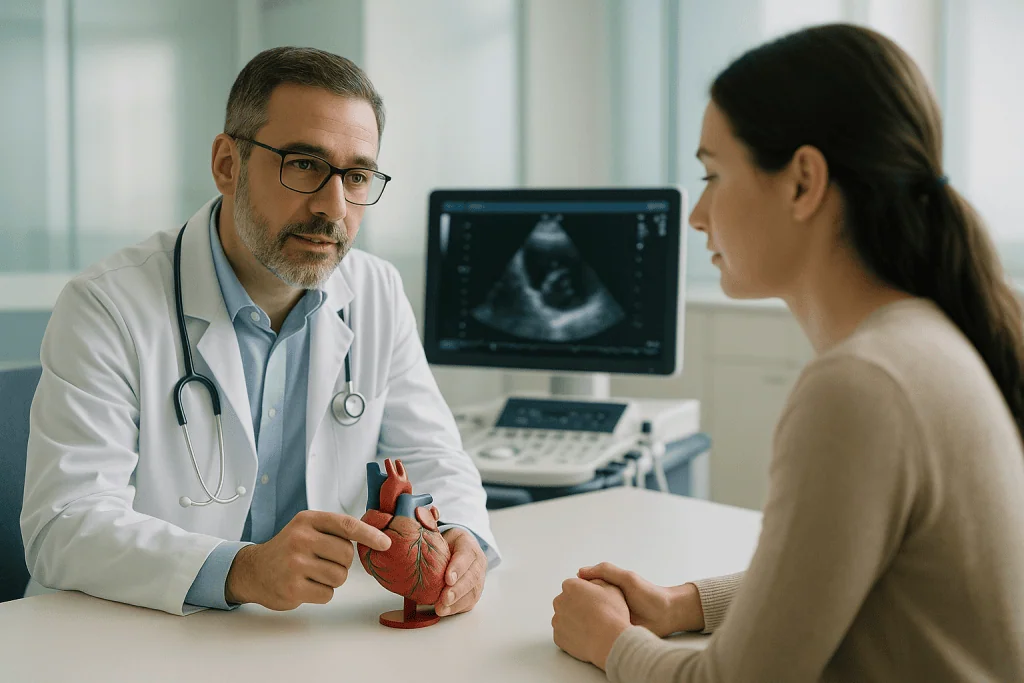
Quick answer
Cardiomyopathy is a disease of the heart muscle that can become enlarged, thickened, or stiff, reducing the heart’s ability to pump blood effectively and sometimes causing rhythm problems or heart failure. Treatment depends on the type and severity and may include medication, lifestyle measures, implantable devices, catheter-based procedures, or surgery after evaluation with cardiac imaging and other heart tests.
What is cardiomyopathy?
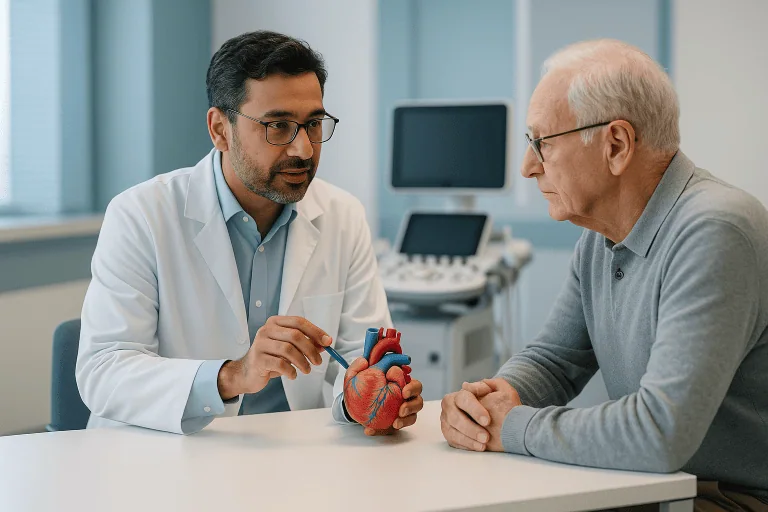
Cardiomyopathy is a disease of the heart muscle itself. The word comes from “cardio” (heart), “myo” (muscle), and “pathy” (disease). In cardiomyopathy, the heart muscle becomes enlarged, thickened, or stiff, which makes it harder for the heart to pump blood to the rest of the body. Over time, the heart may weaken, and this can lead to heart failure: a condition in which the heart cannot pump enough blood to meet the body’s needs, or to abnormal heart rhythms, known as arrhythmias.
When people ask “what is cardiomyopathy,” it helps to know that it is not a single disease but a group of related conditions. The main types include:
- Dilated cardiomyopathythe heart’s main pumping chamber (the left ventricle) becomes enlarged and weakened, so it cannot squeeze blood out effectively. This is one of the most common forms.
- Hypertrophic cardiomyopathythe heart muscle becomes abnormally thick, which can make it harder for blood to flow out of the heart. This type is often inherited.
- Restrictive cardiomyopathythe heart muscle becomes stiff and less flexible, so the heart cannot fill properly with blood between beats. This is a less common form.
- Arrhythmogenic cardiomyopathyheart muscle tissue is gradually replaced by scar or fatty tissue, which can trigger dangerous heart rhythms. This type is usually inherited.
Cardiomyopathy can affect people of any age, including children, although some types are more common in certain age groups. It affects both men and women. Some forms run in families and are caused by inherited gene changes, while others develop as a result of another illness, long-term high blood pressure, infections, or other causes. In many cases, no clear cause is ever found; doctors call this “idiopathic” cardiomyopathy, which is what the medical code I42.9 (cardiomyopathy, unspecified) often describes.
Symptoms of cardiomyopathy
Cardiomyopathy symptoms vary widely. Some people have no symptoms at all in the early stages and only learn of the condition during a routine check-up or family screening. Others develop symptoms gradually as the heart’s pumping ability declines. Common cardiomyopathy symptoms include:
- Shortness of breathat first during exercise or activity, and later sometimes at rest or when lying flat
- Fatiguefeeling unusually tired or unable to keep up with normal daily activities
- Swelling (edema)in the legs, ankles, feet, or abdomen, caused by fluid buildup
- Palpitationsa fluttering, racing, or pounding feeling in the chest
- Chest pain or pressureespecially during physical activity or after heavy meals
- Dizziness, lightheadedness, or fainting (syncope)particularly during or after exertion
- Persistent cough or wheezingsometimes with fluid buildup in the lungs
- Difficulty sleeping flatneeding extra pillows to breathe comfortably at night
Symptoms can differ by type and stage. In dilated cardiomyopathy, breathlessness, fatigue, and swelling often develop slowly as the weakened heart struggles to pump. In hypertrophic cardiomyopathy, some people feel entirely well for years, while others experience chest pain, breathlessness, or fainting during exercise; in a small number of cases, the first sign can be a dangerous heart rhythm. In restrictive cardiomyopathy, symptoms of fluid buildup, swelling in the legs and abdomen, and breathlessness, tend to be prominent because the stiff heart cannot fill properly.
In the early stage of any type, symptoms may be mild or absent. As the condition progresses, symptoms often become more noticeable and may occur with less and less activity. Because these symptoms overlap with many other conditions, only a medical evaluation can determine whether they are caused by cardiomyopathy.
Causes and risk factors
Cardiomyopathy causes fall into two broad groups: inherited (genetic) and acquired (developing during a person’s life). In many people, no single cause can be identified.
Inherited causes. Some types of cardiomyopathy, especially hypertrophic and arrhythmogenic forms, are frequently caused by gene changes passed down through families. If a parent carries such a gene change, each child often has a chance of inheriting it, which is why doctors may recommend screening of close relatives when someone is diagnosed.
Acquired causes and contributing conditions. Cardiomyopathy may develop in association with:
- Long-term high blood pressure (hypertension)which forces the heart to work harder over many years
- Coronary artery disease or previous heart attackdamage to the heart muscle from reduced blood supply
- Viral infections of the heart muscle (myocarditis)inflammation that can weaken the heart
- Heavy, long-term alcohol usewhich can directly damage heart muscle
- Certain drugs and toxinsincluding some chemotherapy medicines and illicit stimulant drugs such as cocaine or amphetamines
- Metabolic and hormonal conditionssuch as diabetes, thyroid disease, and obesity
- Pregnancya rare form called peripartum cardiomyopathy can develop in late pregnancy or in the months after delivery
- Diseases that infiltrate or scar the heartsuch as amyloidosis (abnormal protein deposits), sarcoidosis (inflammatory cell clusters), or hemochromatosis (iron overload)
- Severe, prolonged emotional or physical stresswhich in rare cases can trigger a usually temporary form sometimes called stress cardiomyopathy
- Nutritional deficienciessuch as a lack of certain vitamins and minerals, more common in some parts of the world
Risk factors include a family history of cardiomyopathy, heart failure, or sudden cardiac death; uncontrolled high blood pressure; heavy alcohol use; obesity; diabetes; and prior treatment with certain cancer therapies. Having a risk factor does not mean a person will develop the disease, but it may be a reason for closer monitoring by a doctor.
Diagnosis of cardiomyopathy
Cardiomyopathy diagnosis begins with a careful review of your symptoms, medical history, and family history, followed by a physical examination. The doctor listens to your heart and lungs, checks for swelling, and looks for signs of fluid buildup. Because family history is so important, expect questions about relatives who had heart disease, heart failure, or died suddenly at a young age.
To confirm the diagnosis and determine the type and severity, doctors typically use several tests:
- Echocardiogram (heart ultrasound)the central test in most cases. It uses sound waves to create moving pictures of the heart, showing the size of the chambers, the thickness of the muscle, how well the heart pumps, and how the valves are working.
- Electrocardiogram (ECG or EKG)records the heart’s electrical activity through small stickers on the skin. It can show abnormal rhythms and patterns that suggest thickened or damaged heart muscle.
- Cardiac MRI (magnetic resonance imaging)provides detailed images of the heart muscle and can reveal scarring, inflammation, or infiltration that other tests may miss. It is often used to distinguish between types of cardiomyopathy.
- Chest X-raycan show an enlarged heart or fluid in the lungs.
- Blood testscheck for markers of heart strain (such as natriuretic peptides), and for underlying conditions like thyroid disease, iron overload, diabetes, or kidney problems.
- Holter or event monitoringa portable device worn for one or more days to record the heart rhythm over time and detect intermittent arrhythmias.
- Exercise (stress) testingassesses how the heart responds to physical activity and how symptoms relate to exertion.
- Cardiac catheterization and coronary angiographya thin tube is passed into the heart through a blood vessel, usually to check whether narrowed coronary arteries are contributing to the problem. In selected cases, a small sample of heart muscle (biopsy) may be taken for laboratory analysis.
- Genetic testing and family screeningmay be recommended when an inherited form is suspected, and close relatives may be advised to have an ECG and echocardiogram even if they feel well.
Doctors combine the results of these tests with established diagnostic criteria for each type, for example, specific measurements of wall thickness for hypertrophic cardiomyopathy or of chamber size and pumping function for dilated cardiomyopathyto reach a diagnosis and plan treatment.
Treatment options for cardiomyopathy
Cardiomyopathy treatment depends on the type of cardiomyopathy, the cause when one is found, the severity of symptoms, and the risk of complications such as arrhythmias. In most cases the goals are to relieve symptoms, slow or prevent worsening of the condition, and reduce the risk of serious complications. Treatment is usually managed by a cardiologist (a heart specialist); in hospital settings this care is typically provided through a specialized unit such as a Cardiology Department.
Monitoring and lifestyle measures
For people with mild disease and few or no symptoms, doctors may recommend regular monitoring rather than immediate intervention, sometimes called watchful waiting. Lifestyle measures are important at every stage and often include limiting or avoiding alcohol, not smoking, managing blood pressure and diabetes, maintaining a healthy weight, reducing salt intake if fluid retention is a problem, and following individualized advice about exercise. In some types, such as hypertrophic cardiomyopathy, doctors may advise avoiding intense competitive sports until risk has been assessed.
Medications
Many people with cardiomyopathy are treated with medicines. Depending on the situation, a doctor may prescribe:
- Medicines that ease the heart’s workloadsuch as ACE inhibitors, angiotensin receptor blockers, or newer combination drugs that relax blood vessels and lower blood pressure
- Beta-blockerswhich slow the heart rate and reduce strain on the heart muscle
- Diuretics (“water pills”)which help the body remove excess fluid and relieve swelling and breathlessness
- Mineralocorticoid receptor antagonists and other heart-failure medicineswhich have been shown to help many people with weakened heart pumping
- Anti-arrhythmic medicinesto control abnormal heart rhythms
- Anticoagulants (blood thinners)to reduce the risk of blood clots and stroke in people with certain rhythm problems or a very weak heart
Medication plans are individualized and often adjusted over time, so regular follow-up is important.
Devices and procedures
Some people benefit from implanted devices or catheter-based procedures:
- Implantable cardioverter-defibrillator (ICD)a small device placed under the skin that monitors the heart rhythm and can deliver a shock to correct a life-threatening arrhythmia. It may be recommended for people judged to be at higher risk of sudden cardiac arrest.
- Pacemaker or cardiac resynchronization therapy (CRT)devices that help the heart beat in a more coordinated and effective way in selected patients.
- Septal reduction proceduresfor obstructive hypertrophic cardiomyopathy, doctors may reduce the thickened muscle that blocks blood flow, either with a catheter-based treatment (alcohol septal ablation) or with surgery (septal myectomy).
- Catheter ablationa procedure that targets the tissue causing certain abnormal heart rhythms.
Surgery and advanced therapies
When cardiomyopathy leads to severe heart failure that no longer responds to medicines and devices, doctors may consider advanced options. These can include mechanical pumps that support the heart (ventricular assist devices) and, in carefully selected patients, heart transplantation. These treatments are reserved for advanced disease and involve detailed evaluation of risks and benefits by a specialized team.
When a specific cause is found, for example, iron overload, a thyroid disorder, or alcohol-related damage, treating that underlying cause is a central part of care and can sometimes allow the heart to recover partially or, in some cases, substantially.
Living with cardiomyopathy and outlook
The outlook for cardiomyopathy varies greatly from person to person. Some people live for many years, or decades, with few limitations, particularly when the condition is found early and managed well. Others experience progressive symptoms despite treatment. In general, modern medicines, devices, and procedures have improved both survival and quality of life for many people with cardiomyopathy, although no treatment can guarantee a particular outcome.
Living well with cardiomyopathy usually involves:
- Taking medicines exactly as prescribed and attending all follow-up appointments
- Following your doctor’s individualized advice on physical activity, regular moderate activity is often encouraged, but limits vary by type and severity
- Watching for changes such as increasing breathlessness, new swelling, or rapid weight gain over a few days, which can signal fluid buildup
- Limiting alcohol and avoiding tobacco and recreational drugs
- Managing blood pressure, diabetes, cholesterol, and weight
- Discussing pregnancy plans with your care team in advance, since pregnancy places extra demands on the heart
- Encouraging close relatives to ask their own doctors about screening if your cardiomyopathy may be inherited
Anxiety and low mood are common after a diagnosis of a chronic heart condition, and support from family, patient groups, or mental health professionals can help. Some hospital groups, including Acibadem, provide structured follow-up programs through their cardiology services to support long-term monitoring of chronic heart conditions.
Frequently asked questions
What is cardiomyopathy in simple terms?
Cardiomyopathy is a disease of the heart muscle in which the muscle becomes enlarged, thickened, or stiff. This makes it harder for the heart to pump blood around the body. It is a group of conditions rather than a single disease, and it can be inherited or develop later in life due to other illnesses, infections, toxins, or unknown causes.
Can cardiomyopathy be cured or heal on its own?
In most cases cardiomyopathy is a long-term condition that is managed rather than cured. However, some forms can improve considerably, for example, when a reversible cause such as heavy alcohol use, a thyroid problem, or certain temporary stress-related forms is treated. Even when a cure is not possible, treatment often controls symptoms and slows progression. Your doctor can explain what is realistic for your specific type.
How serious is cardiomyopathy?
Seriousness varies widely. Some people have mild disease that changes little over many years, while others develop heart failure or dangerous heart rhythms. Possible complications include worsening heart failure, blood clots, valve problems, and, in some cases, sudden cardiac arrest. Regular monitoring and appropriate treatment are aimed at reducing these risks, which is why ongoing follow-up with a cardiologist is important.
What are the first warning signs of cardiomyopathy?
Early cardiomyopathy symptoms are often subtle: becoming breathless more easily than before, unusual tiredness, mild ankle swelling, or palpitations. Some people have no symptoms at all and are diagnosed through family screening or a routine examination. Because these signs overlap with many other conditions, they should be assessed by a doctor rather than self-diagnosed.
Can I exercise with cardiomyopathy?
Many people with cardiomyopathy can and should stay physically active, because appropriate exercise supports overall heart health. However, safe limits depend on the type and severity of the condition; for example, people with some forms may be advised to avoid intense competitive sports. Always follow the individualized exercise guidance provided by your cardiologist rather than general advice.
Is cardiomyopathy hereditary, and should my family be tested?
Some types, especially hypertrophic and arrhythmogenic cardiomyopathy, frequently run in families, and dilated cardiomyopathy can also be inherited. If your doctors suspect a genetic form, they may recommend genetic testing for you and screening tests, such as an ECG and echocardiogram, for close relatives. Screening can identify affected family members early, sometimes before symptoms appear.
What is the life expectancy with cardiomyopathy?
There is no single answer, because life expectancy depends on the type of cardiomyopathy, its severity, how well it responds to treatment, and other health conditions. Many people live long lives with well-managed disease, while advanced disease carries higher risks. Modern treatments have improved outcomes for many patients, but your own care team is best placed to discuss your individual outlook honestly.
When to see a doctor
See a doctor promptly if you notice possible cardiomyopathy symptoms such as increasing breathlessness, unexplained fatigue, swelling in the legs or abdomen, palpitations, or fainting, especially if heart disease or sudden death runs in your family. Early diagnosis allows treatment to begin before complications develop.
Seek emergency medical care immediately if you or someone near you experiences any of the following red-flag warning signs:
- Chest pain or pressure lasting more than a few minutes or occurring with sweating, nausea, or breathlessness
- Severe shortness of breath at rest, or waking up gasping for air
- Fainting or collapse, especially during or right after physical activity
- A very fast, pounding, or highly irregular heartbeat that does not settle, particularly with dizziness or chest discomfort
- Coughing up pink, frothy sputum, which can indicate fluid in the lungs
- Sudden weakness, facial drooping, or trouble speaking, which can be signs of a stroke
- Rapid swelling and weight gain over a day or two, together with worsening breathlessness
If you have already been diagnosed with cardiomyopathy, contact your care team without delay whenever your symptoms change noticeably or your usual medicines no longer seem to control them. Timely medical attention can make a meaningful difference in how safely this condition is managed.
Medically reviewed by the Acıbadem International Medical Board September 2, 2026
See our medical review board →
Update history
- PublishedJune 14, 2026
- Medical review approvedSeptember 2, 2026
- Last content updateSeptember 2, 2026