HIV and AIDS
HIV and AIDS explained: symptoms, causes, testing, treatment options, prevention, prognosis and when to see a doctor.

Quick answer
HIV is a virus that weakens the immune system, and if untreated it can progress to AIDS, the most advanced stage of infection. Care focuses on diagnosis, monitoring, and long-term treatment with antiretroviral therapy to control the virus, protect immune function, and manage related infections and complications.
What is hiv and aids?
HIV stands for human immunodeficiency virus. It is a virus that attacks the immune system, the body’s natural defense against infections and certain cancers. Specifically, HIV targets a type of white blood cell called a CD4 cell (also known as a T-helper cell), which coordinates the immune response. Over time, if the virus is not treated, it destroys so many CD4 cells that the body can no longer fight off infections it would normally control.
AIDS stands for acquired immunodeficiency syndrome. AIDS is not a separate illness: it is the most advanced stage of HIV infection. A person is generally said to have AIDS when their CD4 cell count falls below a certain level, or when they develop one of a group of serious illnesses called opportunistic infections. Opportunistic infections are infections that take advantage of a weakened immune system; examples include certain types of pneumonia, tuberculosis, and some fungal infections.
Many people ask what is hiv and aids and whether the two terms mean the same thing. They do not. Everyone who has AIDS has HIV, but most people living with HIV today never develop AIDS, because modern medication can keep the virus under control for decades. HIV and AIDS affect people of every age, sex, sexual orientation, and background. Worldwide, tens of millions of people are living with HIV. With early diagnosis and consistent treatment, many people with HIV can expect a life span close to that of people without the virus.
It is also important to know that HIV is a manageable chronic condition, not an automatic death sentence. The outlook has changed dramatically since the 1980s and 1990s thanks to a class of medicines called antiretroviral therapy, explained later in this article.
Symptoms
Hiv and aids symptoms vary widely depending on the stage of the infection. Some people notice a flu-like illness soon after they are infected, while others have no symptoms at all for many years. Because symptoms can be mild, vague, or absent, testing is the only reliable way to know whether someone has HIV.
Stage 1: acute HIV infection
Within about two to four weeks after infection, many people develop a short illness sometimes called acute retroviral syndrome. It often resembles the flu or infectious mononucleosis and may include:
- Feveroften the most common early sign
- Sore throat
- Swollen lymph nodes (small glands in the neck, armpits, or groin that enlarge when the body fights infection)
- Rash, often on the trunk
- Muscle and joint aches
- Headache
- Fatigue (persistent tiredness)
- Mouth ulcers
- Night sweats
These early symptoms usually go away on their own within a few weeks, which is one reason acute HIV infection is often mistaken for a common viral illness. During this stage the amount of virus in the blood is very high, and the risk of passing the virus to others is greatest.
Stage 2: chronic HIV infection
After the acute stage, HIV enters a long phase sometimes called clinical latency. The virus is still active and continues to damage the immune system, but many people feel well and have few or no symptoms. Without treatment, this stage often lasts several years, in some people longer, in others shorter. Some people notice persistent swollen lymph nodes, recurring infections, or unexplained tiredness during this time.
Stage 3: AIDS
If HIV is not treated, the immune system eventually becomes severely weakened, and AIDS may develop. Symptoms at this stage can include:
- Rapid, unexplained weight loss
- Recurring fever or drenching night sweats
- Extreme and lasting fatigue
- Prolonged swelling of the lymph nodes
- Chronic diarrhea lasting more than a week
- Sores in the mouth, on the genitals, or around the anus
- White patches in the mouth or throat (often caused by a fungal infection called thrush)
- Pneumonia and other repeated or unusual infections
- Blotches or lesions on or under the skin
- Memory problems, confusion, or other neurological changes
These symptoms are caused not only by HIV itself but also by the opportunistic infections and certain cancers that occur when the immune system can no longer defend the body. People who start treatment early rarely reach this stage.
Causes and risk factors
When considering hiv and aids causes, the direct cause is infection with the human immunodeficiency virus. HIV is passed from person to person through specific body fluids: blood, semen, pre-seminal fluid, rectal fluids, vaginal fluids, and breast milk. For transmission to occur, these fluids must come into contact with a mucous membrane (the moist lining of the mouth, genitals, or rectum), damaged tissue, or be injected directly into the bloodstream.
Common routes of transmission include:
- Sexual contactvaginal or anal sex without a condom with a person who has HIV and is not on effective treatment. Anal sex generally carries a higher risk than vaginal sex.
- Sharing needles or syringesincluding equipment used to inject drugs, and, rarely, unsterile medical, tattoo, or piercing equipment.
- Mother to childduring pregnancy, childbirth, or breastfeeding. With modern treatment during pregnancy, this risk can be reduced to very low levels.
- Blood transfusions or organ transplantsthis is now extremely rare in countries where donated blood and organs are routinely screened.
- Occupational exposuresuch as needlestick injuries among healthcare workers, although this risk is low.
It is equally important to know how HIV is not spread. HIV is not transmitted through casual contact such as hugging, shaking hands, sharing dishes or toilets, coughing, sneezing, mosquito bites, or swimming pools. The virus does not survive long outside the human body.
Factors that may increase the risk of acquiring HIV include having unprotected sex with a partner whose HIV status is unknown, having multiple sexual partners, having another sexually transmitted infection (which can make it easier for HIV to enter the body), and sharing injection equipment. A very important modern concept is undetectable equals untransmittable: a person with HIV who takes effective treatment and maintains an undetectable amount of virus in the blood does not transmit HIV to sexual partners, according to strong scientific evidence.
Diagnosis
Hiv and aids diagnosis relies on laboratory testing, because symptoms alone cannot confirm or rule out the infection. Doctors typically use one or more of the following tests:
- Antigen/antibody teststhe most common laboratory tests. They detect both antibodies (proteins the immune system makes against HIV) and a viral protein called the p24 antigen. These tests can usually detect infection within a few weeks after exposure.
- Antibody testsincluding rapid tests and self-tests that use a finger-prick blood sample or oral fluid. They are convenient, but may take longer after exposure to become positive.
- Nucleic acid tests (NAT)these detect the genetic material of the virus itself and can identify infection earlier than other tests. They are also used to measure the viral load, meaning the amount of virus in the blood.
No test can detect HIV immediately after exposure. The time between infection and when a test can reliably detect it is called the window period, and it varies by test type. If an initial test is negative but a recent exposure is suspected, your doctor may recommend repeat testing after the window period has passed. A positive screening test is always confirmed with additional laboratory testing before a diagnosis is made.
Once HIV is confirmed, doctors run further tests to guide treatment, including:
- CD4 cell countmeasures how strong the immune system is. A diagnosis of AIDS is generally made when the CD4 count falls below a defined threshold or when an AIDS-defining illness occurs.
- Viral load testingshows how actively the virus is reproducing and later helps confirm that treatment is working.
- Drug resistance testingchecks whether the particular strain of virus is resistant to certain medications.
- Screening for other infectionssuch as hepatitis B and C, tuberculosis, and other sexually transmitted infections, which often require attention alongside HIV.
Imaging studies such as chest X-rays are not used to diagnose HIV itself, but they may be ordered to look for complications such as pneumonia or tuberculosis in people with advanced disease.
Treatment options
There is currently no cure that removes HIV from the body completely, but hiv and aids treatment has become highly effective. The standard of care is antiretroviral therapy (ART)a combination of medicines that stop the virus from multiplying. Watchful waiting is no longer recommended; current international guidance is that everyone diagnosed with HIV should start treatment as soon as possible, regardless of how they feel, because early treatment protects the immune system and prevents transmission to others.
Antiretroviral therapy
ART usually combines two or more medicines from different drug classes that attack the virus at different points in its life cycle. In many cases the full combination is available as a single tablet taken once a day. In some situations, long-acting injectable regimens given every one or two months may be an option. The goals of treatment are to:
- Reduce the viral load to an undetectable level, meaning standard tests can no longer measure the virus in the blood
- Allow the CD4 count to recover and the immune system to stay strong
- Prevent progression to AIDS
- Prevent transmission to sexual partners and, in pregnancy, to the baby
Taking ART consistently, exactly as prescribed, is essential. Missing doses can allow the virus to multiply and develop drug resistance, meaning some medicines stop working. Side effects are generally milder with modern drugs than with older ones, but they can occur; your doctor may adjust the regimen if needed.
Treating and preventing complications
People with advanced HIV or AIDS may also need treatment for opportunistic infections, for example, antibiotics, antifungal medicines, or tuberculosis therapy, and in some cases preventive medicines are given until the immune system recovers. Vaccinations against illnesses such as influenza, pneumococcal disease, and hepatitis B are often recommended. Surgery is not a treatment for HIV itself, though it may occasionally be needed for specific complications.
Prevention medicines
Two important preventive tools exist for people who do not have HIV. Pre-exposure prophylaxis (PrEP) is medication taken before possible exposure to greatly reduce the risk of infection. Post-exposure prophylaxis (PEP) is a course of medication started as soon as possible, and within 72 hours, after a potential exposure, such as a condom breaking or a needlestick injury.
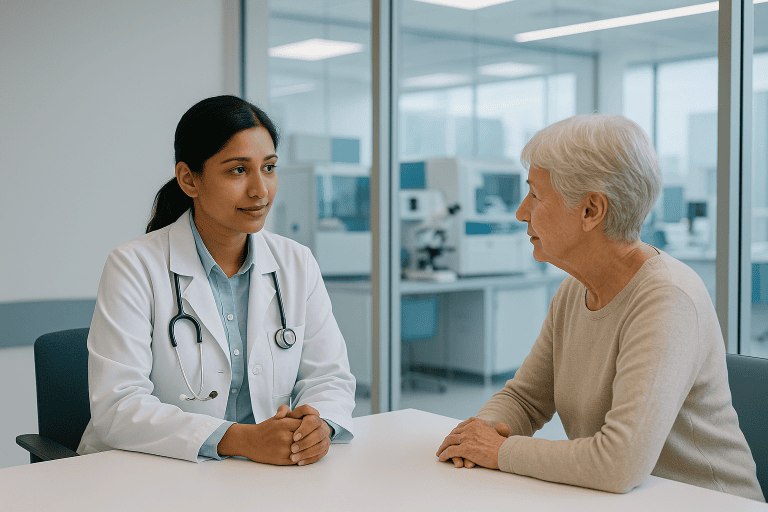
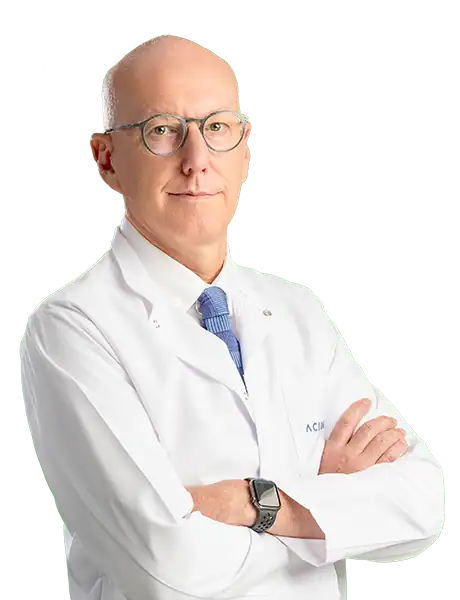
HIV care is typically led by specialists in infectious diseases. At Acibadem, this condition is managed by the Infectious Diseases Department, which coordinates testing, antiretroviral therapy, and long-term follow-up.
Living with hiv and aids / outlook
The outlook for people living with HIV has improved enormously. With early diagnosis and consistent antiretroviral therapy, many people maintain a strong immune system, never develop AIDS, and live long, active lives. Treatment does not remove the virus entirely, HIV remains in the body in a dormant form, so medication must be continued lifelong, and regular check-ups are needed to monitor viral load, CD4 count, and general health.
Practical points that often help people living with HIV include:
- Taking medication consistentlythis is the single most important factor in staying healthy.
- Attending regular follow-up visitsusually every few months at first, then often less frequently once the virus is well controlled.
- Healthy lifestyle habitsbalanced nutrition, regular physical activity, not smoking, and limiting alcohol support overall health and reduce the risk of heart disease and other long-term conditions, which can be somewhat more common in people with HIV.
- Mental health supporta diagnosis can bring anxiety, depression, or fear of stigma. Counseling and support groups can help, and your doctor may refer you to mental health services.
- Protecting partnersmaintaining an undetectable viral load prevents sexual transmission; condoms and partner testing add further protection, especially early in treatment.
- Family planningwith proper treatment, people with HIV can have children with a very low risk of passing on the virus; specialist guidance during pregnancy is important.
Honest prognosis language matters here: outcomes vary from person to person and depend on how early treatment starts, how consistently it is taken, and overall health. Untreated HIV usually progresses to AIDS and is ultimately life-threatening, whereas treated HIV is, in many cases, a manageable chronic condition.
Frequently asked questions
What is the difference between HIV and AIDS?
HIV is the virus that causes the infection, while AIDS is the most advanced stage of that infection, defined by severe immune system damage or the presence of certain serious illnesses. A person can live with HIV for decades without ever developing AIDS, particularly if they start antiretroviral therapy early and take it consistently.
Can HIV and AIDS be cured?
At present there is no widely available cure that completely removes HIV from the body. A very small number of exceptional cases have been reported after complex procedures performed for other medical reasons, but these are not standard treatments. What treatment can reliably do is suppress the virus to undetectable levels, protect the immune system, and allow many people to live near-normal life spans.
How serious is HIV today?
Untreated HIV remains a serious, life-threatening infection. However, with modern medication the situation is very different: in many cases HIV behaves like a manageable chronic condition, similar in some ways to diabetes or high blood pressure, requiring daily medication and regular medical follow-up rather than causing progressive illness.
What are the first hiv and aids symptoms?
The earliest symptoms, when they occur, usually appear two to four weeks after infection and resemble the flu: fever, sore throat, rash, swollen lymph nodes, muscle aches, and fatigue. Many people have no early symptoms at all, which is why testing after a possible exposure is the only dependable way to know your status.
How long can a person live with HIV?
Life expectancy varies with individual circumstances, but people who are diagnosed early, start antiretroviral therapy promptly, and take it consistently can often expect a life span close to that of people without HIV. Late diagnosis, interrupted treatment, and other health conditions can shorten this, which is why regular care matters.
Can someone with HIV have a relationship or children safely?
Yes, in many cases. A person on effective treatment with a sustained undetectable viral load does not transmit HIV to sexual partners. With specialist care during pregnancy and, where recommended, preventive medication, the risk of passing HIV to a baby can be reduced to very low levels. Your doctor can advise on the safest approach for your situation.
How is hiv and aids diagnosis confirmed?
Diagnosis is confirmed through blood tests, typically an antigen/antibody screening test followed by confirmatory laboratory testing. Because no test detects HIV immediately after exposure, your doctor may recommend repeat testing after the so-called window period. Once confirmed, additional tests measure the viral load and CD4 count to guide treatment.
When to see a doctor
Consider seeing a doctor for HIV testing if you have had a possible exposure, for example, unprotected sex with a partner whose status is unknown, a shared needle, or a needlestick injury, or if you simply have never been tested. Testing is quick, confidential, and the only way to know your status. Seek medical advice urgently, within 72 hours, after a high-risk exposure, because post-exposure prophylaxis may prevent infection if started promptly.
If you are living with HIV, contact your doctor promptly if you notice any of the following warning signs, which may signal an opportunistic infection or other complication:
- High or persistent fever that does not settle
- Difficulty breathing, shortness of breath, or a persistent cough
- Severe or prolonged diarrhea, especially with dehydration
- Rapid, unexplained weight loss
- Severe headache, stiff neck, confusion, or changes in vision
- New seizures, weakness, or difficulty speaking
- Painful swallowing or white patches in the mouth
- New skin lesions, unexplained bruising, or bleeding
- Drenching night sweats or persistently swollen lymph nodes
Anyone with severe symptoms such as difficulty breathing, sudden confusion, seizures, or signs of serious dehydration should seek emergency care without delay. Early attention to warning signs, together with consistent treatment and follow-up, gives people living with HIV the best chance of staying healthy over the long term.
Medically reviewed by the Acıbadem International Medical Board September 3, 2026
See our medical review board →
Update history
- PublishedJune 8, 2026
- Medical review approvedSeptember 3, 2026
- Last content updateSeptember 3, 2026
Treatments for This Condition
Care at Acibadem
Doctors Who Treat This Condition



Infectious Diseases & Clinical Microbiology
Prof. Cihadiye Elif Öztürk, MD


Infectious Diseases & Clinical Microbiology
Assoc. Prof. Aslıhan Demirel, MD

Infectious Diseases & Clinical Microbiology