Sinonasal Tumors
Sinonasal Tumors are growths in the nasal cavity or sinuses. Learn symptoms, causes, diagnosis and treatment options from specialists.
Quick answer
Sinonasal tumors are abnormal growths that develop in the nasal cavity or paranasal sinuses and may be benign or cancerous, often affecting breathing, smell, or causing nasal blockage and bleeding. Treatment depends on the tumor type, size, and extent, and at Acibadem in Turkey it may include imaging and biopsy for diagnosis followed by endoscopic surgery, open surgery, radiotherapy, chemotherapy…
Sinonasal tumors are abnormal growths that develop in the nasal cavity or the paranasal sinuses, the air-filled spaces around the nose and face. They may be benign or cancerous, and specialist assessment is important because early symptoms can resemble common sinus problems.
Overview
Sinonasal tumors are growths that form in the nasal cavity or paranasal sinuses. The nasal cavity is the space behind the nose, while the paranasal sinuses are air-filled cavities in the bones of the face and skull. Tumors in this area may be benign, meaning they do not invade nearby tissues or spread, or malignant, meaning they are cancerous and can grow into surrounding structures.
These tumors are considered uncommon compared with many other head and neck conditions. Their symptoms often overlap with chronic sinusitis, allergies or nasal polyps, so diagnosis may be delayed unless persistent or one-sided symptoms are investigated. The most important first step is a careful evaluation by an ear, nose and throat specialist, often called an ENT specialist or otolaryngologist.
Because the sinonasal area is close to the eyes, base of the skull, brain, facial nerves and major blood vessels, management requires detailed planning. Treatment is individualized according to the exact diagnosis, tumor location, stage, imaging findings, pathology results and the patient’s general health. Many patients benefit from coordinated care involving ENT surgery, radiology, pathology, oncology, radiation oncology and reconstructive or rehabilitation specialists.
Symptoms
Sinonasal tumor symptoms can be subtle at first and may feel similar to a blocked nose or sinus infection. A key clue is that symptoms are often persistent, progressive or mainly on one side. Benign and malignant tumors can cause similar symptoms, so medical assessment is needed to understand the cause.
Possible symptoms include one-sided nasal obstruction, repeated nosebleeds, blood-stained nasal discharge, facial pain or pressure, headaches, reduced sense of smell, postnasal drip or a visible lump inside the nose. Some people notice swelling of the cheek, numbness in the face or loosening of upper teeth when a tumor affects nearby facial bones or nerves.
If a tumor grows near the eye socket or skull base, symptoms may include double vision, bulging of the eye, changes in vision, tearing, difficulty moving the eye or persistent pain around the eye. These symptoms do not always mean cancer, but they should be assessed promptly by a qualified doctor because early investigation can guide appropriate treatment.
Causes & Risk Factors
The exact cause of many sinonasal tumors is not known. A tumor begins when cells in the lining, glands, nerves, soft tissues or bones of the nasal cavity and sinuses change and grow in an uncontrolled way. Different tumor types behave differently, and pathology testing is needed to identify the specific diagnosis.
Some risk factors are linked with a higher chance of developing certain sinonasal cancers. These may include long-term exposure to wood dust, leather dust, nickel compounds, chromium compounds, formaldehyde or other workplace inhaled substances. Smoking may increase the risk of some head and neck cancers, and certain viral infections, such as human papillomavirus in selected tumor types, may also play a role.
Risk does not mean certainty. Many people with risk factors never develop a sinonasal tumor, and some people with a tumor have no clear exposure history. A doctor may ask about work history, environmental exposures, smoking, previous radiation treatment, immune status and long-standing nasal conditions to build a complete picture.
- Occupational exposure to wood or leather dust may be relevant in some tumor types.
- Persistent unilateral nasal symptoms deserve medical review, even in people without known risk factors.
- Protective workplace measures and avoiding tobacco exposure support general head and neck health.
Diagnosis
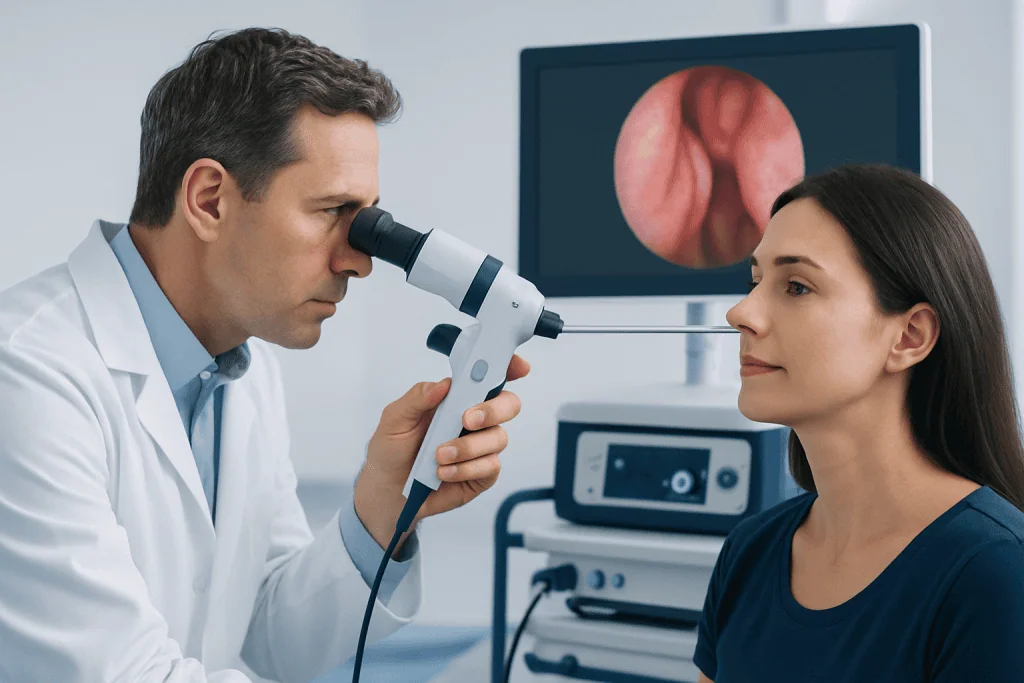
Diagnosis starts with a detailed medical history and physical examination. An ENT specialist may perform nasal endoscopy, a procedure that uses a thin camera to look inside the nasal cavity and sinus openings. This helps identify masses, bleeding areas, polyps, discharge or changes in the nasal lining.
Imaging is usually needed to understand the size and location of the tumor. CT scans show bone detail and sinus anatomy, while MRI helps evaluate soft tissues, the eye socket, nerves, skull base and possible extension beyond the sinuses. In selected cases, additional scans may be used to assess whether a malignant tumor has spread.
A biopsy is usually required to confirm the diagnosis. During a biopsy, a small tissue sample is removed and examined by a pathologist under a microscope. The pathology report identifies the tumor type and may include additional tests that help specialists choose the most appropriate treatment approach.
Accurate diagnosis often requires teamwork. Radiologists interpret detailed imaging, pathologists classify the tumor, and the treating team reviews the findings to determine whether the tumor is benign, locally aggressive or malignant. This step is essential because treatment varies widely between tumor types.
Treatment Options
Treatment for sinonasal tumors depends on whether the tumor is benign or malignant, its exact pathology, size, location, involvement of nearby structures and the patient’s overall health. The right approach is decided by a specialist team after complete assessment. Patients should not assume that all sinonasal tumors require the same treatment.
Surgery is a common treatment for many sinonasal tumors. Depending on the case, surgery may be performed through the nose using endoscopic techniques, through external approaches, or with a combination of methods. The goal may be to remove the tumor while protecting important functions such as breathing, vision, speech, swallowing, smell and appearance as much as possible.
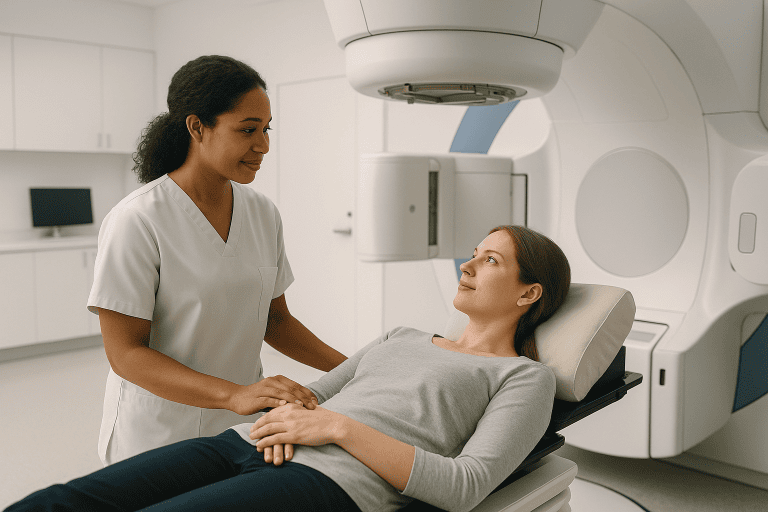
Radiotherapy may be recommended for some malignant tumors, either after surgery or as a main treatment in selected situations. Chemotherapy, targeted therapy or immunotherapy may be considered for certain cancer types, advanced disease or combined treatment plans. These treatments are chosen according to tumor biology, stage and the expected balance of benefits and side effects.
Supportive care is also important. Patients may need help with nasal crusting, sinus care, nutrition, dental health, speech or swallowing, eye symptoms, pain control or emotional wellbeing. Follow-up visits and imaging are commonly used to monitor healing, detect recurrence and manage late effects of treatment.
Living With / Prognosis
The outlook for sinonasal tumors varies widely. Benign tumors may often be controlled with surgery, although some can recur and need follow-up. Malignant tumors have a prognosis that depends on tumor type, grade, stage, location, completeness of treatment and response to therapy.
Living with a sinonasal tumor diagnosis can involve practical and emotional adjustments. Patients may need to attend several appointments, review imaging and biopsy results, discuss treatment choices and plan recovery time. Clear communication with the care team can help patients understand goals of treatment, possible side effects and expected follow-up.
After treatment, regular monitoring is important because the sinonasal area can be difficult to examine without endoscopy or imaging. Follow-up may include nasal endoscopy, scans, symptom review and management of treatment-related effects such as dryness, crusting, changes in smell or sinus infections. Rehabilitation and supportive therapies may improve comfort, function and quality of life.
For international patients, Acibadem International provides multidisciplinary evaluation and treatment for sinonasal tumors in JCI-accredited hospitals, with ENT, oncology, radiology and pathology specialists involved as needed. Decisions remain individualized and are based on medical assessment, evidence-based practice and patient preferences.
When to See a Doctor
A person should see a doctor if nasal or sinus symptoms persist despite usual care, especially when they affect only one side. Symptoms such as one-sided blockage, repeated nosebleeds, blood-stained discharge, facial swelling, facial numbness, persistent headache or a visible nasal mass should be assessed by an ENT specialist.
More urgent assessment is advised for changes in vision, double vision, eye swelling, severe facial pain, new weakness or numbness, or symptoms that rapidly worsen. These signs can occur for many reasons, but they may indicate involvement of structures near the sinuses and should not be ignored.
People with a history of significant occupational dust or chemical exposure, previous head and neck cancer, prior radiation treatment or immune system problems should mention this during consultation. Bringing previous scans, biopsy reports and treatment records can help the specialist make a more complete assessment.
Frequently asked questions
What are Sinonasal Tumors?
Sinonasal tumors are abnormal growths in the nasal cavity or paranasal sinuses. They can be benign or cancerous, and their behavior depends on the exact tumor type. A biopsy and imaging are usually needed to make a reliable diagnosis.
Are Sinonasal Tumors always cancer?
No. Some sinonasal tumors are benign, while others are malignant. Because symptoms can be similar, a specialist cannot determine the type by symptoms alone, so endoscopy, imaging and biopsy are often required.
What symptoms suggest a possible Sinonasal Tumor?
Common symptoms include one-sided nasal blockage, repeated nosebleeds, blood-stained discharge, facial pressure, reduced smell or a lump inside the nose. Symptoms that persist, worsen or occur mainly on one side should be checked by an ENT specialist.
How are Sinonasal Tumors diagnosed?
Diagnosis usually includes a medical history, nasal endoscopy and imaging such as CT or MRI. A biopsy is typically needed to confirm the tumor type. The results are reviewed by specialists to plan the most appropriate care.
What treatments are available for Sinonasal Tumors?
Treatment may include surgery, radiotherapy, chemotherapy or other systemic therapies, depending on the tumor type and stage. Benign tumors may need surgery and follow-up, while malignant tumors often require multidisciplinary planning. The treatment plan is decided by specialists after full assessment.
Can Sinonasal Tumors come back after treatment?
Some sinonasal tumors can recur, including certain benign and malignant types. Regular follow-up with endoscopy and imaging helps detect recurrence early and manage treatment effects. The follow-up schedule depends on the diagnosis and treatment received.
When should someone seek urgent medical advice?
Urgent assessment is recommended for vision changes, double vision, eye swelling, severe facial pain, rapidly worsening symptoms or new facial numbness. These symptoms do not always mean cancer, but they need prompt medical evaluation because the sinuses are close to the eyes, nerves and skull base.
This article is for general information only and is not a substitute for professional medical advice. Please consult a qualified doctor about your individual situation.
Medically reviewed by the Acıbadem International Medical Board June 20, 2026
See our medical review board →
Update history
- PublishedJune 8, 2026
- Medical review approvedJune 20, 2026
- Last content updateJune 12, 2026