

1 Month Tummy Pregnant: A Complete Clinical Guide for Patients

A true baby bump is uncommon at 1 month pregnant because the uterus is still very small. Fullness, tightness, or a slightly larger waist in early pregnancy is often due to bloating and constipation.
Key Takeaways
- A true baby bump is uncommon at 1 month pregnant because the uterus is still very small.
- Fullness, tightness, or a slightly larger waist in early pregnancy is often due to bloating and constipation.
- A missed period, positive pregnancy test, and symptoms such as breast tenderness or fatigue are more reliable early signs than belly size.
- Pelvic exam, blood tests, and ultrasound help confirm pregnancy timing and rule out complications.
- Severe pain, heavy bleeding, fainting, or one-sided pelvic pain needs prompt medical assessment.
At 1 month tummy pregnant, most people do not have a visible baby bump yet. Early abdominal changes are usually caused by bloating, fluid retention, bowel slowing, and normal hormonal changes rather than the size of the pregnancy itself.
Overview: what “1 month tummy pregnant” usually means
The phrase 1 month tummy pregnant usually refers to noticing belly changes very early in pregnancy, often around 4 weeks from the last menstrual period. In most cases, a visible baby bump is not yet expected at this stage. The uterus is still small and remains deep in the pelvis, so any change in the abdomen is more commonly related to bloating than to the pregnancy “showing.”
Hormonal changes begin soon after conception. Rising progesterone can slow digestion, increase gas, and contribute to constipation. This can make the lower abdomen feel fuller, tighter, or slightly rounder, even before the pregnancy is externally visible. Some people also become more aware of their body and clothing fit once they suspect pregnancy.
Early pregnancy can vary greatly from person to person. Someone who has been pregnant before, has abdominal muscle laxity, or is very sensitive to bloating may notice changes sooner than others. Even so, belly appearance alone cannot confirm pregnancy or estimate how far along it is.
When pregnancy is suspected, confirmation usually comes from a home urine test, a blood test, and sometimes ultrasound. If there is uncertainty about symptoms, especially pain or bleeding, a clinician may evaluate for other causes such as gastrointestinal issues or less common pregnancy-related concerns like ectopic pregnancy.
What the belly may look and feel like at 1 month pregnant
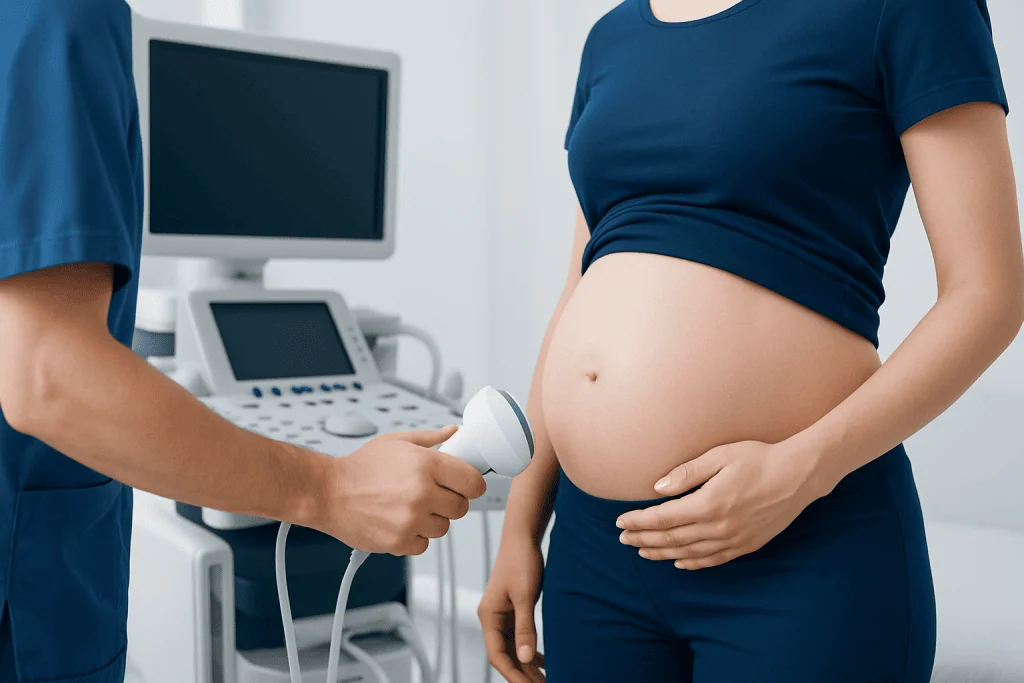
At 1 month pregnant, the belly often looks much the same as usual. Some people notice mild lower-abdominal puffiness, pressure, or a sensation that pants feel tighter by the end of the day. This is more often a digestive effect than a growth in the uterus large enough to create a true bump.
The abdomen may feel different even when it does not look different. Common descriptions include bloated, gassy, mildly crampy, or heavy in the lower pelvis. Mild uterine cramping can also occur as the body adapts to early pregnancy, and this can be confused with an upcoming menstrual period.
There are also normal reasons why there may be no belly change at all. In the first month, the embryo is still extremely small, and the uterus has only just started to enlarge. For many people, visible changes do not appear until the late first trimester or later.
A doctor may consider other explanations if abdominal enlargement seems rapid, marked, or painful. Digestive causes, ovarian cysts, uterine fibroids, or fluid retention may sometimes be involved. If the concern is persistent or confusing, a consultation and, when appropriate, ultrasound evaluation can help clarify the cause.
Other early signs and symptoms in the first month

In the first month of pregnancy, symptoms other than belly size are usually more useful clues. A missed period is often the earliest sign, though cycle length and timing can vary. Some people have light spotting around the time the embryo implants, but this is not the same as a normal menstrual flow.
Common early symptoms include breast tenderness, fatigue, nausea, heightened smell sensitivity, food aversions, frequent urination, and mood changes. Mild cramping and bloating are also common. However, some people have very few symptoms at 1 month, and that can still be completely normal.
Symptoms can overlap with premenstrual changes, which is why testing is important. A home pregnancy test becomes more reliable after a missed period, though exact timing depends on ovulation and the sensitivity of the test. If the result is negative but pregnancy is still possible, repeating the test in a few days may be advised.
- Typical early signs: missed period, breast soreness, fatigue, nausea
- Less specific signs: bloating, constipation, mild cramps, mood shifts
- Symptoms vary widely: some people feel many changes, others almost none
Why the stomach can feel bigger so early
The most common reason for a “pregnant tummy” at 1 month is bloating. Progesterone relaxes smooth muscle throughout the body, including in the digestive tract. As the intestines move more slowly, gas and stool can build up, creating fullness and a distended feeling.
Fluid retention can also contribute. Hormonal shifts affect how the body handles fluids and can lead to temporary puffiness. At the same time, appetite changes may cause irregular eating patterns that make bloating more noticeable. Carbonated drinks, high-salt foods, and low fiber intake can worsen these symptoms.
Constipation is another frequent factor. It may begin early in pregnancy and can make the lower abdomen look or feel enlarged. Gentle lifestyle measures such as hydration, walking, and fiber-rich foods often help, but any remedy should be discussed with a qualified clinician during pregnancy.
Less commonly, a person may think they are pregnant because of abdominal changes when another condition is present, such as ovarian cysts, fibroids, or a digestive disorder. If pregnancy tests are unclear, or symptoms are unusual, doctors may evaluate alternative causes and also rule out ovarian cyst or other gynecologic conditions.
How doctors confirm pregnancy and assess early symptoms
If someone wonders whether a larger or tighter abdomen means pregnancy, the first step is usually a pregnancy test. Urine tests detect human chorionic gonadotropin (hCG), a hormone produced in pregnancy. Blood tests can detect hCG earlier and more precisely when the timing is uncertain or when symptoms need closer assessment.
A clinician will also ask about the menstrual cycle, pelvic pain, bleeding, nausea, previous pregnancies, contraception, and any history of miscarriage or ectopic pregnancy. This history helps estimate gestational age and identify symptoms that may need urgent attention.
Ultrasound is not always necessary at 1 month if there are no concerning symptoms, but it may be used when dates are uncertain, pain or bleeding is present, or a doctor wants to confirm the location of the pregnancy. In some cases, a very early scan may not yet show all expected findings, so repeat assessment may be recommended.
Care may include review by an obstetrician or early pregnancy specialist. Where needed, broader evaluation can involve gynecologic assessment and follow-up testing. The goal is not only to confirm pregnancy, but also to check that symptoms fit a healthy early course and to identify any concerns promptly.
Care, comfort, and self-care in the first month
For most people, early abdominal fullness in pregnancy is managed with simple supportive care. Eating smaller meals, staying well hydrated, and choosing fiber-rich foods may reduce bloating and constipation. Gentle daily activity, such as walking, can also support digestion and overall comfort.
It is generally recommended to begin or continue a prenatal vitamin with folic acid if pregnancy is confirmed or likely. Avoiding alcohol, smoking, and recreational drugs is important, and medications should only be used after checking with a qualified clinician. Not every over-the-counter remedy for gas, constipation, or nausea is appropriate in pregnancy.
Rest can help with fatigue, and loose clothing may feel more comfortable if the abdomen is sensitive or bloated. If nausea begins, small frequent snacks and bland foods may be easier to tolerate. Recording symptoms, bleeding, and test results can also be helpful for medical appointments.
Once pregnancy is confirmed, routine prenatal care should begin. This may include blood work, review of medical history, and discussion of nutrition, exercise, supplements, and warning signs. If additional support is needed, doctors may coordinate care with fertility and reproductive medicine specialists for patients with complex histories or conception-related concerns.
When to seek medical care
Most first-month abdominal changes are harmless, but some symptoms should not be ignored. Prompt medical assessment is important if there is heavy vaginal bleeding, severe or worsening abdominal or pelvic pain, fainting, shoulder pain, fever, or dizziness. These symptoms can point to a complication that needs timely care.
One-sided pelvic pain with bleeding is especially important because it may be a sign of an ectopic pregnancy. Persistent vomiting, signs of dehydration, or inability to keep fluids down also deserve medical advice. Even if symptoms seem mild, it is reasonable to contact a doctor if something feels unusual or concerning.
A person should also seek care if pregnancy tests are positive but symptoms do not match expectations, if there is uncertainty about the pregnancy timeline, or if there is a history of miscarriage, ectopic pregnancy, or major medical conditions. Early review can provide reassurance and help organize safe follow-up.
Acibadem International’s multidisciplinary specialists and JCI-accredited hospitals diagnose and treat early pregnancy concerns for international patients, including assessment with women’s health check-up services when appropriate.
Frequently asked questions
Can someone have a visible baby bump at 1 month pregnant?
Usually not. At 1 month pregnant, the uterus is still very small and remains in the pelvis, so a true baby bump is uncommon. A fuller-looking stomach at this stage is more often caused by bloating, gas, or constipation.
Why does the stomach feel hard or tight in early pregnancy?
A tight or firm feeling can happen because of bloating, bowel gas, or mild uterine cramping. Hormonal changes slow digestion, which can make the abdomen feel more swollen by the end of the day. If the tightness is severe or painful, medical advice is important.
Is bloating normal at 1 month pregnant?
Yes, bloating is very common in the first month of pregnancy. Progesterone slows the digestive tract, which can lead to gas, constipation, and a feeling of fullness. This can happen even before any visible pregnancy bump develops.
How can pregnancy be confirmed if the belly looks bigger?
Belly size alone cannot confirm pregnancy. The usual first step is a home pregnancy test, followed by a blood test or ultrasound if needed. A doctor may also review symptoms, menstrual dates, and any pain or bleeding.
What symptoms are more reliable than belly size in the first month?
A missed period, positive pregnancy test, breast tenderness, fatigue, nausea, and frequent urination are usually more helpful signs. Some people also notice mild cramps or light spotting. Still, symptoms vary, and some may have very few signs early on.
When should early pregnancy belly symptoms be checked by a doctor?
Medical care should be sought promptly for heavy bleeding, severe pelvic pain, fainting, shoulder pain, fever, or significant dizziness. These symptoms may suggest a complication such as ectopic pregnancy or another urgent problem. Ongoing uncertainty about symptoms or dating also deserves professional evaluation.
References
- American College of Obstetricians and Gynecologists
- National Health Service
- Mayo Clinic
- Office on Women's Health
- World Health Organization
This article is for general information only and is not a substitute for professional medical advice. Please consult a qualified doctor about your individual situation.
Persistent digestive symptoms? Get evaluated in Turkey
JCI-accredited · board-certified surgeons · reply within 24h
Add us as a Preferred Source to see more of our trusted health content across Google Search, AI Overviews and Discover.
Check your numbers in seconds
BMI, calories, due date, blood pressure and 30+ more clinical calculators — free, instant, doctor-reviewed ranges.

More from the Health Library



Related Specialists

Assoc. Prof. Dr. Murat Sezer
Pulmonary Medicine
Dt. Emin Gökalp Baş
Oral & Dental Health
Dr. Özge Karaosmanoğlu
Gynecology & Obstetrics
Dr. Nadire Sevda İdil
Gynecology & Obstetrics