10 Weeks Pregnant: Symptoms, Baby Development, and What to Expect

At 10 weeks pregnant, the embryo is now called a fetus and major early structures are continuing to develop. Common symptoms include nausea, fatigue, breast tenderness, bloating, and frequent urination.
Key Takeaways
- At 10 weeks pregnant, the embryo is now called a fetus and major early structures are continuing to develop.
- Common symptoms include nausea, fatigue, breast tenderness, bloating, and frequent urination.
- Prenatal visits, healthy eating, hydration, and prenatal vitamins remain important during this week.
- Mild cramping and light discomfort can be normal, but heavy bleeding, severe pain, or signs of dehydration need medical advice.
- A simple week-10 checklist can help with appointments, symptom tracking, and daily self-care.
At 10 weeks pregnant, the baby is developing rapidly and many early pregnancy symptoms are still present, although their intensity can vary from person to person. This stage often brings a mix of physical changes, routine prenatal planning, and questions about what is normal in week 10.
Overview: what 10 weeks pregnant usually feels like
At 10 weeks pregnant, the pregnancy is nearing the end of the first trimester, and many people are still adjusting to the physical and emotional changes of early pregnancy. The baby is growing quickly, internal organs are developing further, and the uterus is continuing to expand. Although a visible bump may not be obvious yet, the body is already working hard to support pregnancy.
This week is often marked by ongoing symptoms such as nausea, tiredness, breast tenderness, and bloating. Some people feel very pregnant by now, while others have only mild symptoms. Both experiences can be normal. Pregnancy does not follow the same pattern for everyone, and symptom intensity does not always reflect how healthy the pregnancy is.
Week 10 is also a practical stage of pregnancy. Many people are arranging prenatal appointments, discussing screening tests, and focusing on daily habits that support maternal and fetal health. Understanding what is common at this point can make the experience feel more manageable and less uncertain.
Symptoms this week
Common 10 weeks pregnant symptoms are mostly related to hormonal changes. Nausea or vomiting may still be present, especially in the morning, but symptoms can occur at any time of day. Fatigue is also common because the body is using extra energy to support the pregnancy. Breast tenderness, a stronger sense of smell, food aversions, and mood changes may continue as well.
Bloating, constipation, and heartburn can begin or become more noticeable around this stage. Rising progesterone levels can slow digestion, which may lead to a feeling of fullness or discomfort after eating. Frequent urination is also common because of hormonal shifts and increased blood flow to the kidneys and pelvic area.
Some people notice mild cramping, round pelvic heaviness, or a little vaginal discharge. Light, milky discharge without a strong odor is often normal in pregnancy. However, symptoms should always be discussed with a doctor if they are severe, sudden, or accompanied by fever, heavy bleeding, or strong pain.
- Nausea or vomiting
- Fatigue
- Breast tenderness
- Bloating or constipation
- Frequent urination
- Food cravings or aversions
- Mood changes
- Light vaginal discharge
Baby development at 10 weeks

At 10 weeks pregnant, the baby is now medically called a fetus rather than an embryo. This is an important developmental milestone. Major body systems have started forming, and the fetus is continuing to grow and refine these early structures. The head is still proportionally large, but the shape of the body is becoming more distinct.
By this week, the fetus is about the size of a small strawberry. Early facial features are developing, and the arms and legs are becoming more defined. Tiny fingers and toes are present, though still small and delicate. Internal organs such as the brain, heart, liver, and kidneys are continuing to mature, even though they are not fully developed yet.
The heart has been beating, and early movements may be happening, although they are still too small for the pregnant person to feel. Bones and cartilage are forming, and tooth buds are beginning to develop beneath the gums. During this stage, growth and organ development are especially sensitive to overall maternal health, which is why regular prenatal care and avoidance of harmful substances are so important.
Body changes in the pregnant person
Even if the abdomen does not look very different yet, the body is changing in many ways at 10 weeks. The uterus is enlarging, blood volume is increasing, and hormones are affecting digestion, energy levels, and emotional balance. Clothes may feel tighter around the waist because of bloating rather than a true baby bump.
Breasts may feel fuller, heavier, or more sensitive. The areolas can darken, and veins may become more visible because of increased blood flow. Some people notice headaches, dizziness, or feeling warmer than usual. Staying hydrated, eating regularly, and standing up slowly can help reduce some of these effects.
Emotionally, this period can feel mixed. Excitement often comes with worry, especially while waiting for appointments or test results. If anxiety is becoming hard to manage, it is reasonable to bring this up during prenatal care. Support for emotional well-being is an important part of healthy pregnancy care, just like physical monitoring.
Checklist: what to do at 10 weeks pregnant
A useful way to approach week 10 is to focus on routine, manageable steps rather than trying to do everything at once. If prenatal care has already started, this is a good time to review upcoming appointments and ask about any blood tests, ultrasound timing, or first-trimester screening options. If care has not started yet, scheduling a visit should be a priority.
Daily habits still matter. A prenatal vitamin with folic acid is typically recommended throughout early pregnancy, and balanced meals can help support both energy and development. Small, frequent meals may be easier to tolerate if nausea is present. Avoiding alcohol, smoking, and non-prescribed drugs remains essential, and any medications or supplements should be reviewed with a doctor.
A practical week-10 checklist may include the following:
- Schedule or attend a prenatal visit
- Take prenatal vitamins consistently
- Drink enough fluids and eat regular meals
- Track symptoms such as nausea, bleeding, or pain
- Ask about screening tests if interested
- Review safe exercise and activity levels with a clinician
- Discuss preexisting conditions or past pregnancy history
If there are ongoing concerns such as significant nausea, bleeding, or pelvic pain, doctors may evaluate for pregnancy-related conditions and, when needed, investigate concerns such as ectopic pregnancy or other early complications. Diagnostic support may include blood work and ultrasound to confirm how the pregnancy is progressing.
Prenatal care, diagnosis, and monitoring
Prenatal care at 10 weeks pregnant is centered on confirming healthy progress, reviewing symptoms, and identifying any medical needs early. A clinician usually asks about the first day of the last menstrual period, current symptoms, past pregnancies, medications, and personal or family health history. Blood pressure, weight, and general health are also commonly reviewed.
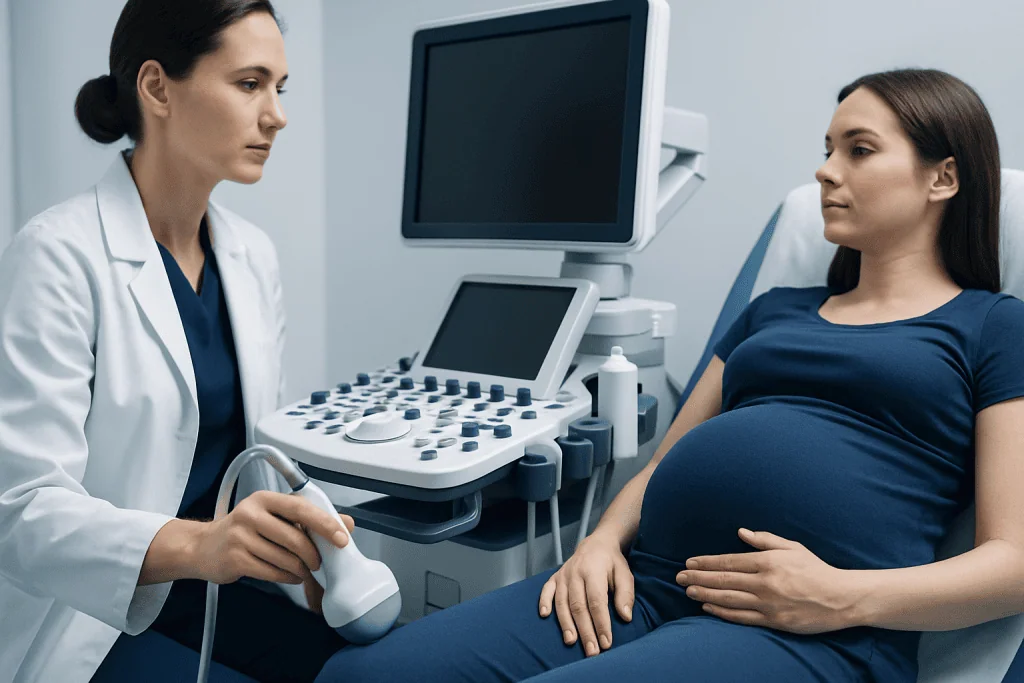
Depending on timing, prenatal blood tests may assess blood type, anemia, infections, and other routine health markers. Some people may also discuss screening options for chromosomal conditions during the first trimester. An ultrasound may be used to confirm dating, check fetal development, and look for the heartbeat if it has not already been seen.
People with chronic conditions such as thyroid disease, diabetes, or high blood pressure may need closer monitoring. Pregnancy can change how some conditions are managed, so treatment plans may need adjustment. If there is bleeding, pain, or uncertainty about pregnancy location or viability, doctors may recommend further evaluation and occasionally care from specialists in obstetrics and gynecology.
Self-care and healthy habits during week 10
Self-care at 10 weeks pregnant does not need to be complicated. Simple measures can make day-to-day symptoms easier to manage. Rest is important, especially when fatigue is strong. Gentle physical activity such as walking may help with mood, circulation, and constipation, as long as a doctor has not advised otherwise.
For nausea, many people find that eating a small snack before getting out of bed, avoiding strong smells, or choosing plain foods is helpful. Constipation can improve with fluids, fiber-rich foods, and regular movement. It is usually best not to start over-the-counter remedies without checking with a healthcare professional first, because not every product is recommended in pregnancy.
Limiting infection risks and avoiding substances that may affect fetal development are also part of self-care. This includes careful food hygiene, avoiding raw or undercooked foods that a clinician has advised against, and discussing travel, exercise, and work exposures if relevant. Near the start of pregnancy, some people may also need added support for conditions such as severe pregnancy nausea if vomiting is persistent and daily functioning is affected.
For international patients who need coordinated pregnancy assessment, Acibadem International’s multidisciplinary specialists and JCI-accredited hospitals provide diagnosis and treatment support, including pregnancy follow-up when appropriate.
When to seek medical care
Many symptoms in early pregnancy are uncomfortable but not dangerous. Still, some signs should not be ignored. Medical advice is important if there is heavy vaginal bleeding, severe or one-sided abdominal pain, fainting, fever, painful urination, or vomiting that prevents fluids from staying down. These symptoms do not always mean something serious, but they do need assessment.
It is also a good idea to contact a doctor if there is sudden swelling, persistent severe headache, unusual discharge with a bad odor, or symptoms that feel clearly different from the usual pattern. Trusting changes in the body is important during pregnancy. A prompt call can help determine whether reassurance, an office visit, or urgent evaluation is needed.
When in doubt, it is safer to ask. Early communication with a qualified healthcare professional can help protect both maternal health and fetal development, especially during the first trimester when many key changes are happening quickly.
Frequently asked questions
Is it normal to still feel very nauseous at 10 weeks pregnant?
Yes. Nausea often continues through the first trimester, and some people feel it more strongly around weeks 9 to 10. If vomiting becomes severe or makes it hard to drink fluids, medical advice is important.
How big is the baby at 10 weeks pregnant?
At 10 weeks, the baby is often compared to a small strawberry. Although still very small, major body structures have formed and are continuing to develop quickly.
Can there be a baby bump at 10 weeks pregnant?
Some people notice a slight change in their waistline by this stage, but it is often caused more by bloating than by the uterus showing clearly. A visible bump usually becomes more noticeable later, though this varies from person to person.
Are mild cramps normal at 10 weeks pregnant?
Mild cramping can be normal as the uterus grows and the body adjusts to pregnancy. However, severe pain, one-sided pain, or cramping with heavy bleeding should be assessed by a doctor.
What should be avoided at 10 weeks pregnant?
Alcohol, smoking, recreational drugs, and medications that have not been approved by a doctor should be avoided. It is also sensible to follow medical advice about food safety, supplements, and environmental exposures.
Is it too early for prenatal testing at 10 weeks?
No. This is a common time to discuss or begin routine prenatal blood tests and first-trimester screening options. The exact timing depends on the person’s medical history, location, and care plan.
References
- World Health Organization
- American College of Obstetricians and Gynecologists
- National Health Service
- Centers for Disease Control and Prevention
- March of Dimes
This article is for general information only and is not a substitute for professional medical advice. Please consult a qualified doctor about your individual situation.
Explore treatments in Turkey — costs, top hospitals & a free quote
JCI-accredited · board-certified surgeons · reply within 24h
Add us as a Preferred Source to see more of our trusted health content across Google Search, AI Overviews and Discover.