10 Weeks Pregnant: What Is Normal, What Is Not, and When to Seek Care

At 10 weeks pregnant, nausea, fatigue, breast tenderness, and frequent urination are often normal. Mild cramping can happen as the uterus grows, but strong or one-sided pain is a warning sign.
Key Takeaways
- At 10 weeks pregnant, nausea, fatigue, breast tenderness, and frequent urination are often normal.
- Mild cramping can happen as the uterus grows, but strong or one-sided pain is a warning sign.
- Heavy bleeding, fever, fainting, severe vomiting, or fluid loss require medical attention.
- A prenatal visit around this time often includes history, exam, lab tests, and sometimes an ultrasound.
- Healthy self-care includes hydration, prenatal vitamins with folic acid, rest, and avoiding alcohol, smoking, and unsafe medicines.
At 10 weeks pregnant, many changes such as nausea, tiredness, bloating, and breast tenderness are common and usually expected. Symptoms like heavy bleeding, severe one-sided pain, fainting, fever, or signs of dehydration are not considered normal and should be assessed by a doctor promptly.
What is usually normal at 10 weeks pregnant?
At 10 weeks pregnant, it is normal for many people to feel very different from their usual selves. Hormone levels are changing quickly, the uterus is growing, and the body is working harder to support the pregnancy. Common experiences at this stage include nausea, food aversions, fatigue, bloating, mild cramping, breast tenderness, mood changes, constipation, and needing to urinate more often.
Symptoms can vary widely from one person to another. Some may have strong morning sickness, while others have very few symptoms. Neither pattern automatically means something is wrong. Pregnancy symptoms can also change from day to day, and mild fluctuations are usually expected.
At the same time, some symptoms are not considered routine in early pregnancy. Heavy vaginal bleeding, severe abdominal pain, fainting, fever, and persistent vomiting that prevents fluid intake should not be ignored. Understanding the difference between common discomforts and warning signs can help a pregnant person know when reassurance is enough and when medical care is needed.
How the body and baby are changing
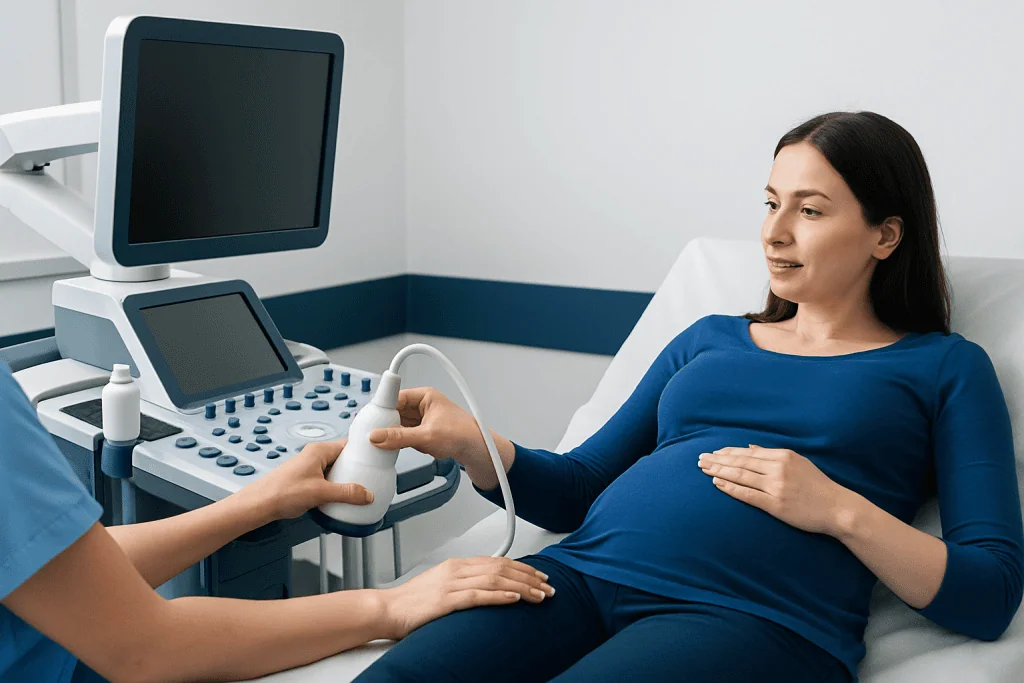
By 10 weeks pregnant, the embryo is now called a fetus. Major early structures have formed, and the fetus continues rapid development. The head is still relatively large, facial features become more defined, and small limb movements may begin, although these are not usually felt by the pregnant person at this stage.
The uterus is also enlarging, even if there is little outward change in abdominal size. Some people notice that their clothes feel tighter because of bloating rather than a visible baby bump. Hormonal changes can slow digestion, which contributes to gas, constipation, and a feeling of fullness.
Physical changes in the breasts are also common. They may feel fuller, tender, or heavier as milk-producing tissue develops. Increased blood flow can make veins more visible. These changes are a normal part of pregnancy preparation and often continue over the first trimester.
Common symptoms at 10 weeks pregnant
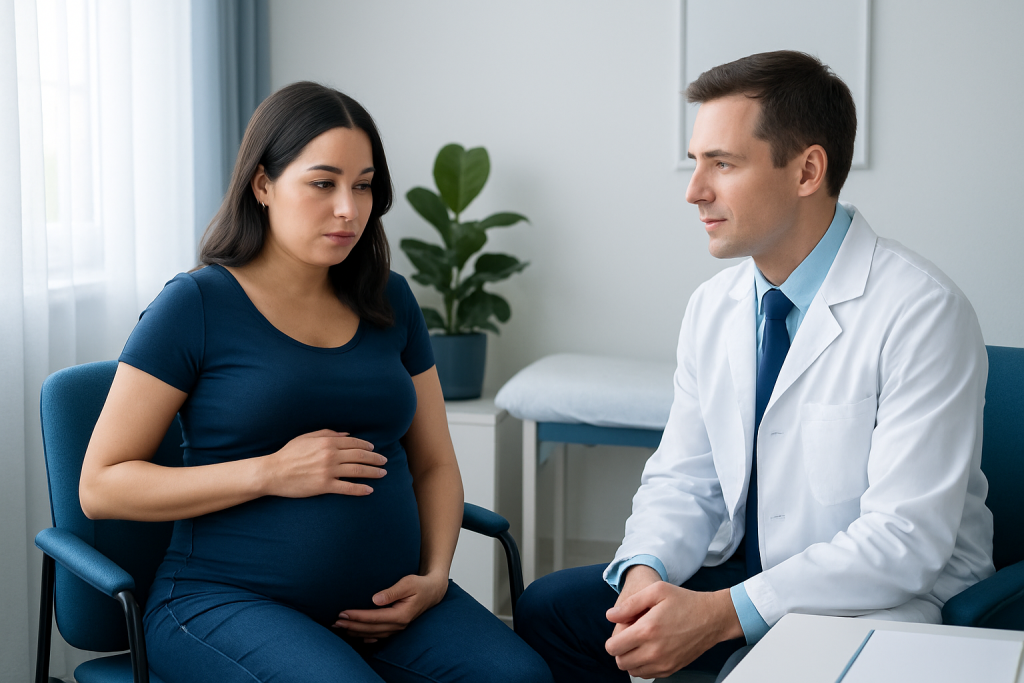
Many first-trimester symptoms are strongest around this time. Nausea and vomiting are especially common and may occur at any time of day, not only in the morning. Fatigue can also be intense because the body is adapting to major hormonal and metabolic demands. Resting more than usual is often necessary.
Other typical symptoms include:
- Breast tenderness or fullness
- Frequent urination
- Mild pelvic pressure or light cramping
- Bloating, gas, or constipation
- Food cravings or food aversions
- Heightened sense of smell
- Mood swings or emotional sensitivity
- Increased vaginal discharge that is mild, clear, or milky
Some people also notice headaches or light dizziness. These can happen with hormonal shifts, low blood sugar, dehydration, or getting up too quickly. Small, regular meals, fluids, and slow position changes may help. If symptoms become severe or unusual, a clinician should review them.
Early pregnancy can also bring uncertainty because symptoms do not always follow a pattern. A person who suddenly feels less nauseated may worry, but symptom changes alone do not always indicate a problem. Concerns are best discussed during prenatal care, especially if the change happens together with bleeding or pain.
What is not normal: warning signs to watch for
While many discomforts are expected at 10 weeks pregnant, certain symptoms should be treated as warning signs. Heavy vaginal bleeding, especially if it soaks a pad or is accompanied by clots, is not considered normal. Severe or worsening abdominal pain, especially on one side, also needs urgent assessment because it can signal a serious condition such as ectopic pregnancy or another complication.
Persistent vomiting that prevents eating or drinking can lead to dehydration. This may be a sign of severe pregnancy-related nausea, sometimes called hyperemesis gravidarum. People with very dark urine, dizziness, inability to keep fluids down, or signs of weakness may need medical care and, in some cases, intravenous fluids and supportive treatment.
Other symptoms that should not be ignored include fever, chills, painful urination, foul-smelling vaginal discharge, fainting, shoulder pain, or fluid leaking from the vagina. These symptoms may point to infection, dehydration, or other urgent problems. Any symptom that feels severe, rapidly worsening, or simply concerning deserves professional advice.
Light spotting can occur in some pregnancies, but it should still be mentioned to a doctor or midwife. Spotting is different from a normal period. If there is uncertainty about whether bleeding is mild or heavy, it is safest to seek medical guidance promptly.
Why symptoms happen and who may feel them more strongly
Most symptoms at 10 weeks pregnant are related to normal pregnancy hormones, especially human chorionic gonadotropin, progesterone, and estrogen. These hormones support the pregnancy but can affect digestion, appetite, sleep, mood, and circulation. Increased blood volume and changes in blood sugar regulation can also contribute to dizziness and tiredness.
Some people are more likely to have stronger symptoms than others. A history of nausea in previous pregnancies, motion sickness, migraines, or carrying more than one fetus may make nausea more likely. Constipation may be more noticeable in people who are less active, not drinking enough water, or taking iron-containing supplements, although iron is often important and should not be stopped without medical advice.
Certain medical conditions can complicate early pregnancy and deserve closer monitoring. Thyroid disorders, diabetes, high blood pressure, and a history of miscarriage or ectopic pregnancy may affect how care is planned. People with significant pelvic pain or unusual bleeding may need evaluation for conditions related to early pregnancy loss, including miscarriage.
Prenatal checkups, tests, and ultrasound at this stage
A prenatal appointment around 10 weeks pregnant often focuses on confirming that the pregnancy is progressing normally and identifying any risks early. The clinician usually reviews medical history, past pregnancies, medicines, allergies, and lifestyle factors such as smoking or alcohol use. Weight, blood pressure, and general health are also checked.
Routine lab tests may include blood type, Rh status, complete blood count, and screening for infections. Urine testing is commonly done to look for infection, sugar, or protein. Depending on the individual situation, screening for genetic conditions may also be discussed.
An ultrasound may be performed to confirm the pregnancy location, estimate gestational age, check for fetal heartbeat, and assess whether there is one fetus or more. If there is pain or bleeding, ultrasound imaging can be particularly helpful in clarifying the cause. Dating by ultrasound can be useful when menstrual dates are uncertain or cycles are irregular.
These appointments are also an important time to ask questions about symptoms, work, travel, exercise, nutrition, and sexual activity. Good prenatal care is not only about tests; it also helps a person understand what is expected and what needs attention.
Self-care that may help at 10 weeks pregnant
Practical self-care can ease many early pregnancy symptoms. Eating small, frequent meals may help with nausea and prevent long periods without food. Bland foods, crackers, toast, rice, yogurt, or soup are often easier to tolerate. Drinking fluids regularly through the day is important, especially if vomiting is present.
Rest matters because fatigue is common in the first trimester. Gentle activity such as walking may improve energy, mood, and digestion if approved by a clinician. For constipation, water, fiber-rich foods, and light movement often help. Prenatal vitamins should be taken as advised, especially those containing folic acid, but if a vitamin worsens nausea, the prescribing clinician can suggest alternatives.
It is also important to avoid alcohol, smoking, recreational drugs, and medicines not approved by a healthcare professional. Certain infections and fever in pregnancy may need medical review. If symptoms are interfering with daily life, supportive therapies may be recommended, including regular pregnancy follow-up and symptom management plans tailored to the individual.
Near the end of the first trimester, some people start thinking ahead about later pregnancy care. If there are specific concerns such as fertility history or the need for advanced obstetric planning, multidisciplinary services may sometimes be involved, including fertility and reproductive medicine support when relevant to the overall pregnancy journey.
When to seek medical care
Medical advice should be sought promptly if there is heavy vaginal bleeding, severe abdominal or pelvic pain, one-sided pain, shoulder pain, fainting, fever, or signs of dehydration. Care is also needed if vomiting is persistent, urine becomes very dark, there is burning with urination, or vaginal discharge becomes foul-smelling. These symptoms may need urgent evaluation rather than waiting for the next routine visit.
For milder issues, such as manageable nausea, constipation, fatigue, or occasional mild cramps, discussing them at a prenatal appointment is usually appropriate. Still, if a symptom feels unusual for that person, causes significant worry, or changes suddenly, contacting a doctor or midwife is reasonable. Early reassurance and treatment can improve comfort and safety.
People receiving care across borders may value coordinated services. Acibadem International’s multidisciplinary specialists and JCI-accredited hospitals diagnose and treat pregnancy-related concerns for international patients, with evaluation guided by obstetrics, imaging, and laboratory teams as needed.
Frequently asked questions
Is cramping normal at 10 weeks pregnant?
Mild cramping can be normal because the uterus is growing and ligaments are stretching. However, strong, persistent, or one-sided pain is not typical and should be checked by a doctor, especially if it happens with bleeding or dizziness.
Can pregnancy symptoms decrease at 10 weeks?
Yes, symptoms can change from day to day, and some people notice that nausea or breast tenderness becomes milder. A decrease in symptoms alone does not always mean there is a problem, but concerns should be discussed with a prenatal care professional.
Is spotting normal at 10 weeks pregnant?
Light spotting can happen in early pregnancy, but it is not something to ignore. Any spotting should be reported to a doctor or midwife, and heavy bleeding or bleeding with pain needs urgent medical review.
What should someone eat if nausea is severe at 10 weeks pregnant?
Small, frequent meals and bland foods are often easier to tolerate than large meals. Sipping water regularly can help prevent dehydration, and medical advice is important if vomiting makes it hard to keep food or fluids down.
Is it normal not to have a baby bump at 10 weeks pregnant?
Yes, many people do not show much at 10 weeks pregnant. The uterus is still relatively small, and bloating may be more noticeable than a true bump at this stage.
What happens at a 10-week prenatal visit?
A prenatal visit may include a review of symptoms, medical history, blood pressure, weight, urine tests, and blood work. An ultrasound may also be done to confirm dating, check the pregnancy location, and assess fetal development.
References
- American College of Obstetricians and Gynecologists
- National Health Service
- Mayo Clinic
- Centers for Disease Control and Prevention
- World Health Organization
This article is for general information only and is not a substitute for professional medical advice. Please consult a qualified doctor about your individual situation.
Persistent digestive symptoms? Get evaluated in Turkey
JCI-accredited · board-certified surgeons · reply within 24h
Add us as a Preferred Source to see more of our trusted health content across Google Search, AI Overviews and Discover.