18 Weeks Pregnant: Symptoms, Baby Development, and What to Expect

At 18 weeks pregnant, mild stretching pain, back discomfort, and increased appetite can be common. The baby is developing hearing, facial movements, and stronger bones, and is often about the size of a sweet potato.
Key Takeaways
- At 18 weeks pregnant, mild stretching pain, back discomfort, and increased appetite can be common.
- The baby is developing hearing, facial movements, and stronger bones, and is often about the size of a sweet potato.
- Body changes this week may include a more visible bump, skin changes, and shifts in balance and posture.
- Regular prenatal care remains important, including the mid-pregnancy anatomy scan if it is scheduled around this time.
- Urgent symptoms such as heavy bleeding, severe pain, fluid leakage, or signs of infection should be assessed by a doctor.
At 18 weeks pregnant, many people begin to feel more clearly pregnant, with a growing abdomen, changing posture, and possibly the first noticeable fetal movements. This stage is usually part of the second trimester, when energy may improve, but new physical symptoms and routine prenatal checks continue.
Overview: what 18 weeks pregnant usually feels like
At 18 weeks pregnant, many people notice that pregnancy feels more real physically and emotionally. The uterus is continuing to expand, the abdomen is becoming more visible, and everyday sensations may include stretching, pressure, or fluttering movements that could be the baby moving for the first time. For some, this week also brings a welcome return of energy compared with the first trimester.
This stage is still considered the second trimester, a period often associated with steady growth for both parent and baby. Although many symptoms are normal, experiences can vary widely. Some people feel quite comfortable at 18 weeks, while others may have back pain, nasal congestion, heartburn, or trouble sleeping.
Routine prenatal care remains an important part of a healthy pregnancy at this point. A detailed ultrasound, often called the anatomy scan, may be planned around this stage depending on the pregnancy timeline and local practice. This visit helps assess fetal growth and development and gives the care team a chance to discuss symptoms, lifestyle, and any concerns.
Symptoms this week
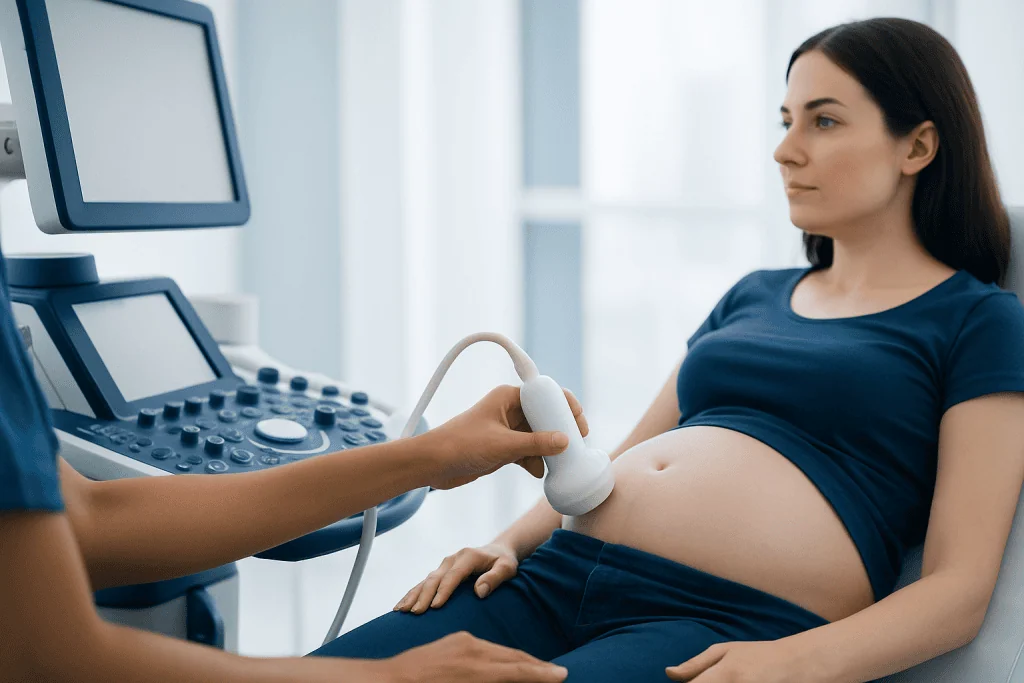
Common 18 weeks pregnant symptoms are often related to the growing uterus and hormonal changes. One of the most talked-about changes is feeling fetal movement, often described as flutters, taps, bubbles, or gentle rolling. First-time parents may not recognize movement right away, while those who have been pregnant before may notice it earlier.
Other symptoms can include round ligament pain, which is a brief sharp or pulling discomfort in the lower abdomen or groin as the ligaments supporting the uterus stretch. Backache, mild swelling, leg cramps, constipation, and heartburn can also occur. Some people also notice dizziness if they stand up too quickly, because blood pressure and circulation can shift during pregnancy.
Skin and mucus membrane changes are also common. The skin may become more sensitive, and a dark line down the abdomen, known as the linea nigra, may become more visible. Nasal stuffiness or occasional nosebleeds can happen because pregnancy increases blood flow to the mucous membranes. These changes are often bothersome but not dangerous.
- Possible first fetal movements
- Round ligament pain or lower abdominal pulling
- Back discomfort and posture changes
- Heartburn, bloating, or constipation
- Nasal congestion or mild nosebleeds
- Skin darkening or itching as the belly grows
Baby development at 18 weeks

At 18 weeks pregnant, the baby is growing quickly and is often compared in size to a sweet potato. Exact measurements vary, but the baby is becoming longer, more proportionate, and more active. Muscles and nerves are continuing to coordinate, which is why movements may become stronger and easier to feel over time.
Important developmental changes are happening this week. The ears are positioned more fully on the sides of the head, and the baby may begin to hear sounds, including the pregnant person’s heartbeat and voice. Facial expressions are becoming more refined, and the baby may move the mouth or swallow. Bones continue to harden, and a protective coating called vernix will develop further as pregnancy progresses.
The anatomy scan, often performed around this time, may allow the doctor to look at the baby’s brain, spine, heart, stomach, kidneys, limbs, and placenta. It is a structural check rather than a guarantee about all aspects of health, but it is a valuable part of prenatal care. If questions arise during imaging, the care team may recommend additional follow-up or ultrasound evaluation.
Body changes at 18 weeks
The body continues adapting to support the pregnancy. The uterus is now large enough to affect posture and the center of gravity, which can make walking or standing feel slightly different. Some people notice more lower back strain, especially after long periods on their feet. Wearing supportive shoes, changing positions regularly, and using pillows during sleep may help reduce discomfort.
Breasts may continue to enlarge, and veins on the chest or abdomen can become more visible because of increased blood volume. Appetite may increase as nausea improves, but hunger can vary from day to day. Eating regular, balanced meals and staying hydrated can support digestion and energy levels.
Emotional changes are also part of pregnancy at this stage. Feeling more connected to the pregnancy, especially after hearing the heartbeat or feeling movement, is common. It is also normal to have worries about the baby, birth, or body changes. If stress feels persistent or overwhelming, discussing emotional wellbeing at a prenatal appointment is appropriate and important.
Checklist: what to do this week
A practical routine can make 18 weeks pregnant feel more manageable. Prenatal appointments should be kept as scheduled, and questions about symptoms, work, travel, exercise, or medications should be brought to the care team. If the anatomy scan is due soon, this is a good time to confirm the appointment and ask what to expect.
Nutrition, hydration, movement, and rest remain the foundations of self-care. Most people benefit from moderate activity approved by their doctor, such as walking, stretching, or prenatal exercise. It is also helpful to review sleeping positions, especially side-lying as pregnancy advances, and to avoid smoking, alcohol, and non-prescribed substances.
- Attend scheduled prenatal visits and prepare questions in advance
- Confirm the anatomy scan if it is planned around this week
- Continue prenatal vitamins if prescribed by the doctor
- Drink enough fluids and eat fiber-rich foods to reduce constipation
- Use supportive clothing or pillows if back or pelvic discomfort begins
- Track any new symptoms, including bleeding, pain, or changes in discharge
If a pregnancy is considered higher risk, the doctor may recommend more frequent monitoring, additional imaging, or consultation with specialists in obstetrics and gynecology. In some cases, symptoms such as bleeding or cramping may need assessment to help rule out conditions including placenta previa or other pregnancy complications.
Prenatal tests and routine care around this stage
One of the main milestones around 18 weeks pregnant is the mid-pregnancy anatomy scan. This ultrasound helps check fetal growth, amniotic fluid, placental position, and major organ development. It can also help estimate whether the baby is growing as expected for gestational age. In many pregnancies, this scan is reassuring, though sometimes it leads to repeat imaging for a clearer view.
Routine prenatal care may also include blood pressure checks, weight monitoring, and urine testing depending on the clinic’s protocol. These visits help identify concerns early, such as signs of infection, high blood pressure, or blood sugar changes later in pregnancy. The doctor may ask about headaches, swelling, pain, discharge, or fetal movement depending on how far along the pregnancy is.
People with existing health conditions or symptoms that need closer review may benefit from multidisciplinary care. Where needed, doctors may coordinate imaging, maternal-fetal assessment, and follow-up for related issues such as gestational diabetes risk or significant pelvic discomfort. Acibadem International’s multidisciplinary specialists and JCI-accredited hospitals also provide diagnosis and treatment for international patients who need pregnancy-related evaluation.
When to seek medical care
Many symptoms at 18 weeks pregnant are expected, but some signs need prompt medical advice. A doctor should be contacted if there is vaginal bleeding, a gush or ongoing leakage of fluid, fever, painful urination, severe abdominal pain, persistent vomiting, or strong pelvic pressure. These symptoms do not always mean a serious problem, but they should not be ignored.
Urgent assessment is also important for severe headache, vision changes, fainting, one-sided leg swelling, chest pain, or shortness of breath. If fetal movement has already been clearly felt and then seems to change suddenly, it is reasonable to call the prenatal team for guidance, although movement patterns are not yet as regular at this stage as they are later in pregnancy.
Any symptom that feels intense, unusual, or worrying deserves professional review. Pregnancy care is not only about emergencies; it is also about reassurance, monitoring, and addressing concerns early. When in doubt, contacting a qualified healthcare professional is the safest step.
Frequently asked questions
Is it normal not to feel the baby move at 18 weeks pregnant?
Yes. Some people feel movement by 18 weeks, while others do not notice it until a little later, especially in a first pregnancy. Placental position and body type can also affect when movement is felt.
How big is the baby at 18 weeks pregnant?
At 18 weeks, the baby is often described as being about the size of a sweet potato. Exact size varies, but growth is steady, and the baby's body is becoming more proportionate.
What kind of pain is normal at 18 weeks pregnant?
Mild stretching discomfort, round ligament pain, and some lower back ache can be normal as the uterus grows. Pain that is severe, persistent, one-sided, or associated with bleeding or fever should be evaluated by a doctor.
Can an anatomy scan be done at 18 weeks?
Yes. The anatomy scan is commonly scheduled around 18 to 22 weeks of pregnancy. It is used to assess fetal growth, major structures, placental location, and amniotic fluid.
What should be avoided at 18 weeks pregnant?
Pregnant individuals should avoid smoking, alcohol, and non-prescribed drugs, and should check with a doctor before taking medications or supplements. Foods or activities considered unsafe in pregnancy should also be discussed during prenatal care.
Is round ligament pain dangerous?
Round ligament pain is usually a normal part of pregnancy caused by stretching of the tissues supporting the uterus. It is often brief and triggered by movement, but severe or ongoing pain should be assessed to rule out other causes.
References
- American College of Obstetricians and Gynecologists
- National Health Service
- Mayo Clinic
- World Health Organization
This article is for general information only and is not a substitute for professional medical advice. Please consult a qualified doctor about your individual situation.
Joint and spine care in Turkey — expert assessment & treatment
JCI-accredited · board-certified surgeons · reply within 24h
Add us as a Preferred Source to see more of our trusted health content across Google Search, AI Overviews and Discover.
Check your numbers in seconds
BMI, calories, due date, blood pressure and 30+ more clinical calculators — free, instant, doctor-reviewed ranges.