19 Weeks Pregnant: What Is Normal, What Is Not, and When to Seek Care

At 19 weeks pregnant, the uterus is growing quickly, and mild stretching discomfort, nasal congestion, heartburn, and skin changes can be normal. Some people begin to feel fetal movement around this time, though timing varies and first pregnancies may notice it later.
Key Takeaways
- At 19 weeks pregnant, the uterus is growing quickly, and mild stretching discomfort, nasal congestion, heartburn, and skin changes can be normal.
- Some people begin to feel fetal movement around this time, though timing varies and first pregnancies may notice it later.
- Heavy bleeding, severe one-sided or persistent abdominal pain, fever, painful urination, fluid leakage, or reduced well-being should not be ignored.
- A mid-pregnancy anatomy ultrasound is often done around 18 to 22 weeks to assess fetal growth and development.
- Hydration, balanced nutrition, gentle activity, and regular prenatal care support health for both parent and baby.
At 19 weeks pregnant, many changes are normal: a more noticeable bump, mild round ligament pain, skin changes, and sometimes the first clear fetal movements. What is not normal includes heavy bleeding, severe abdominal pain, fluid leakage, fever, or symptoms that suggest an urgent pregnancy complication and should be assessed promptly.
What 19 weeks pregnant usually feels like
At 19 weeks pregnant, most people are in the middle of the second trimester, a stage that often brings more energy and a clearer sense of physical change. A growing abdomen, stronger awareness of posture, and occasional stretching pains can all be part of normal pregnancy. Many also notice that clothes fit differently, sleep positions are changing, and appetite may be increasing.
Normal symptoms at this stage often include mild lower abdominal pulling from ligament stretching, back discomfort, nasal stuffiness, gum sensitivity, heartburn, constipation, and occasional dizziness when standing quickly. Skin changes such as a darker line on the abdomen, nipple darkening, or patchy facial pigmentation may also appear. These changes are usually linked to hormones and increased blood flow rather than disease.
What matters most is the pattern and severity of symptoms. Mild and short-lived discomfort is common; severe, persistent, or rapidly worsening symptoms are not. If there is uncertainty about whether a symptom is normal, it is safest to ask a prenatal care professional rather than wait and worry.
How the baby is developing at 19 weeks
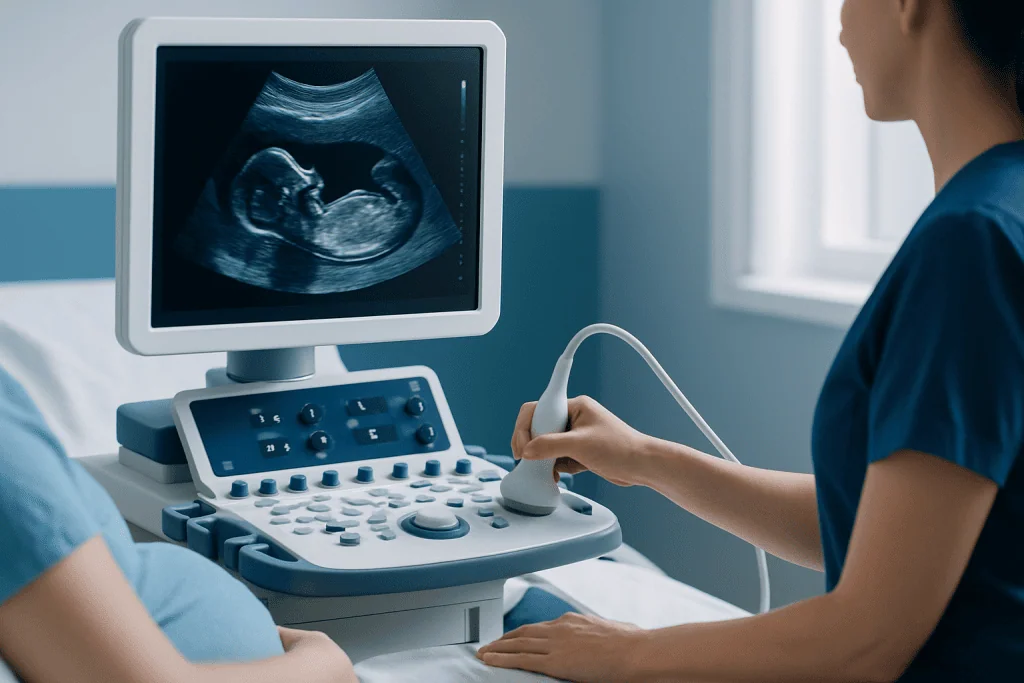
By 19 weeks, the baby is continuing a phase of rapid growth and organ development. The limbs are more proportionate, movements are becoming more coordinated, and the nervous system is maturing. A protective coating called vernix begins to cover the skin, while fine hair known as lanugo may be present. The baby is also practicing swallowing and moving in ways that support ongoing development.
Many parents want to know whether movement should be felt by now. Some do notice fluttering, tapping, or rolling sensations at 19 weeks, especially in a second or later pregnancy. Others do not feel movement until a little later, which can still be normal. The timing depends on factors such as placental position, body type, and whether the sensations are easy to recognize.
An ultrasound during this period may give a detailed look at anatomy, growth, placental location, and amniotic fluid. This scan is not only about seeing the baby; it is an important medical assessment that helps the care team identify whether pregnancy is developing as expected.
Symptoms that are common at 19 weeks

Second-trimester symptoms are often manageable but can still be uncomfortable. Round ligament pain is a common example. It usually feels like a brief sharp or pulling sensation on one or both sides of the lower abdomen, often triggered by standing up, rolling over, coughing, or sudden movement. This is different from severe or constant pain, which needs medical evaluation.
Digestive symptoms are also frequent. Progesterone slows digestion, so bloating, constipation, and heartburn may become more noticeable. Small meals, adequate fluids, fiber-rich foods, and avoiding meals close to bedtime often help. Mild swelling in the feet can begin later in the day, particularly after prolonged standing, though sudden or marked swelling should be discussed with a clinician.
Other normal symptoms may include:
- Breast fullness or tenderness
- Leg cramps, especially at night
- Headaches that improve with rest, hydration, or food
- Increased vaginal discharge that is clear or milky and not foul-smelling
- Occasional shortness of breath with exertion as the body adapts to pregnancy
Even normal symptoms deserve attention if they interfere with eating, hydration, sleep, or daily function. Prenatal care is not only for emergencies; it is also the right place to discuss quality-of-life concerns and symptom relief.
What is not normal at 19 weeks pregnant
Some symptoms should not be considered routine in mid-pregnancy. Heavy vaginal bleeding, passing clots, severe cramping, or persistent abdominal pain can signal a problem and should be assessed without delay. A sudden gush or steady trickle of fluid from the vagina may suggest rupture of membranes and also needs prompt evaluation.
Other concerning symptoms include fever, chills, vomiting that prevents keeping fluids down, burning with urination, severe headache, fainting, chest pain, or shortness of breath out of proportion to activity. A bad-smelling discharge, intense pelvic pressure, or new back pain with cramping may also need urgent review because infection or cervical changes can affect pregnancy.
Pregnancy can occasionally be complicated by conditions such as ectopic pregnancy earlier in gestation, urinary tract infection, kidney infection, or problems related to the placenta or cervix. While some of these are less likely to first present at 19 weeks, severe one-sided pain, shoulder pain, or collapse are never symptoms to monitor at home. If a symptom feels alarming, especially when paired with bleeding, fluid loss, or weakness, urgent medical advice is appropriate.
Prenatal checks and the 19-week ultrasound
A prenatal visit around this time usually includes a review of symptoms, blood pressure, weight trend, and fetal heart rate, along with measurement of uterine growth. The clinician may ask about movement, sleep, mood, diet, and any signs of infection or complications. These routine checks help identify issues early, even when a person feels generally well.
The anatomy ultrasound, often scheduled between 18 and 22 weeks, is a key milestone. It evaluates major fetal structures, growth, placental position, and amniotic fluid. In some cases, the sonographer may not be able to see every structure clearly in one session, and a repeat scan may be recommended. This does not automatically mean something is wrong.
If symptoms or medical history raise concern, doctors may request additional tests or monitoring. Depending on the situation, this can include blood tests, urine testing, cervical assessment, or more detailed imaging such as obstetric ultrasound. When structural concerns are suspected, further review with specialists in perinatology may be considered to guide follow-up and treatment planning.
Self-care, lifestyle, and ways to feel better
Healthy routines at 19 weeks pregnant are often simple but effective. Drinking enough water, eating regular balanced meals, taking prenatal vitamins as prescribed, and staying active with gentle exercise can help reduce constipation, fatigue, and musculoskeletal discomfort. Walking, prenatal stretching, and posture awareness are commonly helpful unless a doctor advises activity limits.
Sleep can become less comfortable as the abdomen grows. Many people find side-sleeping more comfortable, often with a pillow between the knees or under the abdomen for support. For heartburn, smaller meals and avoiding lying down right after eating may help. Compression socks, stretching, and changing positions regularly can reduce leg discomfort and swelling.
Mental and emotional changes deserve care as well. Feeling excited, distracted, tearful, or worried can all be part of pregnancy. Persistent low mood, severe anxiety, or panic symptoms should be discussed with a healthcare professional. Pregnancy care is most effective when physical and emotional health are addressed together, including support from obstetricians, midwives, primary care clinicians, and when needed, pregnancy follow-up and delivery teams.
When to seek medical care
At 19 weeks pregnant, medical care should be sought promptly for heavy bleeding, severe or persistent abdominal pain, a gush or ongoing leakage of fluid, fever, fainting, chest pain, or difficulty breathing. It is also important to call a doctor for painful urination, repeated vomiting, significant dehydration, or discharge with a strong odor. These symptoms are not typical pregnancy discomforts and may need urgent treatment.
Care should also be sought if a person feels that something is simply not right, even if the symptom is hard to describe. Trusting that instinct is reasonable in pregnancy. Rapidly worsening headache, visual symptoms, marked swelling, or reduced ability to function are all good reasons to contact a clinician.
For people traveling internationally or seeking coordinated maternity care, Acibadem International’s multidisciplinary specialists and JCI-accredited hospitals provide evaluation and treatment for pregnancy-related concerns, including high-risk pregnancy assessment when needed. Urgent symptoms, however, should always be addressed at the nearest appropriate medical facility without delay.
Frequently asked questions
Is cramping normal at 19 weeks pregnant?
Mild, brief stretching or pulling discomfort can be normal at 19 weeks pregnant, especially with movement or position changes. Severe, persistent, rhythmic, or worsening pain is not considered normal and should be assessed by a doctor.
Should a baby be moving regularly at 19 weeks?
Some people feel movement by 19 weeks, while others do not, especially in a first pregnancy. Placental position and individual differences can affect when movement is first noticed, so not feeling clear kicks yet can still be normal.
What does fluid leakage mean at 19 weeks pregnant?
A sudden gush or ongoing trickle of watery fluid from the vagina should be evaluated promptly. It may be harmless in some cases, but it can also suggest rupture of membranes or another issue that needs medical assessment.
Is it normal to have lower belly pain at 19 weeks pregnant?
Brief lower abdominal pain caused by stretching ligaments is common in the second trimester. Pain that is severe, one-sided, constant, or associated with bleeding, fever, or vomiting is not typical and needs prompt medical review.
What happens at the 19-week ultrasound?
The mid-pregnancy ultrasound usually examines fetal anatomy, growth, placental location, and amniotic fluid. It is an important medical check, and sometimes a repeat scan is needed if certain views are not clear.
When should someone call a doctor at 19 weeks pregnant?
A doctor should be contacted for heavy bleeding, severe pain, fluid leakage, fever, painful urination, repeated vomiting, fainting, chest pain, or trouble breathing. It is also appropriate to call if symptoms are rapidly changing or if there is a strong sense that something is wrong.
References
- American College of Obstetricians and Gynecologists
- Centers for Disease Control and Prevention
- National Health Service
- Mayo Clinic
- World Health Organization
This article is for general information only and is not a substitute for professional medical advice. Please consult a qualified doctor about your individual situation.
Joint and spine care in Turkey — expert assessment & treatment
JCI-accredited · board-certified surgeons · reply within 24h
Add us as a Preferred Source to see more of our trusted health content across Google Search, AI Overviews and Discover.