2 Weeks Pregnant: Symptoms, Baby Development, and What to Expect

Pregnancy is counted from the first day of the last menstrual period, so week 2 often happens before conception. Common signs this week are usually ovulation-related, such as mild cramping, cervical mucus changes, and a rise in basal body temperature.
Key Takeaways
- Pregnancy is counted from the first day of the last menstrual period, so week 2 often happens before conception.
- Common signs this week are usually ovulation-related, such as mild cramping, cervical mucus changes, and a rise in basal body temperature.
- There is no visible baby bump at 2 weeks pregnant, and any symptoms are caused by normal hormonal shifts around ovulation.
- This is a good time to start prenatal vitamins, avoid alcohol and smoking, and review medications with a doctor.
- Medical advice is important for severe pelvic pain, heavy bleeding, fainting, fever, or questions about fertility and timing.
At 2 weeks pregnant, most people are not technically carrying an embryo yet. In standard pregnancy dating, this week is usually the time of ovulation and possible fertilization, so the focus is on body changes, fertile signs, and preparing for early pregnancy.
Overview: What 2 Weeks Pregnant Usually Means
At 2 weeks pregnant, most people are not yet pregnant in the everyday sense. Pregnancy is conventionally dated from the first day of the last menstrual period, so week 2 usually falls around ovulation, when the ovary releases an egg and fertilization may become possible.
This can be confusing, especially for people trying to conceive. In many cases, there is no embryo developing yet at this point. Instead, the body is preparing for possible conception, and if sperm meets the egg, fertilization may happen near the end of this week or shortly after.
Because of this timing, symptoms at 2 weeks pregnant are often really signs of ovulation rather than symptoms caused by an established pregnancy. Understanding this can help set realistic expectations and reduce unnecessary worry while waiting for a missed period or a positive test.
Symptoms This Week
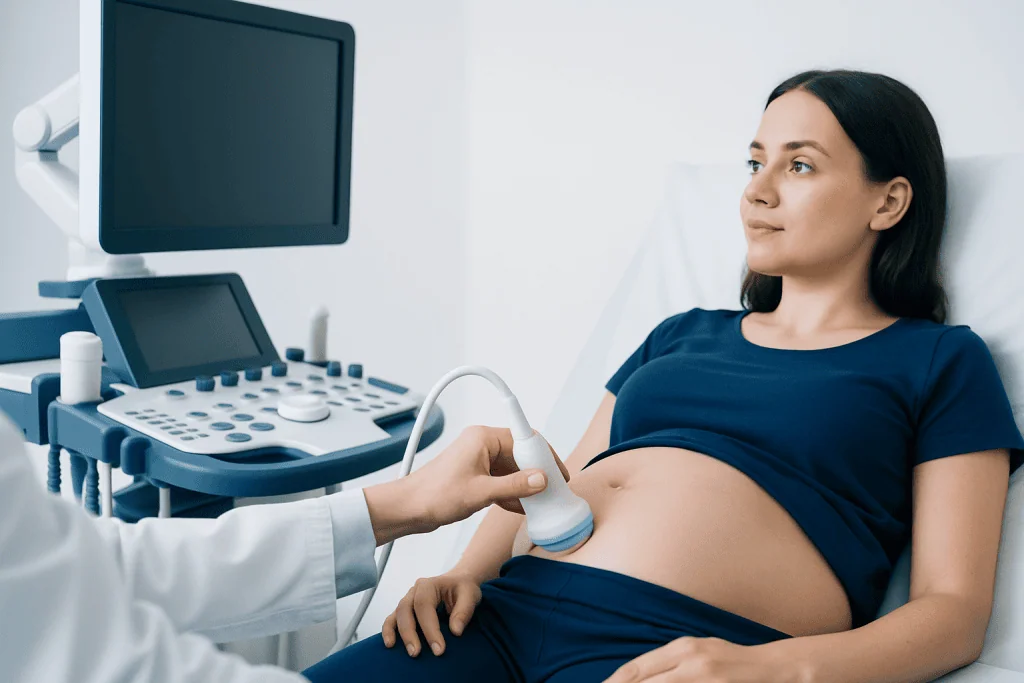
Many people do not notice any unusual symptoms at 2 weeks pregnant. Others may recognize signs that ovulation is approaching or happening. These changes are linked to normal hormone fluctuations, especially estrogen and luteinizing hormone, and they vary from person to person.
Possible symptoms this week can include mild pelvic discomfort on one side, increased clear and stretchy vaginal discharge, breast tenderness, bloating, or a change in sexual desire. Some people also notice a slight increase in energy or sensitivity to smell, but these are not reliable signs of pregnancy.
Common experiences around this time may include:
- Light ovulation pain or twinges
- Thin, slippery, egg-white cervical mucus
- Mild bloating
- Breast fullness or tenderness
- A small rise in basal body temperature after ovulation
- Light spotting in some cases
Because implantation has not usually happened yet, symptoms such as morning sickness, marked fatigue, or frequent urination are generally not expected this early. If these symptoms are present, they may have another explanation, or the dating of the pregnancy may be different than assumed.
Baby Development at 2 Weeks
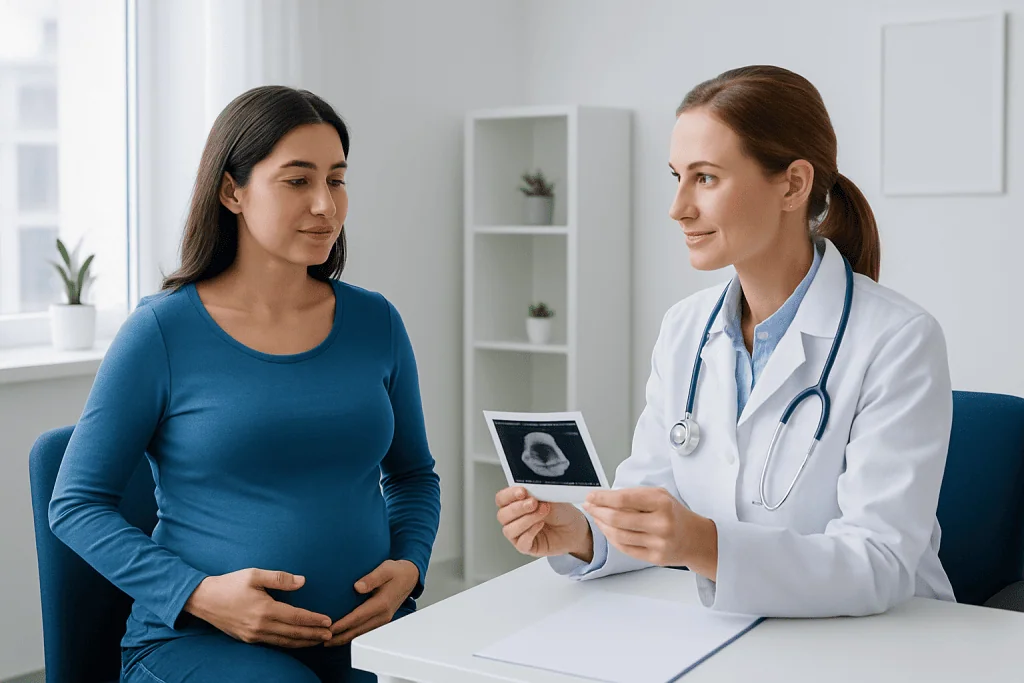
At 2 weeks pregnant, there is usually no embryo growing in the uterus yet. Instead, an egg is maturing inside the ovary and preparing for release. This is why many clinicians describe week 2 as part of the menstrual cycle rather than early fetal development.
After ovulation, the egg travels into the fallopian tube. If sperm is present, fertilization can occur there. Once fertilized, the single cell begins dividing as it moves toward the uterus over the next several days. This means the earliest stages of potential baby development begin only after ovulation and fertilization take place.
For size comparison, there is not yet a developing baby to measure in the uterus this week. The focus is on the egg itself, which is one of the largest cells in the human body but still too small to be seen without magnification. If conception occurs, measurable embryonic development belongs more to the days and weeks that follow.
Body Changes at 2 Weeks Pregnant
The main body changes at this stage happen in the ovaries, cervix, and uterine lining. A follicle in the ovary matures and releases an egg. At the same time, the uterine lining continues building up in case a fertilized egg later implants.
Hormonal changes can affect cervical mucus, making it clearer, wetter, and stretchier during the fertile window. This helps sperm move more easily through the reproductive tract. Some people who track fertility also notice that the cervix feels softer, higher, and more open around ovulation.
There is no pregnancy bump at 2 weeks, and external body changes are usually subtle. Weight, abdomen size, and physical appearance typically stay the same. If there is discomfort, it is usually mild and temporary. Severe pain, heavy bleeding, or fever are not considered normal and should be assessed by a clinician.
For people with cycle irregularities, conditions such as polycystic ovary syndrome can make ovulation harder to predict. In these situations, a doctor may recommend further evaluation to better understand the cycle and improve planning for conception.
Checklist: What to Do This Week
This week is a practical time to support a healthy conception window. Even before a pregnancy test is positive, habits during the preconception period matter. Many clinicians advise acting as if pregnancy could happen, especially during the fertile days.
Helpful steps this week include starting or continuing a prenatal vitamin with folic acid, limiting caffeine if advised, avoiding alcohol, stopping smoking, and avoiding recreational drugs. It is also wise to review regular medicines, supplements, and herbal products with a qualified doctor, because some are not recommended when trying to conceive.
A simple checklist may help:
- Track ovulation using calendar dates, cervical mucus, or ovulation predictor kits
- Take a daily prenatal vitamin
- Eat balanced meals and stay hydrated
- Get regular sleep and manage stress
- Ask a doctor about chronic conditions such as thyroid disease or diabetes
- Discuss fertility planning if cycles are irregular or conception has been difficult
Some people may benefit from specialist input before or during attempts to conceive, especially after prior pregnancy loss, irregular ovulation, or known reproductive concerns. Evaluation through fertility care or gynecologic assessment may be considered when clinically appropriate.
How Pregnancy Is Confirmed
At 2 weeks pregnant, a home pregnancy test is usually too early to be helpful. Pregnancy tests detect human chorionic gonadotropin, a hormone that starts to rise only after implantation. Implantation typically happens several days after fertilization, not at the start of week 2.
For most people, the best time to test is after a missed period or according to the instructions on a sensitive home test. Testing too early can lead to a false-negative result, which may be disappointing or confusing. If the first test is negative but the period does not arrive, repeating the test after a few days is often recommended.
If there are questions about cycle timing, fertility, or early pregnancy symptoms, a doctor may suggest blood tests or ultrasound later on. Imaging is not usually useful this early for confirming pregnancy, but it becomes important if there is pain, bleeding, or concern for a problem such as ectopic pregnancy.
When to Seek Medical Care
Most people do not need urgent medical care at 2 weeks pregnant. Mild cramping, light spotting, or no symptoms at all can all be normal around ovulation. Still, some symptoms should not be ignored because they may point to a gynecologic problem or another health issue that needs prompt attention.
Medical assessment is important if there is severe or one-sided pelvic pain, heavy bleeding, fever, foul-smelling discharge, dizziness, fainting, or vomiting that prevents drinking fluids. These symptoms are not typical signs of a normal fertile window and may need evaluation.
It is also reasonable to arrange non-urgent medical advice if periods are very irregular, ovulation seems absent, there is a history of infertility, or there are known reproductive conditions. Acibadem International’s multidisciplinary specialists in JCI-accredited hospitals evaluate and treat women’s health and fertility concerns for international patients, including advanced options such as IVF treatment when appropriate.
Frequently asked questions
Are you really pregnant at 2 weeks?
Usually, not yet. In standard pregnancy dating, week 2 is counted from the last menstrual period and often matches the time of ovulation, before fertilization and implantation have fully occurred.
What symptoms are normal at 2 weeks pregnant?
Most symptoms at this stage are related to ovulation rather than pregnancy itself. Mild cramping, breast tenderness, bloating, and clear stretchy cervical mucus are common and can be normal.
Can a pregnancy test be positive at 2 weeks pregnant?
Usually not. Home pregnancy tests are more accurate after implantation and often after a missed period, because that is when pregnancy hormone levels become high enough to detect.
What does the baby look like at 2 weeks pregnant?
At this point, there is usually no embryo developing in the uterus yet. The egg is being released or has just been released, and fertilization may happen soon afterward if sperm is present.
Is cramping at 2 weeks pregnant normal?
Mild cramping or brief one-sided pelvic discomfort can happen with ovulation and is often normal. Severe pain, worsening pain, or pain with heavy bleeding or fainting should be checked by a doctor.
What should someone do at 2 weeks pregnant if trying to conceive?
This is a good time to take a prenatal vitamin with folic acid, avoid alcohol and smoking, and track ovulation. It is also helpful to discuss medicines and any chronic health conditions with a qualified clinician.
References
- American College of Obstetricians and Gynecologists
- National Health Service
- Mayo Clinic
- Centers for Disease Control and Prevention
- Office on Women's Health
This article is for general information only and is not a substitute for professional medical advice. Please consult a qualified doctor about your individual situation.
IVF & fertility treatment in Turkey — success rates and costs
JCI-accredited · board-certified surgeons · reply within 24h
Add us as a Preferred Source to see more of our trusted health content across Google Search, AI Overviews and Discover.
Check your numbers in seconds
BMI, calories, due date, blood pressure and 30+ more clinical calculators — free, instant, doctor-reviewed ranges.