22 Weeks Pregnant: Symptoms, Baby Development, and What to Expect

At 22 weeks pregnant, fetal movement often becomes more noticeable and regular. The baby is about the size of a papaya, with ongoing brain, lung, and sensory development.
Key Takeaways
- At 22 weeks pregnant, fetal movement often becomes more noticeable and regular.
- The baby is about the size of a papaya, with ongoing brain, lung, and sensory development.
- Common symptoms this week include round ligament pain, backache, leg cramps, and skin itching from stretching.
- Most symptoms are normal, but bleeding, severe pain, fluid leakage, or reduced movement after a previously active pattern need medical advice.
- Healthy routines, prenatal visits, hydration, balanced nutrition, and rest support wellbeing at this stage.
At 22 weeks pregnant, many people feel regular fetal movement, notice a more defined baby bump, and experience common second-trimester changes such as back discomfort, leg cramps, or skin stretching. The baby is growing quickly, developing the senses and body fat needed for life later in pregnancy.
Overview: what 22 weeks pregnant usually feels like
At 22 weeks pregnant, the pregnancy is well into the second trimester, and many people begin to feel more consistently pregnant rather than simply tired or nauseated. A growing abdomen, clearer fetal movements, and gradual changes in posture, skin, and energy levels are all common at this point. For many, this week brings a mix of excitement and new physical adjustments.
The baby is continuing a period of rapid growth and development. Hearing is becoming more refined, the face is more fully formed, and movements may feel stronger as muscles and coordination improve. While discomforts such as back pain or stretching sensations can appear, they are often manageable with routine self-care and regular prenatal follow-up.
Every pregnancy is different. Some people feel energetic and comfortable at 22 weeks, while others notice more fatigue, heartburn, swelling, or sleep disruption. A clinician can help distinguish expected second-trimester changes from symptoms that need more attention.
Symptoms this week
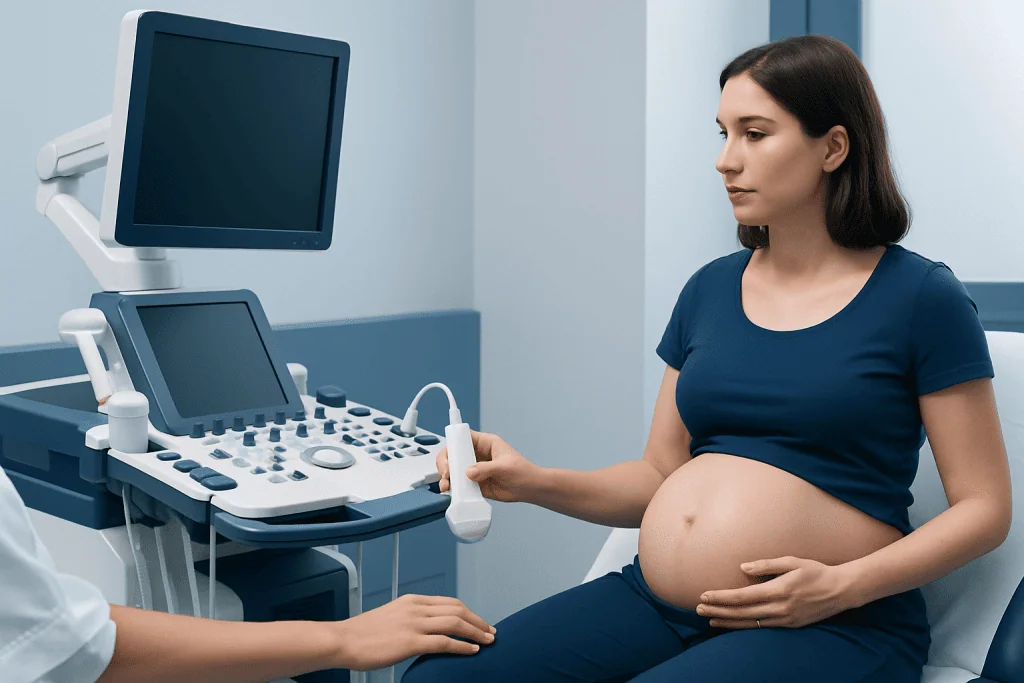
Common 22 weeks pregnant symptoms often reflect the uterus getting larger and the body adapting to pregnancy hormones. Many people feel fluttering, kicks, or rolling movements more clearly now. As the uterus rises, there may also be pressure in the lower abdomen, a sensation of tight skin across the belly, and occasional mild aches in the hips or lower back.
Round ligament pain is another frequent symptom. This feels like a brief sharp or pulling discomfort in the lower abdomen or groin, often triggered by standing up quickly, coughing, or changing position. Leg cramps, constipation, nasal stuffiness, and heartburn may also appear or continue during this stage.
Skin-related changes are common as well. Stretch marks may become more visible, the skin may feel itchy as it expands, and some people notice darker pigmentation on the nipples, abdomen, or face. Mild swelling in the feet or ankles can happen later in the day, especially after standing for long periods or in hot weather.
- More noticeable fetal movement
- Backache or pelvic pressure
- Round ligament pain
- Leg cramps
- Heartburn or indigestion
- Itchy, stretching skin
- Mild ankle swelling
Baby development at 22 weeks

At 22 weeks, the baby is often compared in size to a papaya. Exact measurements vary, but the baby is continuing to gain length and weight steadily. The body looks more proportionate than in earlier weeks, and the limbs are becoming stronger and better coordinated.
The senses are developing further. The baby can hear sounds from inside the body, such as a heartbeat and digestion, and may also respond to voices or music from outside the womb. Facial features are more defined, including the lips, eyelids, and eyebrows. Fine hair called lanugo covers the body, and a protective coating known as vernix helps shield the skin.
Inside the body, important systems are maturing. The lungs are still developing and are not yet ready for breathing air, but the structures needed for later function are forming. The brain and nervous system continue to organize rapidly, and swallowing movements help the digestive system practice. These developmental steps are part of normal fetal growth monitored during prenatal care.
Body changes in the pregnant person
By 22 weeks pregnant, the uterus has expanded enough to shift posture and body mechanics. This can place extra strain on the lower back and abdominal muscles, which may explain why standing for long periods or carrying heavy items feels more difficult. The center of gravity also changes, so balance may feel slightly less steady than usual.
Blood volume remains higher than before pregnancy, and circulation changes can lead to warmer skin, mild swelling, or dizziness when standing up too quickly. Breasts may continue to enlarge and feel heavier. Some people also notice leaking of small amounts of colostrum, the early milk the body begins preparing before birth.
Emotional changes can happen too. Feeling more connected to the pregnancy after stronger fetal movements is common, but it is also normal to have worries about labor, parenting, or body image. If mood symptoms become persistent or interfere with daily functioning, discussing them with a maternity care professional is important. Pregnancy care sometimes overlaps with evaluation for conditions such as pregnancy complications when symptoms do not follow the expected course.
Checklist: what to do at 22 weeks pregnant
This week can be a good time to review daily habits and upcoming prenatal care. Staying hydrated, eating balanced meals with protein, fiber, calcium, iron, and healthy fats, and keeping physically active within a clinician’s guidance all support wellbeing. Walking, prenatal stretching, or other gentle exercise can help with circulation, sleep, and back comfort.
It may also help to focus on sleep positioning and body support. Many pregnant people are more comfortable lying on the side with pillows between the knees or under the abdomen. Supportive shoes, good posture, and avoiding long periods of standing can reduce strain. For persistent musculoskeletal discomfort, clinicians may discuss options such as physical therapy and rehabilitation as part of supportive care.
Practical planning matters too. This is a useful stage to keep prenatal appointments, ask about test results, and discuss any travel, work, or exercise concerns. If a detailed anatomy scan or other pregnancy imaging is recommended, ultrasound plays an important role in checking fetal growth and anatomy. Nutritional review may also be helpful if there are concerns about appetite, anemia, or weight changes, and some patients benefit from guidance through obstetrics and gynecology services.
- Keep taking prenatal vitamins if prescribed
- Drink enough fluids and include fiber-rich foods
- Use gentle movement to help cramps and stiffness
- Track fetal movement patterns informally as they become more familiar
- Prepare questions for the next prenatal visit
When to seek medical care
Most symptoms at 22 weeks are part of normal pregnancy, but some signs should not be ignored. Medical advice is needed for vaginal bleeding, leaking of fluid, fever, severe abdominal pain, painful urination, or strong cramps that do not settle. These symptoms can point to problems that require prompt assessment.
Care should also be sought for severe headache, sudden swelling of the face or hands, vision changes, chest pain, shortness of breath, or fainting. Although some pregnancy discomforts are common, symptoms that are intense, worsening, or clearly unusual deserve attention. If fetal movement has previously been noticeable and there is a marked decrease, it is sensible to contact the maternity team for guidance.
Persistent vomiting, signs of dehydration, or symptoms of infection should also be discussed with a clinician. In some cases, additional tests may be needed to rule out issues such as urinary infections, cervical changes, or other conditions affecting the pregnancy. Acibadem International’s multidisciplinary specialists in JCI-accredited hospitals diagnose and treat pregnancy-related concerns for international patients when expert evaluation is needed.
Looking ahead in the second trimester
The weeks after 22 weeks pregnant often bring continued growth, stronger movement, and a steadily changing body shape. Some second-trimester symptoms may stay stable, while others such as heartburn, sleep discomfort, or swelling can become more noticeable as the uterus enlarges. Regular prenatal visits help track blood pressure, fetal growth, and overall maternal health.
It can be reassuring to remember that many day-to-day changes at this stage are normal parts of pregnancy adaptation. Small adjustments such as changing position more slowly, eating smaller meals more often, moisturizing itchy skin, and resting when tired can make this period more comfortable. If symptoms begin to interfere with sleep, mobility, or nutrition, bringing them up early at a prenatal visit is worthwhile.
Pregnancy is a dynamic process, and guidance should always be individualized. A qualified healthcare professional can explain what is expected at this stage and recommend testing or treatment if something does not seem typical. Staying informed, attending appointments, and responding promptly to warning signs support a healthier pregnancy journey.
Frequently asked questions
How big is the baby at 22 weeks pregnant?
At 22 weeks, the baby is often described as being about the size of a papaya. Size can vary from one pregnancy to another, so ultrasound and prenatal measurements give a more accurate picture than fruit comparisons.
Is it normal to feel a lot of movement at 22 weeks pregnant?
Yes, many people feel more regular movement by 22 weeks. Some babies are more active at certain times of day, and movement patterns can still be somewhat irregular at this stage.
What pains are normal at 22 weeks pregnant?
Mild backache, round ligament pain, pelvic pressure, and leg cramps are common in the second trimester. Severe pain, pain with bleeding, or pain that does not improve should be assessed by a doctor.
Can belly tightening happen at 22 weeks pregnant?
Some people notice occasional brief tightening sensations as the uterus responds to movement or activity. If tightening becomes regular, painful, or is associated with bleeding or fluid leakage, medical advice is important.
What should someone do if they feel tired at 22 weeks pregnant?
Fatigue can still happen in the second trimester, even if energy is better than in early pregnancy. Rest, hydration, nutritious meals, and discussing possible causes such as poor sleep or anemia at a prenatal visit can help.
When should someone call a doctor at 22 weeks pregnant?
A doctor should be contacted for bleeding, leaking fluid, fever, severe pain, painful urination, severe headache, vision changes, fainting, or a clear decrease in movement after it has become established. It is also reasonable to call whenever a symptom feels unusual or worrying.
References
- American College of Obstetricians and Gynecologists
- National Health Service
- Mayo Clinic
- World Health Organization
This article is for general information only and is not a substitute for professional medical advice. Please consult a qualified doctor about your individual situation.
Medical weight-loss options in Turkey — costs & eligibility
JCI-accredited · board-certified surgeons · reply within 24h
Add us as a Preferred Source to see more of our trusted health content across Google Search, AI Overviews and Discover.
Check your numbers in seconds
BMI, calories, due date, blood pressure and 30+ more clinical calculators — free, instant, doctor-reviewed ranges.