23 Weeks Pregnant: Symptoms, Baby Development, and What to Expect

At 23 weeks pregnant, the baby is continuing steady growth and movement may feel stronger or more predictable. Common symptoms this week include backache, heartburn, leg cramps, mild swelling, and skin stretching.
Key Takeaways
- At 23 weeks pregnant, the baby is continuing steady growth and movement may feel stronger or more predictable.
- Common symptoms this week include backache, heartburn, leg cramps, mild swelling, and skin stretching.
- Routine prenatal care remains important to monitor maternal health and the baby’s development.
- Balanced nutrition, hydration, gentle activity, and good sleep support comfort and wellbeing.
- Urgent symptoms such as bleeding, severe pain, fluid leakage, or reduced fetal movement later in pregnancy should be assessed by a doctor.
At 23 weeks pregnant, many people feel more regular fetal movement while the baby continues rapid growth and organ development. This stage often brings a mix of exciting changes and common discomforts such as back pain, heartburn, leg cramps, and mild swelling.
Overview: What 23 Weeks Pregnant Usually Feels Like
At 23 weeks pregnant, the pregnancy is well into the second trimester, and many people notice a combination of increased energy and new physical changes. The baby is growing quickly, movements may become more distinct, and the uterus is expanding higher into the abdomen. For many, this week feels more “real” because kicks, rolls, or fluttering sensations are often easier to recognize.
This stage can also bring common symptoms such as back discomfort, heartburn, mild swelling, nasal congestion, and changes in sleep. These symptoms are often related to hormonal shifts, increased blood volume, and the physical demands of carrying a growing baby. While many changes are normal, regular prenatal visits remain important for monitoring both maternal and fetal health.
Each pregnancy is different. Some people feel very well at 23 weeks, while others need more support with comfort, rest, or symptom management. A qualified obstetrician or midwife can help assess whether symptoms are expected for this stage or need further attention.
Symptoms This Week
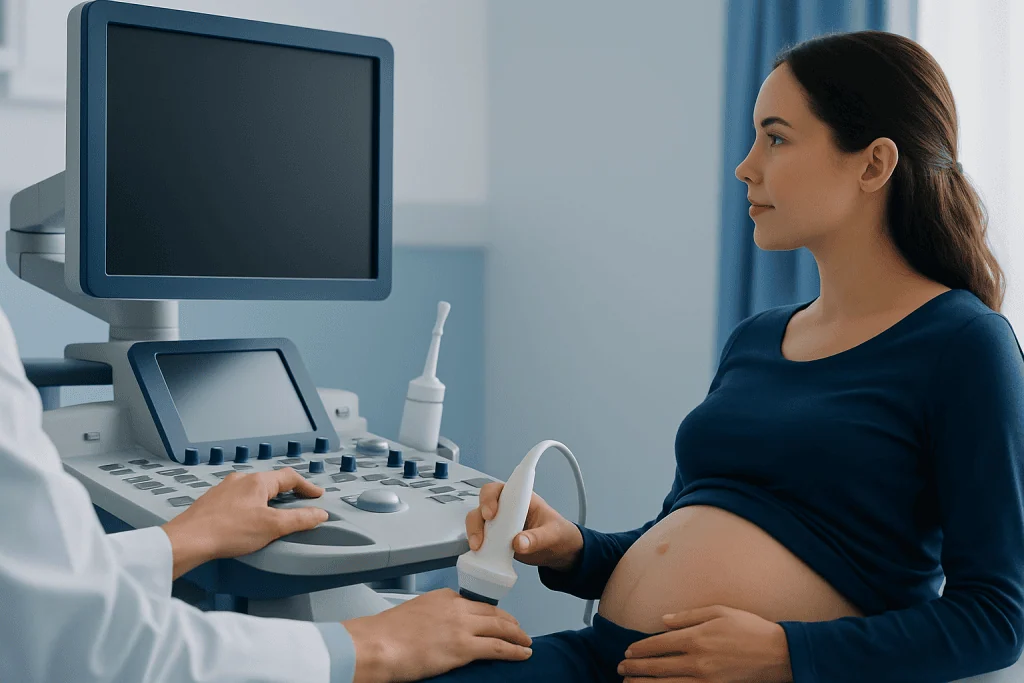
Common 23 weeks pregnant symptoms are usually linked to the baby’s growth and the body’s adaptation to pregnancy. Stronger or more frequent fetal movement is often one of the most noticeable developments. Some people describe kicks as gentle taps, while others feel rolling or stretching sensations. Movement patterns may still be irregular, which can be normal at this stage.
Physical discomforts may also become more noticeable. Backache can develop as posture shifts and abdominal muscles stretch. Heartburn and indigestion may happen because pregnancy hormones relax the muscles that normally help keep stomach acid in place. Leg cramps, especially at night, may interrupt sleep. Mild ankle or foot swelling can occur after long periods of standing or during warm weather.
Other symptoms may include:
- Round ligament pain, often felt as brief sharp discomfort in the lower abdomen or groin
- Breast changes, including tenderness or leakage of early colostrum in some cases
- Skin stretching with itching over the abdomen or breasts
- Nasal stuffiness or occasional nosebleeds due to increased blood flow
- Fatigue, even if energy is better than in early pregnancy
If symptoms are severe, sudden, or clearly worsening, medical advice is important. Sometimes symptoms that seem like routine pregnancy discomfort can overlap with conditions such as high-risk pregnancy or pregnancy-related blood pressure problems that need closer monitoring.
Baby Development at 23 Weeks

By 23 weeks pregnant, the baby is continuing important growth and maturation. A common size comparison is about the length of a large mango. Exact measurements vary, but the baby is becoming more proportional, with continued development of the skin, muscles, and fat stores. Although still lean, the body is gradually filling out.
The lungs are developing further, even though they are not yet ready for life outside the womb. Small air sacs continue to form, and the baby is making practice breathing movements. The brain and nervous system are also progressing quickly. Hearing is becoming more refined, so the baby may respond to sounds, voices, or rhythmic movements.
Movement is an important sign of healthy development during this phase. The baby may stretch, kick, grasp, and change position frequently. Sleep-wake cycles are also becoming more established, which can explain periods of quiet followed by active movement. During routine care, ultrasound and prenatal assessments may be used when clinically indicated to check growth, anatomy, and overall wellbeing.
Body Changes in the Pregnant Person
At 23 weeks, the uterus is continuing to rise into the abdomen, and the belly often becomes more prominent. This change can affect posture and balance, sometimes leading to strain in the lower back, hips, or pelvis. As ligaments soften and joints become more flexible under the influence of pregnancy hormones, certain movements may feel less comfortable than before.
Circulation and fluid shifts also change throughout pregnancy. Blood volume is increased to support the placenta and growing baby, which can contribute to warmth, visible veins, or mild swelling in the hands, legs, or feet. Some people also notice dizziness when standing up too quickly. Eating regularly, staying hydrated, and changing positions slowly may help reduce these sensations.
Emotional changes can be part of this week as well. Excitement about the baby may exist alongside worries about labor, health, or the transition to parenthood. Mood shifts can happen, especially when sleep is disrupted by discomfort or frequent urination. Persistent low mood, severe anxiety, or inability to function should be discussed with a healthcare professional, as emotional health is an important part of prenatal care.
Checklist: What to Do at 23 Weeks Pregnant
This point in pregnancy is a good time to focus on steady routines rather than major changes. Attending scheduled prenatal visits helps monitor blood pressure, weight trends, the baby’s heartbeat, and any developing concerns. Depending on the pregnancy plan and previous results, the care team may review screening tests, anatomy scan findings, or questions about nutrition, exercise, and work or travel plans.
Helpful steps this week may include:
- Continue taking a prenatal vitamin unless advised otherwise
- Choose balanced meals with iron, protein, calcium, fiber, and healthy fats
- Drink enough water, especially if swelling, constipation, or leg cramps are present
- Use supportive shoes and consider sleeping on the side with pillow support
- Stay active with doctor-approved movement such as walking or prenatal stretching
- Track questions for the next prenatal appointment, including symptoms or medication use
If discomfort is interfering with daily life, supportive care may help. For example, persistent back or pelvic pain may improve with posture guidance, exercise modification, or assessment by specialists in physical therapy and rehabilitation. If pregnancy-related digestive symptoms become difficult to manage, a doctor can advise on safe options and rule out other causes. Some patients also benefit from review by obstetrics and gynecology specialists for individualized symptom support.
Preparing gradually for the third trimester can also be useful. This may include discussing childbirth education, thinking about sleep arrangements, reviewing maternity leave plans, or learning about common later-pregnancy warning signs.
Self-Care, Comfort, and Healthy Habits
Simple self-care measures can make a meaningful difference at 23 weeks pregnant. Eating smaller, more frequent meals may help reduce heartburn and bloating. Avoiding very heavy, spicy, or acidic foods before lying down can also be useful. For constipation, many people benefit from fiber-rich foods, hydration, and regular gentle movement.
Comfort strategies for body aches include supportive pillows, avoiding long periods in one position, and paying attention to posture when sitting or lifting. Gentle stretching can help with stiffness, but exercises should always be appropriate for pregnancy and discussed with a healthcare professional if there is any uncertainty. Rest is also important, especially if daily fatigue is increasing again.
Skin care can be kept simple and non-irritating. Moisturizers may reduce discomfort from skin stretching, although they do not necessarily prevent stretch marks. If itching becomes severe, widespread, or is not limited to the stretching skin, a doctor should assess it. In some cases, unusual itching may need medical evaluation rather than routine skin care alone.
When pregnancy needs closer supervision, multidisciplinary assessment may be recommended. In appropriate cases, doctors may evaluate concerns related to preeclampsia or other conditions that can affect maternal and fetal wellbeing. Near the end of the care pathway, Acibadem International’s multidisciplinary specialists in JCI-accredited hospitals diagnose and treat pregnancy-related conditions for international patients.
When to Seek Medical Care
Many symptoms at 23 weeks pregnant are expected, but some signs should not be ignored. Prompt medical advice is important for vaginal bleeding, leaking of fluid, severe or persistent abdominal pain, painful contractions, fever, severe vomiting, or signs of infection. New severe headache, vision changes, sudden swelling of the face or hands, or shortness of breath also need urgent assessment.
It is also wise to contact a doctor for symptoms that are not clearly urgent but are becoming difficult to manage, such as worsening back pain, burning with urination, fainting, or reduced ability to eat and drink. Concerns about blood pressure, diabetes in pregnancy, or previous pregnancy complications may require extra follow-up. If a clinician suspects a cervical, placental, or fetal issue, additional testing or imaging may be recommended, sometimes including perinatology support for higher-risk pregnancies.
No question is too small during pregnancy. Seeking advice early can provide reassurance when symptoms are normal and allow timely care when they are not. A healthcare professional familiar with the pregnancy history is the best person to guide next steps.
Frequently asked questions
How many months is 23 weeks pregnant?
Twenty-three weeks pregnant is generally considered part of the sixth month of pregnancy. Pregnancy is usually tracked most accurately by weeks rather than months, because fetal development follows weekly milestones.
What does the baby look like at 23 weeks?
At 23 weeks, the baby is becoming more proportional and is often compared in size to a large mango. The skin is still delicate, but the body, brain, lungs, and sense development are progressing steadily.
Is it normal to feel a lot of movement at 23 weeks pregnant?
Yes, many people notice stronger or more frequent movement around this time. Patterns may still be irregular, since the baby is active but not yet large enough to create a consistent routine every day.
What pains are normal at 23 weeks pregnant?
Mild backache, round ligament pain, leg cramps, and a sense of stretching in the abdomen are common at this stage. Severe, persistent, or one-sided pain should not be assumed to be normal and should be discussed with a doctor.
Can heartburn and swelling happen at 23 weeks?
Yes, both are common in the second trimester and beyond. Hormonal changes can contribute to heartburn, while increased blood volume and fluid retention can lead to mild swelling, especially in the feet and ankles.
When should someone call a doctor at 23 weeks pregnant?
A doctor should be contacted for bleeding, fluid leakage, severe pain, strong contractions, fever, severe headache, vision changes, or sudden swelling. It is also sensible to seek advice if symptoms are worsening or causing concern, even if they seem mild.
References
- World Health Organization
- American College of Obstetricians and Gynecologists
- National Health Service
- Centers for Disease Control and Prevention
- March of Dimes
This article is for general information only and is not a substitute for professional medical advice. Please consult a qualified doctor about your individual situation.
Persistent digestive symptoms? Get evaluated in Turkey
JCI-accredited · board-certified surgeons · reply within 24h
Add us as a Preferred Source to see more of our trusted health content across Google Search, AI Overviews and Discover.
Check your numbers in seconds
BMI, calories, due date, blood pressure and 30+ more clinical calculators — free, instant, doctor-reviewed ranges.