35 Weeks Pregnant: Symptoms, Baby Development, and What to Expect

At 35 weeks pregnant, the baby is usually about the size of a honeydew melon and continues rapid growth. Common symptoms this week include pelvic pressure, fatigue, heartburn, frequent urination, and Braxton Hicks contractions.
Key Takeaways
- At 35 weeks pregnant, the baby is usually about the size of a honeydew melon and continues rapid growth.
- Common symptoms this week include pelvic pressure, fatigue, heartburn, frequent urination, and Braxton Hicks contractions.
- The body may feel heavier and less comfortable as the uterus takes up more space and the baby settles lower in the pelvis.
- Prenatal visits near this stage often include checking blood pressure, baby’s position, and signs of labor.
- Urgent medical advice is needed for bleeding, reduced fetal movement, fluid leakage, severe headache, or regular painful contractions.
At 35 weeks pregnant, the baby is continuing to gain weight, build body fat, and prepare the lungs and nervous system for life after birth. Many people notice more pelvic pressure, tiredness, and practice contractions at this stage, but regular prenatal care helps confirm that these changes are progressing normally.
Overview: What 35 Weeks Pregnant Usually Feels Like
At 35 weeks pregnant, pregnancy has entered the final stretch. The baby is still maturing, especially in body fat, brain function, and lung readiness, while the pregnant body is working harder to support the final weeks before birth. Many everyday symptoms become more noticeable now, including pressure in the pelvis, interrupted sleep, and a stronger sense of physical heaviness.
This week often brings a mix of anticipation and discomfort. Some people feel that breathing is a little easier if the baby has started to move lower, while others notice more bladder pressure and walking discomfort. These changes can be normal, but ongoing prenatal follow-up remains important to track maternal health, baby’s growth, and signs of preterm or term labor.
Although 35 weeks is close to full term, the pregnancy is still considered late preterm until 37 weeks. That means the baby benefits from staying in the uterus a bit longer if possible. A clinician may also discuss labor warning signs, birth planning, feeding goals, and whether there are concerns such as high-risk pregnancy factors that require closer monitoring.
Symptoms This Week
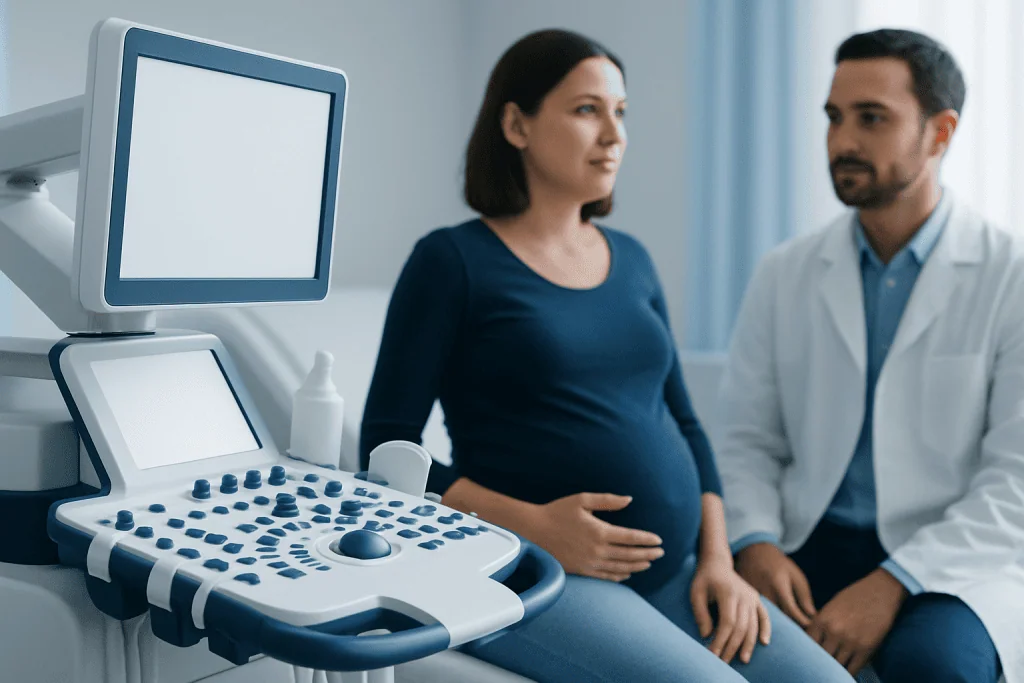
Symptoms at 35 weeks pregnant often reflect the baby’s size and position. Pelvic pressure is common because the baby may begin settling lower into the pelvis. This can create a sensation of heaviness, discomfort when walking, or sharp twinges in the groin area. Frequent urination may also increase because the bladder has less space.
Fatigue remains common, even if excitement about the birth is growing. Sleep can become more difficult due to back pain, heartburn, leg cramps, or trouble finding a comfortable position. Braxton Hicks contractions may feel more noticeable now; these are usually irregular, mild to moderate tightenings that ease with rest, hydration, or a change in position.
Other common symptoms this week include:
- Shortness of breath or feeling easily winded
- Swelling in the feet and ankles
- Heartburn or indigestion
- Low back pain
- Constipation
- Increased vaginal discharge
- Breast fullness or occasional leaking of colostrum
Not every symptom means a problem. However, contractions that become regular and painful, sudden swelling, severe abdominal pain, heavy bleeding, or a clear gush of fluid should not be ignored. These can be signs that need prompt medical assessment.
Baby Development at 35 Weeks

At 35 weeks pregnant, the baby is often compared in size to a honeydew melon. Exact size varies, but many babies at this stage are around 18 to 19 inches long and continue to gain weight steadily. This growth is important because body fat helps the baby regulate temperature after birth and gives the arms and legs a fuller appearance.
Inside the body, several systems are still refining their function. The lungs are continuing to mature, and the brain and nervous system are making important connections. The kidneys are functioning, and the digestive system is preparing for feeding after birth, even though full feeding skills continue to develop after delivery.
Movement patterns may feel different now. The baby usually still moves regularly, but kicks and stretches may feel stronger, slower, or more rolling in character because there is less room in the uterus. A clear decrease in usual movement should always be discussed with a healthcare professional.
Many babies are also moving into a head-down position around this stage. If the baby remains breech or sideways, the care team may monitor the position over the next weeks and discuss whether any further evaluation or delivery planning is needed.
Body Changes at 35 Weeks Pregnant
The body continues to adapt quickly in late pregnancy. The uterus is large and may press upward into the ribs and diaphragm or downward into the pelvis, depending on the baby’s position. This pressure can change from day to day. Some people feel more pressure low in the abdomen, while others mainly notice rib discomfort, stretching sensations, or a tight abdomen.
The cervix may also begin to soften and prepare for labor, although this process does not always cause obvious symptoms. Increased vaginal discharge can be normal if it remains mild, clear or white, and without a strong odor. If discharge becomes watery, bloody, green, or associated with itching or burning, it should be evaluated because it may represent leaking amniotic fluid or infection.
Swelling in the feet and ankles can become more pronounced late in the day, especially after standing for long periods. Mild swelling is common, but sudden or marked swelling of the face, hands, or legs may need urgent attention because it can be associated with blood pressure complications, including preeclampsia. Regular prenatal blood pressure checks are especially important in the final weeks.
Checklist: What to Do This Week
Week 35 is a practical time to slow down where possible and focus on preparation. Prenatal appointments often become more frequent now, and the care team may check blood pressure, the baby’s heartbeat, growth, and position. Some people may also have testing for group B streptococcus, depending on local practice and the timing of visits.
A helpful checklist for this week may include:
- Attend all scheduled prenatal visits
- Monitor the baby’s usual movement pattern
- Pack or review the hospital bag
- Discuss labor signs and when to leave for the hospital
- Review transport and childcare plans if needed
- Keep hydrated and eat regular, balanced meals
- Rest with feet elevated when swelling increases
This is also a good time to ask practical questions about pain relief, labor induction if medically necessary, breastfeeding support, and newborn care. If a cesarean birth is planned or may become necessary, the clinician may explain what to expect from cesarean delivery. In some pregnancies, especially when maternal or fetal monitoring is needed, additional assessment such as fetal monitoring may be recommended.
If the pregnancy involves a medical condition such as diabetes, hypertension, or growth concerns, the care plan may be more individualized. In those situations, close follow-up helps guide the safest timing and mode of birth.
How Doctors Check Mother and Baby at This Stage
Routine care at 35 weeks pregnant is designed to confirm that both mother and baby are doing well. At a prenatal visit, a clinician typically reviews symptoms, measures blood pressure, checks weight trends, and may test urine depending on the situation. They also listen to the baby’s heartbeat and assess uterine growth.
The baby’s position is often checked by abdominal examination, and sometimes ultrasound is used if the position is uncertain or if there are concerns about growth, fluid level, or placenta location. Ultrasound is not always needed in every uncomplicated pregnancy, but it can be helpful when there are questions about breech presentation, fetal size, or well-being.
If symptoms suggest contractions, fluid leakage, or early labor, more detailed evaluation may be needed. This can include a physical examination, monitoring contractions and the baby’s heart rate, or checking whether the membranes have ruptured. If there are concerns about delivery planning, some patients may need obstetric evaluation and, when appropriate, normal vaginal delivery or surgical birth counseling.
Self-Care and Comfort Tips
Self-care at 35 weeks pregnant is mainly about conserving energy, easing discomfort, and knowing which symptoms are normal. Gentle movement such as walking or prenatal stretching may help with stiffness, but activity should be adjusted to comfort and medical advice. Good hydration can reduce some Braxton Hicks contractions and support circulation.
For better rest, many people find it helpful to sleep on the side with pillows supporting the abdomen, back, or between the knees. Small, frequent meals may reduce heartburn and bloating. Supportive shoes, avoiding long periods of standing, and elevating the feet can help with swelling and leg fatigue.
Emotional preparation is also part of late-pregnancy care. It can help to review birth preferences while remaining flexible, since labor does not always follow a strict plan. If anxiety is rising, discussing concerns openly with a midwife or obstetrician can make the final weeks feel more manageable and informed.
Near the end of pregnancy, some families seek care in specialized centers for delivery planning, high-risk monitoring, or second opinions. Acibadem International’s multidisciplinary specialists and JCI-accredited hospitals diagnose and treat pregnancy-related conditions for international patients when advanced obstetric care is needed.
When to Seek Medical Care
At 35 weeks pregnant, it is important to know the difference between ordinary late-pregnancy discomfort and signs that need medical attention. Prompt assessment is recommended if contractions become regular, stronger, and closer together, or if there is a gush or steady trickle of fluid that may mean the water has broken.
Medical advice should also be sought urgently for vaginal bleeding, severe abdominal pain, fever, reduced baby movements, severe headache, visual changes, chest pain, or sudden swelling of the face and hands. These symptoms are not typical comfort complaints and may need immediate evaluation.
People should contact their own maternity team for guidance based on their pregnancy history, especially if they have twins, high blood pressure, diabetes, placenta concerns, or previous preterm birth. Even when a symptom turns out to be harmless, checking early is often the safest approach in the final weeks of pregnancy.
Frequently asked questions
Is 35 weeks pregnant considered full term?
No. At 35 weeks, pregnancy is usually considered late preterm, not full term. Full term begins at 39 weeks, although babies born after 37 weeks are generally considered early term or term depending on exact timing.
How big is the baby at 35 weeks pregnant?
Many babies at 35 weeks are about the size of a honeydew melon. Individual size varies, but the baby is typically continuing to gain weight and body fat quickly at this stage.
Are Braxton Hicks contractions normal at 35 weeks?
Yes, Braxton Hicks contractions are common in late pregnancy. They are usually irregular and often improve with rest, hydration, or changing position. If contractions become regular, painful, or closer together, medical advice is recommended.
What symptoms are common at 35 weeks pregnant?
Common symptoms include pelvic pressure, fatigue, back pain, heartburn, swelling in the feet and ankles, and frequent urination. Sleep disturbance and stronger fetal movements or rolling sensations are also common.
Should the baby still be moving a lot at 35 weeks?
Yes, the baby should still move regularly, although the type of movement may feel different because space is tighter. Kicks may feel more like stretches, rolls, or firm pushes. A noticeable reduction in usual movement should be checked promptly.
What should be ready by 35 weeks pregnant?
It is sensible to have the hospital bag mostly packed, transport plans arranged, and important phone numbers available. This is also a good time to review labor signs, discuss delivery preferences, and attend all prenatal appointments.
References
- World Health Organization
- American College of Obstetricians and Gynecologists
- National Health Service
- March of Dimes
This article is for general information only and is not a substitute for professional medical advice. Please consult a qualified doctor about your individual situation.
Medical weight-loss options in Turkey — costs & eligibility
JCI-accredited · board-certified surgeons · reply within 24h
Add us as a Preferred Source to see more of our trusted health content across Google Search, AI Overviews and Discover.
Check your numbers in seconds
BMI, calories, due date, blood pressure and 30+ more clinical calculators — free, instant, doctor-reviewed ranges.