37.1 C to F — Explained by Medical Evidence, Not Myths

37.1°C equals 98.78°F, commonly rounded to 98.8°F. A temperature of 37.1°C is usually normal for many adults and children.
Key Takeaways
- 37.1°C equals 98.78°F, commonly rounded to 98.8°F.
- A temperature of 37.1°C is usually normal for many adults and children.
- Body temperature naturally changes during the day, with activity, age, and the method used to measure it.
- A single reading matters less than symptoms, repeated measurements, and the person’s overall condition.
- Medical advice is important if fever is persistent, high, or accompanied by warning signs such as breathing trouble, confusion, or dehydration.
37.1 c to f converts to 98.78°F. In most adults, this temperature is still within a normal body-temperature range and, by itself, usually does not indicate a fever.
Overview: What 37.1 C to F Means
37.1 c to f converts to 98.78°F, which is usually rounded to 98.8°F. For most people, this is within the normal range of body temperature. A reading like this does not automatically mean infection, illness, or fever.
Many people have heard that 37°C (98.6°F) is the one “perfect” normal temperature, but medical evidence shows that normal body temperature is more flexible than that. Healthy temperature can vary from person to person and even within the same person over the course of one day.
This is why a single number should be interpreted in context. How the temperature was taken, the person’s age, recent exercise, room temperature, menstrual cycle, and symptoms all affect what a reading means. In everyday practice, clinicians look at the whole picture rather than relying on one isolated measurement.
How to Convert 37.1°C to Fahrenheit
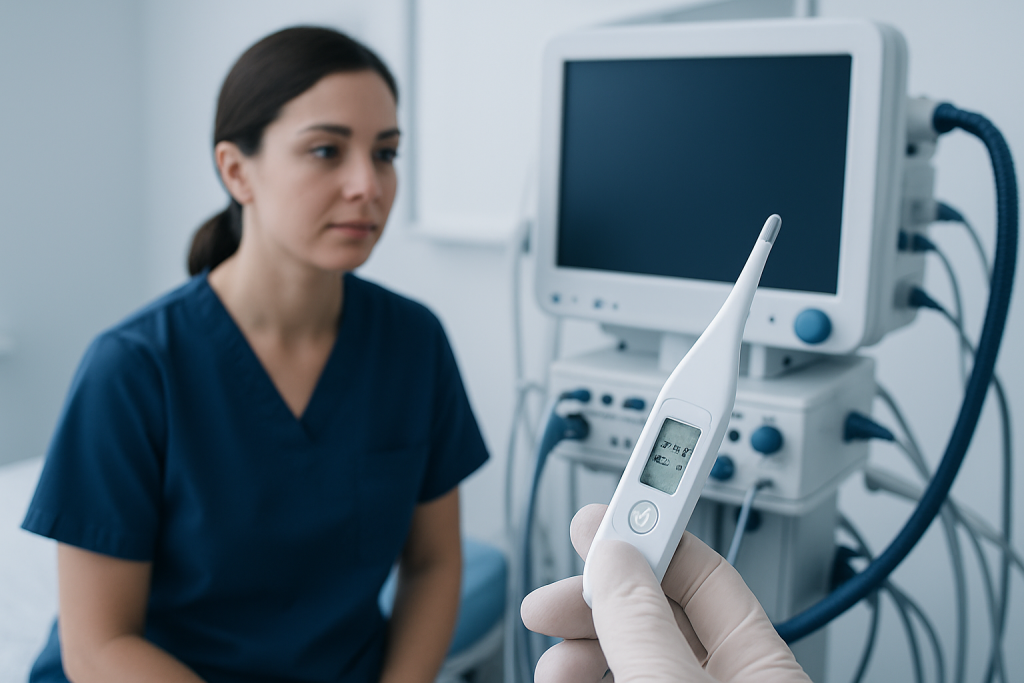
The formula to convert Celsius to Fahrenheit is: (°C × 9/5) + 32 = °F. Applying this to 37.1 gives: (37.1 × 9/5) + 32 = 98.78°F.
In simple terms, 37.1°C is just under 99°F. Most people round it to 98.8°F when speaking casually or checking a digital thermometer. This small difference in decimals does not change the medical interpretation.
If a person tracks temperature at home, it can help to use the same thermometer and the same method each time. This makes trends easier to compare and reduces confusion from small reading differences.
Is 37.1°C a Fever?

In most situations, 37.1°C is not considered a fever. Fever thresholds depend somewhat on how temperature is measured, but a reading of 37.1°C is generally below the level that clinicians would call fever in an adult.
Normal body temperature is not identical for everyone. Some healthy people naturally run a little lower, while others run a little higher. Temperature also often rises later in the day, after physical activity, or after eating warm food or drinks.
Whether 37.1°C matters depends on symptoms and pattern. For example, a person with cough, chills, fatigue, or another concerning symptom may still need assessment, even if the temperature is not technically high. On the other hand, a person who feels well and has a one-time reading of 37.1°C usually does not need to worry.
If there are signs of infection or persistent symptoms, doctors may evaluate possible causes such as influenza or an upper respiratory tract infection. The temperature number alone is rarely enough to make a diagnosis.
Why Body Temperature Varies
Body temperature changes naturally throughout the day. It is often lower in the early morning and slightly higher in the late afternoon or evening. This daily pattern is a normal part of the body’s internal clock.
The method of measurement also matters. Oral, ear, forehead, armpit, and rectal temperatures can give different readings. Armpit temperatures are often lower, while rectal temperatures are usually a bit higher and may better reflect core body temperature.
Other common influences include:
- Exercise or recent physical activity
- Hot weather or heavy clothing
- Menstrual cycle and ovulation
- Age, especially in infants and older adults
- Eating or drinking shortly before measurement
- Medication use
Because of these factors, small changes such as 37.0°C, 37.1°C, or 37.3°C are often not medically meaningful on their own. Repeated measurements and symptoms provide more useful information than a minor difference of a few tenths of a degree.
When a Temperature Reading May Matter More
A mild reading becomes more meaningful when it happens alongside symptoms or unusual circumstances. Examples include sore throat, cough, body aches, chills, vomiting, pain when urinating, or a person feeling significantly unwell. In those situations, clinicians consider the temperature as one part of the overall assessment.
Special groups need closer attention. Babies, older adults, people receiving chemotherapy, people with weakened immune systems, and those with serious chronic illness may not show a classic high fever even when they have an infection. For them, a modest temperature change can deserve earlier medical advice.
It is also helpful to look at the trend. A temperature that starts at 37.1°C and steadily rises over several hours may be more important than a stable 37.1°C reading in someone who feels well. If symptoms suggest a more significant infection or another medical problem, doctors may recommend testing such as blood tests or a medical check-up to identify the cause.
How to Measure Temperature Accurately at Home
Accurate measurement helps avoid unnecessary worry. A digital thermometer is usually the easiest choice for home use. Readings are most useful when taken according to the manufacturer’s instructions and with the same method each time.
For oral temperature, it is best to wait after hot or cold drinks, smoking, or exercise. The thermometer should stay in place until the device signals that the reading is complete. For forehead or ear thermometers, correct positioning is important because technique can affect results.
Helpful home tips include:
- Measure at about the same times if tracking a trend
- Record the number, time, and method used
- Note symptoms such as cough, pain, chills, or tiredness
- Recheck if the reading seems unusual or does not match how the person feels
Home monitoring is useful, but it does not replace medical evaluation when symptoms are severe, persistent, or unusual. If a person appears very unwell, clinical assessment matters more than repeated thermometer checks.
When to Seek Medical Care
A reading of 37.1°C alone usually does not require urgent care. Medical advice may be needed, however, if temperature changes are accompanied by significant symptoms or if the person is in a higher-risk group.
It is sensible to contact a doctor if there is persistent fever, worsening cough, shortness of breath, chest pain, confusion, signs of dehydration, severe weakness, or symptoms that do not improve. Infants, frail older adults, pregnant people, and immunocompromised patients often need earlier guidance even with mild temperature changes.
Emergency care is appropriate for warning signs such as difficulty breathing, seizures, severe drowsiness, blue lips, new confusion, stiff neck, or inability to keep fluids down. In those situations, the overall condition is more important than the exact number on the thermometer.
When more detailed evaluation is needed, clinicians may recommend further assessment or internal medicine care. Acibadem International’s multidisciplinary specialists and JCI-accredited hospitals diagnose and treat conditions linked with abnormal temperature readings for international patients.
Frequently asked questions
What is 37.1 c to f exactly?
37.1°C converts to 98.78°F. In everyday use, this is usually rounded to 98.8°F.
Is 37.1°C a fever in adults?
Usually no. In most adults, 37.1°C is still within a normal body-temperature range and is not typically considered a fever by itself.
Why can 37.1°C feel high if it is normal?
A person may feel warm for many reasons, including exercise, a hot room, stress, hormones, or the start of an illness. Symptoms and repeated readings are often more helpful than one single number.
Does the place where temperature is measured make a difference?
Yes. Oral, ear, forehead, armpit, and rectal readings can differ slightly. This is why doctors consider the measurement method when deciding whether a temperature is normal or elevated.
Should someone retake a 37.1°C temperature reading?
Retaking it can be useful if the reading seems unexpected or does not match how the person feels. Using the same thermometer and method after a short rest can give a more reliable comparison.
When is a temperature reading more concerning than the number itself?
It becomes more concerning when it comes with symptoms such as breathing trouble, confusion, persistent vomiting, dehydration, or significant weakness. High-risk groups, including infants and people with weakened immune systems, also need earlier medical advice.
This article is for general information only and is not a substitute for professional medical advice. Please consult a qualified doctor about your individual situation.
Explore treatments in Turkey — costs, top hospitals & a free quote
JCI-accredited · board-certified surgeons · reply within 24h
Add us as a Preferred Source to see more of our trusted health content across Google Search, AI Overviews and Discover.

More from the Health Library

Small Intestine — Explained by Medical Evidence, Not Myths
Eustachian Tube: A Complete Medical Overview

Head Tumors Signs: What Patients Need to Know

Magnesium for Leg Cramps: What Patients Need to Know

Morsicatio Buccarum — Explained by Medical Evidence, Not Myths